

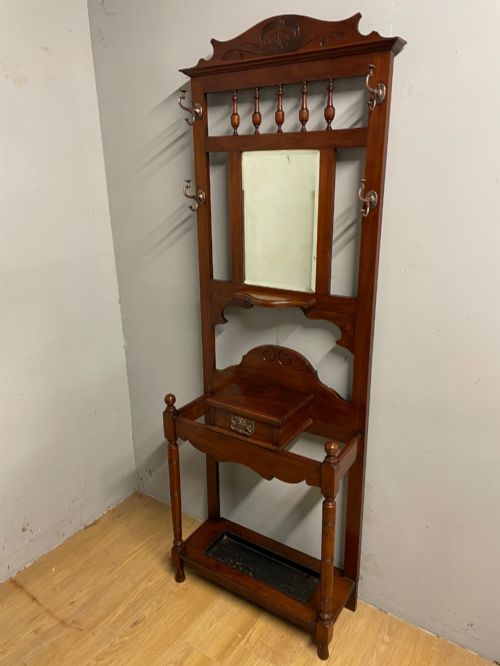
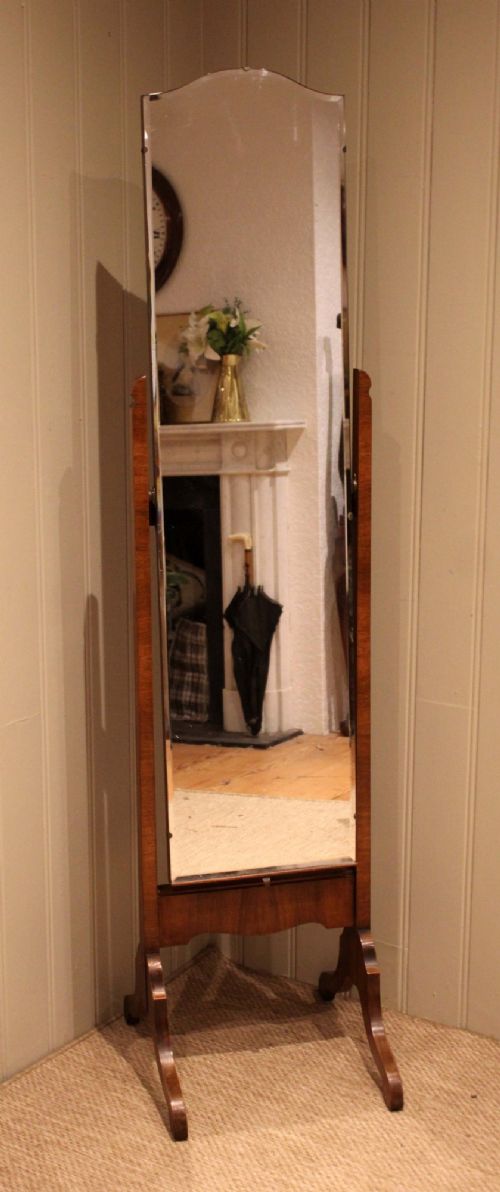
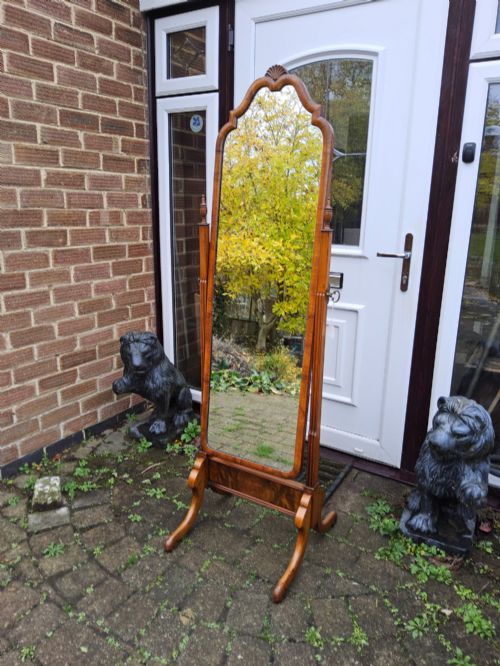
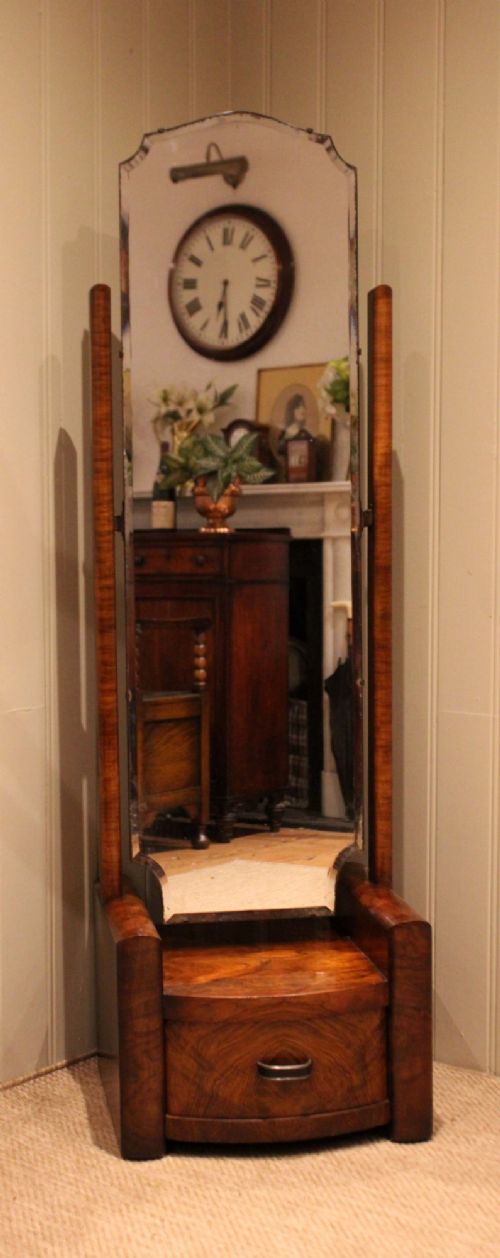

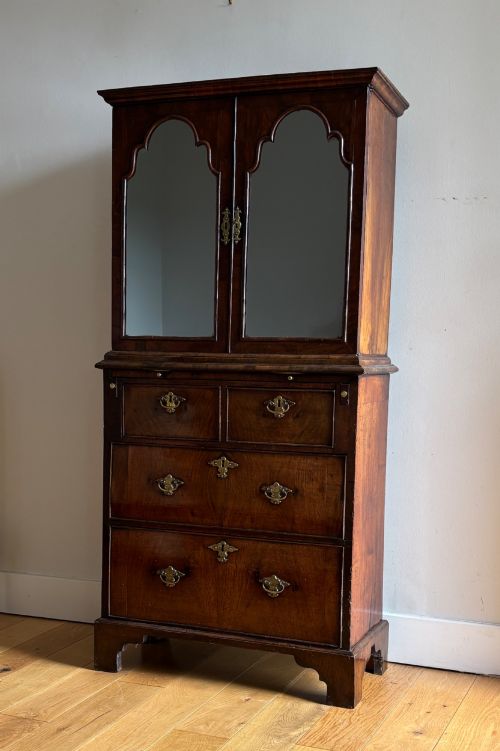
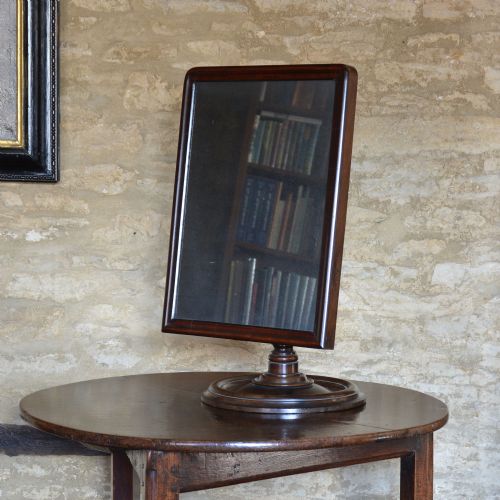
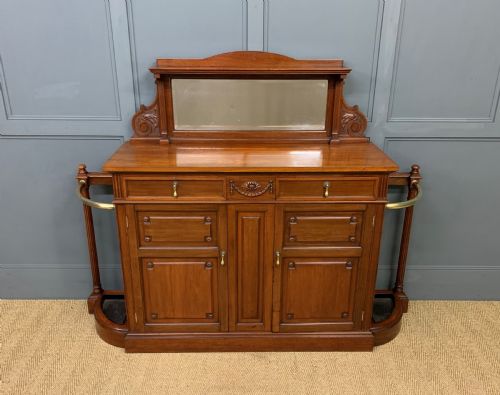
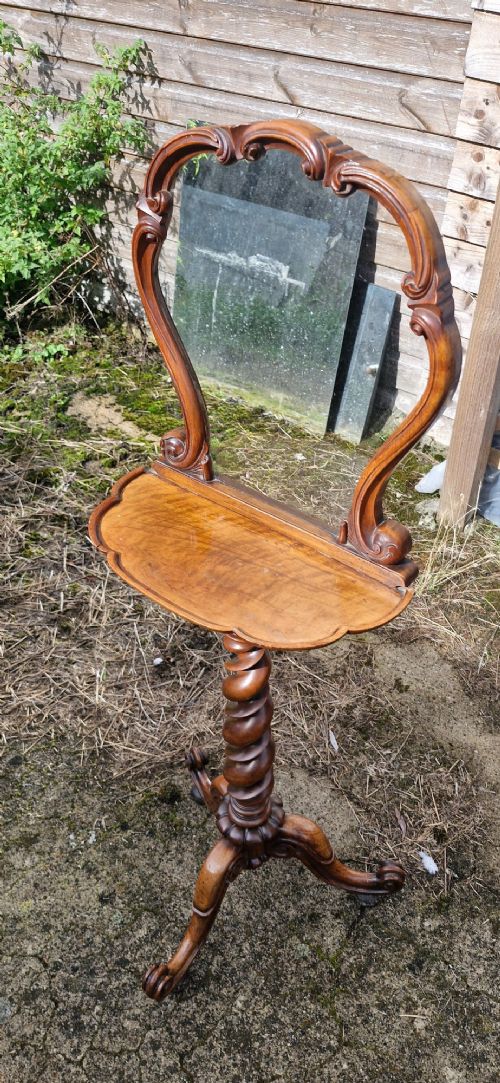
Walnut Mirror on Stand
A walnut mirror on stand brings warmth and practical reflection to a room, uniting rich timber grain with adjustable glass.
Walnut Mirror on Stand
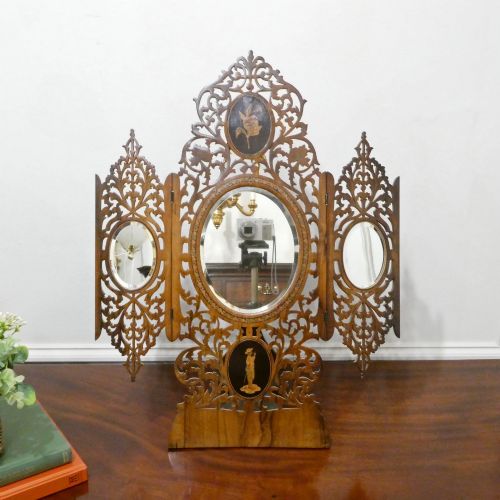
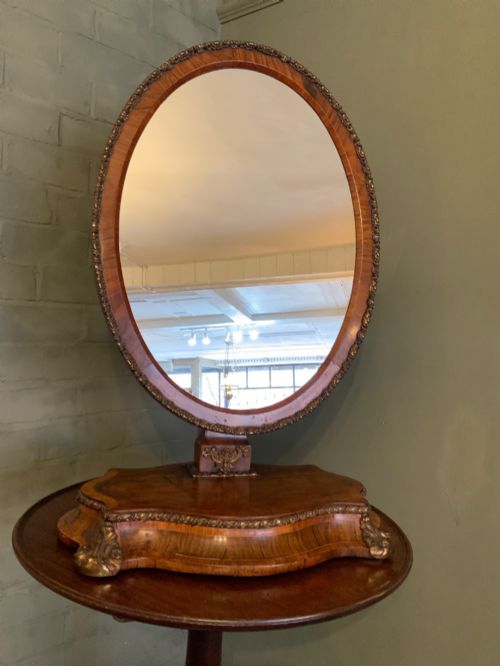
A walnut mirror on stand unites a supportive frame and a tilting or fixed glass plate, designed to sit upon floors, dressing tables or side furniture. When you search for a walnut mirror on stand, you encounter several distinct forms spanning multiple centuries of craftsmanship.
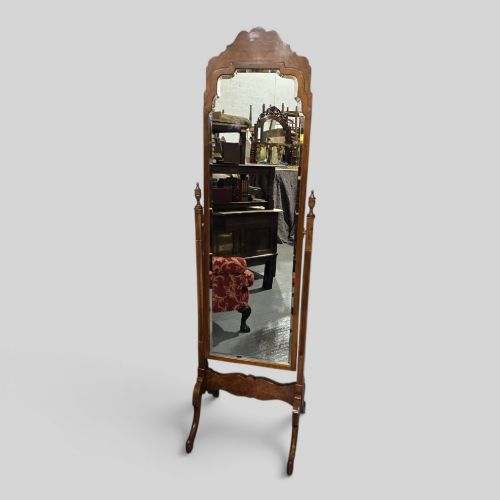
The pieces on this page appear primarily as cheval mirrors for full-length reflection, alongside smaller toilet, dressing table and shaving mirrors intended for closer use. These objects emerge from periods ranging from the seventeenth century through the Victorian era and into Art Deco designs.
Makers utilised both solid timbers and figured veneers to create these stands, often incorporating boxes, drawers or pivoted supports. Collectors select them for their combination of useful daily function and the decorative presence of warm brown wood.
Materials and construction methods
Makers constructed these frames using solid walnut and applied burr walnut veneers over secondary timbers such as oak, achieving rich patterns on the primary surfaces. Glass plates were silvered and set into rebated frames, sometimes secured with brass or ormolu hardware.
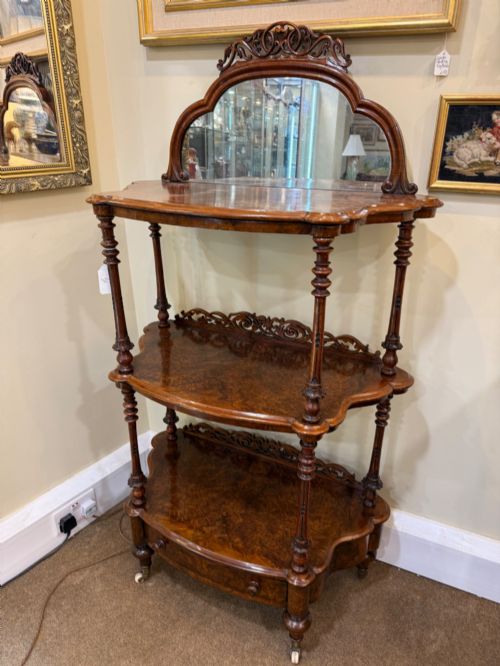
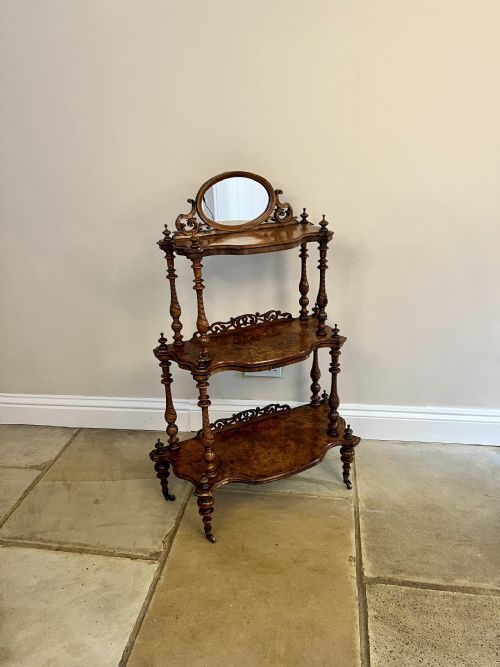
Support structures rely on precision joinery, including barley twist turned columns, console brackets and pivoted pivots that allow the mirror glass to tilt at various angles. Boxwood stringing and marquetry inlay occasionally adorn the surfaces of dressing and toilet variants.
Walnut Mirror on Stand Retail Price Guide 2026
Typical asking prices for walnut mirror on stand among the pieces listed under this phrase on Sellingantiques today, from the lower quarter to the upper quarter. They describe what is for sale here now, not the wider market.
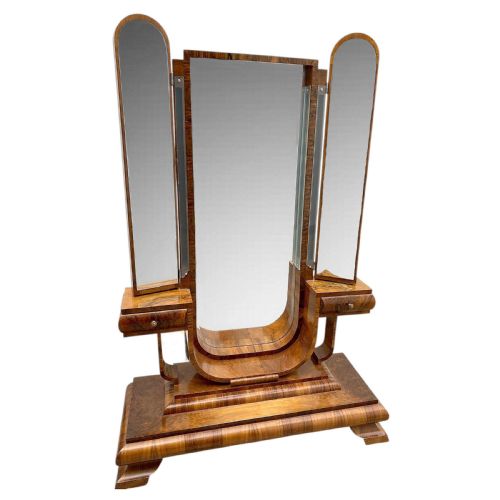
One Art Deco cheval dressing mirror on this page originated directly from a gents outfitters shop.
Distinctions in quality and execution
Quality reveals itself in the selection of the walnut timber, particularly where figured burr veneers display symmetrical grain across the main panels. Superior examples exhibit refined turning on supports such as barley twists, alongside cleanly cast brass fittings that operate smoothly.
The integrity of the frame construction and the depth of the original mirror glass further separate standard items from exhibition-grade pieces. Finer specimens maintain crisp carved details and harmonious proportions between the stand and the glass plate.
Shoolbred & Co
The Walnut Mirror on Stand Glossary
- Cheval mirror
- A large, freestanding mirror supported by a frame with vertical pillars and pivoting feet. This design allows the glass to rotate fully for viewing an entire outfit.
- Toilet mirror
- A smaller mirror designed to sit atop a dressing table, chest of drawers or washstand. These often incorporate small drawers within their base stands.
- Burr walnut
- A specialised timber cut from walnut tree growths, yielding highly figured and swirling grain patterns. Cabinetmakers prize this material for decorative veneering.
- Barley twist
- A carved spiral column resembling a twisted rope, frequently used for the vertical supports of stands and table legs. This decorative turning technique appears across various nineteenth-century items.
- Ormolu
- Gilded bronze or brass mounts applied to furniture for decorative enrichment. These metallic elements add contrast to the dark walnut timber.
Walnut Mirror on Stand: Frequently Asked Questions
Where were these mirrors used?
These mirrors found placement in bedrooms, dressing rooms and hallways across period homes. Floor-standing cheval versions served for checking full attire, while table versions rested on chests and dressing chests.
They provided necessary reflection before leaving the house or during grooming routines in private quarters.
How do I identify the period?
Dating relies on observing structural styling, turning details and veneer applications. Early pieces from the seventeenth and eighteenth centuries show simpler, rectilinear frames or distinct joinery, whereas Victorian examples often feature barley twist columns or heavy burr veneers.
Art Deco versions introduce streamlined geometric shapes and figured walnut veneers typical of the nineteen-thirties.
How do I care for walnut stands?
Protect walnut surfaces by keeping them away from direct sunlight and maintaining stable room humidity to prevent veneer lifting. Regular dusting with a soft, dry cloth preserves the finish without requiring heavy polishes.
Glass plates clean safely with standard glass cleaner applied to a cloth rather than sprayed directly onto the frame.