

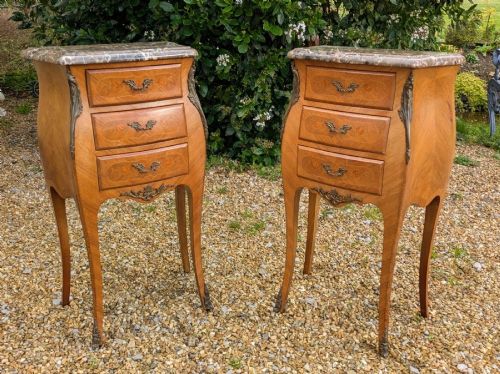
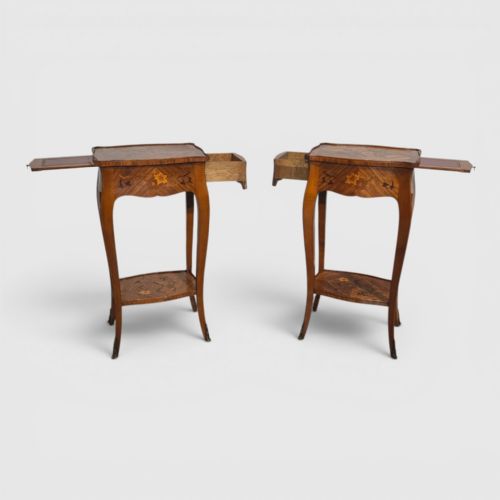
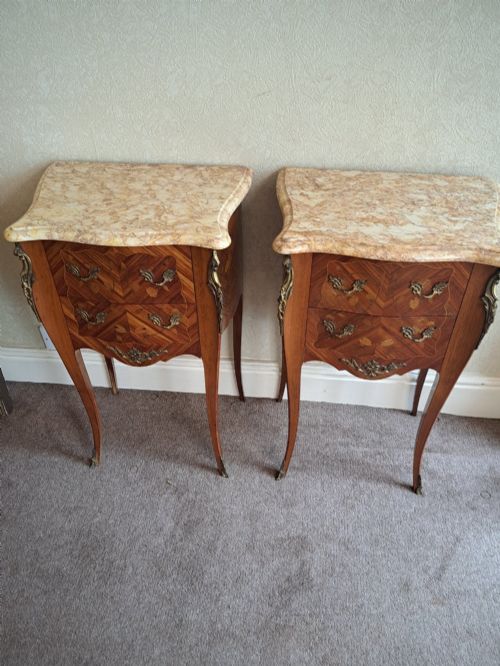
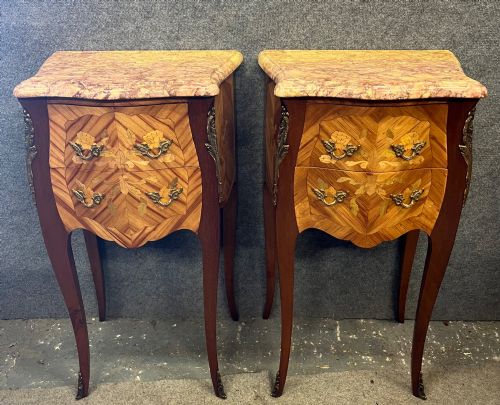

Walnut Marquetry Table Cabinet
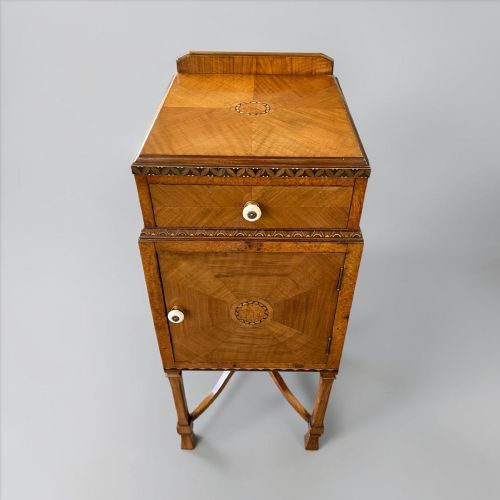
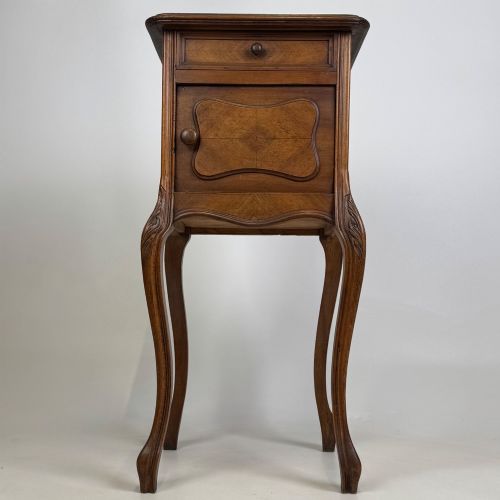
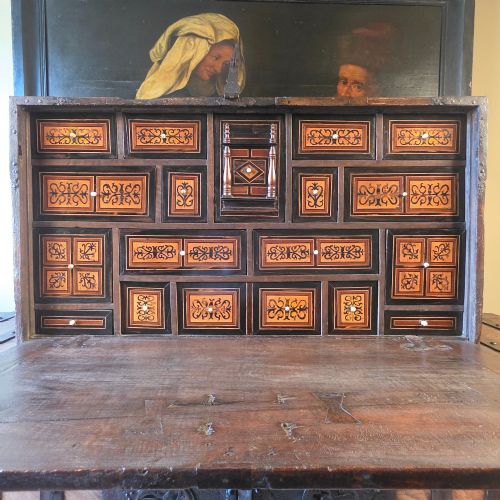
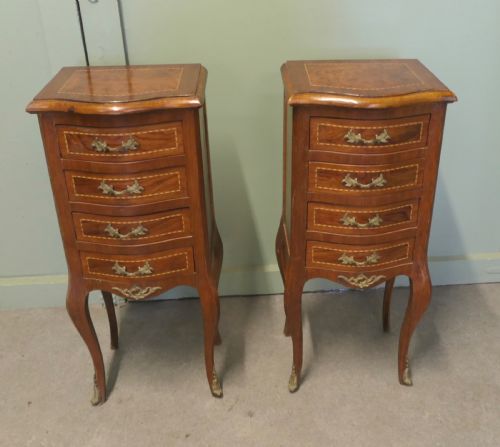
These walnut marquetry table cabinet designs range from intimate bedside chests to elaborate writing desks, bringing patterned wood surfaces into period interiors.
Walnut Marquetry Table Cabinet
When searching for a walnut marquetry table cabinet, buyers encounter a diverse selection of small storage furniture spanning multiple centuries. The phrase encompasses versatile bedside tables, lamp tables, side cabinets, and tabletop writing pieces created across Europe.
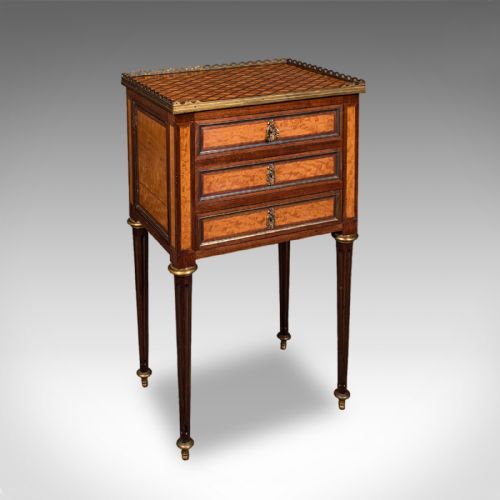
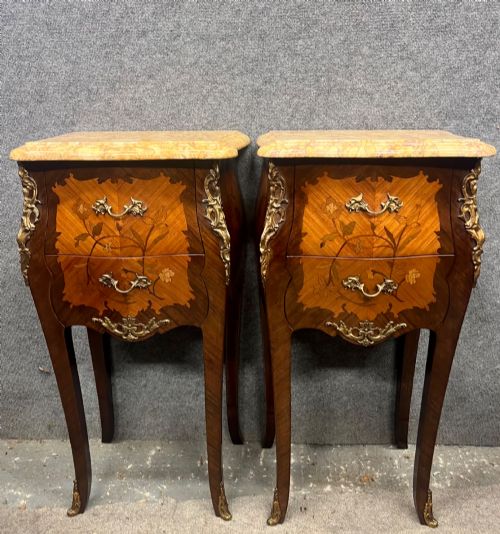
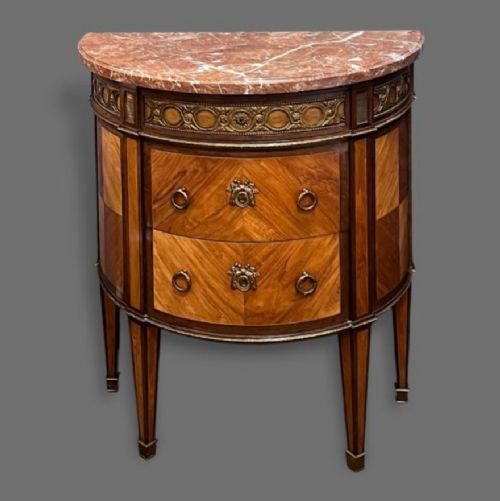
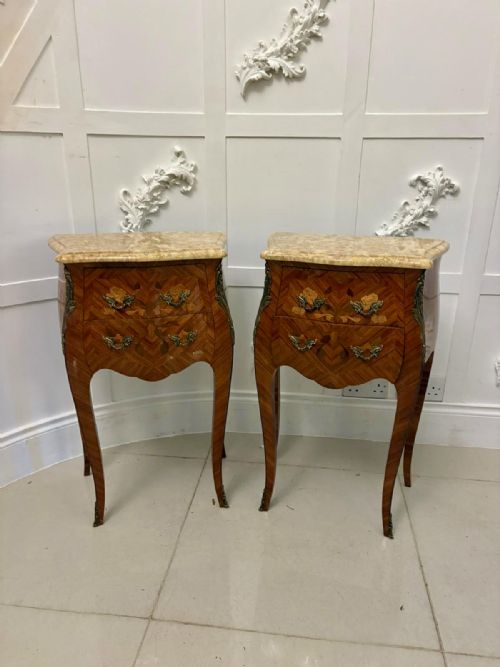
The majority of pieces met on this page date from the nineteenth and early twentieth centuries, drawing heavily upon French Louis XV and Neoclassical design vocabularies. Many examples take the form of bedside chests and lamp tables finished with intricate wood inlays.
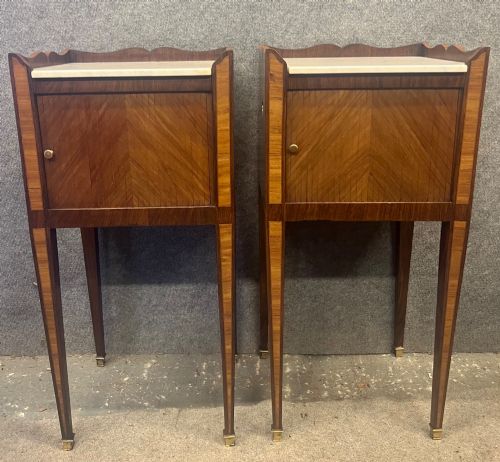
Earlier centuries contribute occasional seventeenth and eighteenth-century items, while later decades introduce Art Deco interpretations and twentieth-century reproductions. Buyers frequently find paired bedside lockers and serpentine cabinets among the current selections.
Materials and construction
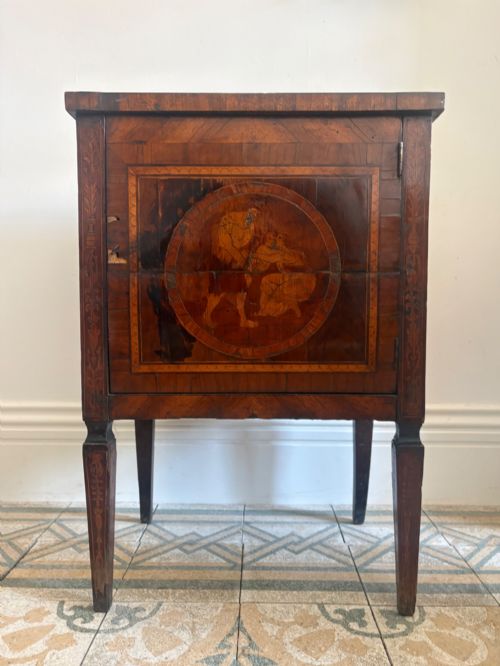
Craftsmen built these cabinets using a foundation of walnut, frequently incorporating burr walnut and fruitwood veneers to achieve rich surface patterns. Marquetry techniques involve cutting and fitting contrasting wood veneers into pictorial or geometric designs.
Many French and Italian examples incorporate marble tops, brass mounts, or ormolu details to accent the timber framework. Kingwood and various fruitwoods provide the contrasting colour tones required for complex floral and architectural inlay work.
Listings feature items spanning from the 17th century through the Victorian era to 1930s Art Deco.
Judging the standard
Quality in a walnut marquetry table cabinet rests upon the precision of the veneer work and the crispness of the inlay. Superior examples display seamless joins within the marquetry patterns, where different wood species meet without visible gaps.
The choice of secondary materials dictates overall refinement, separating standard production from exhibition pieces. Heavy ormolu mounts, genuine marble slabs, and finely figured burr walnut elevate the visual and structural merit of the furniture.
Pietro Ferrario
The Walnut Marquetry Table Cabinet Glossary
- Marquetry
- Decorative veneer work arranged in intricate patterns or pictures across a furniture surface. This technique utilises various coloured woods to create pictorial depth.
- Ormolu
- Gilded bronze mounts applied to furniture for ornamentation and edge protection. Makers used these metallic elements extensively on French nineteenth-century pieces.
- Burr walnut
- Timber taken from a walnut tree growth, yielding swirling, highly figured grain patterns. Cabinetmakers prized this material for principal display surfaces.
- Parquetry
- Geometric wood inlay forming repetitive patterns such as cubes, chequered boards, or herringbones. It differs from floral marquetry through its strict geometric arrangement.
- Demi-lune
- A half-moon shape characteristic of console tables and specialised side cabinets. This curved form requires advanced woodworking skill to veneer accurately.
Walnut Marquetry Table Cabinet: Frequently Asked Questions
What is a walnut marquetry table cabinet?
A walnut marquetry table cabinet is a small piece of furniture decorated with patterned wood veneers, functioning as a bedside chest, side table, or desk.
These pieces combine practical enclosed storage or surface space with elaborate decorative woodwork, often featuring brass or marble additions.
How do I date a marquetry cabinet?
Dating relies on examining the timber species, construction methods, and stylistic cues such as Louis XV revival curves or Art Deco lines.
Hardware styles, secondary woods inside drawers, and the complexity of the marquetry also point towards specific manufacturing periods from the seventeenth century onward.
Where were these cabinets placed originally?
Bedside cabinets and lamp tables served bedrooms and intimate sitting rooms to hold lighting, books, or personal items.
Larger side cabinets and writing tables occupied salons, drawing rooms, and hallways as both functional surfaces and decorative focal points.
How do I care for marble top tables?
Marble surfaces require gentle cleaning with mild, pH-neutral soap and water to avoid dulling the polished stone.
Shielding the top from acidic liquids prevents etching, while regular dusting preserves the lustre of both the stone and the surrounding walnut veneer.