






Walnut Marquetry Sofa
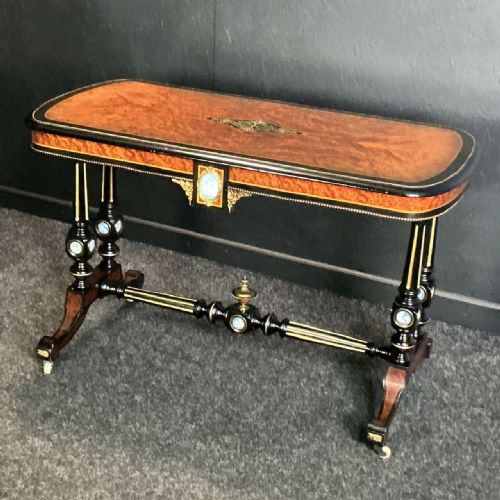
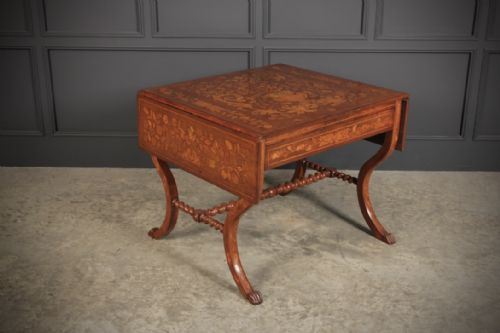
A walnut marquetry sofa brings complex wood inlays and rich timber grain together for a striking statement in a principal room.
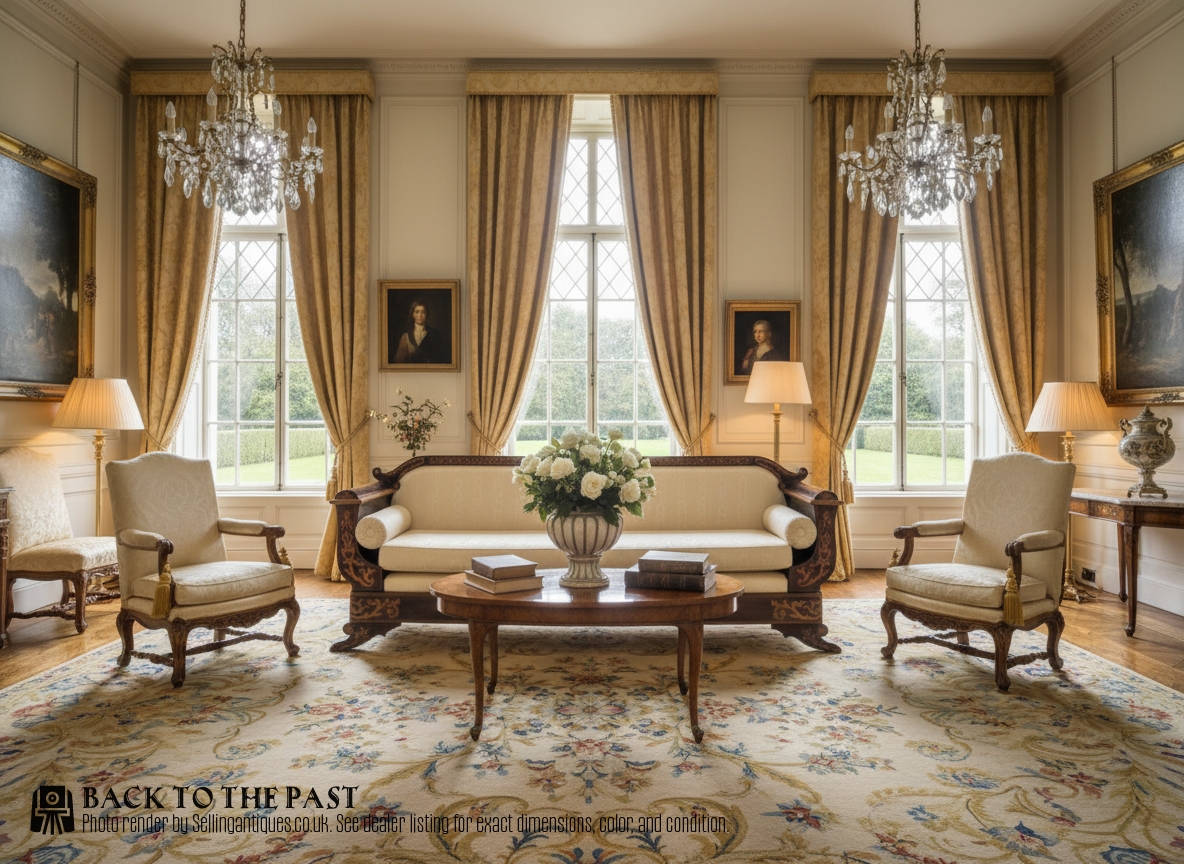
Walnut Marquetry Sofa
A walnut marquetry sofa offers seating framed in richly figured timber and detailed with patterned wood inlays. Buyers seeking a walnut marquetry sofa encounter Victorian examples alongside settee and armchair suites from the nineteenth century.
The selection includes pieces shaped by revival tastes, incorporating Dutch marquetry and French Empire influences alongside settee and couch forms. These seats often display serpentine outlines or oval proportions derived from nineteenth-century workshop traditions.
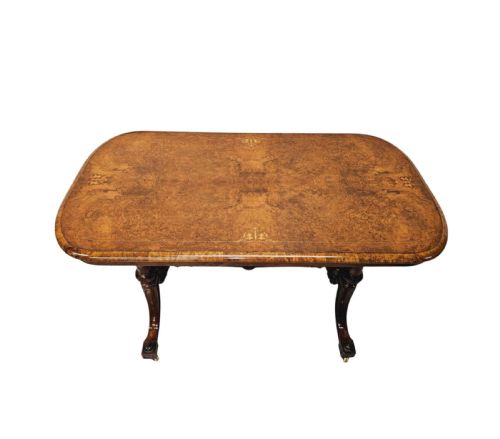
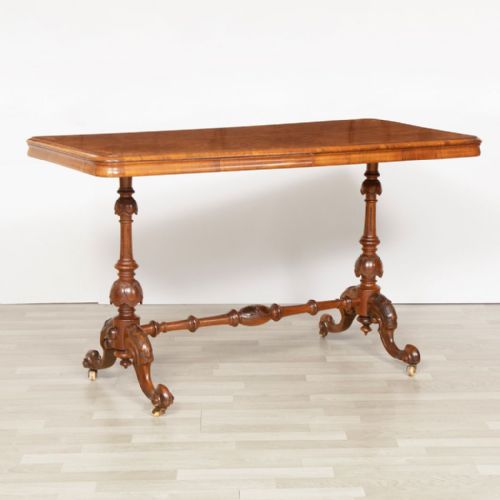
Makers utilised burr walnut and plain walnut grounds to build complex pictorial or geometric decorative schemes across the timber surface. The resulting forms function equally as decorative seating and as historic examples of nineteenth-century cabinet work.
Materials and Construction
Cabinet makers built these frames using solid walnut and applied burr walnut veneers to achieve deep, figured grain patterns across the main structural sections. Boxwood inlay and contrasting timber veneers were then precision-cut and set flush into the prepared surface.
Marquetry panels required artisans to assemble intricate pictorial motifs using tinted woods, which were glued to the carcase and scraped flat before polishing. Ormolu mounts, brass details, and bone inlays occasionally supplemented the wood designs on specific revival pieces.
The site's listings show nineteenth-century pieces incorporating burr walnut, boxwood inlay, and ormolu mounts across various revival styles.
Judging Quality
Quality rests in the precision of the marquetry cutting and the choice of the underlying timber grain. Burr walnut with deep figuring provides a more visually complex ground for the wood inlay than plain timber stocks.
The sophistication of the joinery and the crispness of the applied boxwood details distinguish standard production pieces from finer workshop outputs. Superior frames show careful alignment where the marquetry meets the curves of the wooden arms and legs.
Gillows
The Walnut Marquetry Sofa Glossary
- Marquetry inlay
- A decorative technique where small pieces of tinted wood, boxwood, or bone are cut and fitted together to form pictorial or geometric patterns on a wood ground. This method differs from simple surface carving by creating a completely flat, patterned veneer.
- Burr walnut
- A prized timber harvested from walnut tree growths, known for its swirling, highly figured grain patterns. Cabinet makers selected burr walnut veneers to give furniture panels deep visual movement.
- Boxwood inlay
- A contrasting pale timber used for delicate linear stringing or small decorative details within darker walnut surfaces. It provides sharp visual separation against the rich brown tones of the surrounding wood.
- Ormolu
- Gilt bronze mounts applied to furniture frames during the nineteenth century to highlight structural corners and decorative motifs. The metalwork added a bright metallic contrast to the dark timber.
- Ebonised wood
- Timber treated with a dark stain or finish to imitate ebony, often used to create a stark border around marquetry panels.
Walnut Marquetry Sofa: Frequently Asked Questions
How do I care for my sofa?
Protect the timber and marquetry inlay by placing the sofa away from direct sunlight and strong heat sources, which can dry out the veneer. Dust the surface regularly with a soft, dry cloth to prevent dirt accumulation in the grain.
Avoid using silicone-based polishes or harsh chemical sprays on the wood. Consult a professional restorer if the veneer shows signs of lifting or minor separation from the carcase.
How do I date these pieces?
Dating relies on examining the secondary woods, the construction methods used for the frame, and the specific style of the marquetry decoration. Most recorded examples date from the nineteenth century, particularly the Victorian period.
Revival styles such as French Empire or Dutch marquetry provide further clues, though nineteenth-century makers frequently reinterpreted older motifs. The presence of specific hardware and the thickness of the walnut veneers help confirm the era of manufacture.
Where should I place it?
Position the sofa in a principal reception room or hallway where the detailed wood inlays can be seen without obstruction. Because marquetry surfaces are sensitive to rapid temperature changes, keep the piece away from radiators and unshaded windows.
Allow enough surrounding floor space to view the proportions of the frame and any associated armchairs or tables from a distance.