
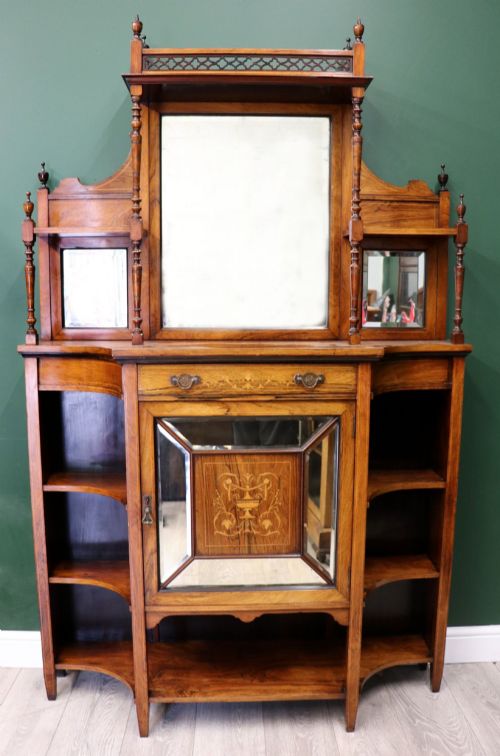
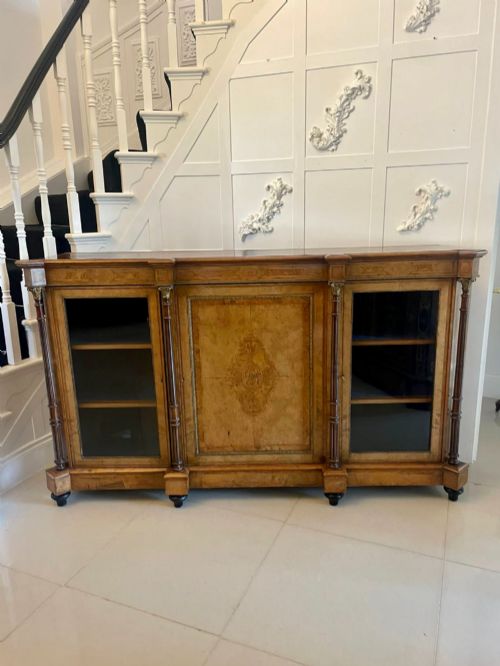
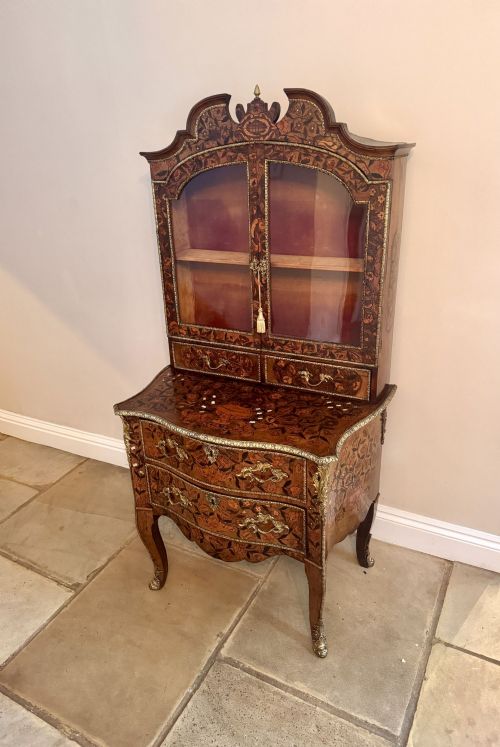
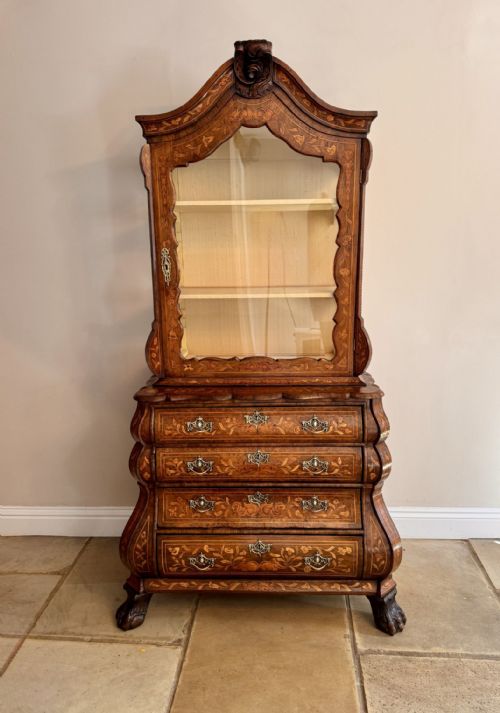


Walnut Marquetry Display Cabinet
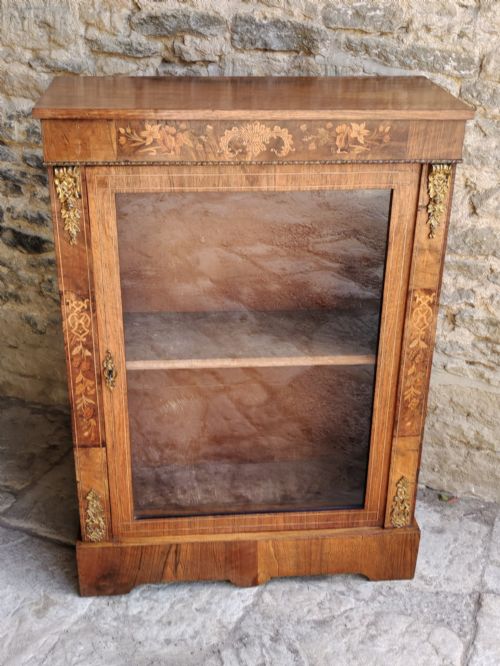
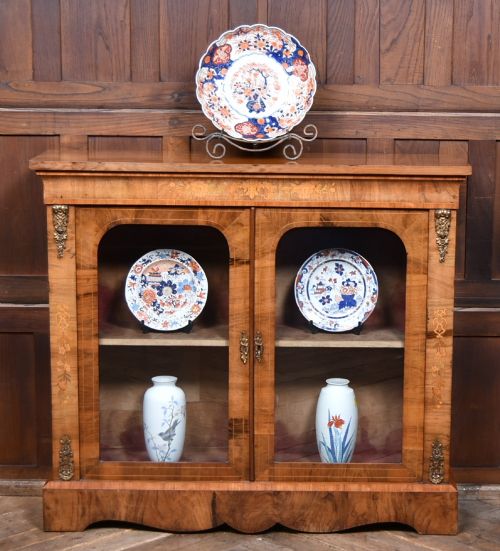
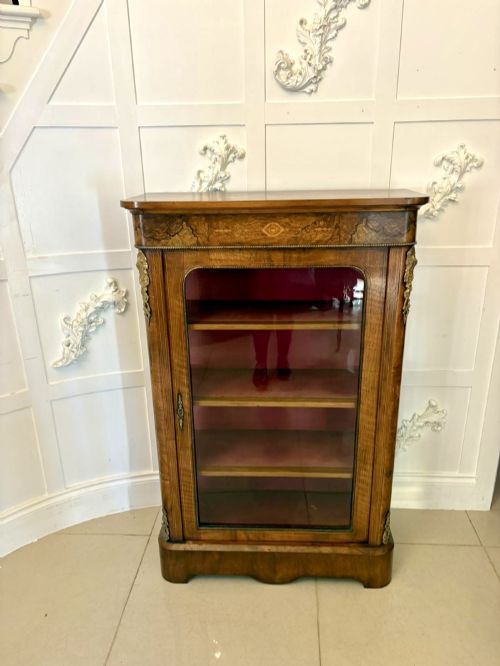
A walnut marquetry display cabinet combines figured timber surfaces with intricate floral inlay to showcase cherished objects behind glazed doors.
Walnut Marquetry Display Cabinet
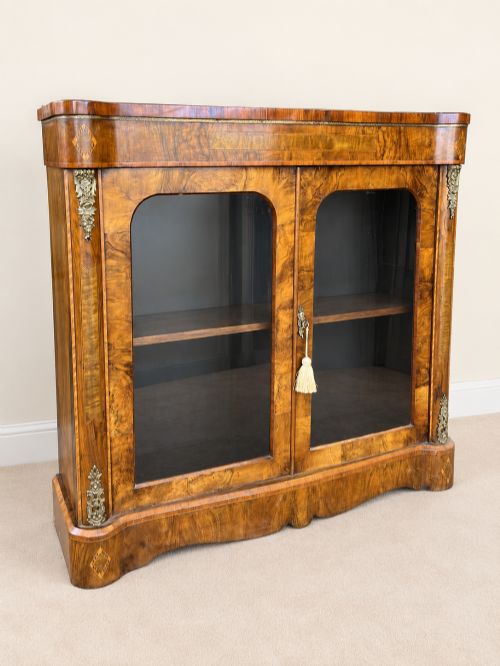
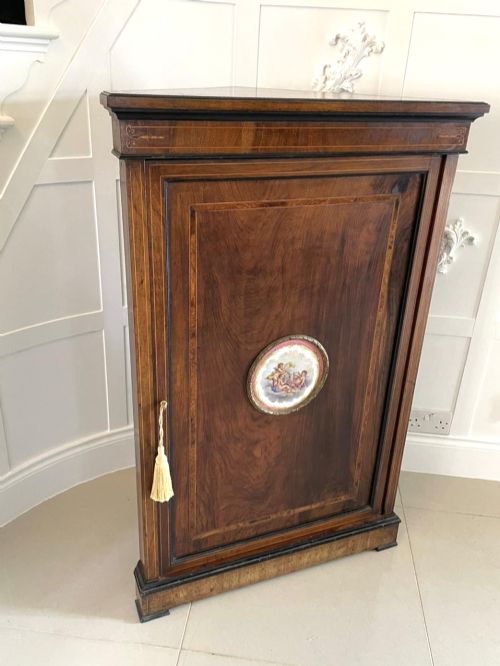
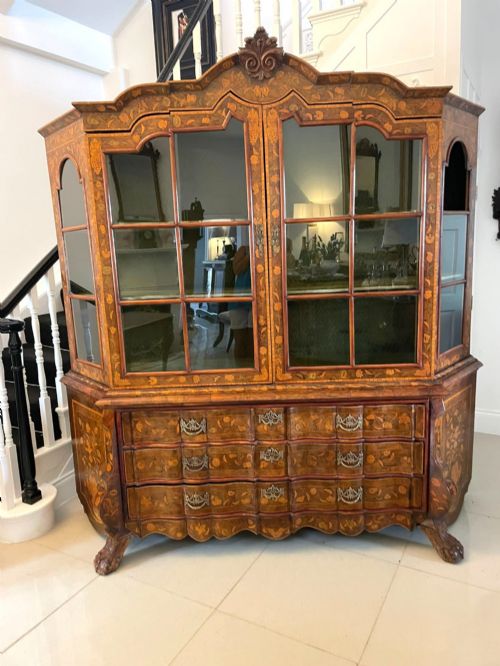
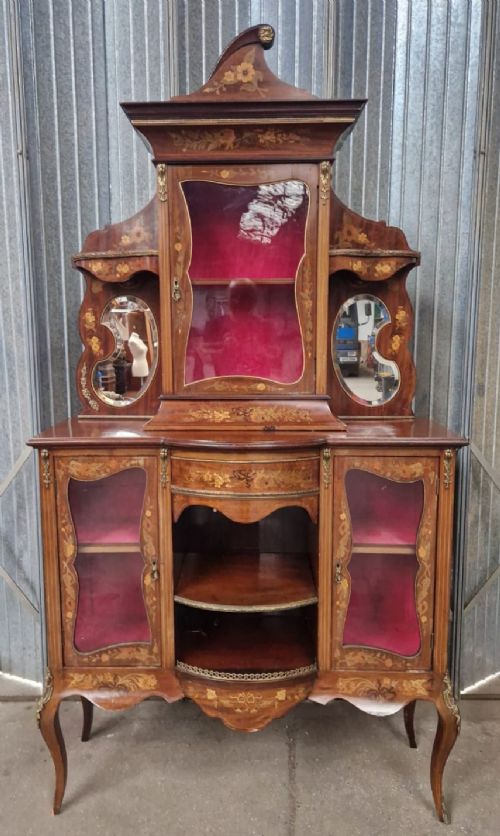
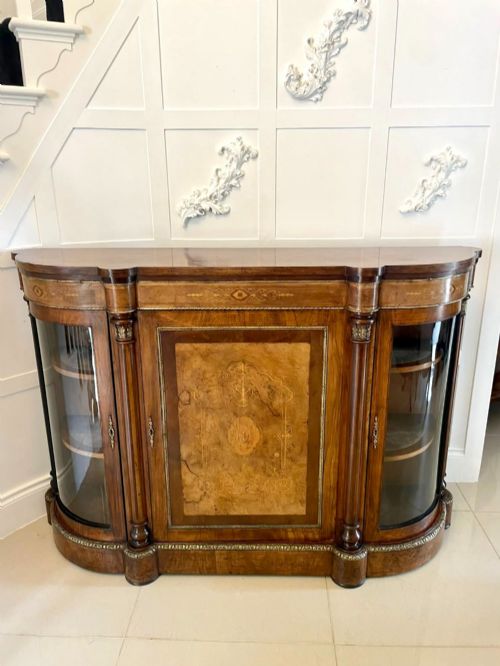
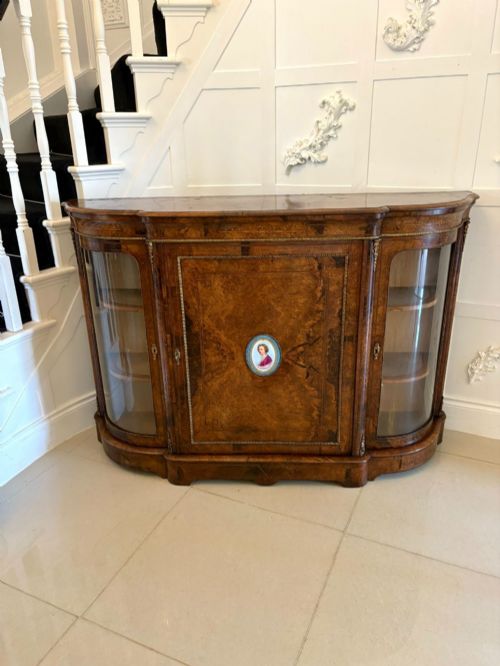
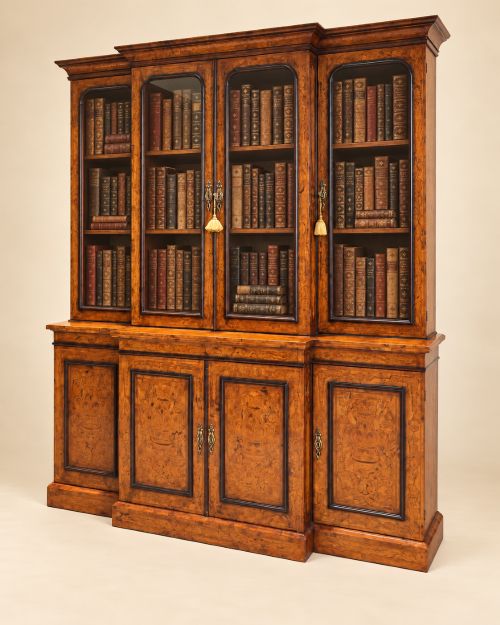
A walnut marquetry display cabinet serves to exhibit porcelain, silver and curiosities while providing enclosed storage in reception rooms. Buyers encounter two principal traditions here: the English Victorian pier cabinet or credenza, and the continental Dutch Baroque cabinet or vitrine.
Victorian examples utilise burr walnut veneers alongside elaborate floral marquetry, frequently incorporating gilt bronze or ormolu mounts. Continental pieces lean towards pictorial floral and bird motifs executed across bombé or rectilinear carcases.
How they were made
Cabinetmakers constructed the carcase using solid pine or oak foundations before applying figured walnut and burr walnut veneers to the visible exterior surfaces. Marquetry panels were created by hand-cutting delicate veneers of fruitwoods, satinwood and occasionally pewter, assembling them like puzzles before pressing them into the carcase.
Glazing relied on hand-blown sheet glass secured within timber framework, while structural enrichment came from cast ormolu mounts, brass stringing and ebonised detailing.
Some Dutch floral marquetry cabinets incorporate secret drawers hidden behind sliding pilasters for storing private papers.
What varies in quality
The sophistication of the marquetry sets the standard for these cabinets, distinguishing fluid, finely shaded pictorial work from stiffer, simpler inlay patterns. Selection of the underlying veneer matters equally, with dense, highly figured burr walnut commanding greater visual depth than plain timber.
Hardware and secondary framing reveal the original maker's ambition. Heavier, crisply chased ormolu mounts and substantial brass locks separate standard production items from workshop-marked creations.
Gillows·Lamb of Manchester·August Ungethüm·Maison Gagneau·Edwards and Roberts
The Walnut Marquetry Display Cabinet Glossary
- Marquetry
- Decorative veneer work forming pictures or patterns by assembling pieces of different coloured woods.
- Burr walnut
- Timber taken from a tree growth featuring intricate, swirling grain patterns highly prized for cabinet veneers.
- Ormolu
- Gilt bronze mounts used to adorn furniture corners, feet and friezes.
- Pier cabinet
- A narrow glass-fronted cabinet designed to stand against the wall space between windows.
- Credenza
- A low cabinet featuring central doors flanked by curved glass display sections, popular in the Victorian era.
Walnut Marquetry Display Cabinet: Frequently Asked Questions
Where should I place a pier cabinet?
Pier cabinets fit well against narrow wall sections, particularly between tall windows where floor space is limited. Their shallow depth allows them to sit comfortably in hallways and drawing rooms without obstructing movement.
Keeping them away from direct sunlight and steady heat sources protects both the walnut veneer and the delicate fruitwood inlay from fading or splitting over time.
How do I date a Dutch marquetry cabinet?
Dating relies on examining the construction methods of the carcase, the botanical style of the floral inlay, and the type of secondary woods used inside. Eighteenth-century Dutch pieces often feature bombe shaping and complex pictorial marquetry with pewter accents.
Later revival pieces produced in the nineteenth and twentieth centuries adopted similar decorative vocabulary but utilised machine-cut veneers and contemporary internal fixings.
What is burr walnut?
Burr walnut is derived from a growth or excrescence on the walnut tree where the grain grows in a deformed, swirling pattern. Cabinetmakers sliced this timber into thin veneers to create highly decorative surfaces with immense visual movement.
Because these burls were irregular in size, craftsmen pieced the veneers together symmetrically, creating book-matched patterns across cabinet doors and drawer fronts.
How do I care for antique marquetry furniture?
Maintaining these pieces involves controlling indoor humidity and temperature to prevent the delicate veneer from lifting or shrinking. Regular gentle dusting with a dry cloth keeps the surface clean without introducing moisture.
Applying microcrystalline wax occasionally helps nourish the walnut polish and preserves the subtle colour variations within the fruitwood inlay.