

Walnut Low Shelves
Walnut low shelves offer accessible open storage, bringing rich timber grain and period character to living spaces.
Walnut Low Shelves
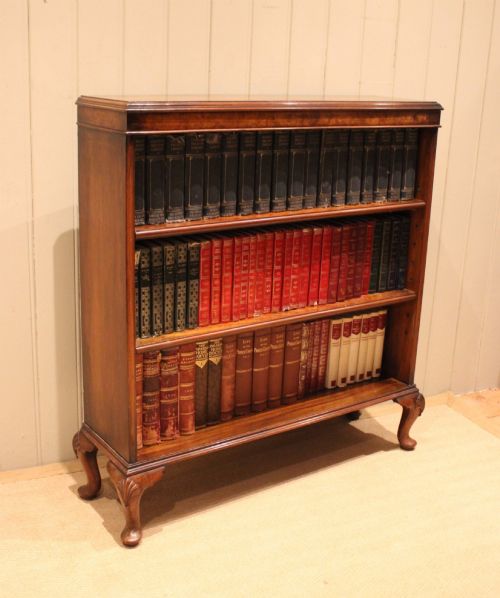
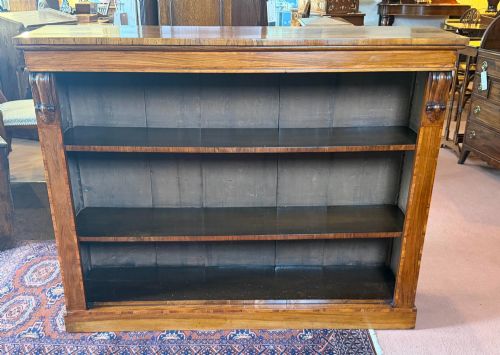
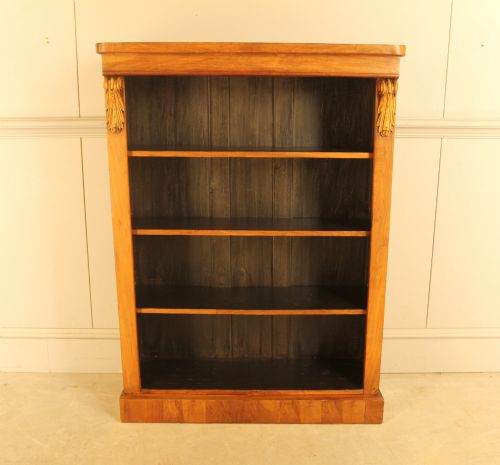
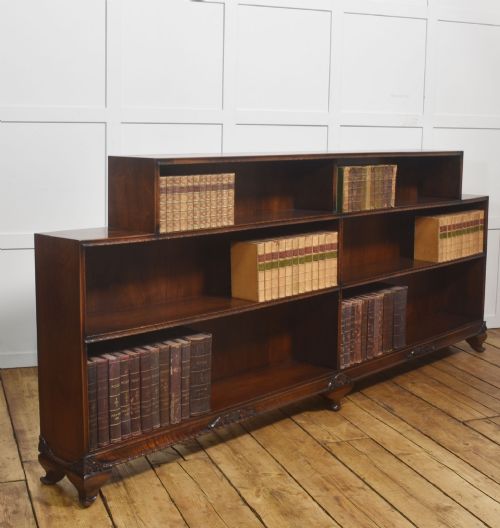
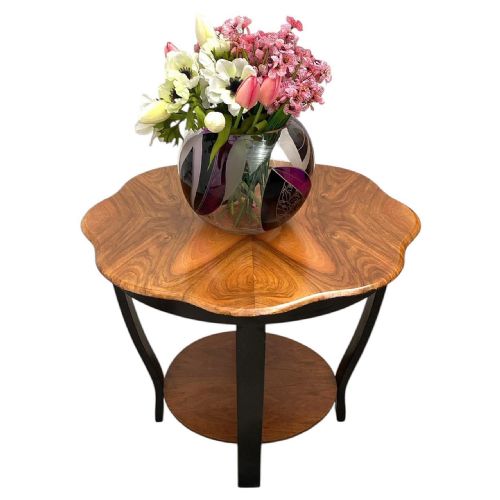
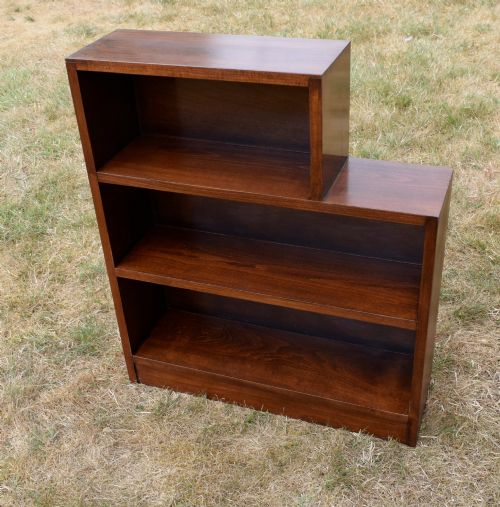
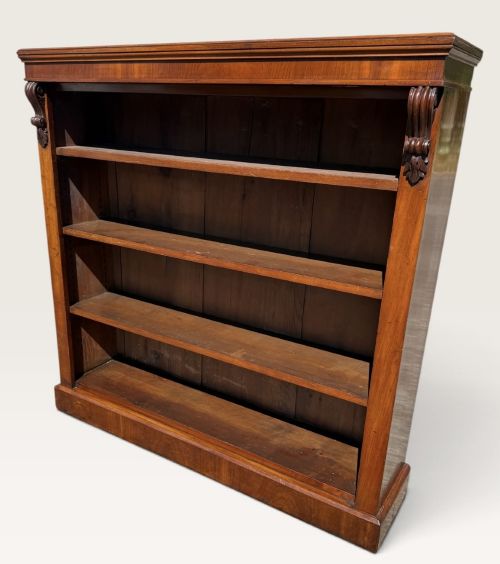
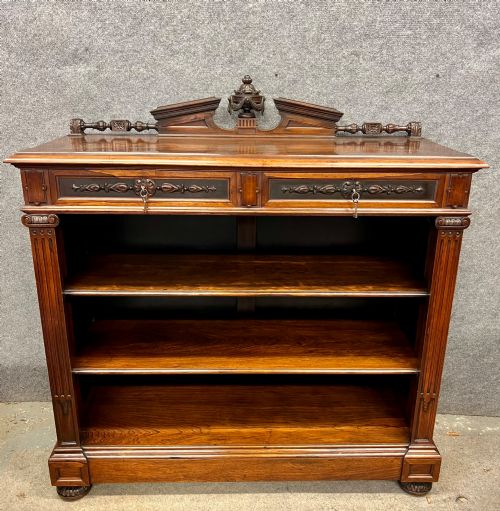
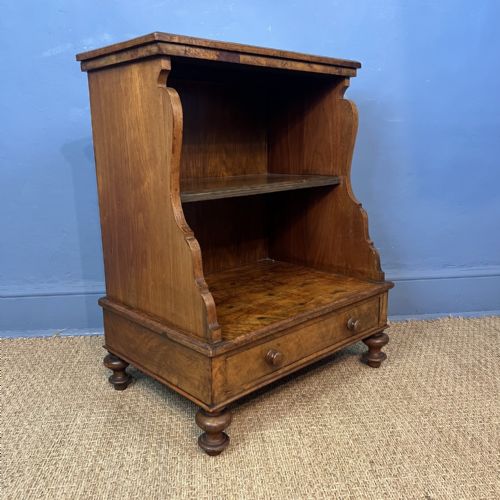
Walnut low shelves comprise open bookcases, low library units, and two tier coffee tables produced across the nineteenth and twentieth centuries. These pieces provide reachable surface areas and compartment storage while maintaining a low profile in a room.
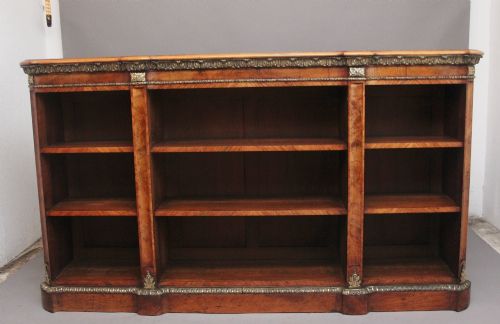
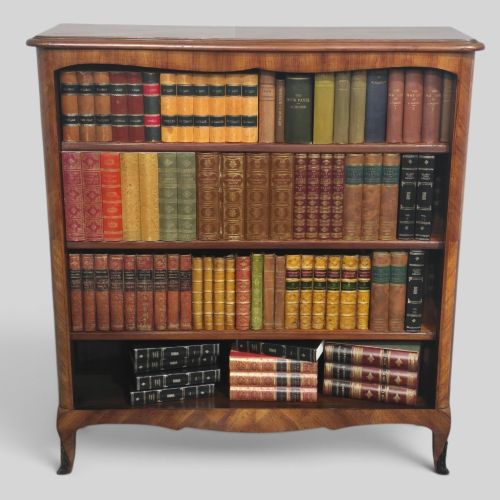
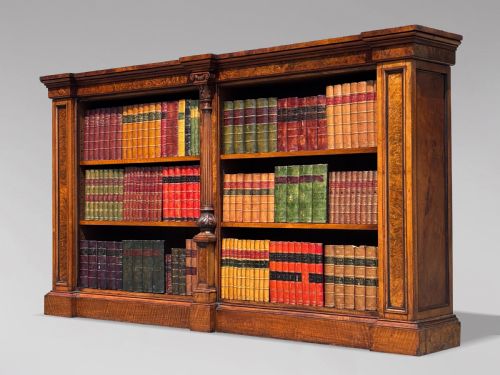
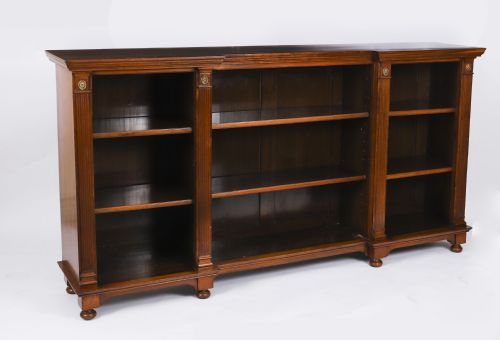
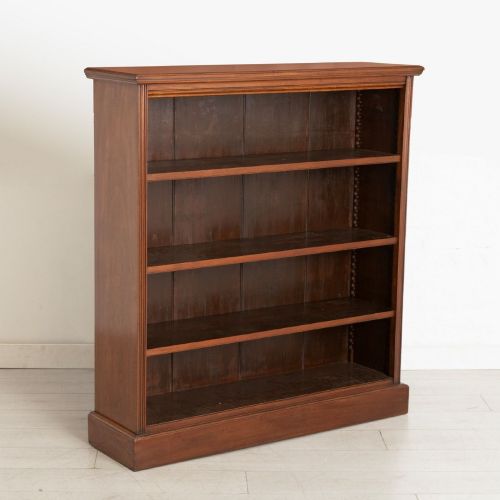
The version most commonly encountered on this page is the Victorian or nineteenth century open bookcase, frequently constructed with adjustable timber shelving. Examples span straightforward utilitarian forms to breakfront library pieces and pieces featuring burr walnut veneers.
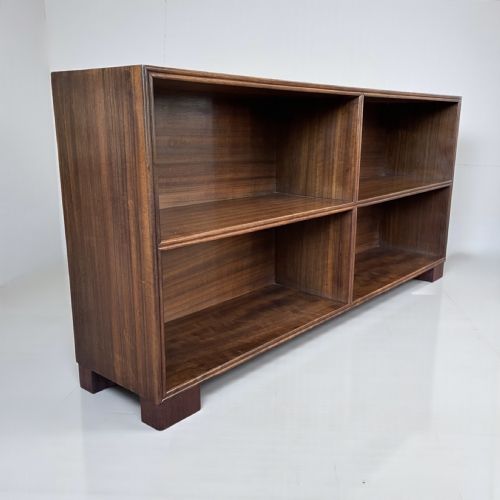
Makers and designers working in nineteenth century revival styles, Art Deco, and Edwardian traditions produced these items across England and France. Alongside bookcases, variants include side cabinets, bedside units, and rotating table models.
How they were made
Cabinet makers utilised solid timber alongside figured, burr, and plain walnut veneers applied over pine or secondary wood carcases. The distinct grain patterns derive from the choice of veneer cuts, which required skilled hand application to curved and flat surfaces alike.
Decorative embellishments include cast or gilt ormolu mounts, brass details, inlay work, and ebonised highlights applied to the structural timber. Shelving typically rests on adjustable wooden supports or metal pegs to accommodate varying book heights.
Some nineteenth century buyers could acquire revolving tabletop bookshelves that spun smoothly like an open bookcase.
What varies in quality
The standard of cabinetmaking distinguishes everyday utility items from pieces commissioned through major firms or bespoke workshops. Grain selection in burr and figured walnut veneers, alongside the precision of joint construction, determines the baseline excellence of a piece.
Refinement in secondary details such as cast ormolu mounts, inlaid banding, and the clever execution of breakfront proportions separate standard production items from finer library furniture.
Johnstone and Jeanes·Maurice Adams·Maple and Co.
The Walnut Low Shelves Glossary
- Burr walnut
- A veneer sliced from the deformed growths or burls of walnut trees, displaying complex, swirling grain patterns. This material was favoured by nineteenth century makers for high status cabinet doors and tabletops.
- Breakfront
- A piece of furniture featuring a central section that projects forward from the flanking wings. This configuration creates visual depth and architectural presence in larger bookcases.
- Ormolu
- Gilded bronze mounts applied to furniture for decorative enrichment. French and Victorian makers utilised these metal fixtures to accent corners, friezes, and plinths.
- Adjustable shelves
- Shelving resting on movable supports that allows internal vertical spacing to be altered. This functional element appears frequently in nineteenth and twentieth century library bookcases.
Walnut Low Shelves: Frequently Asked Questions
What periods do these low shelves cover?
The pieces span from the early nineteenth century through the Victorian era and Edwardian period into Art Deco designs of the 1930s.
Most items reflect nineteenth century revival styles alongside twentieth century modernist interpretations.
Are the shelves inside adjustable?
Many of the bookcases and shelving units feature adjustable shelves supported by wooden pegs or tracks.
This adaptability allows storage of various book heights and decorative objects.
What is burr walnut?
Burr walnut is a specialised wood veneer taken from tree growths that produces intricate, swirling grain patterns.
Cabinet makers used it on prominent surfaces to add texture and visual depth.
How do I identify Art Deco examples?
Art Deco pieces from the 1930s display streamlined geometric forms, figured veneers, and minimal ornamentation.
They contrast with the more ornate carved details found on Victorian and Edwardian furniture.