

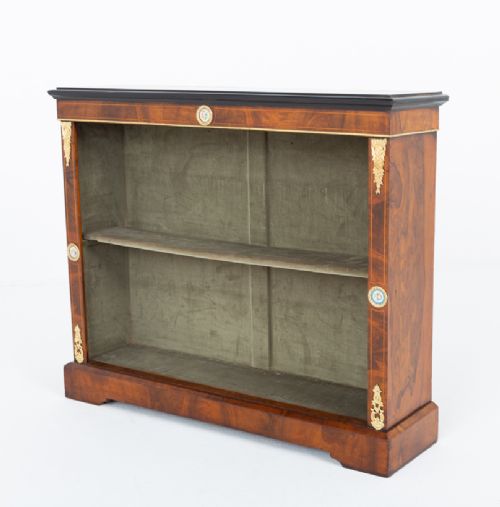
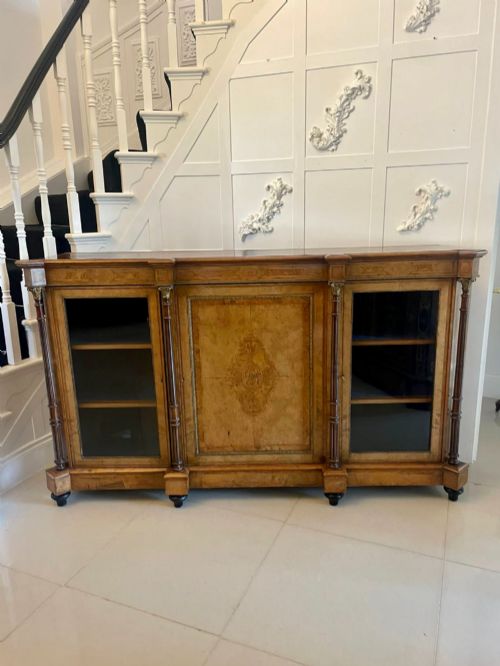
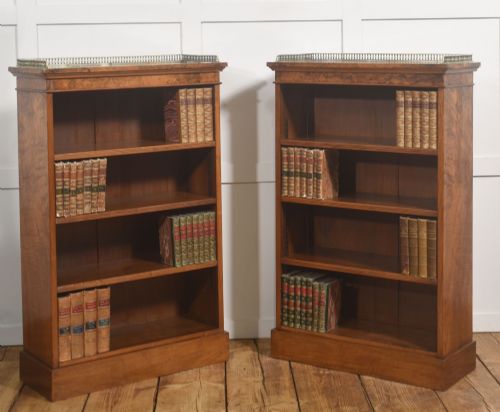
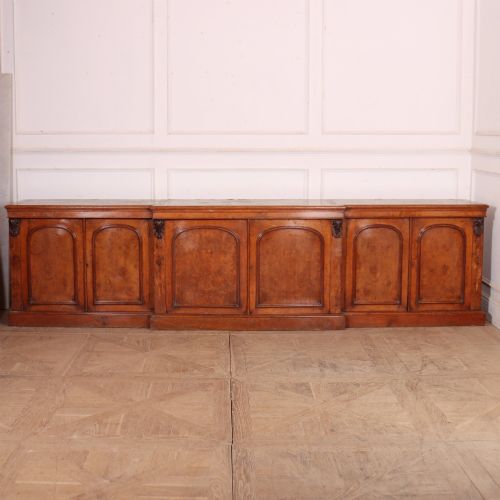
Walnut Low Cabinet
A walnut low cabinet offers subtle timber grain and practical storage, making it a versatile addition to any room.
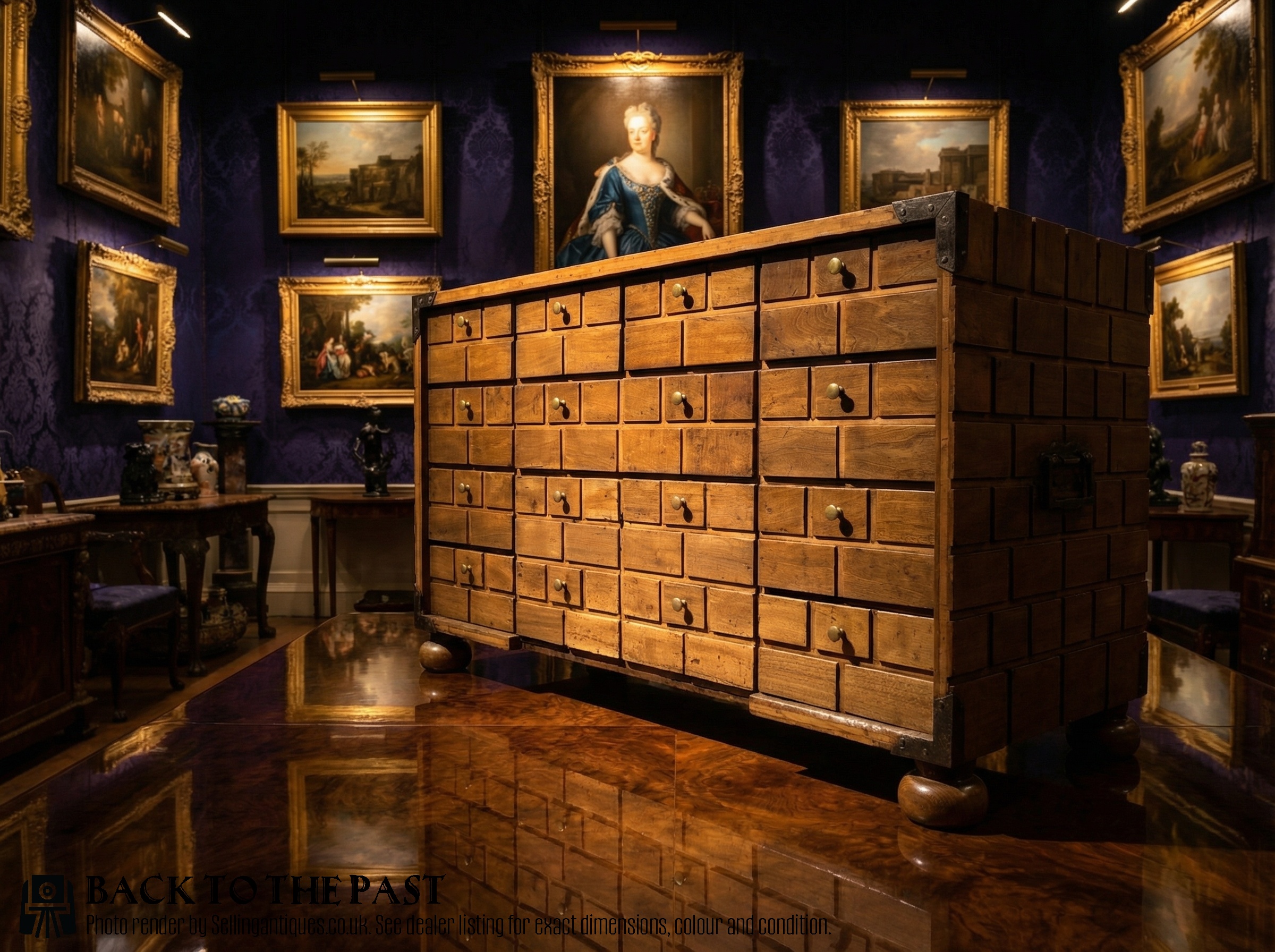
Walnut Low Cabinet
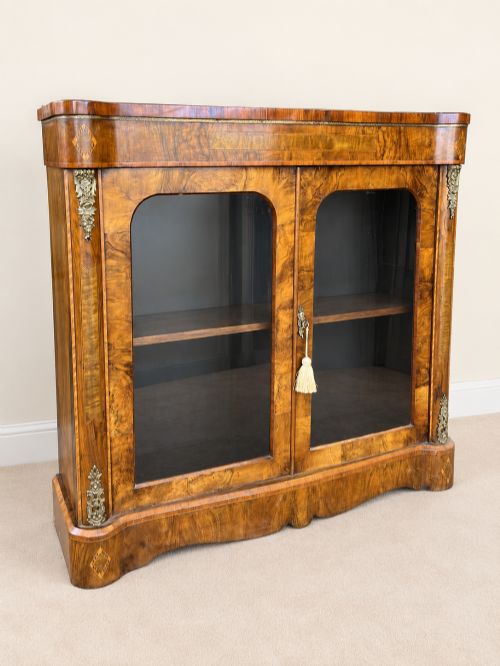
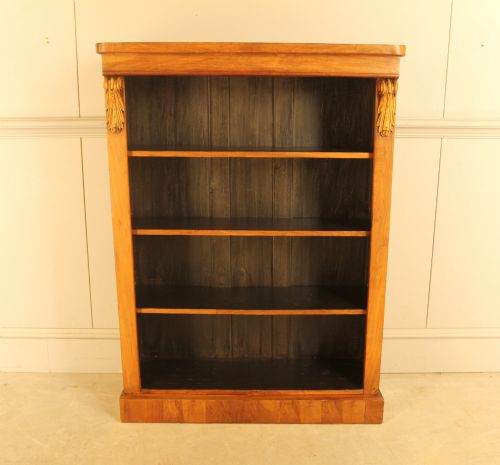
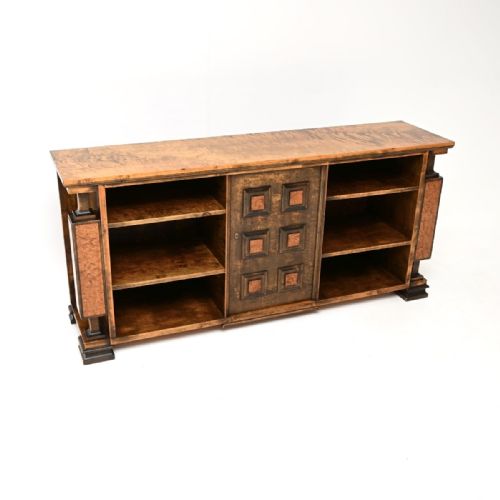
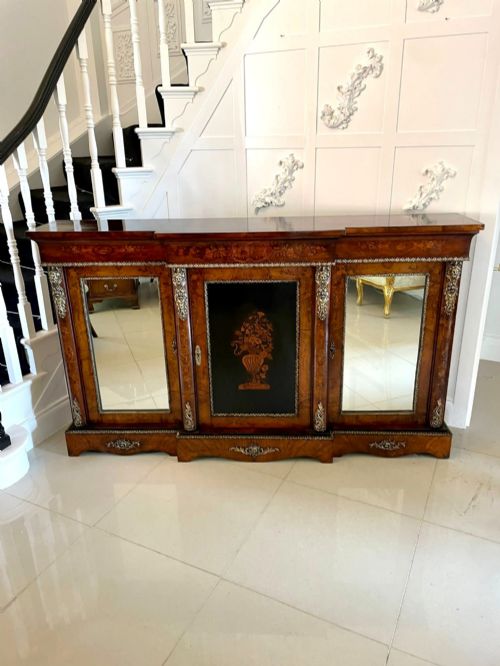
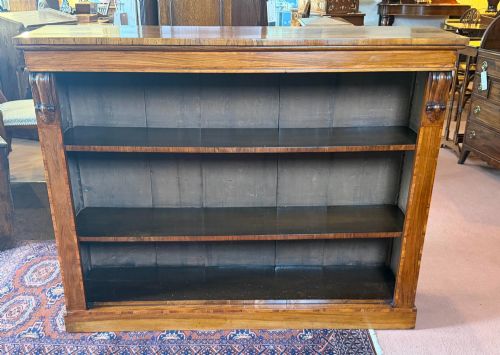
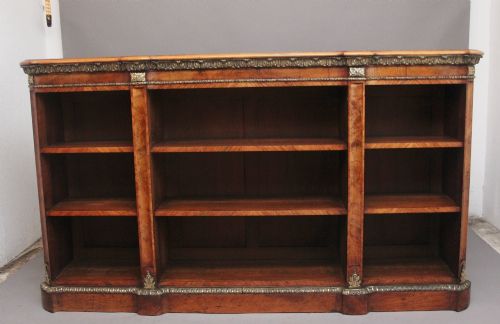
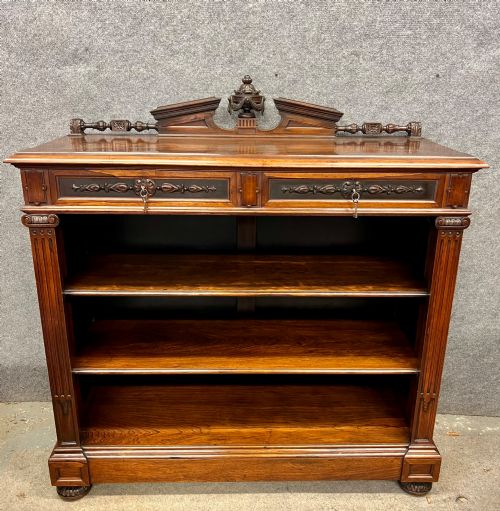
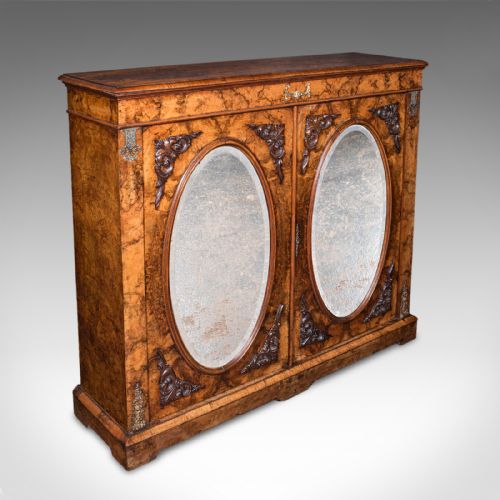
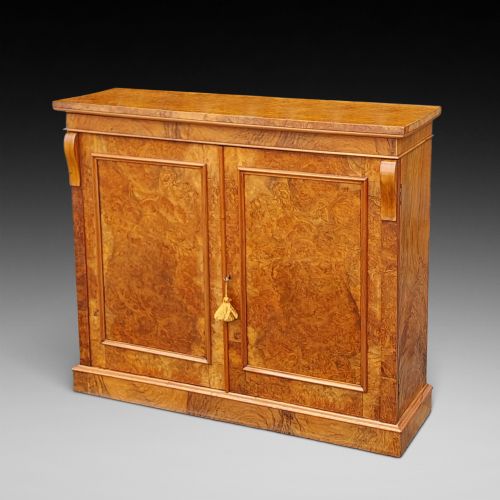
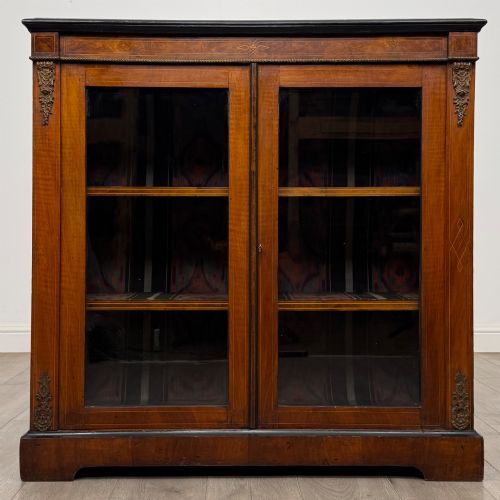
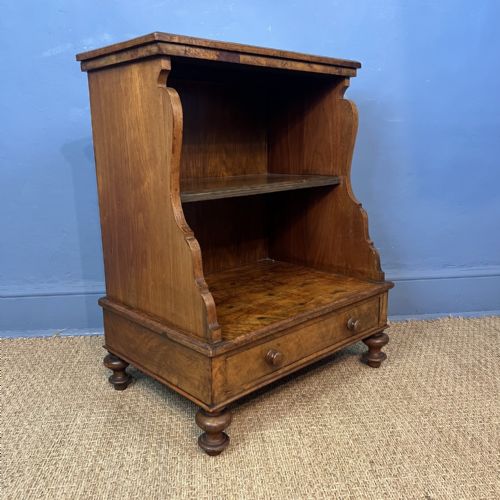
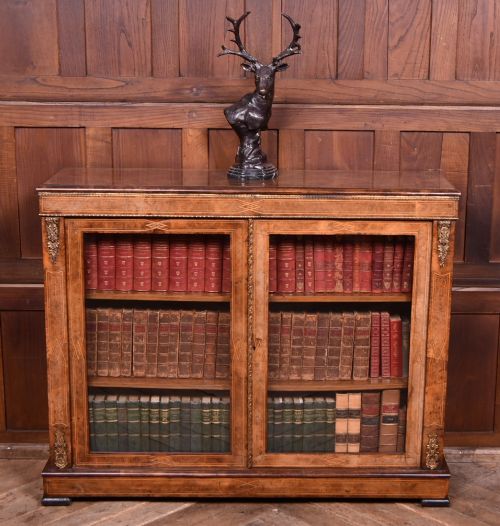
A walnut low cabinet brings together timber storage and display surfaces, appearing frequently across Victorian, Edwardian, and Art Deco periods. These pieces take the form of open bookcases, glazed display cabinets, bedside units, and side cabinets designed for domestic use.
Makers often fashioned these items with figured, burr, or straight-grained walnut veneers, sometimes incorporating glass doors or marble tops. The surviving examples span the nineteenth century through to the interwar decades, showing low profiles suited to modern and traditional interiors alike.
How they were made
Craftsmen utilised solid walnut and decorative veneers such as burr and figured walnut over secondary timbers, applying traditional joinery methods to build the frames. Ormolu mounts, brass details, boxwood stringing, and glass panels frequently supplemented the primary timber construction.
Some nineteenth-century bedside cabinets doubled as hidden nightstands with clever drop-leaf surfaces and lockable storage for midnight valuables.
What varies in quality
The standard of a walnut low cabinet depends on the choice of veneer selection and the precision of the cabinetmaker's joinery. Superior examples display carefully matched burr or figured walnut grain across the doors and facade, alongside refined secondary details like fine boxwood stringing or crisp ormolu mounts.
Construction depth also separates standard production from exceptional pieces, seen in the thickness of the backboards, the smooth action of drawers, and the integrity of internal fittings such as adjustable shelving.
Johnstone and Jeanes·Maurice Adams·Whytock and Reid·Bowman Brothers·Maple and Co·Waterlow and Sons·Waring and Gillow·Gillows·James Shoolbred and Co·Gillows of Lancaster
The Walnut Low Cabinet Glossary
- Burr walnut
- A prized wood harvested from the wart-like growths on walnut trees, yielding intricate, swirling grain patterns. Cabinetmakers routinely selected this veneer for the principal display surfaces of high-end furniture.
- Ormolu
- Gilded bronze ornamentation applied to furniture for decorative accent. This technique was favoured by nineteenth-century makers to highlight corners, mounts, and lock escutcheons.
- Marquetry
- The art of applying decorative veneer pieces to a structure to form intricate pictures or geometric designs. Artisans used contrasting woods like boxwood within the walnut field to create detailed borders.
- Breakfront
- A furniture facade where the central section projects forward from the flanking wings. This architectural layout gives depth and visual structure to larger bookcases and side cabinets.
- Pier cabinet
- A narrow display cabinet specifically proportioned to sit against the wall space between windows. Victorian makers frequently fitted these low units with glass doors and velvet linings.
Walnut Low Cabinet: Frequently Asked Questions
Where should I place a low cabinet?
These compact units fit comfortably beneath windows, along hallway walls, or serving as bedside surfaces. Their reduced height ensures they do not overwhelm smaller rooms while providing accessible top display space.
Positioning them away from direct heat sources protects the walnut timber and delicate veneer work from drying out over time.
How do I identify the period of a cabinet?
Examine the construction methods, handles, and secondary woods visible inside the carcass. Victorian pieces often feature heavy burr walnut and marquetry, while Edwardian and Art Deco examples adopt simpler lines or satin birch pairings.
Maker stamps or plaques located inside drawers provide definitive clues to the workshop of origin.
Can these cabinets hold heavy books?
Many surviving examples include adjustable wooden shelving designed for libraries and morning rooms. Checking the thickness of the shelves and the strength of their supports ensures they handle heavier volumes safely.
Open bookcases and glazed library cabinets generally offer sturdier internal framing than delicate bedside or salon variants.
How do I care for walnut veneer?
Maintain the timber by dusting gently with a dry cloth and avoiding silicone-based polishes. Applying occasional specialist wax preserves the moisture and sheen of the antique finish.
Keeping the furniture out of direct sunlight prevents the rich walnut tones from fading unevenly.