
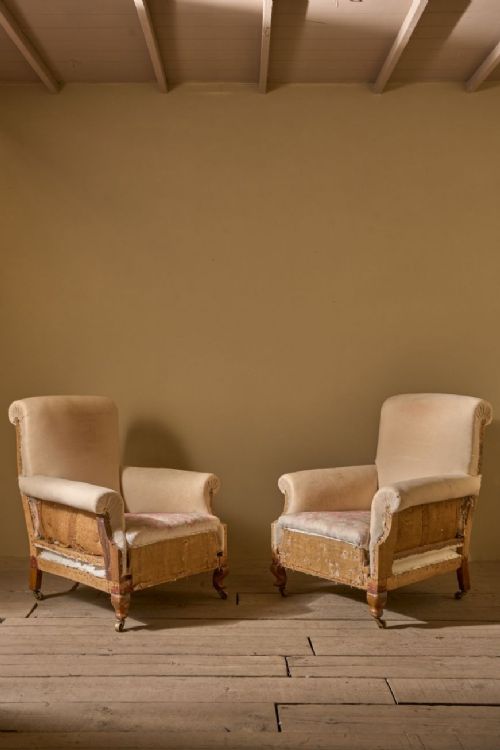
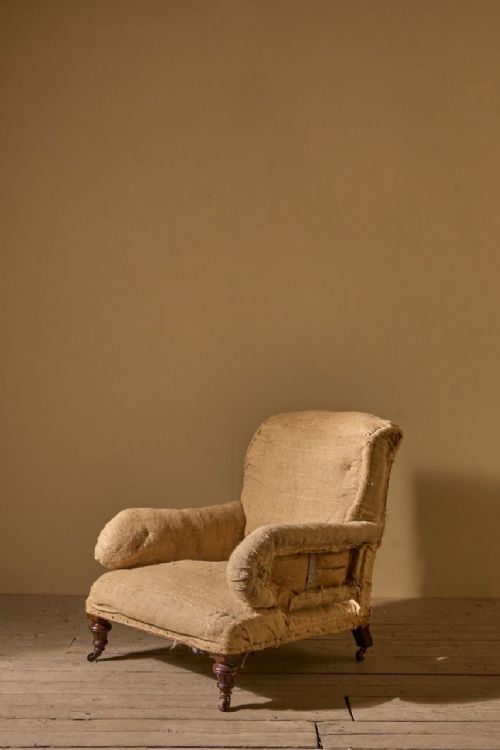
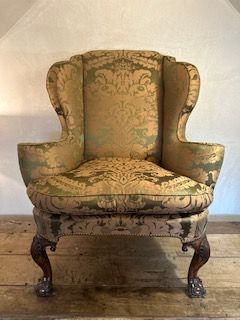
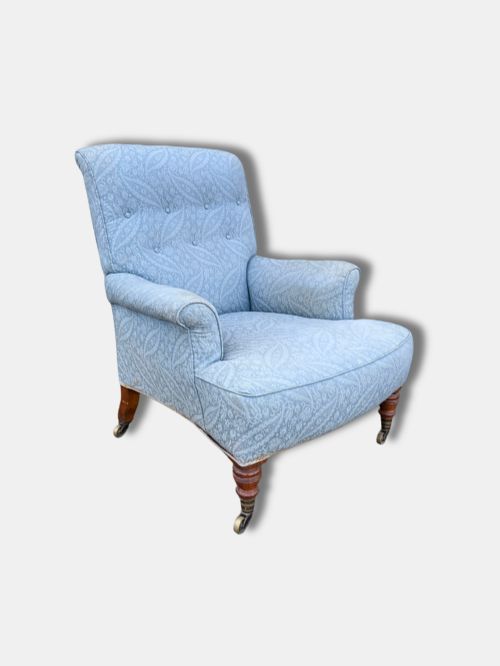

Walnut Leg Easy Chair
These walnut leg easy chair examples bring deep comfort and period character to a room, spanning styles from Queen Anne revival to Victorian country house designs.
Walnut Leg Easy Chair
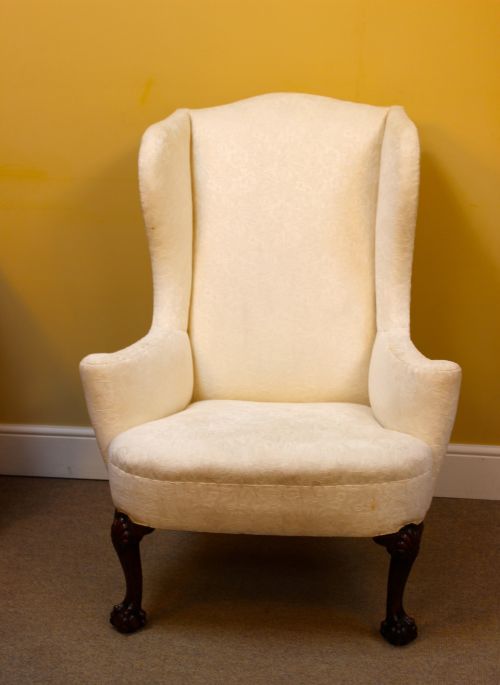
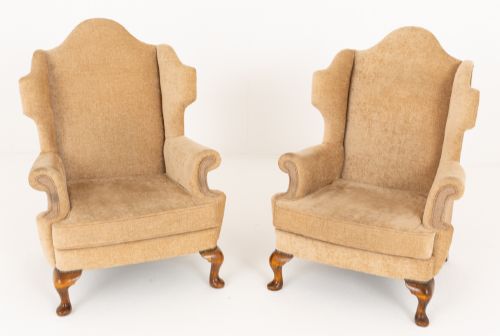
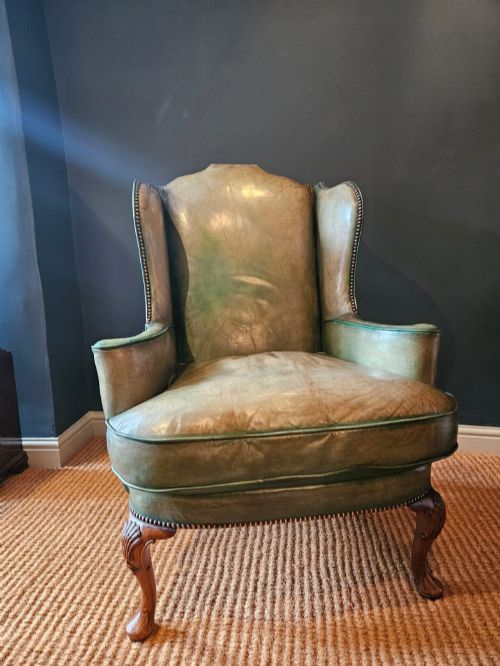
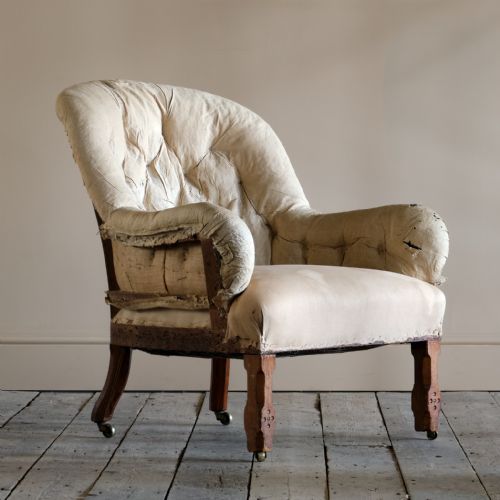
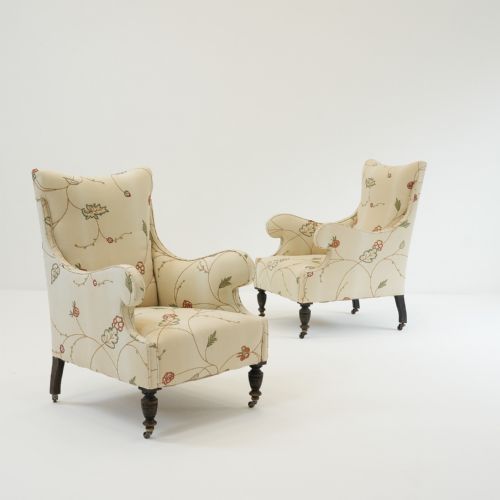
A walnut leg easy chair covers a range of upholstered seating forms, predominantly wing armchairs and deep-seated country house armchairs from the eighteenth century to the early twentieth century. You will encounter Georgian and Queen Anne revival models alongside Victorian and Edwardian iterations.
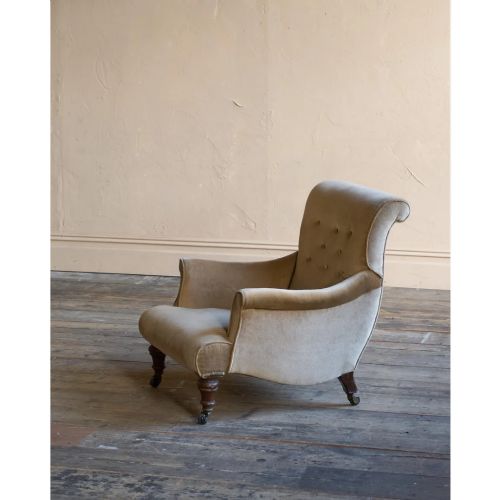
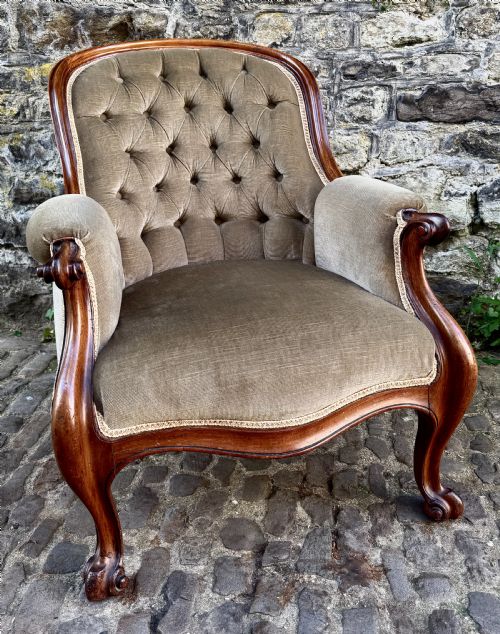
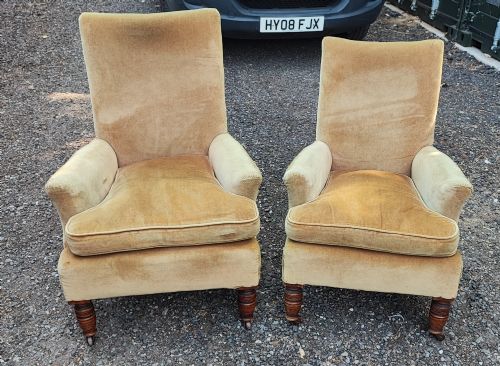
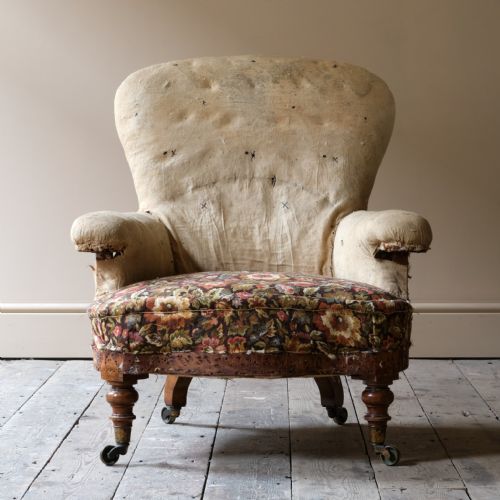
The selections on this page feature exposed timber legs in walnut, often paired with extensive upholstery in velvet, linen, calico, or ticking. Winged backs and scroll arms dominate the heavier forms, while open-armed variants offer lighter proportions.
Materials and construction
Makers utilised solid walnut for the visible framework, shaping cabriole legs and scroll details by hand before finishing the wood with traditional polishes. Internal frames relied on sturdy secondary timbers to bear the load of deep springing and stuffing.
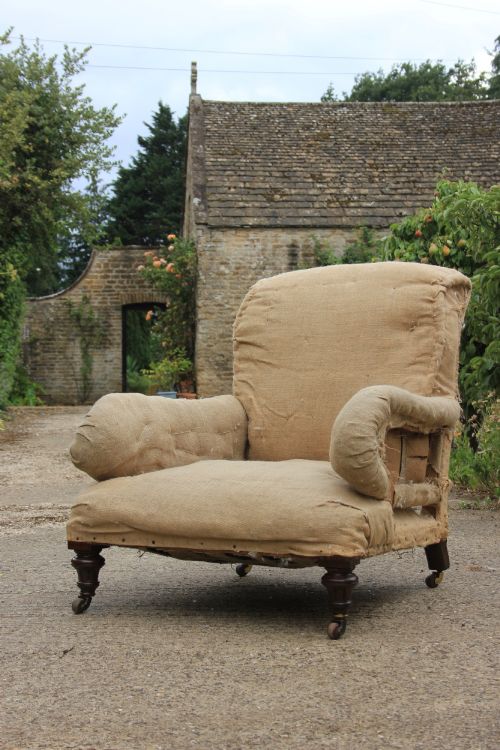
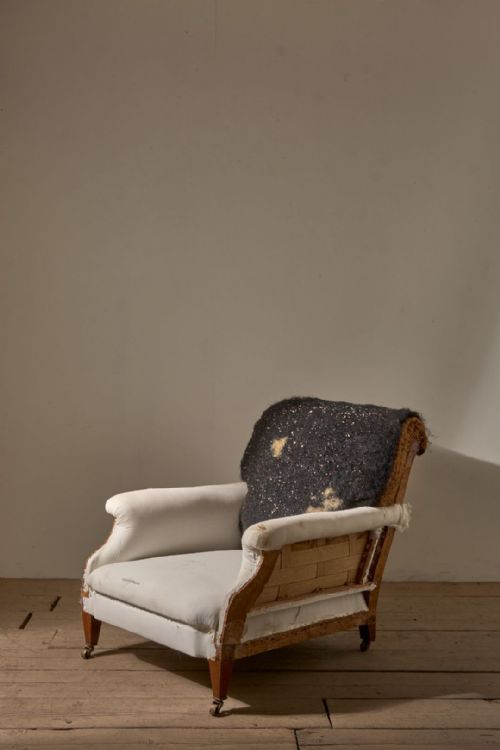
Upholstery techniques involved layers of hessian, animal hair, and stuffing secured with webbing, then finished in textiles such as crewelwork, leather, or branded ticking. Brass castors frequently fitted to the base of the legs aided movement across heavy carpets.
Listings feature walnut frames paired with textiles including velvet, linen, calico, hessian, and branded ticking.
Evaluating craftsmanship and condition
Quality rests in the integrity of the walnut frame and the grace of the leg carving, particularly on cabriole or scroll supports where proportion dictates balance. Crisp execution of revival styles denotes skilled cabinet work.
The standard of upholstery and the preservation of original internal stuffing material distinguish finer pieces, as does the retention of maker markings on castors or legs.
Howard and Sons·SF Cullen·Gillows
The Walnut Leg Easy Chair Glossary
- Cabriole leg
- A furniture leg that curves out and then narrows inward, frequently terminating in a pad or ball and claw foot. This form appeared widely on eighteenth-century seating.
- Wingback
- An armchair featuring side panels attached to the arms and back to shield the sitter from draughts. These panels are padded and upholstered to match the seat.
- Ticking
- A tightly woven cotton or linen fabric traditionally used as a durable cover for mattress and upholstery stuffing. It appears on numerous nineteenth-century workshop pieces.
- Scroll back
- A chair back featuring an outward curving scroll top rail or arm terminal. This profile defines many country house seating designs.
Walnut Leg Easy Chair: Frequently Asked Questions
How do I identify a Howard and Sons chair?
Look for stamped maker details on the castors, serial numbers on the back legs, and signature ticking under the loose cushions.
These workshop details confirm the origin and distinguish branded pieces from later revival models.
What is a country house armchair?
A country house armchair is a deep-seated, heavily upholstered chair designed for comfort in large drawing rooms or libraries.
These pieces often feature walnut legs and generous proportions suited to relaxed sitting.
Are walnut leg chairs eighteenth century?
Original pieces date from the eighteenth century onwards, though many examples on this page reflect Queen Anne and Georgian revivals from the Victorian and Edwardian eras.
Examining the secondary timbers and construction methods helps clarify the true age of the frame.
How should I care for antique upholstery?
Protect the fabric from direct sunlight to prevent fading and vacuum the textile gently using a soft brush attachment.
Keep the walnut woodwork nourished with appropriate wax to maintain the finish without harming the surrounding cloth.