

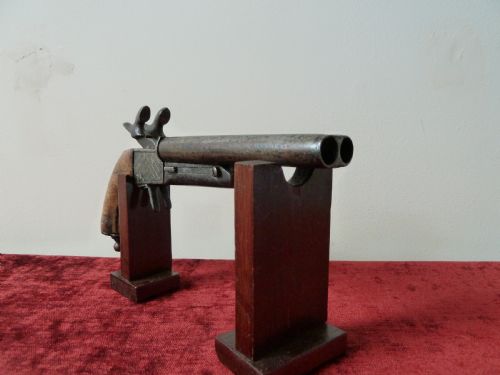


Walnut Grip Handgun
These walnut grip handgun examples combine steel and timber in functional designs from the eighteenth and nineteenth centuries.
Walnut Grip Handgun
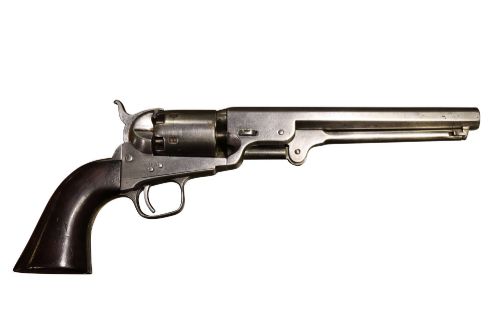
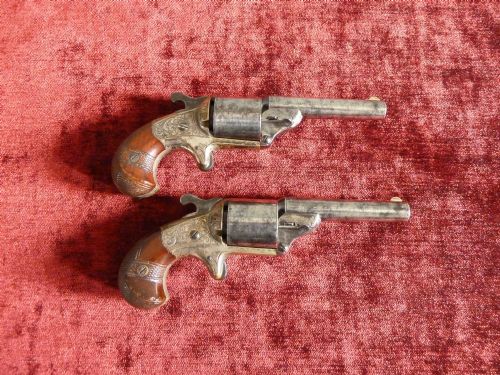
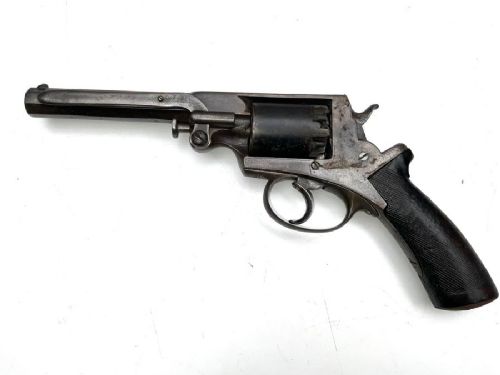
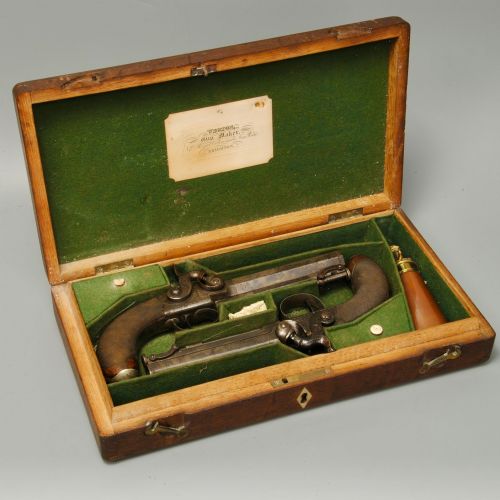
A walnut grip handgun encompasses antique firearms, militaria, and weaponry spanning the eighteenth and nineteenth centuries. Buyers encounter flintlock, percussion, and rimfire mechanisms housed in pocket, holster, and duelling formats.
The nineteenth-century examples dominate the selection, particularly revolving pistols and military issues from British and American makers. These firearms range from single-shot pocket protectors to cased percussion revolvers complete with accessories.
What varies in quality
The refinement of the metal engraving and the precision of the wood fitting distinguish higher grade pieces from standard military issues. Maker signatures, matched serial numbers, and original casing add considerable distinction.
The preservation of the timber grain and the crispness of action mechanisms dictate the standing of individual examples within the broader market.
Gamblers carried small defenders in waistcoats, trusting timber grips when card games turned sour.
Deane, Adams & Deane·Auguste Francotte·R. Willoughby·Barber of Newark
The Walnut Grip Handgun Glossary
- Flintlock
- An ignition mechanism utilising a flint struck against a steel frizzen to create sparks for the gunpowder. This system predates percussion caps.
- Percussion
- A firearm ignition system using a small percussion cap struck by the hammer to ignite the main powder charge. It superseded the flintlock in the nineteenth century.
- Rimfire
- A metallic cartridge type where the priming compound is located within the hollow rim of the base. This design emerged during the mid-nineteenth century.
- Cartouche
- A carved or engraved panel on a firearm stock, often bearing maker details or ownership ciphers. These are typically found on military or high-grade civilian pieces.
Walnut Grip Handgun: Frequently Asked Questions
How do I clean a walnut grip handgun?
Maintenance requires light cleaning oils for the steel components and neutral wax for the timber stock. Preservation depends on keeping moisture away from both metal and wood.
Harsh abrasives damage both original finishes and maker marks, so gentle wiping suffices for routine care.
Were these pistols used in combat?
Many nineteenth-century military issues and officers' pistols saw active service during conflicts such as the American Civil War. Standard martial models bear inspection marks indicating government acceptance.
Civilian pocket pistols and gamblers' defenders served primarily for personal protection rather than military campaigns.
What is the difference between flintlock and percussion?
Flintlock pieces rely on a piece of flint striking steel to generate sparks that ignite the powder charge. This technology dates mainly to the eighteenth century and earlier.
Percussion systems utilise an enclosed cap struck directly by the hammer, providing greater reliability in damp weather during the nineteenth century.
How do I identify the date of my pistol?
Dating relies on maker signatures, patent dates, serial numbers, and stylistic changes in barrel shape and lock geometry. Birmingham and London proof marks also offer chronological clues.
Reference volumes cataloguing known makers and military contracts help narrow the manufacturing window.