

Walnut Dining Furniture
Walnut dining furniture brings rich grain and warmth to the room, spanning formal Victorian sets, 18th century tables and sleek Art Deco suites.
Walnut Dining Furniture
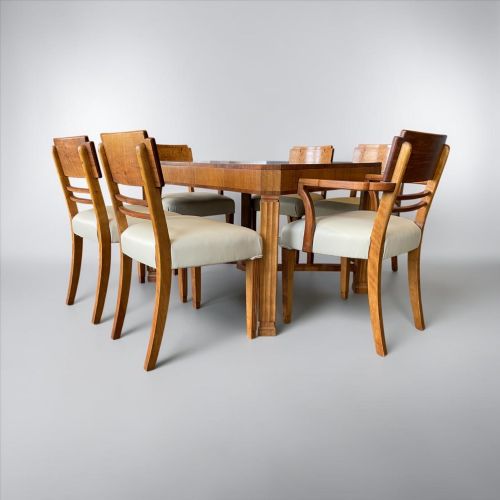
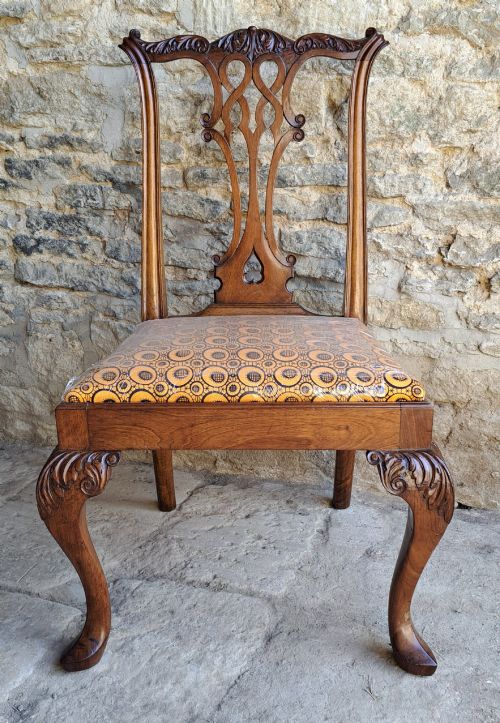
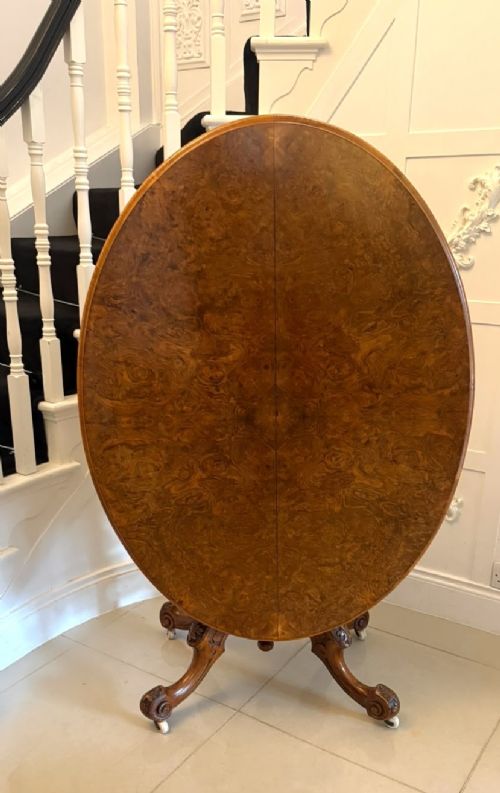
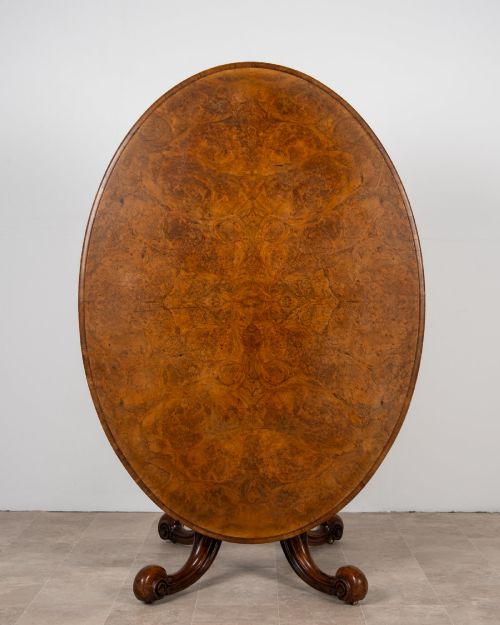
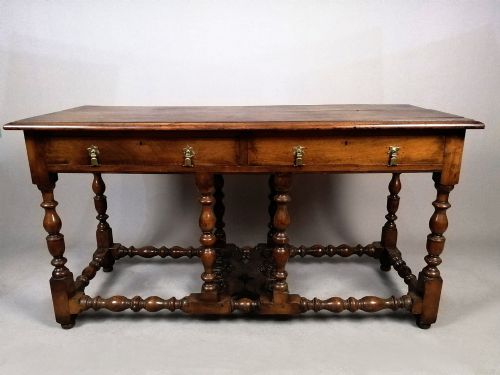
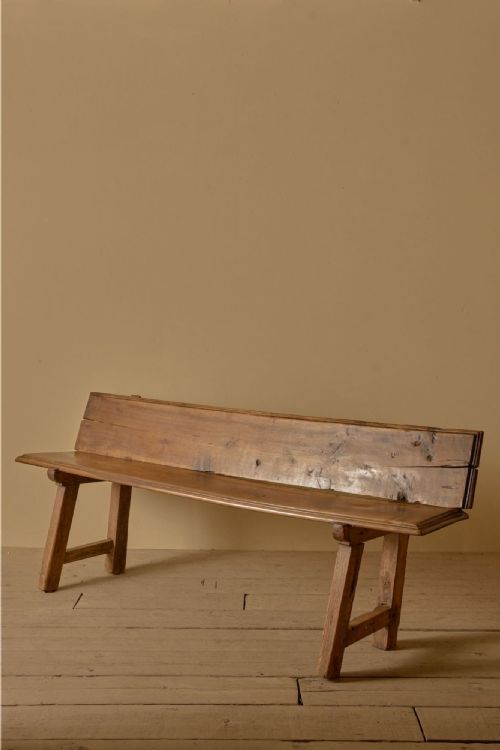
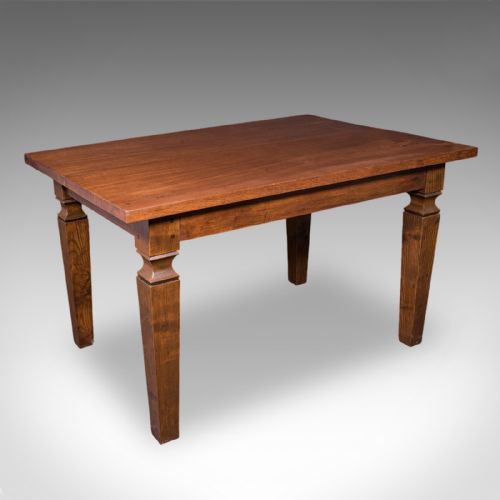
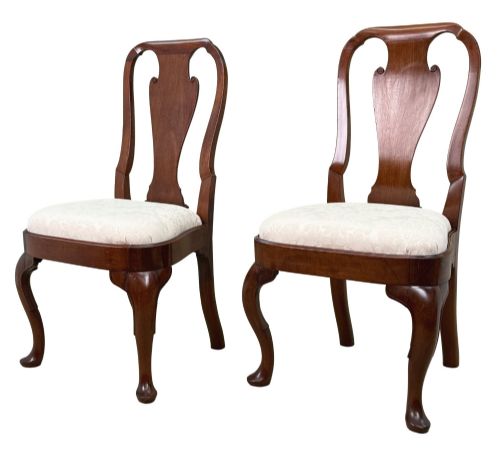
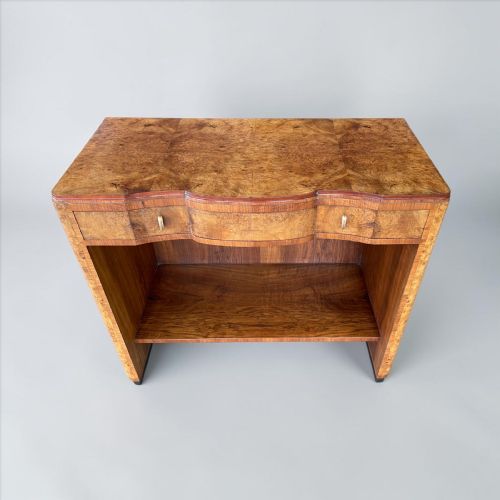
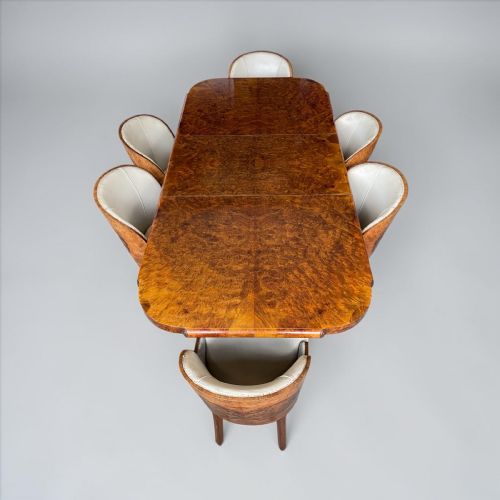
Walnut dining furniture encompasses tables, sideboards, chairs and benches designed for meals and entertaining, shaped by centuries of changing domestic habits. When you search for walnut dining furniture, you encounter pieces ranging from early 18th century gateleg tables and Queen Anne chairs to grand Victorian tilt-top centre tables and 1930s Art Deco dining suites.
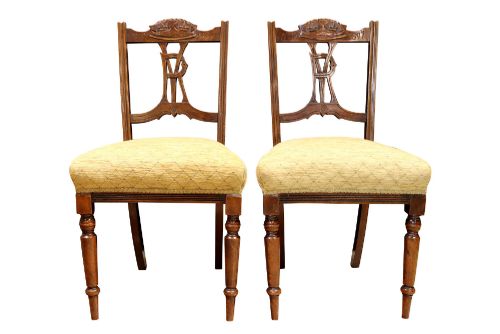
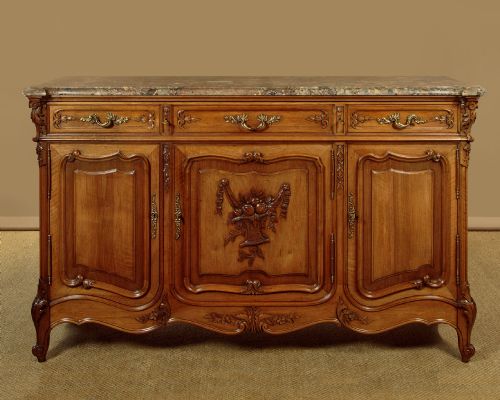
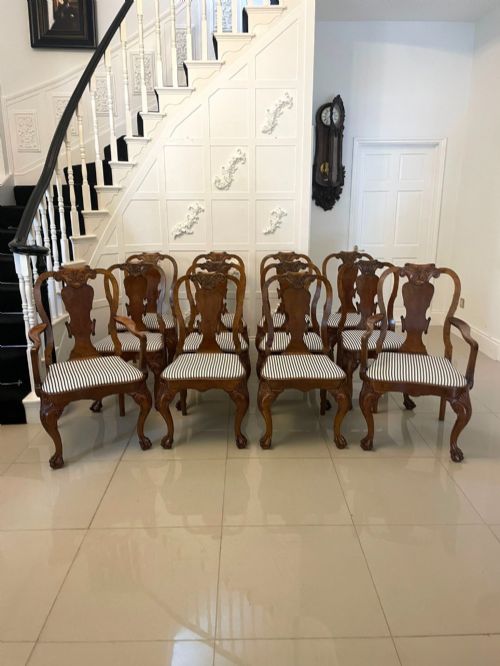
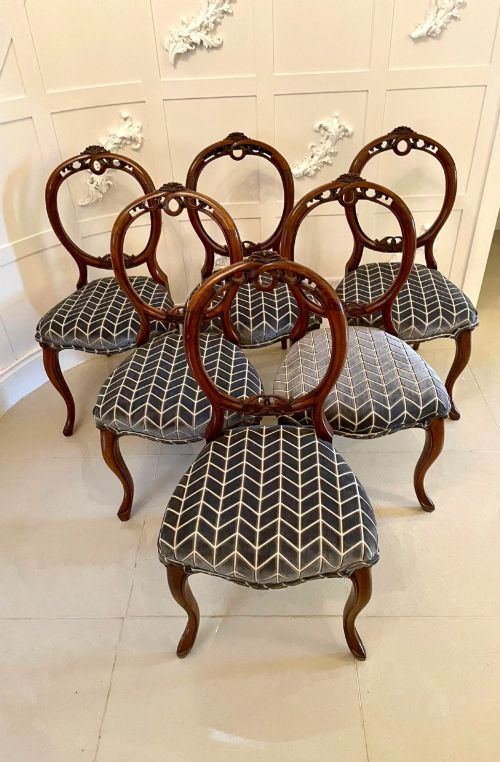
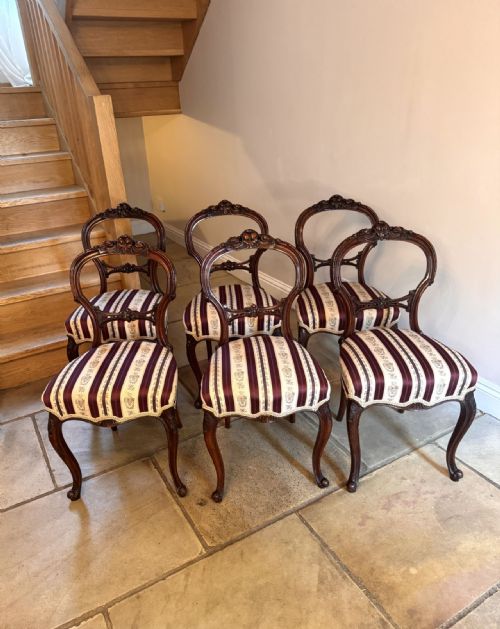
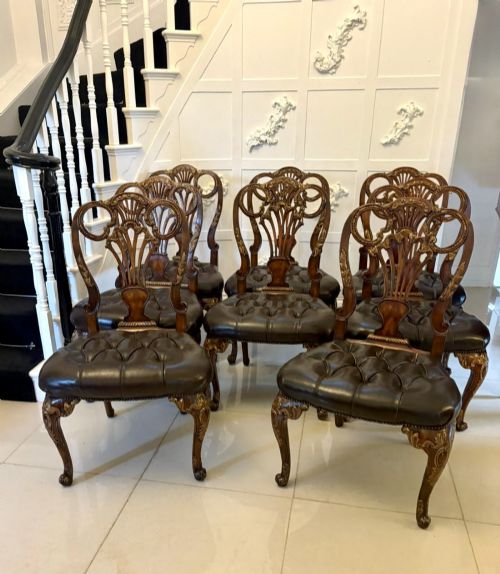
The selection on this page relies heavily on Victorian and Edwardian examples, alongside 18th century survivals and 1930s modernism. You will find complete dining sets, expansive sideboards, and individual side or balloon back chairs that demonstrate the enduring appeal of the timber across multiple eras of design.
How They Were Made
Cabinetmakers utilised solid walnut and decorative veneers like burr walnut, applying them over secondary timbers to create striking patterned surfaces on tabletops and sideboard doors. Frames and legs often featured hand carving, turning, or marquetry inlay.
Seating combined timber frameworks with upholstery in leather, velvet or fabric, frequently incorporating brass details or caning to complement the rich brown tones of the wood.
Walnut Dining Furniture Retail Price Guide 2026
Typical asking prices for walnut dining furniture among the pieces listed under this phrase on Sellingantiques today, from the lower quarter to the upper quarter. They describe what is for sale here now, not the wider market.
Listings feature walnut dining furniture spanning the 18th century, the Victorian era, and 1930s Art Deco.
What Varies in Quality
Quality rests in the selection of the timber grain, the crispness of the hand carving, and the integrity of the original construction. Matched sets with uniform colour and consistent wear command greater interest than assembled groups.
Subtleties in veneer matching, the depth of the patina built up over generations, and the structural stability of joints distinguish standard domestic pieces from exceptional studio or cabinetmaker productions.
Maurice Adams·Harry and Lou Epstein·Blyth & Sons
The Walnut Dining Furniture Glossary
- Burr walnut
- A figured wood grain obtained from the wart-like growths on walnut trees, prized for its swirling, intricate patterns on tabletops and cabinet fronts.
- Tilt-top table
- A table featuring a mechanism that allows the top to pivot to a vertical position when not in use, saving floor space in smaller rooms.
- Gateleg table
- A table with hinged leaves supported by swing-out legs, allowing the surface area to expand or contract according to need.
- Marquetry
- Decorative patterns formed by fitting together thin pieces of wood veneer and other materials onto a structural surface.
- Balloon back chair
- A chair style with a rounded, oval backrest resembling a blown-up balloon, popular during the Victorian period.
Walnut Dining Furniture: Frequently Asked Questions
How do I care for walnut furniture?
Keep wooden surfaces away from direct sunlight and heat sources to prevent the timber and veneer from drying out or splitting.
Dust regularly with a soft dry cloth and avoid harsh chemical polishes that can damage the antique finish.
Can I mix different periods of walnut furniture?
Combining pieces from different eras works well if the wood tones and scale complement one another in the room.
An 18th century gateleg table pairs comfortably with later chairs when the grain and colour share a similar warmth.
What is the difference between solid walnut and veneer?
Solid walnut means the entire structural component consists of the timber itself, offering uniform material depth throughout.
Veneer involves applying a thin, highly figured layer of walnut over a stable secondary wood to display decorative grain patterns.
How do I identify a Victorian walnut table?
Victorian walnut tables often feature rich burr veneers, turned pedestals, or tilt-top mechanisms designed for domestic drawing rooms and dining spaces.
Construction methods, timber weight, and period-typical carving styles help distinguish these 19th century examples from earlier or later pieces.