

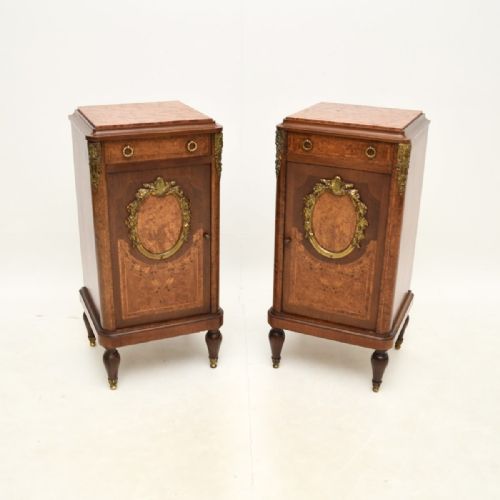
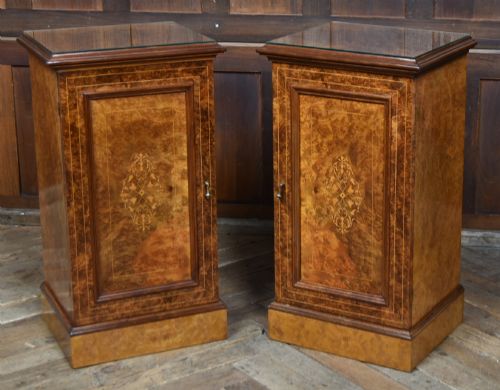
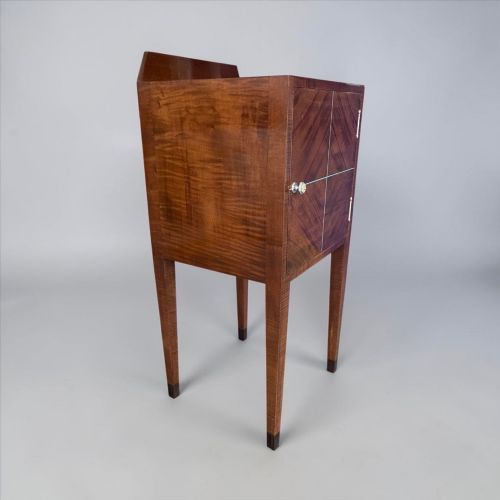
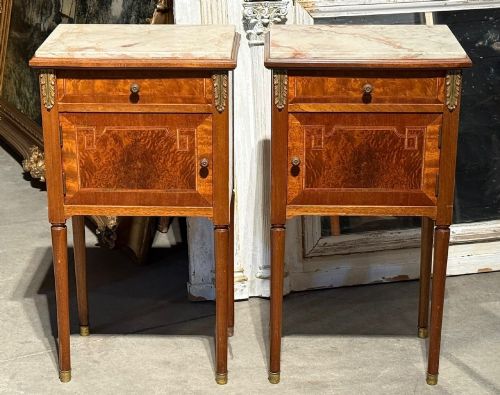
Walnut Cupboard Table
These walnut cupboard table pieces unite compact storage with timber warmth, making them essential for a practical bedroom or study.
Walnut Cupboard Table
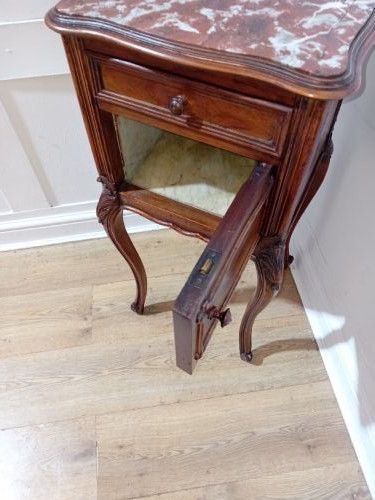
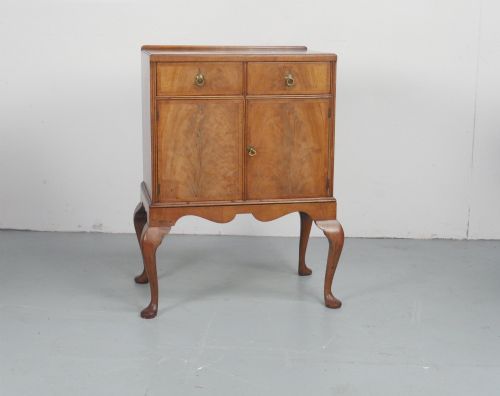
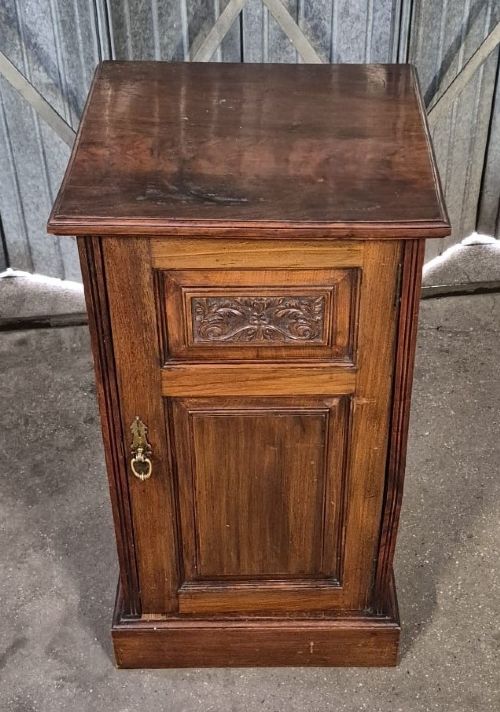
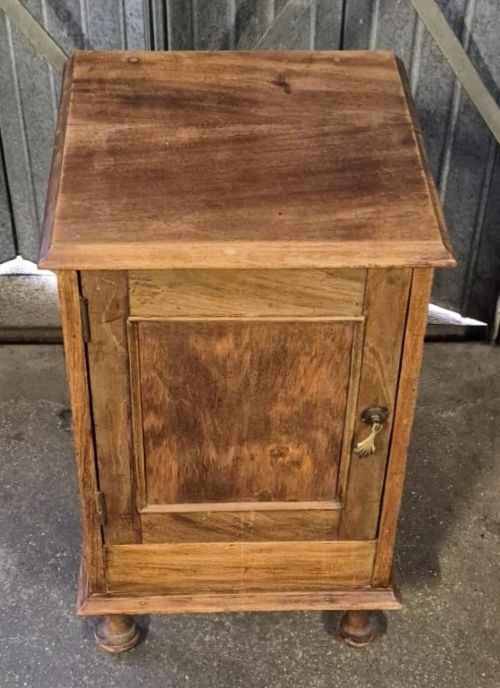
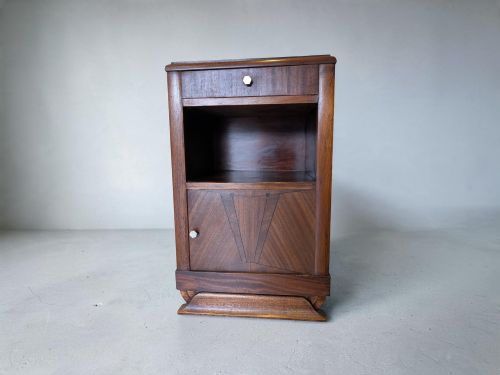
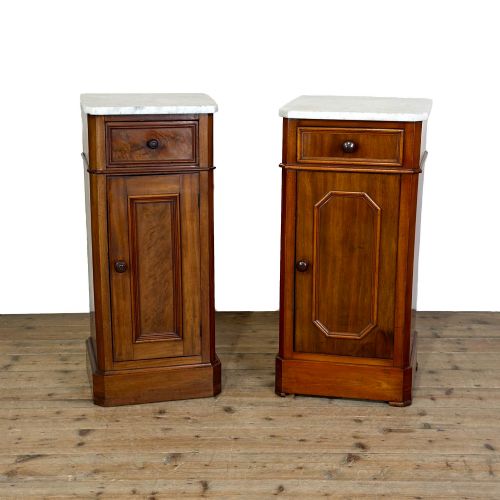
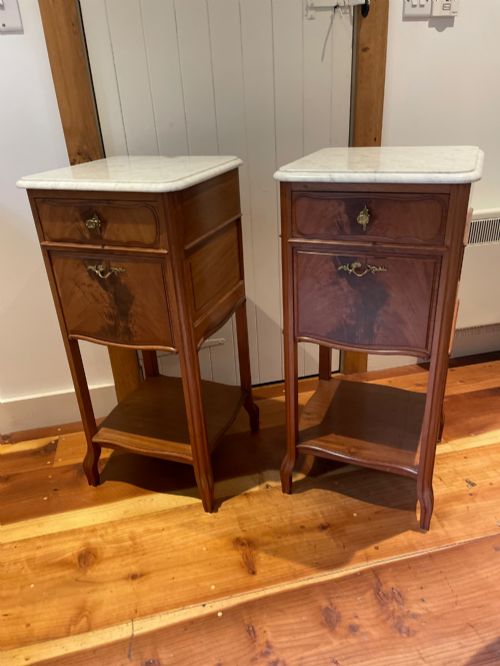
When buyers search for a walnut cupboard table, they encounter a diverse array of small functional furniture spanning the eighteenth century through to the art deco era. The selection ranges from Victorian pot cupboards and nineteenth-century bedside cabinets to French provincial nightstands and twentieth-century lamp tables.
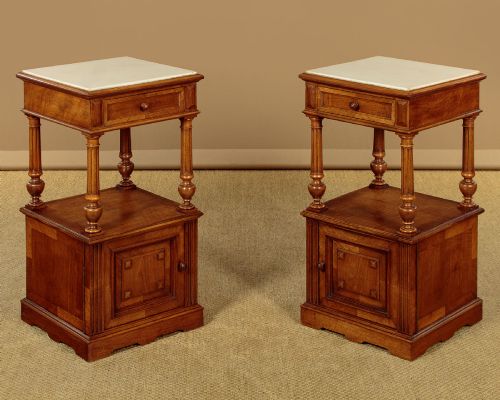
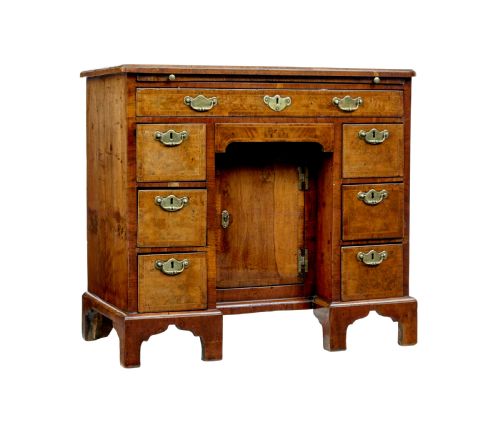
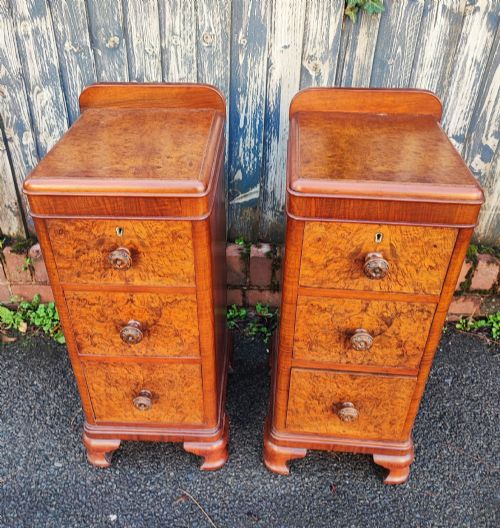
Bedside cabinets and bedside tables dominate the current offerings, often appearing as matched pairs alongside single examples. Alongside these domestic pieces, listings include music cabinets, kneehole desks, tabletop collectors cabinets, and occasional side cabinets constructed from the same dark timber.
Origins stretch across English workshops, French regional makers, and large London department stores. Periods represented include Georgian, Victorian, Edwardian, and the 1930s, showing how cabinetmakers adapted the enclosed cupboard form to changing domestic habits.
Materials and Construction
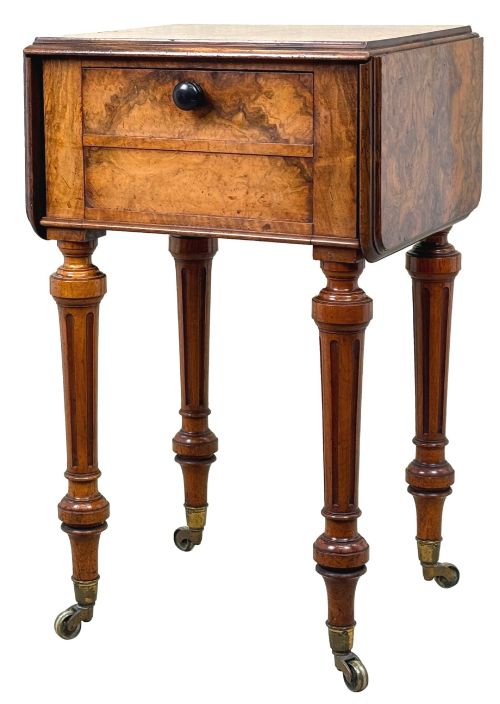
Solid walnut and burr walnut veneer provide the primary visual and structural foundation for these items. Craftsmen laid figured veneers over secondary woods to create complex grain patterns on door fronts and tabletops.
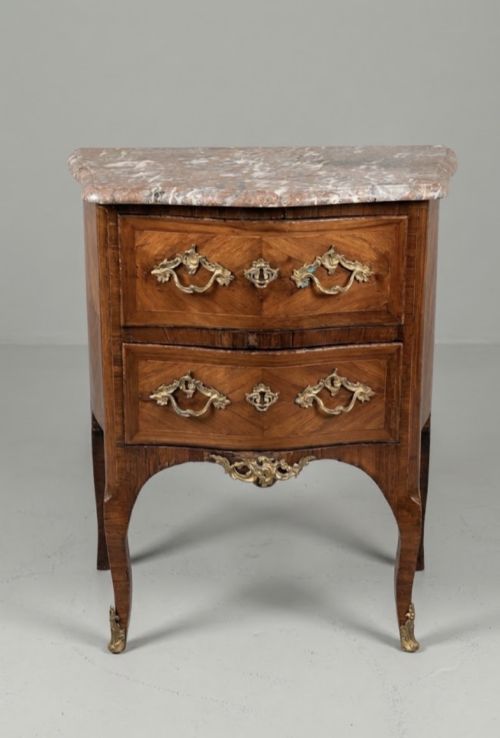
Secondary materials such as brass for hardware, marble for upper surfaces, and chrome for modernist twentieth-century details appear alongside marquetry inlay and satinwood banding. Cabriole legs, bracket feet, and plinth bases support the main body.
Joinery techniques span traditional dovetailing in drawer construction to curved laminated panels found in later art deco designs. French polishing or wax finishes seal the timber while highlighting the natural figuring of the wood.
Walnut Cupboard Table Retail Price Guide 2026
Typical asking prices for walnut cupboard table among the pieces listed under this phrase on Sellingantiques today, from the lower quarter to the upper quarter. They describe what is for sale here now, not the wider market.
Several bedside tables double as miniature architectural showcases, exhibiting complex bookmatched burr walnut grain patterns that seem to stare back at the room.
Factors of Quality
The selection of timber grain heavily influences distinction across the range, particularly where burr walnut veneer is chosen for its symmetrical, swirling patterns. Superior examples display careful bookmatching across drawer fronts and cupboard doors, whereas standard pieces rely on plain or repetitive grain alignment.
Structural integrity depends on the precision of the joinery and the stability of the underlying carcase, especially in items featuring curved art deco silhouettes or slender cabriole legs. Hardware quality also marks the grade, with finely cast brass mounts and original handles indicating higher workshop standards.
Attribution to documented makers or retailers adds notable distinction to specific pieces. Cabinets bearing stamps or paper labels from established firms command greater interest than unmarked vernacular furniture.
Bath Cabinet Makers·Gillow·Maple and Co·Walter Carter Harrods
The Walnut Cupboard Table Glossary
- Burr walnut
- A figured wood obtained from the wart-like growths on walnut trees, prized by cabinetmakers for its intricate swirling patterns. It is typically sliced into thin veneers for decorative surfaces.
- Kneehole desk
- A compact desk or table featuring a central recess for the sitter's legs, flanked by pedestals of small drawers and cupboards. Eighteenth-century versions often conceal a small hidden drawer above the central opening.
- Pot cupboard
- A small bedside cabinet historically designed to enclose a chamber pot. These pieces usually feature a single door above a small enclosed space and occasionally incorporate a marble top.
- Marquetry
- The art of applying decorative pieces of veneer to a structural structure to form intricate pictorial or geometric designs. Craftsmen use various tinted woods to achieve contrast without paint.
- Cabriole leg
- A furniture leg that curves outward and then tapers inward, inspired by the shape of an animal's leg. This style is characteristic of Queen Anne and eighteenth-century revival designs.
- Chevets
- The French term for a bedside table or small nightstand. These pieces frequently incorporate marble tops and delicate marquetry inlay.
Walnut Cupboard Table: Frequently Asked Questions
How were bedside cupboards used historically?
Historically, bedside cupboards served to conceal chamber pots and store nighttime essentials out of sight in bedrooms. Over time, their function shifted toward holding candlesticks, water jugs, and personal belongings.
As domestic lighting and plumbing modernized through the nineteenth and twentieth centuries, these cabinets evolved into general-purpose lamp tables and bedside storage units.
How do I date a walnut cabinet?
Dating a walnut cabinet involves examining the structural joinery, hardware, overall style, and timber preparation. Victorian and earlier pieces often feature hand-cut dovetails and solid timber carcases, while twentieth-century examples incorporate machine-cut joints and modern adhesives.
Stylistic cues such as cabriole legs point toward revival periods, whereas geometric waterfall lines and chrome accents indicate a 1930s art deco origin.
How do I care for walnut veneer?
Walnut veneer requires protection from direct sunlight and extreme humidity fluctuations to prevent the timber from fading or the glue beneath from lifting. Regular dusting with a soft, dry cloth maintains the surface.
Occasional application of high-quality beeswax nourishes the wood and preserves the polished finish without building up heavy residue.