



Walnut Column Stand
A walnut column stand brings vertical presence to a room, holding lamps, vases, or sculpture with architectural poise.
Walnut Column Stand
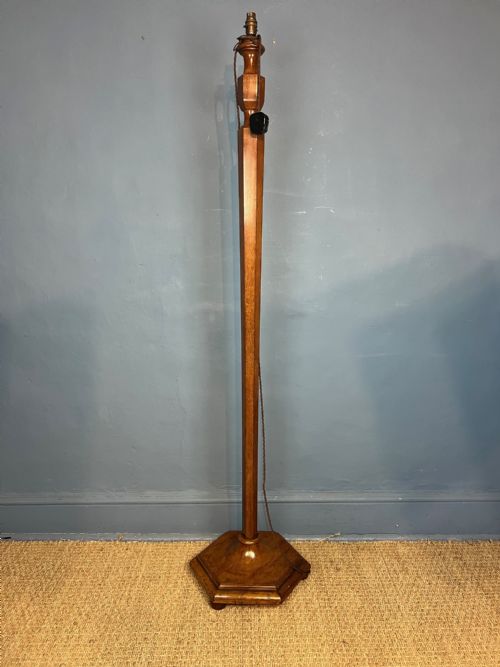
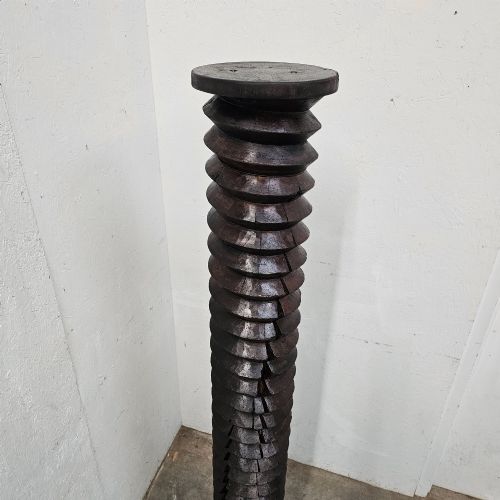
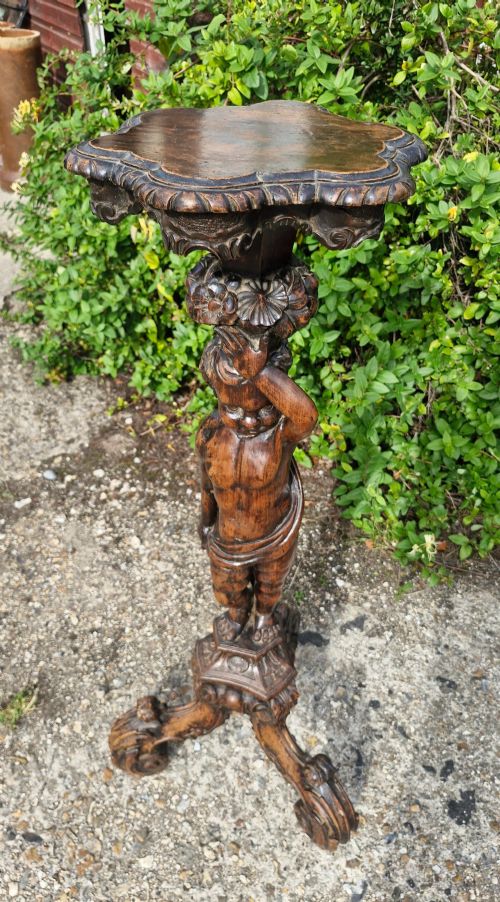
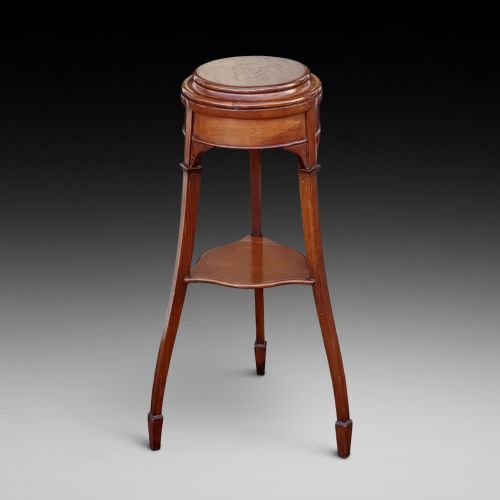
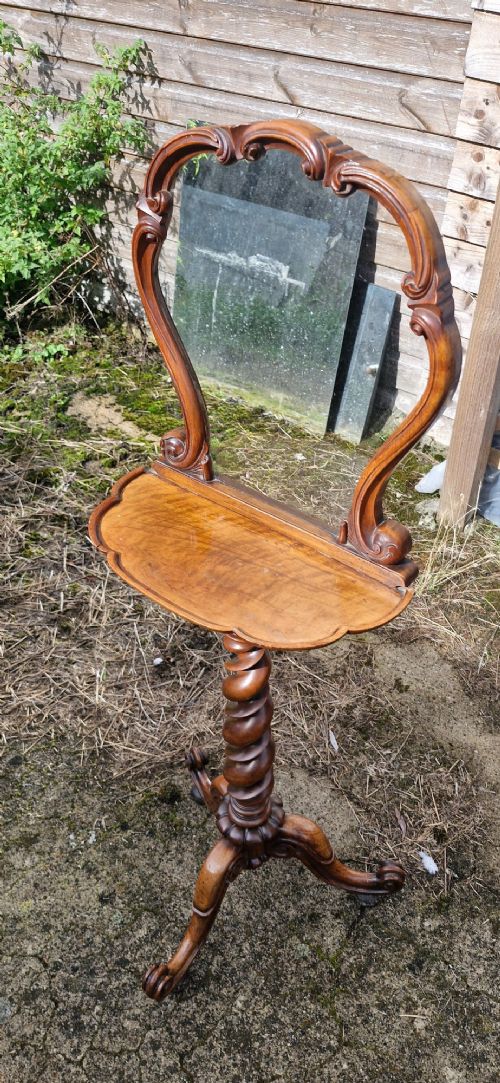
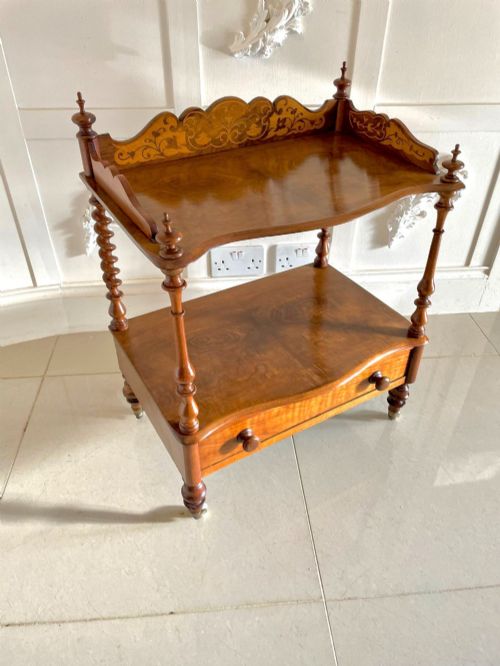
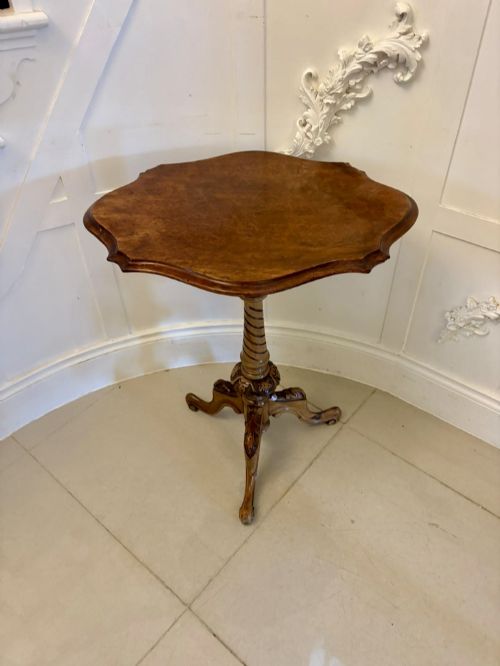
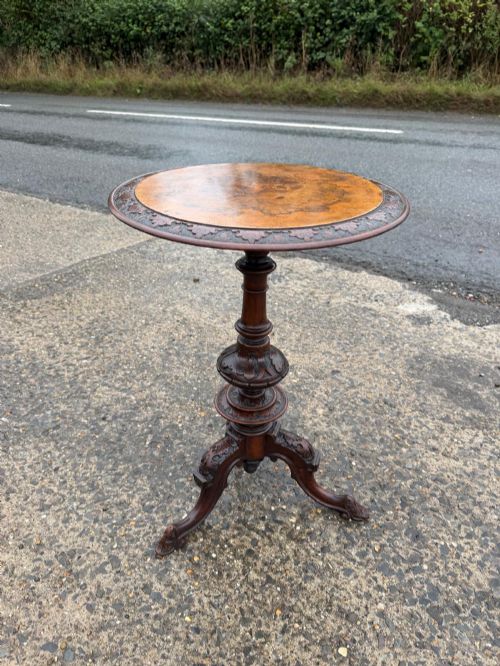
A walnut column stand is a piece of furniture designed to elevate objects, appearing frequently in Victorian, Edwardian, and Art Deco iterations. These stands take various forms on this page, including pedestals, torchieres, plant stands, and lamp tables, originating from English, French, and Italian workshops.
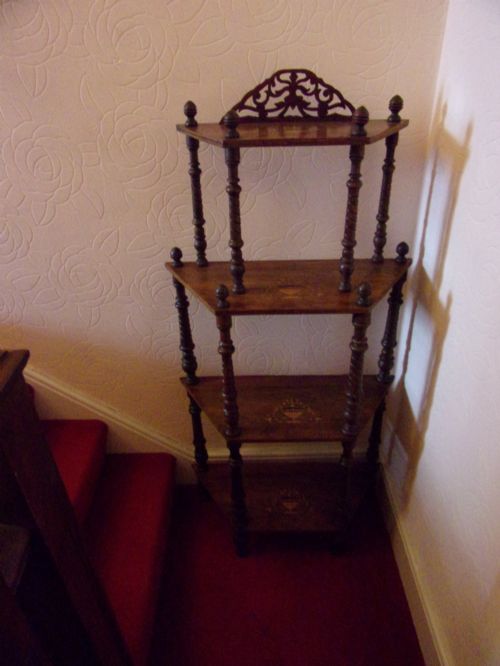
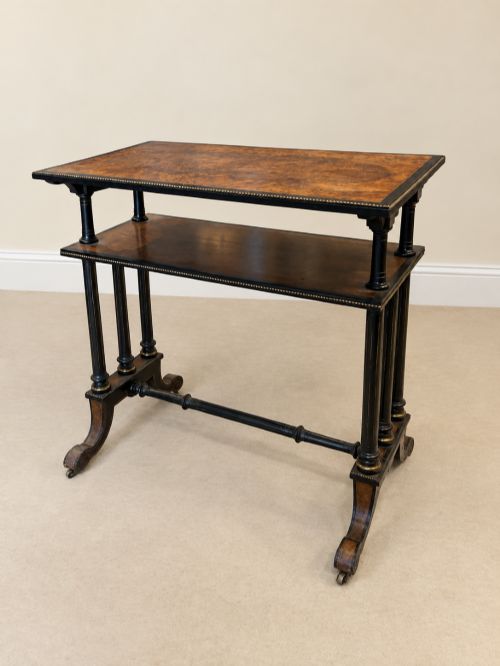
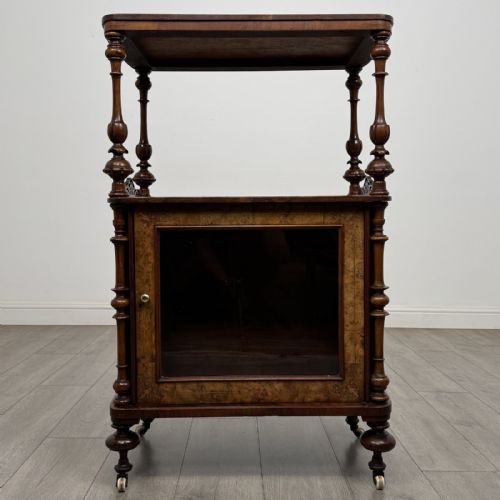
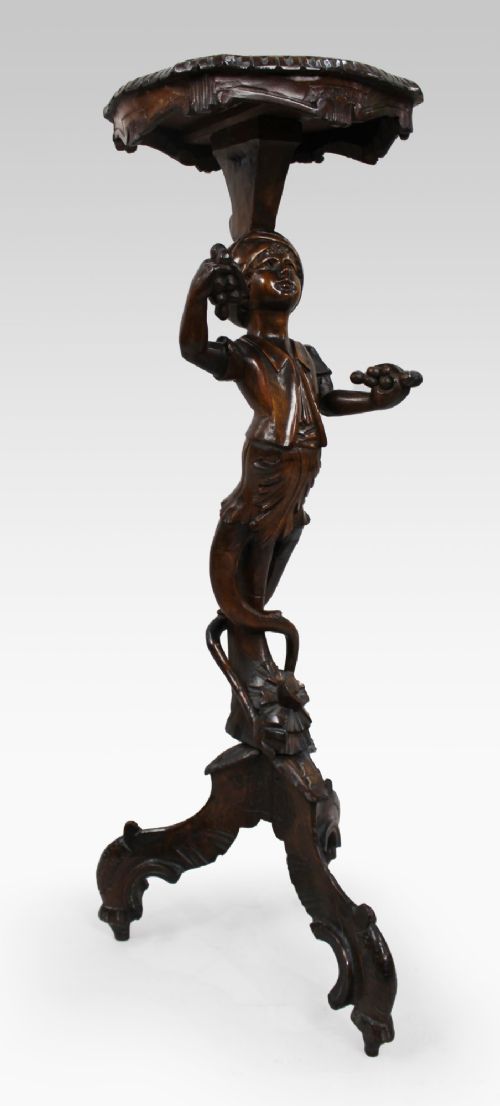
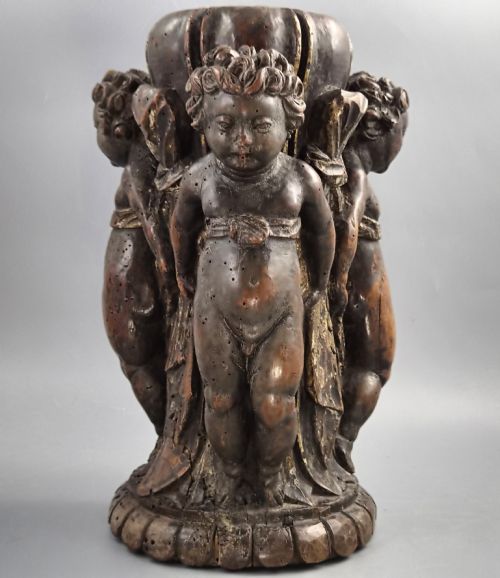
The selection ranges from simple turned shafts to heavily carved Italian Baroque revival bases featuring figures and putti. Buyers also encounter multi-tiered whatnots and occasional tables that share the fundamental upright character of the column stand.
Materials and construction
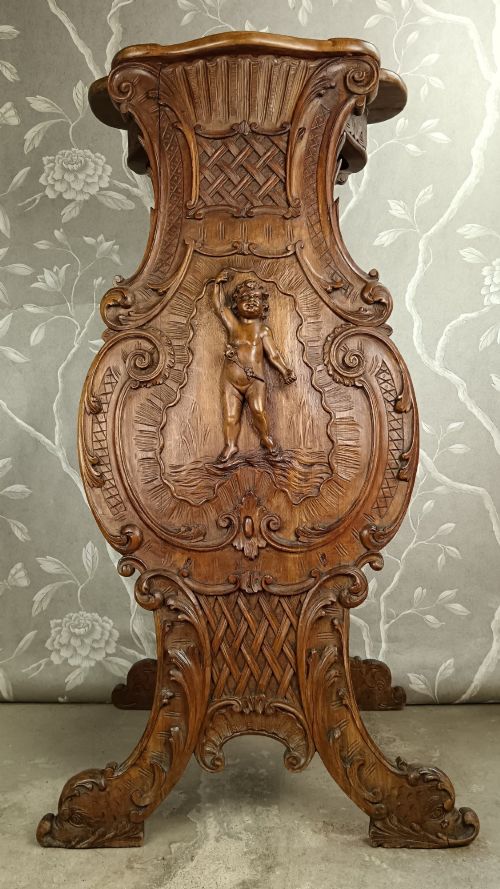
Makers utilised solid walnut and figured burr walnut veneers, often combining the timber with mahogany, brass, marble, and ormolu. Surfaces frequently display intricate marquetry inlay, rich polish, and detailed hand-carved elements.
Structural support relies on robust tripod bases, central columns, and occasional glass or mirrored components. Joinery techniques reflect the period of origin, from William and Mary tripod candle stands to twentieth-century standard lamps.
Walnut Column Stand Retail Price Guide 2026
Typical asking prices for walnut column stand among the pieces listed under this phrase on Sellingantiques today, from the lower quarter to the upper quarter. They describe what is for sale here now, not the wider market.
Materials range from plain wood and standard walnut to burr walnut, marble, brass, glass, and macassar ebony.
Judging quality and execution
Quality rests in the crispness of the carving, particularly on figural Italian torchiere bases and Renaissance revival pieces, where hand-tooled depth defines superior work. The choice of timber also dictates standing, with richly figured burr walnut and contrasting macassar ebony marking out finer productions.
Proportion and stability separate standard utility pieces from exceptional commissions by known makers. Refined inlay work, intact marble tops, and balanced architectural weight indicate the upper tier of these vertical furnishings.
Shoolbred·Gillow & Co.
The Walnut Column Stand Glossary
- Torchiere
- A tall stand or candlestick designed to hold a light source or display an ornament at height. These pieces often feature ornate carving and slender columns.
- Marquetry
- The art of applying pieces of veneer to a structure to form decorative patterns and pictures. Dutch examples on this page utilise this technique extensively.
- Whatnot
- An open-shelved piece of furniture used for displaying ornaments and small objects. Multi-tiered standing versions appear alongside standard column pedestals.
- Ormolu
- Gilded bronze ornamentation applied to furniture mounts and details. French pieces on this page incorporate this metalwork alongside walnut.
Walnut Column Stand: Frequently Asked Questions
What is a walnut column stand used for?
These pieces serve primarily to elevate decorative objects, lamps, urns, or botanical displays within a room.
By lifting items off the floor, they create vertical points of interest and draw the eye upward in interior schemes.
How do I style a column stand at home?
Place a single statement piece such as a bronze bust, a glass vase, or a reading lamp on the upper surface to make the most of the height.
Position them in empty corners, beside seating, or framing doorways where vertical architecture adds balance to lower furniture.
How do I distinguish Victorian from earlier stands?
Victorian pieces on this page often display heavier proportions, burr walnut veneers, and marquetry inlay, alongside revivalist influences.
Earlier seventeenth and eighteenth-century examples, such as William and Mary stands, typically feature simpler turned structural framing and sparser ornamentation.
Are these stands sturdy enough for heavy items?
Most column stands utilise substantial timber shafts and weighted tripod bases designed to support upright loads securely.
Heavier items like marble-topped plant stands or bronze figures require careful placement to maintain balance on the central column.