

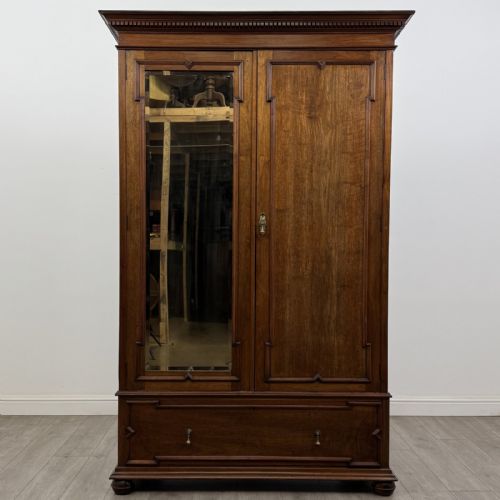
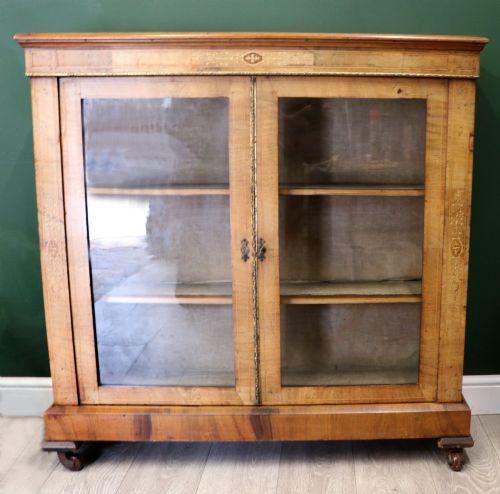
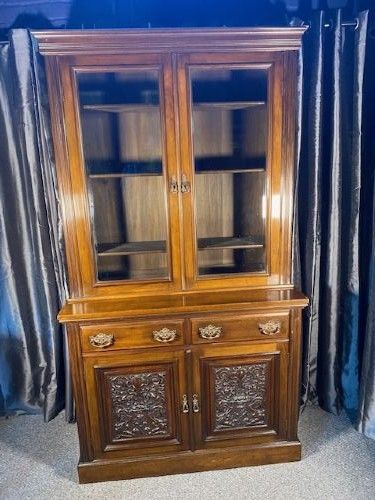

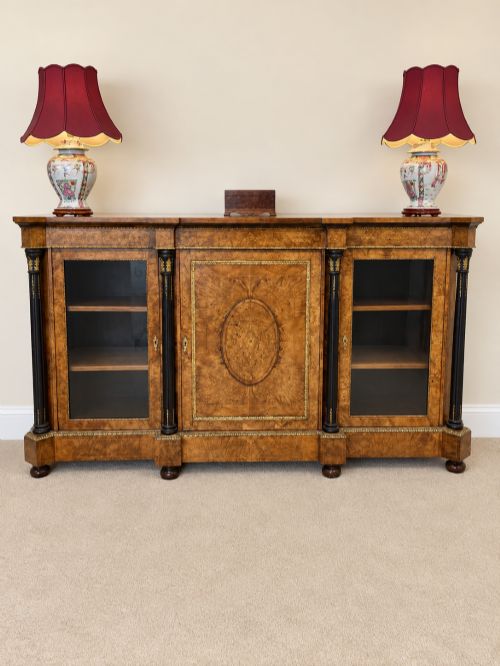
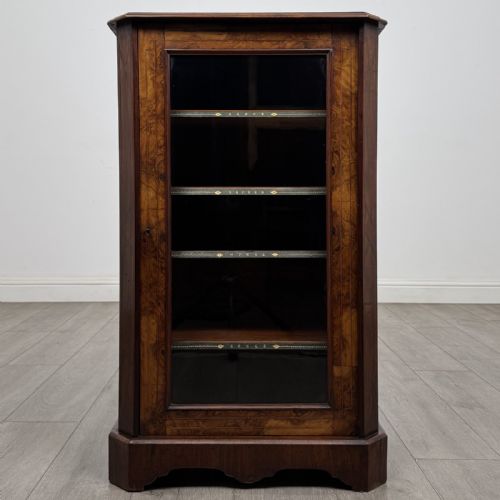
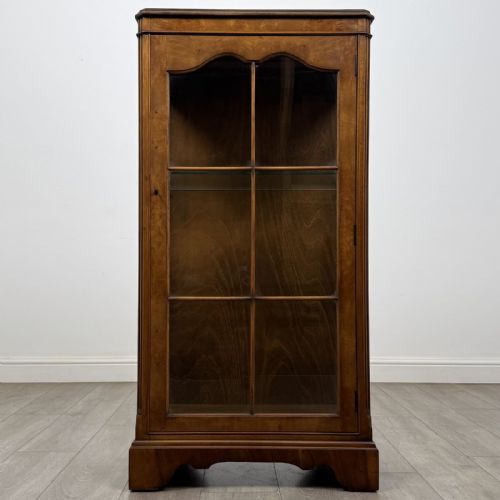
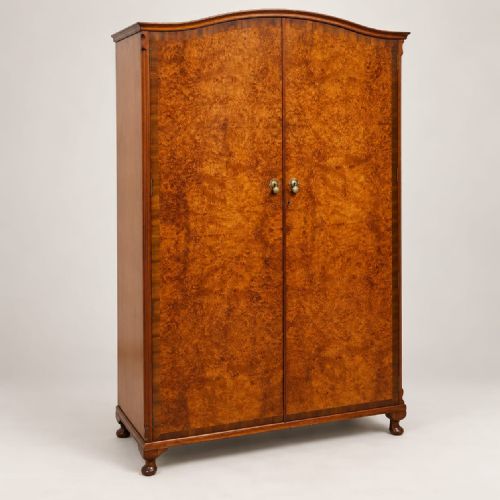
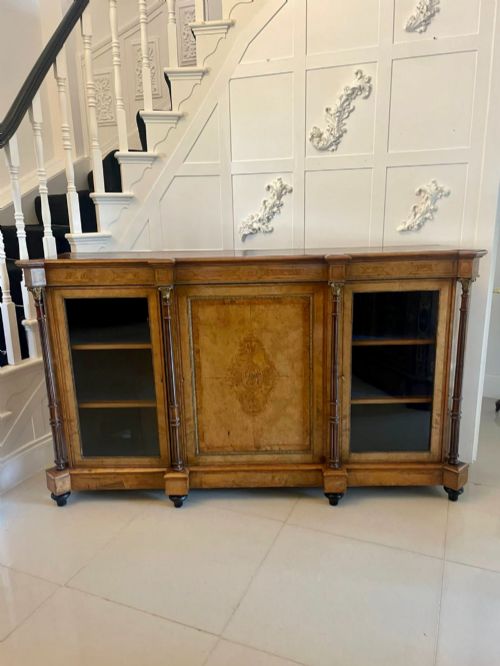

Walnut Cabinet with Doors
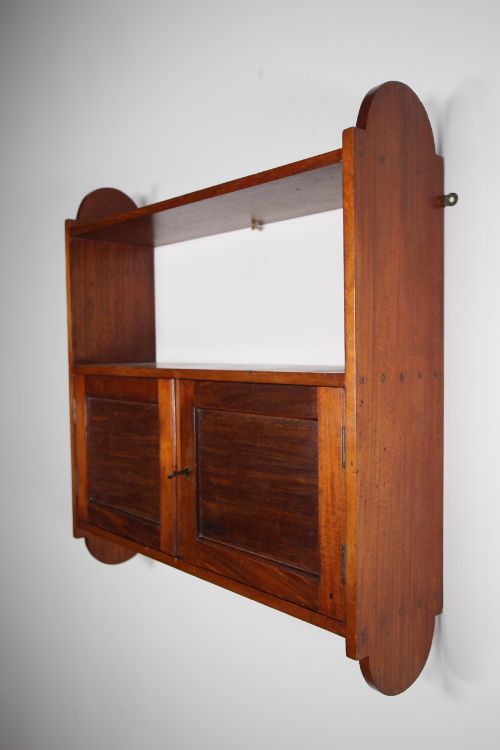
These walnut cabinet with doors selections bring together centuries of craftsmanship, offering practical storage alongside rich timber grain.
Walnut Cabinet with Doors
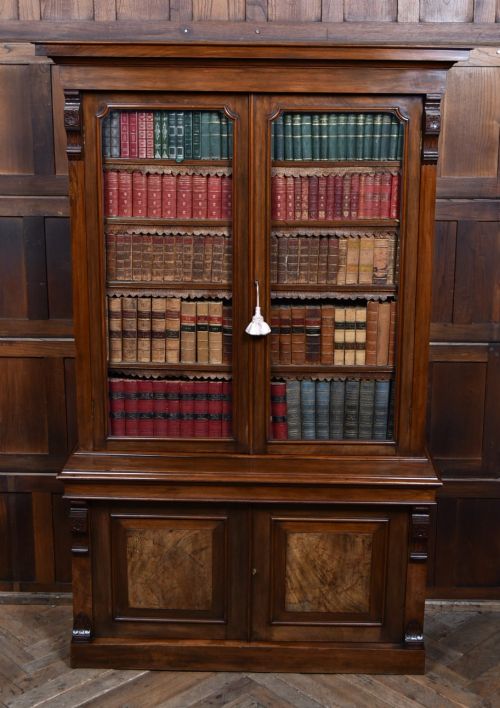
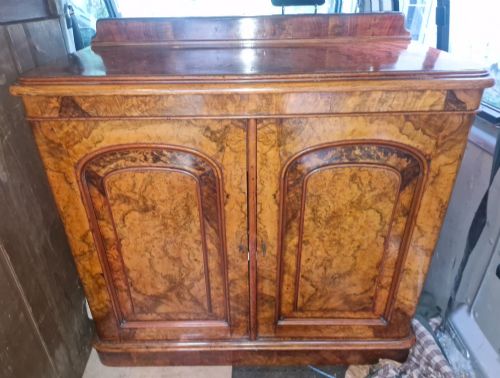
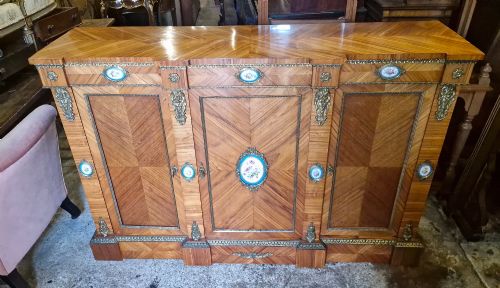
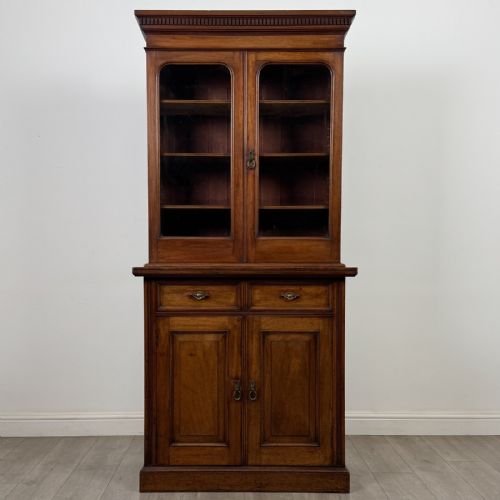
A walnut cabinet with doors encompasses a diverse group of foundational furniture items designed for display, storage, and writing, ranging from tall bookcase combinations to low credenzas. The selection spans the eighteenth century through the Victorian era and into the early twentieth century, incorporating revival aesthetics such as Queen Anne and Louis XVI styles.
Buyers will encounter side cabinets, pier cabinets, and grand bureau bookcases frequently on this page. These forms reflect both English and continental origins, utilising domestic and exotic veneers across differing scales.
How they were made
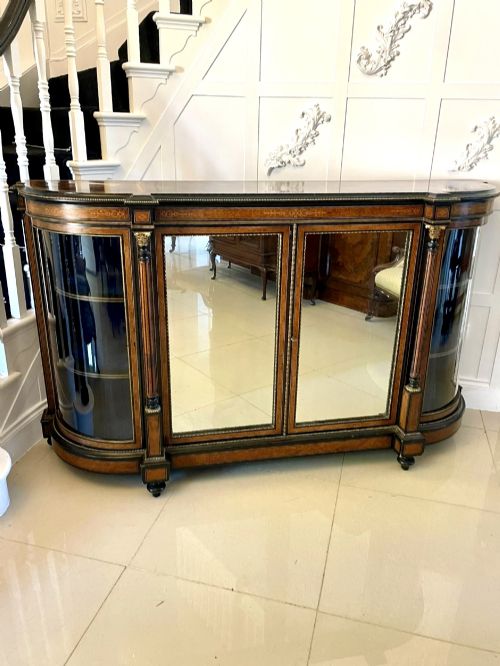
Cabinetmakers utilised solid walnut and figured burr walnut veneers applied over secondary carcassing timbers, often enhancing surfaces with boxwood and tulipwood banding or marquetry. Construction frequently incorporated brass hardware, mirror glass panels, and ormolu mounts.
Marble tops appear on several side cabinets and credenzas, paired with fine timber framing. Joinery techniques delivered robust doors, fitted interior drawers, and adjustable shelving tailored for libraries and display rooms.
Walnut Cabinet with Doors Retail Price Guide 2026
Typical asking prices for walnut cabinet with doors among the pieces listed under this phrase on Sellingantiques today, from the lower quarter to the upper quarter. They describe what is for sale here now, not the wider market.
Listings span the eighteenth century, the Victorian era with its burr walnut credenzas, and twentieth-century revival pieces.
What varies in quality
The choice of timber grain fundamentally separates pieces, with highly figured burr walnut and intricate marquetry commanding attention over plain walnut surfaces. The integration of decorative elements like ormolu mounts, brass galleries, and original mirrored or glazed doors elevates the overall standard.
Execution of internal fittings, such as secretaire drawers and fitted interiors, demonstrates the maker's skill. Retained original surfaces and stamped maker signatures further define the upper tier of the range.
Gillows·Druce and Co
The Walnut Cabinet with Doors Glossary
- Burr walnut
- A veneer derived from the mottled growths of walnut trees, prized for its swirling, decorative grain patterns.
- Ormolu
- Gilt-bronze mounts applied as decorative accents to furniture corners, friezes, and door frames during the nineteenth century.
- Credenza
- A low cabinet, frequently featuring mirrored doors and ormolu mounts, developed during the Victorian period for principal reception rooms.
- Pier cabinet
- A narrow display cabinet designed specifically to stand against the wall space between windows.
- Bureau bookcase
- A dual-purpose piece combining a sloping desk compartment below with enclosed upper shelving behind doors.
Walnut Cabinet with Doors: Frequently Asked Questions
Where were these cabinets placed?
These cabinets occupied principal reception rooms, libraries, and parlours in period homes. They served to display treasured objects, organise books, and store household linens.
Lower credenzas and side cabinets suited drawing rooms, while tall bureau bookcases functioned as private writing desks and libraries.
How do I care for walnut timber?
Walnut benefits from stable room temperatures away from direct heat sources and strong sunlight, which can fade figured veneers. Regular dusting with a soft cloth preserves the polished surface.
Occasional application of appropriate wax feeds the timber without building up heavy residues.
Are the glass doors original?
Many pieces retain their original glass panes, which often display subtle imperfections, minor bubbles, or wavy textures characteristic of older manufacturing methods. Examining the fit within the wooden frame helps indicate period authenticity.
Mirrored doors similarly show age through light oxidation behind the glass.
What is a bureau bookcase?
A bureau bookcase combines a writing desk featuring a fall-front or cylinder flap with enclosed shelving above accessed via doors. This form evolved to house growing collections of bound volumes and provide private correspondence space.
Internal compartments often include small drawers and pigeonholes.