

Walnut Bookcase Glazed
A walnut bookcase glazed with original glass combines practical library storage with visible display, spanning Victorian, Art Deco and 18th century forms.
Walnut Bookcase Glazed
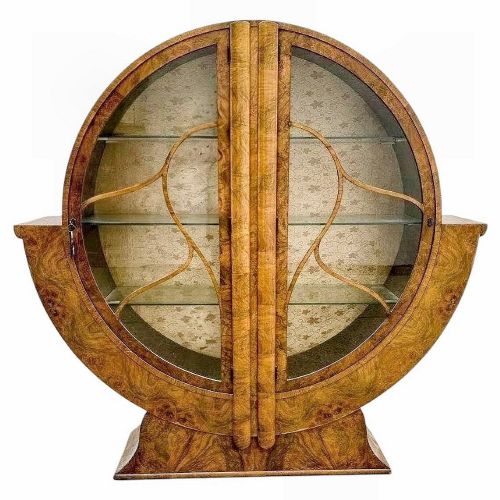
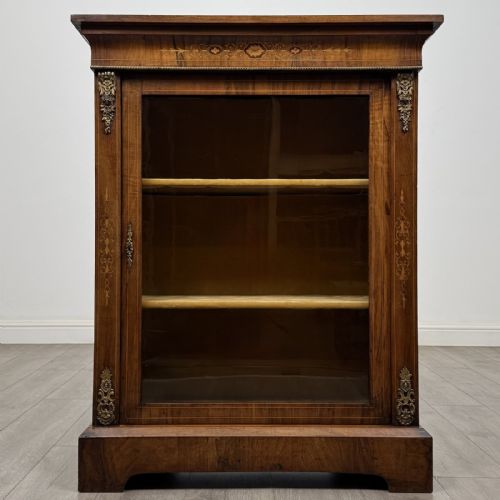
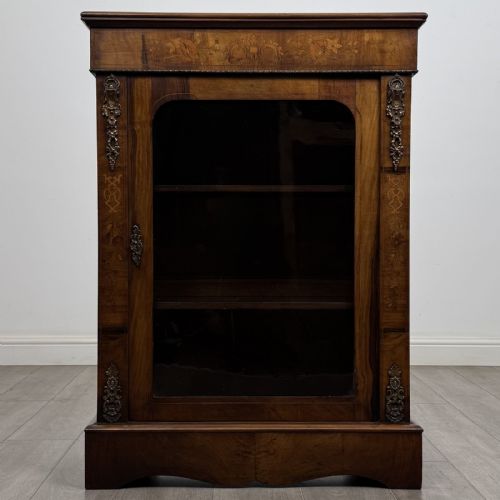
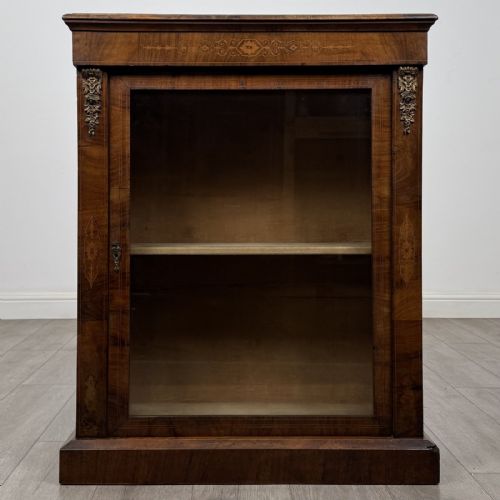
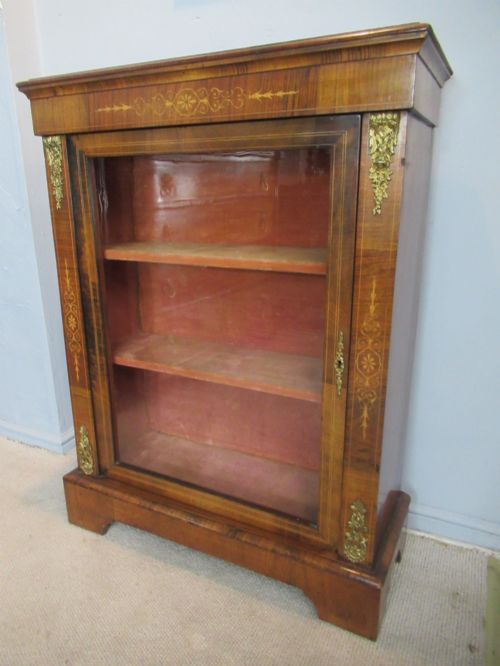
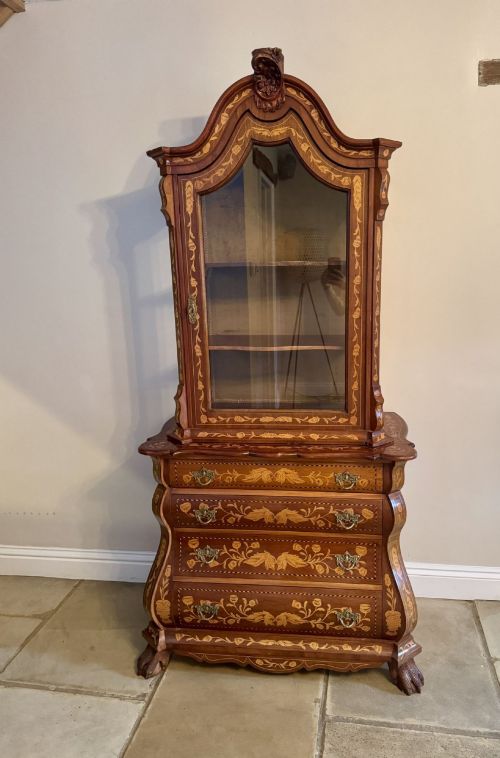
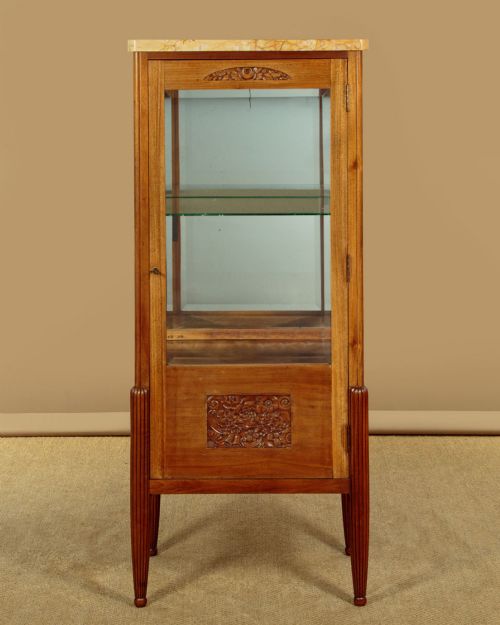
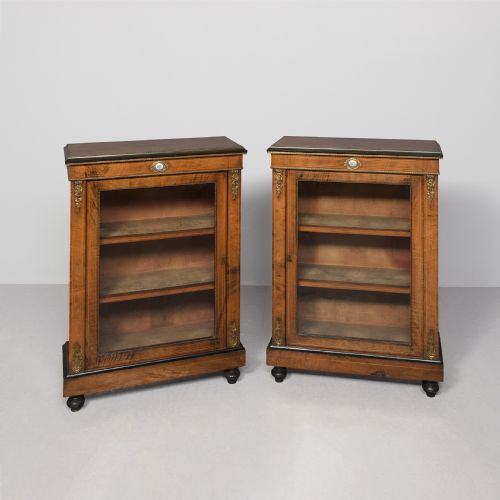
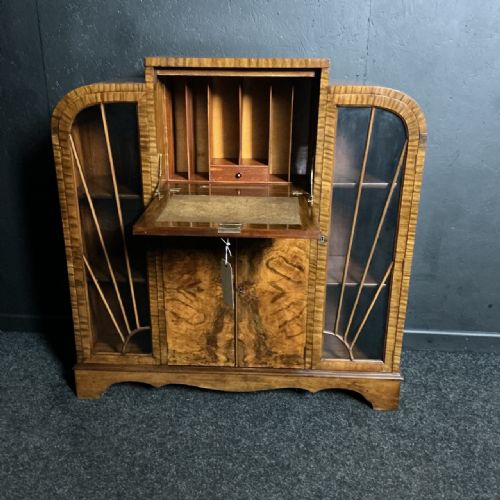
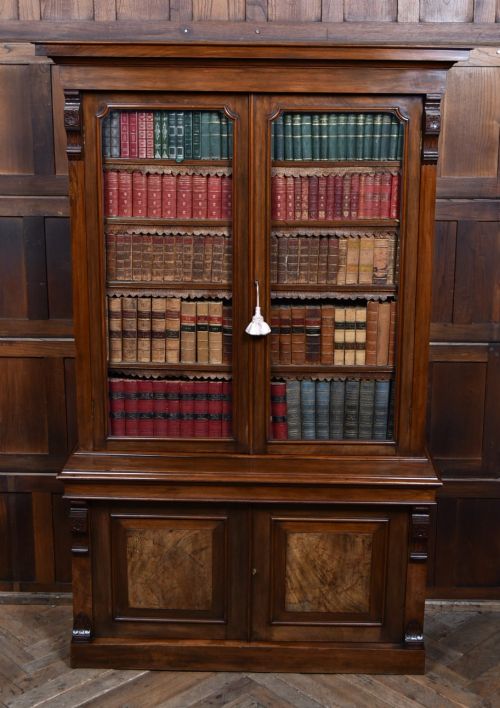
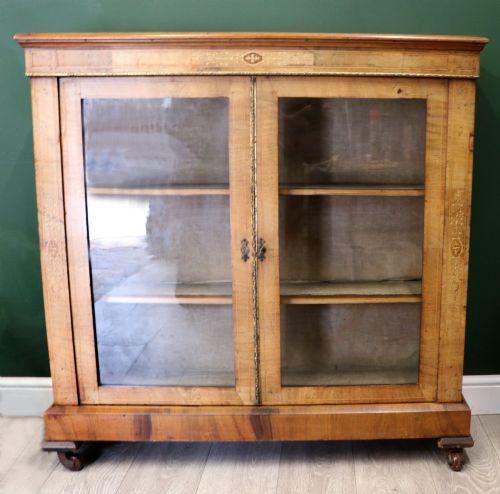
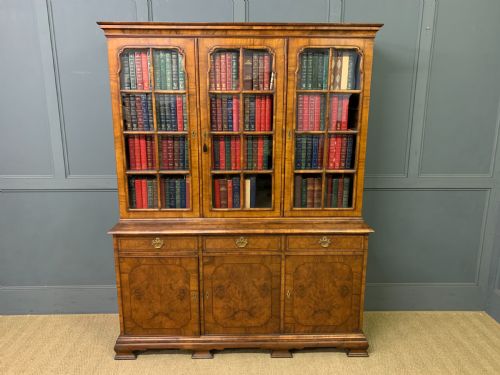
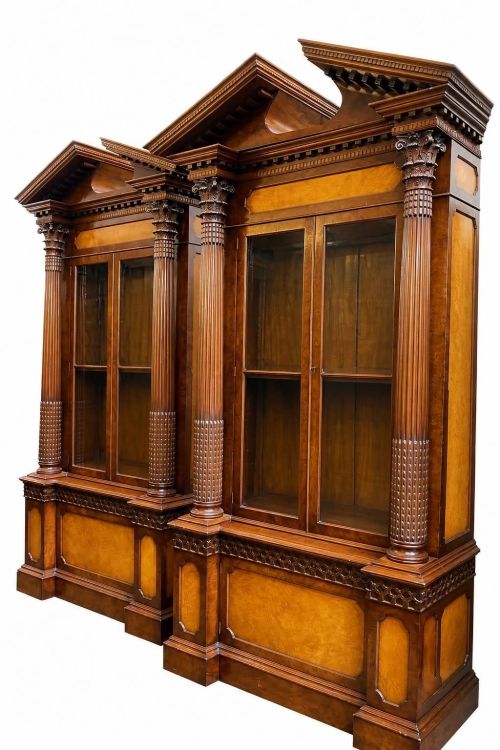
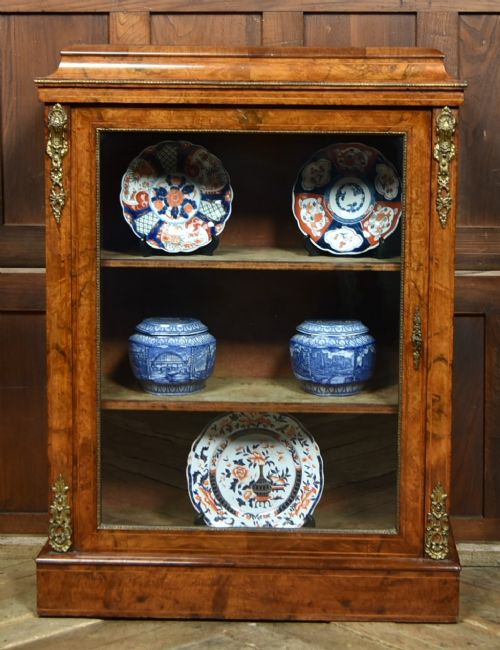
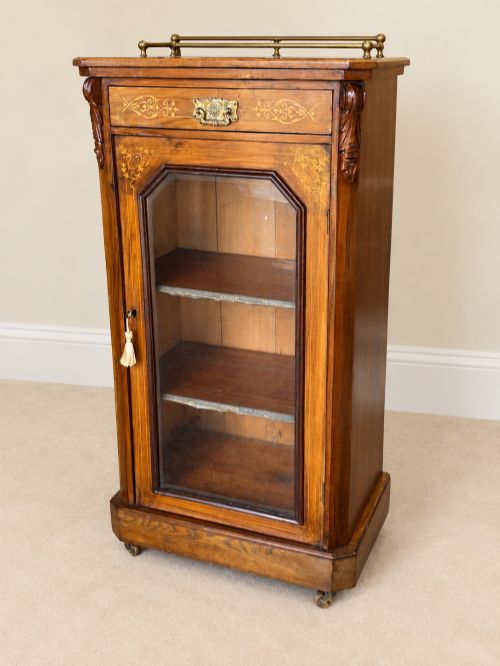
A walnut bookcase glazed searches reveal an array of wooden furniture designed to house and display books or decorative objects behind transparent panels. The pieces meeting this description range from compact Victorian pier cabinets and narrow Art Deco vitrines to large breakfront bookcases and Dutch marquetry display cabinets on bombe chests.
Victorian examples dominate the selection, often featuring figured burr walnut veneers, brass mounts and inlaid details. Alongside these, buyers encounter 20th century Art Deco bureaus and display cabinets, as well as earlier Dutch baroque and rococo influenced designs from the 18th and 19th centuries.
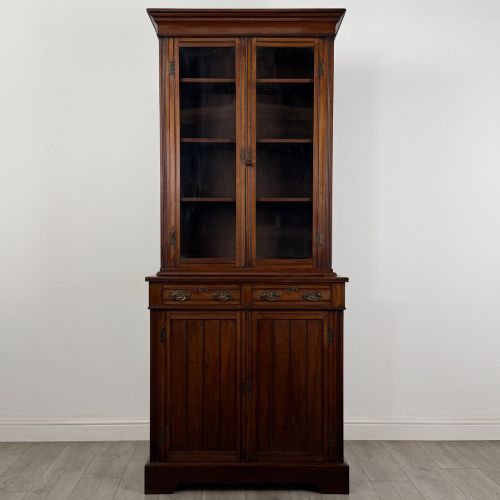
The primary forms include tall upright bookcases, credenzas, secretaire bookcases with drop-down desks, and smaller pier cabinets intended for drawing rooms. Many incorporate glazed doors, sometimes flanked by open shelving or enclosed lower cupboards, uniting the functions of a library case and a china cabinet.
How they were made
Cabinet makers utilised solid timber and decorative veneers over secondary woods, selecting burr walnut for its intricate, swirling grain patterns. Marquetry inlay work employing fruitwood and other contrasting timbers appears frequently on Dutch and Victorian pieces, creating floral and geometric motifs across the exterior surfaces.
Glass panels are fitted into wooden frames or doors, while metal elements such as ormolu mounts, brass handles and velvet linings add tactile contrast. Construction methods include traditional joinery, with veneered surfaces applied to carcases using historical animal glues that require careful humidity management.
Walnut Bookcase Glazed Retail Price Guide 2026
Typical asking prices for walnut bookcase glazed among the pieces listed under this phrase on Sellingantiques today, from the lower quarter to the upper quarter. They describe what is for sale here now, not the wider market.
Listings span the Victorian era, Art Deco period, and 18th century, utilising walnut, burr walnut, glass, brass, and ormolu.
What varies in quality
The distinction between standard examples and the finest pieces rests on the selection of the walnut timber and the precision of the marquetry. Superior items exhibit book-matched burr walnut veneers with continuous grain symmetry across doors and drawers, whereas lesser examples use simpler, plainer cuts of wood.
Hand-chased ormolu mounts, well-executed floral inlay, and original glass panes elevate a piece significantly above mass-produced or heavily restored alternatives. Structural integrity, such as smooth-sliding drawers and flat, stable cabinet tops, marks the work of accomplished workshops.
Waring & Gillow
The Walnut Bookcase Glazed Glossary
- Burr walnut
- A figured wood grain obtained from the wart-like growths on walnut trees, prized for its complex, swirling patterns.
- Bombe
- A swelling, convex furniture shape characteristic of Dutch and continental baroque and rococo cabinetry.
- Ormolu
- Gilt bronze mounts applied to furniture for decoration, commonly found on mid-19th century cabinets.
- Vitrine
- A glass-sided display cabinet designed primarily for the exhibition of porcelain, curiosities or books.
- Pier cabinet
- A low, narrow cabinet built to fit the wall space between windows, often featuring a glazed door.
Walnut Bookcase Glazed: Frequently Asked Questions
How do I date a walnut bookcase?
Dating relies on stylistic clues, construction techniques, and materials such as the presence of burr walnut veneers or ormolu mounts. Victorian pieces often show machine-sawn timbers and specific revival styles, while 18th century examples display hand-cut joinery and heavy marquetry.
Examining the backboards, hinges, and interior secondary woods helps confirm the period. Comparing the specific door configuration and decorative motifs against documented examples provides further chronological context.
Are these bookcases suitable for heavy books?
Most antique glazed bookcases are built to hold moderate collections of books, though interior shelf strength varies by period. Many Victorian and Edwardian examples feature adjustable wooden shelving supported by traditional wooden racks or metal pins.
Checking the thickness of the shelves and the rigidity of the upright supports ensures they will bear the weight safely. Distributing heavier volumes across lower shelves protects the structure from long-term sagging.
How should I care for walnut veneer?
Walnut veneer benefits from stable room temperatures and protection from direct sunlight, which can fade the timber and dry out historical glues. Maintaining moderate indoor humidity prevents the veneer from cracking or lifting away from the carcase.
Cleaning should be limited to dusting with a soft cloth, avoiding modern silicone polishes that can degrade historical finishes. Occasional applications of appropriate wax feed the wood without building up heavy residues.
What is a secretaire bookcase?
A secretaire bookcase combines a traditional library case with a fitted writing drawer that drops down to reveal small compartments and a leather or fabric writing surface. This dual purpose made them popular in Victorian studies and drawing rooms where space was valued.
The upper section remains glazed for book storage, while the fall-front mechanism conceals the desk interior when closed. This keeps writing materials neat while maintaining the uniform appearance of a standard bookcase.