

Walnut Bedroom Vanity
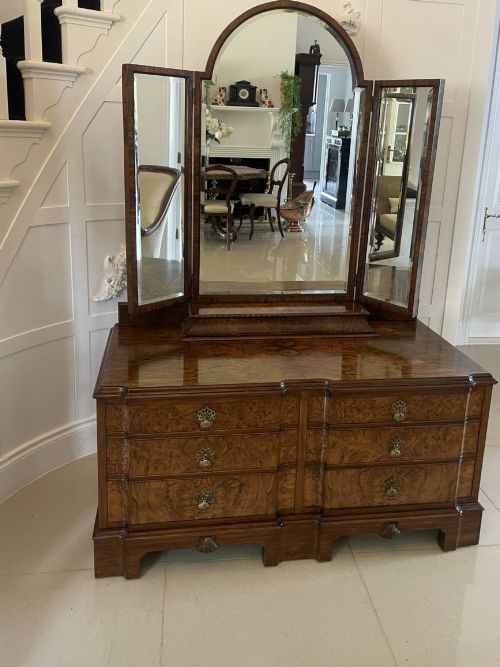
A walnut bedroom vanity offers a graceful focal point for a period interior, combining practical storage with rich, figured timber.
Walnut Bedroom Vanity
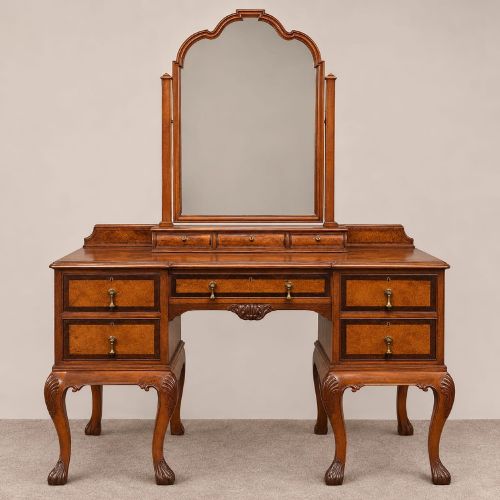
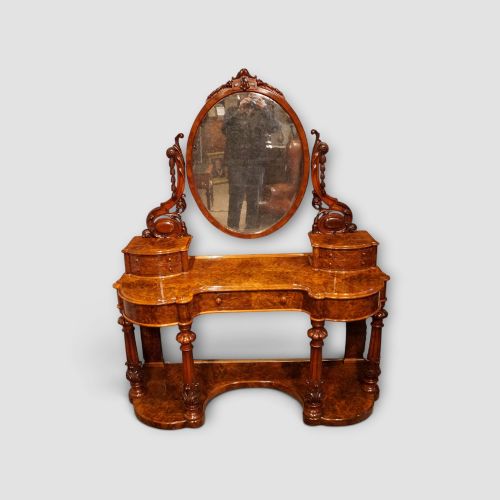
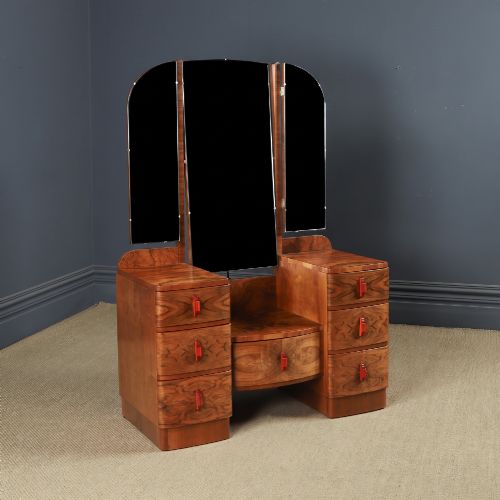
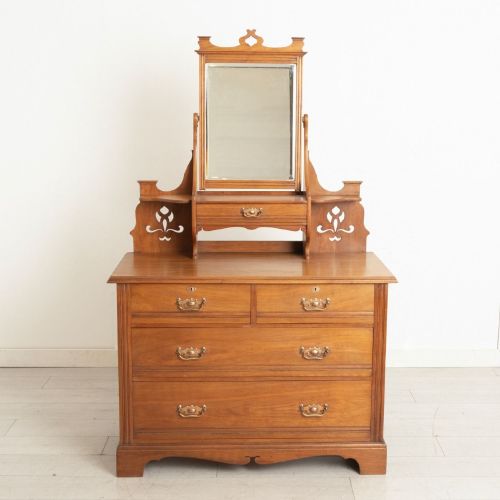
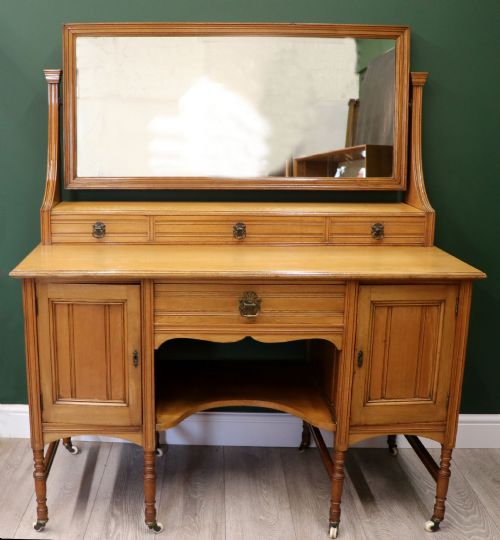
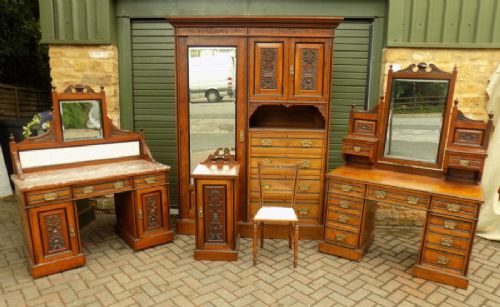
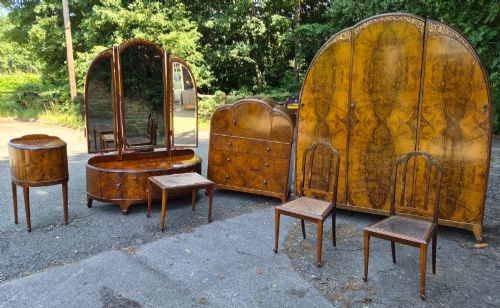
A walnut bedroom vanity encompasses dressing tables, pedestal vanities, and matching stools designed for personal grooming. These pieces span the nineteenth and twentieth centuries, including Victorian, Edwardian, and Art Deco periods.
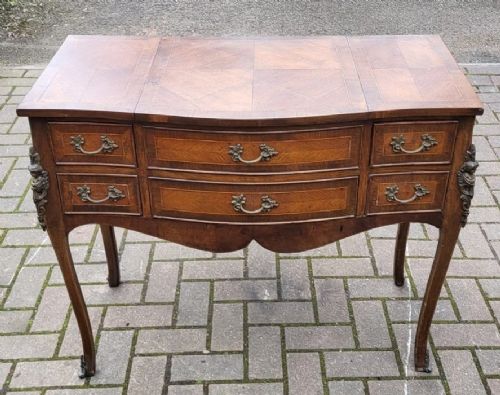
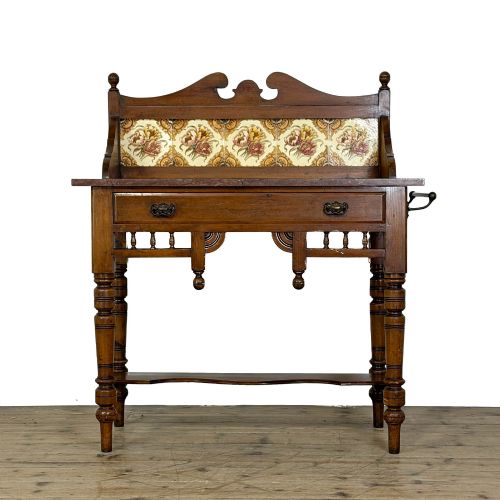
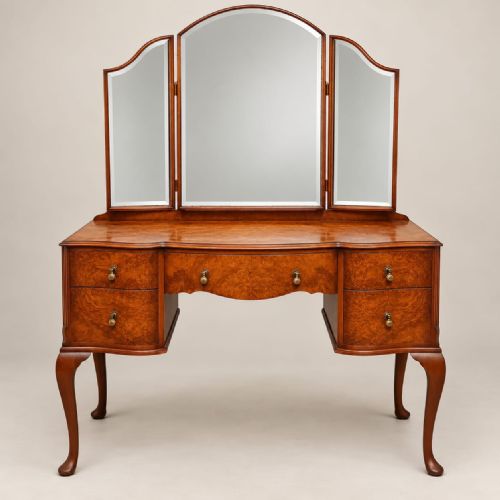
Buyers will most frequently encounter dressing tables fitted with swing mirrors, alongside washstands featuring marble tops and companion bedroom seating. The selection ranges from serpentine and kidney shapes to geometric pedestal forms.
Materials and Technique
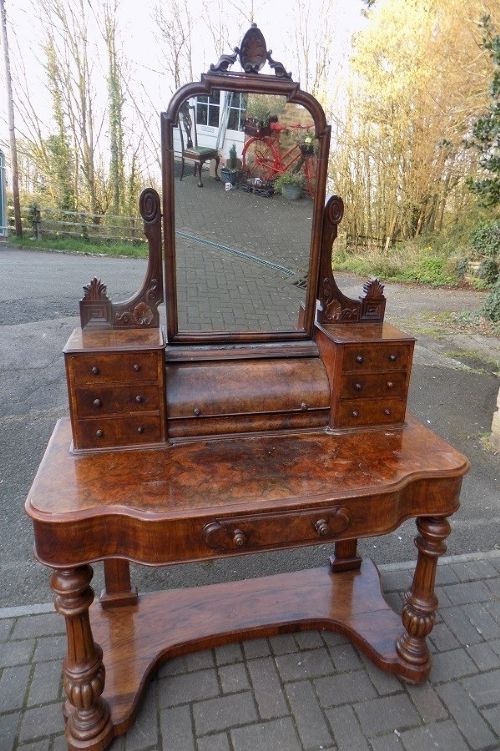
Cabinet makers utilised solid walnut and decorative burr walnut veneers over secondary timbers to create rich, patterned surfaces on drawer fronts and tabletops. Brass handles, glass mirror plates, and inset leather writing surfaces provide functional contrast.
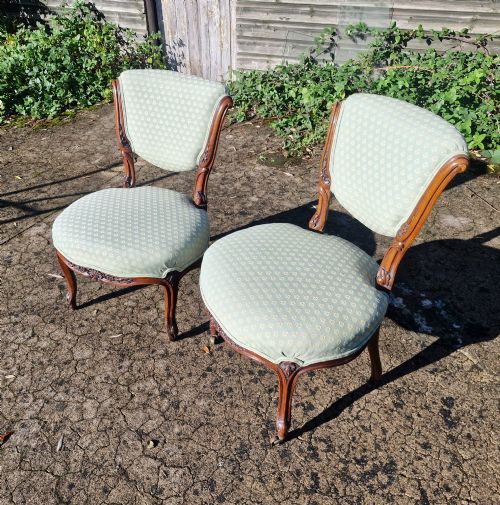
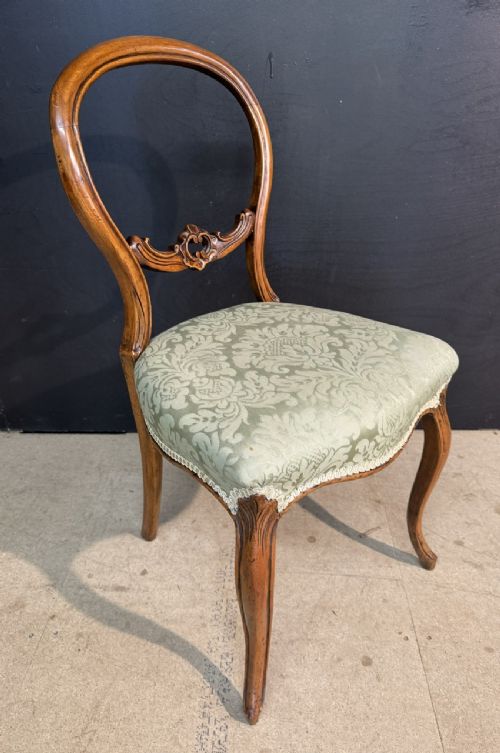
Upholstered bedroom chairs and vanity stools incorporate traditional textile coverings, needlepoint, and carved wooden frames with cabriole or twisted rope legs.
Walnut Bedroom Vanity Retail Price Guide 2026
Typical asking prices for walnut bedroom vanity among the pieces listed under this phrase on Sellingantiques today, from the lower quarter to the upper quarter. They describe what is for sale here now, not the wider market.
Listings feature walnut bedroom furniture spanning the Victorian, Edwardian, and Art Deco periods, incorporating marble, brass, and fabric elements.
Design and Execution
Quality rests upon the selection of timber figure, such as highly patterned burr walnut veneer, matched carefully across drawer fronts and surfaces. Superior examples demonstrate refined carving, balanced proportions, and integrated maker details rather than plain construction.
The sophistication of the hardware, the clarity of the original mirror glass, and the integrity of the joinery distinguish standard utilitarian furniture from exceptional cabinet work.
Shapland and Petter·Frank Taylor and Co·Harry and Lou Epstein·Lamb of Manchester·Maples
The Walnut Bedroom Vanity Glossary
- Burr walnut
- A decorative timber veneer harvested from the growth excrescences of walnut trees, prized for its swirling, highly figured grain patterns.
- Duchess dressing table
- A large nineteenth century vanity table featuring a central swing mirror supported by small jewellery drawers above a main drawer.
- Washstand
- A bedroom cabinet topped with marble or tile, designed historically to hold a basin and jug for morning ablutions.
- Poudreuse
- A continental style of dressing table equipped with folding lids and internal compartments for cosmetics and powder.
Walnut Bedroom Vanity: Frequently Asked Questions
What is a pedestal vanity?
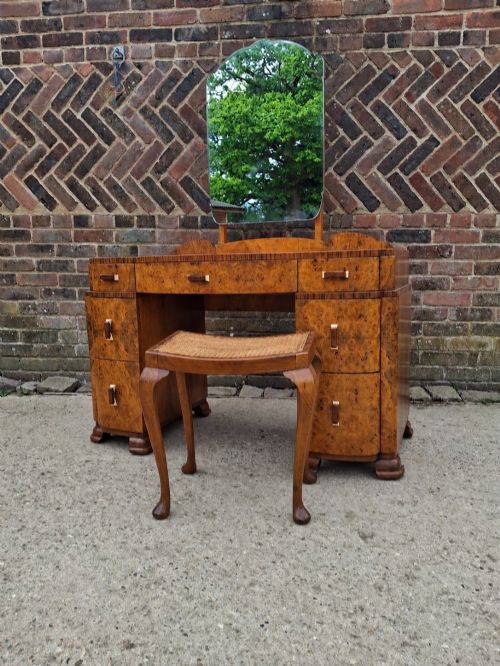
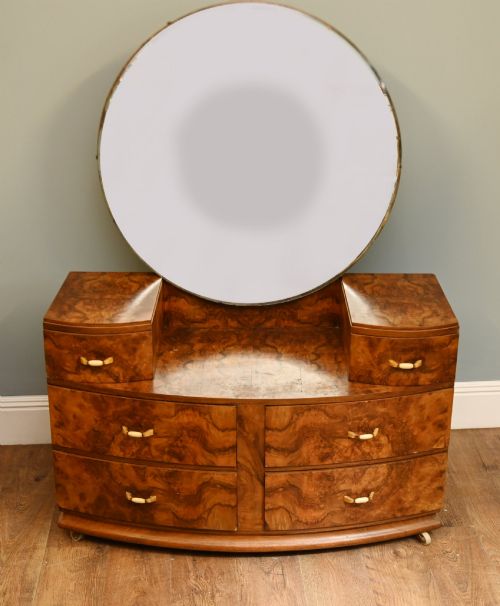
A pedestal vanity is a dressing table design featuring twin banks of drawers supporting the main tabletop and mirror. This configuration became particularly popular during the Art Deco period.
The layout provides generous internal storage while creating a symmetrical focal point in the bedroom. These units frequently employ figured burr walnut across the front facades.
How should I care for walnut veneer?
Protect walnut surfaces from direct sunlight and excessive moisture to prevent the underlying veneer from lifting or fading. Regular dusting with a soft, dry cloth maintains the natural lustre of the wood.
A light application of appropriate furniture wax preserves the finish without building up greasy residues. Avoid placing hot or wet items directly on the polished timber.
Are matching stools common?
Original matching stools do accompany certain dressing tables and bedroom suites, though many surviving pieces are paired with complementary seating from the same era. These seats often feature upholstered pads or needlepoint covers.
When evaluating a set, observe the wood tone and leg style to determine if the stool and vanity share a unified design lineage. Recovered seats with traditional upholstery remain entirely appropriate for period interiors.