


Wall Mounted Coat Rail
A wall mounted coat rail organises an entrance or boot room with honest timber and sturdy metal hooks.
Wall Mounted Coat Rail
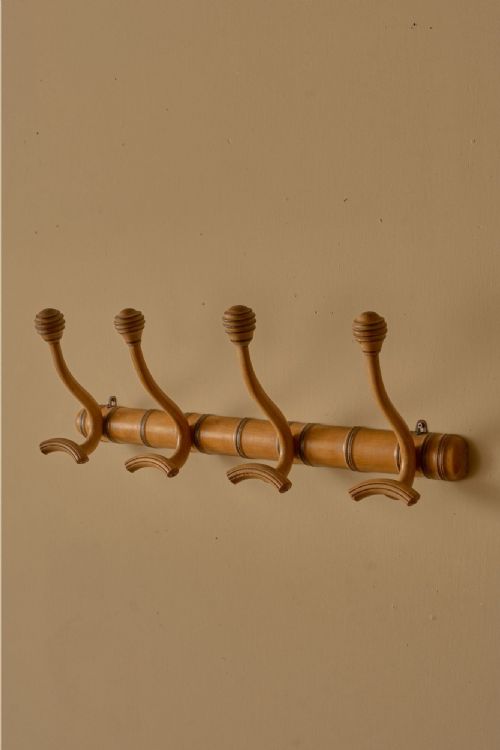
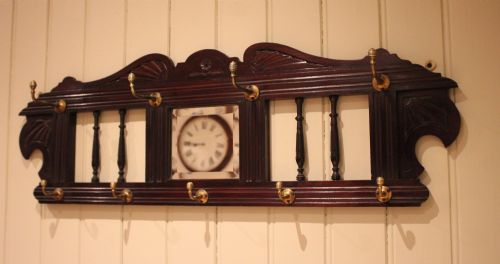
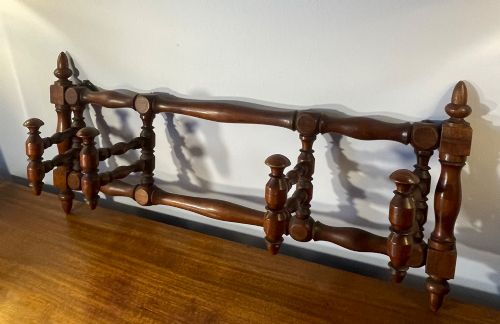
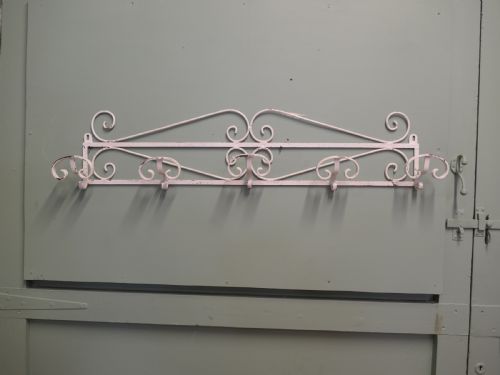
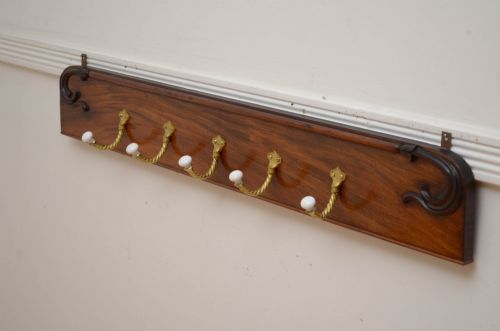
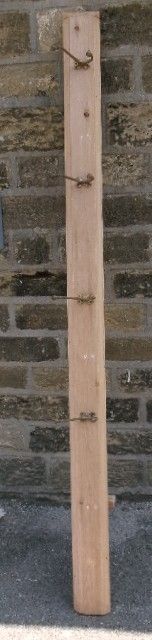
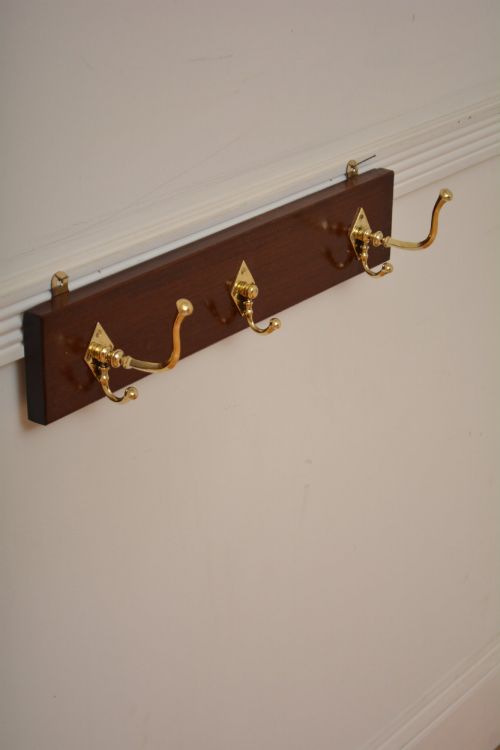
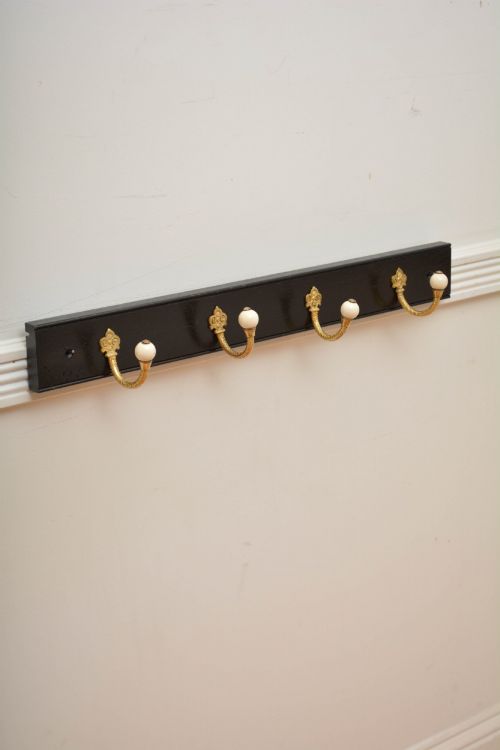
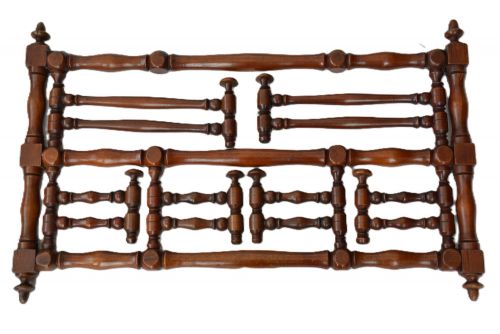
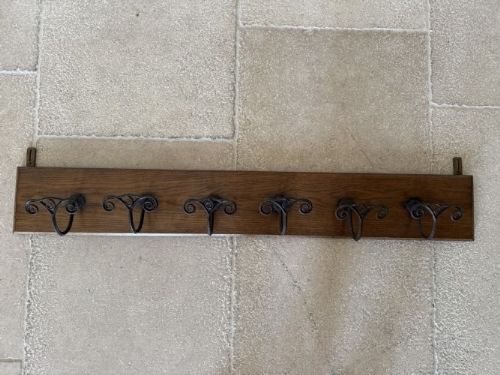
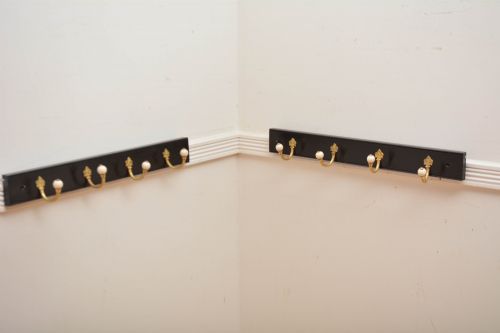
A wall mounted coat rail is a practical fixture designed to hold outerwear, hats and bags in hallways, kitchens and cloakrooms. The examples found here span several centuries, featuring long timber backboards fitted with metal, ceramic or brass hooks.
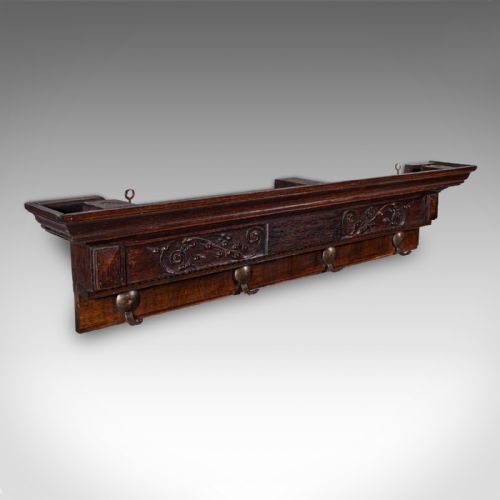
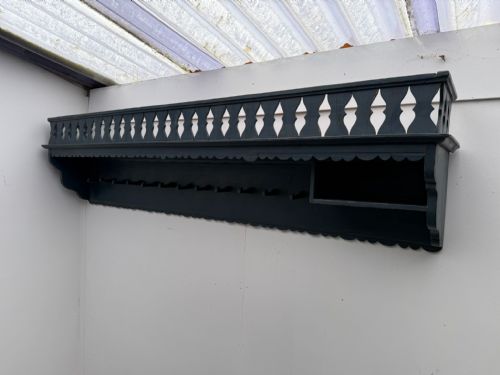
Formats range from compact rows of three or four hooks to substantial five-foot racks with integrated hat shelves and cast mounting plates.
How they were made
Makers utilised solid timbers such as mahogany, oak and pine for the backboards, often shaping the edges with simple moulding or leaving them rustic. These boards provided a stable foundation to screw directly into wall studs or masonry.
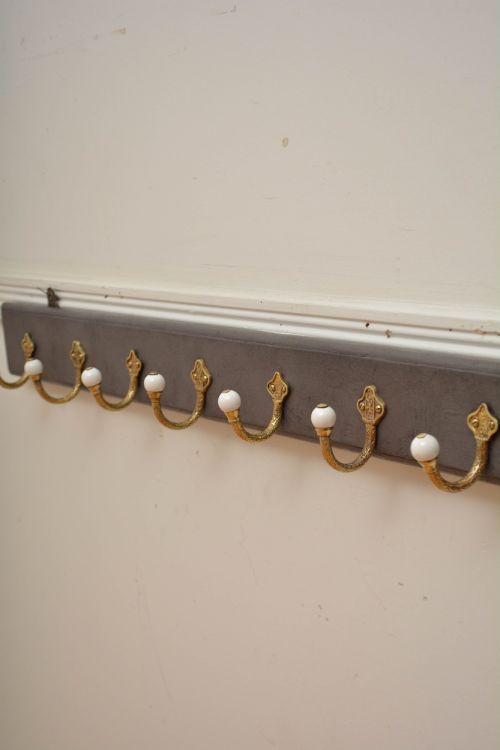
Hooks were predominantly cast in brass or iron, sometimes paired with white or coloured ceramic tips to protect garments from snags. Screws and mounting plates secured these metal elements firmly to the wooden base.
Wall Mounted Coat Rail Retail Price Guide 2026
Typical asking prices for wall mounted coat rail among the pieces listed under this phrase on Sellingantiques today, from the lower quarter to the upper quarter. They describe what is for sale here now, not the wider market.
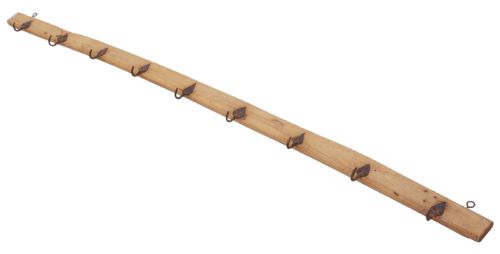
Game hook racks originally designed for hanging brace in 18th-century kitchens now hold heavy coats with rustic charm.
What varies in quality
Quality rests in the weight of the metalwork and the selection of the timber. Heavier cast brass hooks and densely grained mahogany or oak indicate a higher grade of manufacture than thin pine boards with pressed metal.
The method of fastening and the casting detail on the mounting plates also distinguish finer workshop pieces from utilitarian utility items.
The Wall Mounted Coat Rail Glossary
- Backboard
- The horizontal timber plank that carries the hooks and fastens to the wall. It distributes the weight of heavy coats across multiple fixing points.
- Portmanteau
- A wall-mounted rack that combines clothes hooks with an upper shelf for hats or luggage. These French and English variants offer extra storage.
- Cloakroom
- A small entrance room or passage used for receiving outdoor garments. Pieces designed for this space often feature multiple sturdy double hooks.
- Bentwood
- Wood steamed and bent into curved structural forms. This technique appears in lighter, flowing hooks and frames.
Wall Mounted Coat Rail: Frequently Asked Questions
How do I hang a heavy coat rail?
Fix the backboard directly into wall studs or use appropriate heavy-duty wall anchors suitable for plaster or masonry. Ensure the mounting screws match the weight capacity you intend to place on the hooks.
Distribute heavier winter coats evenly across the length of the rail to prevent undue strain on individual fixings.
Where should I mount a coat rail?
Hallways, boot rooms and kitchens suit these rails best, catching everyday items as you enter the house. Position the rail at a height that allows family members and guests to reach their garments comfortably.
Leave sufficient clearance below the rail for long coats or umbrellas to hang without pooling on the floor.
How do I date an antique coat rail?
Examine the timber species, screw types and the casting style of the brass or iron hooks. Victorian and Edwardian pieces often display machine-threaded screws and specific aesthetic or art deco flourishes.
Earlier eighteenth-century oak or primitive kitchen game hook racks show hand-cut joinery and simpler forged iron elements.
Can these rails hold heavy winter coats?
Solid hardwood backboards fitted with cast brass or wrought iron hooks handle heavy winter coats with ease. Ensure the piece is secured firmly to the wall structure rather than just plasterboard.
Robust antique variants were built precisely for heavy woollen cloaks and heavy garments.