
Wall Art Oil Painting
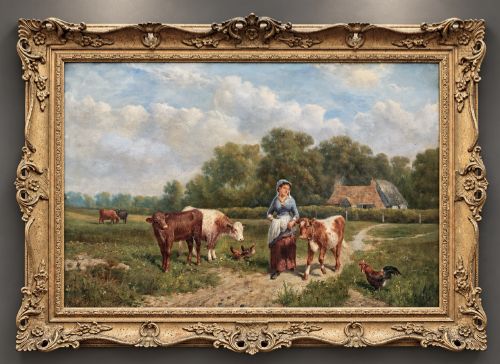
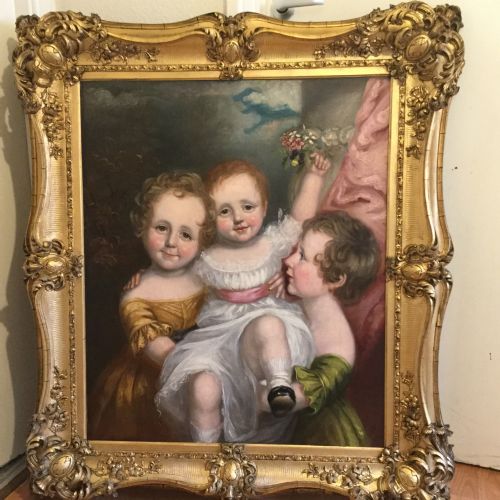
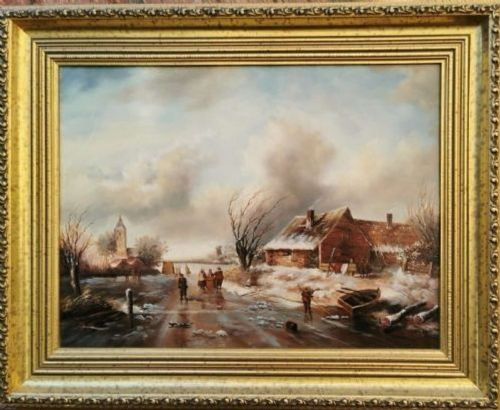
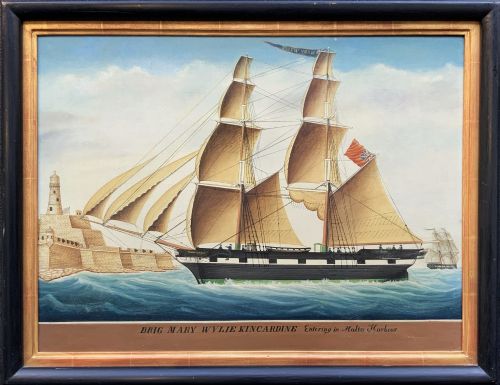
Wall art oil painting spans centuries of portraiture, landscape, and still life, offering tactile texture and enduring pigment for interior spaces.
Wall Art Oil Painting
A wall art oil painting brings together pigments suspended in drying oils, predominantly applied to canvas or wood panel supports.
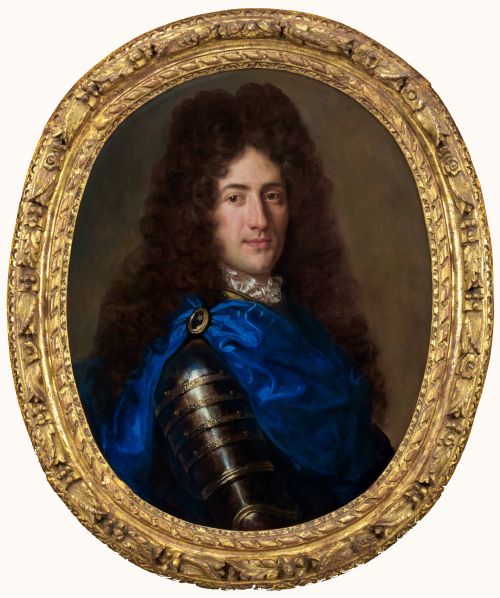
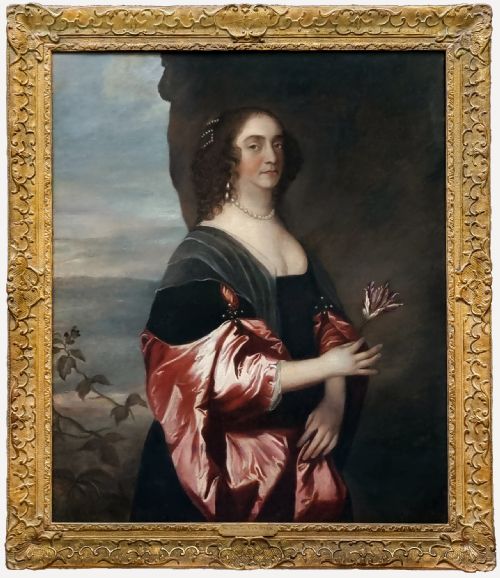
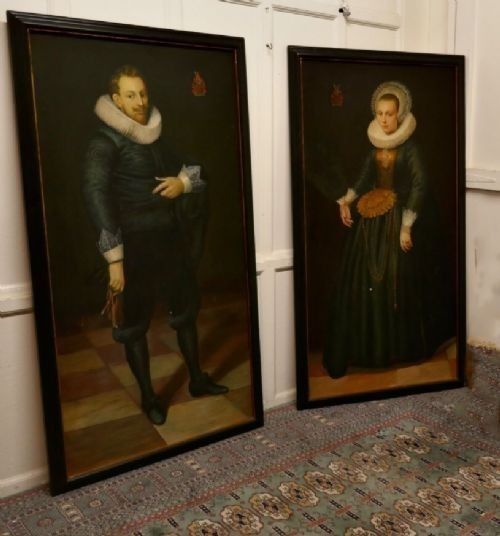
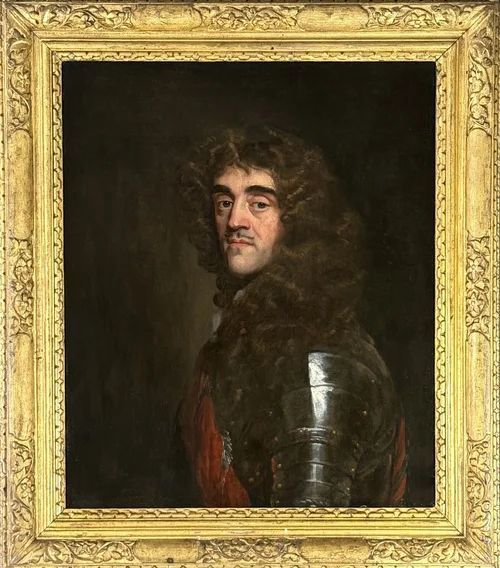
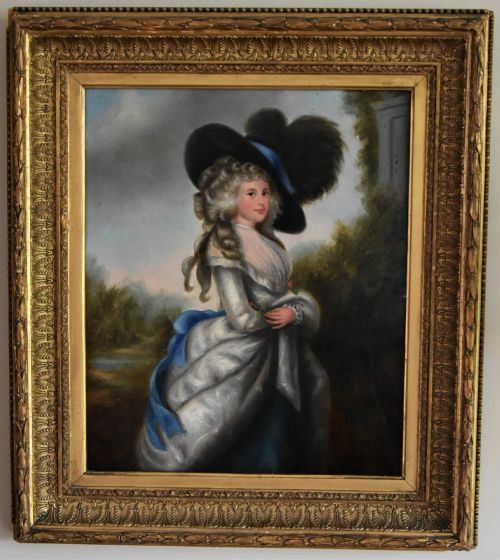
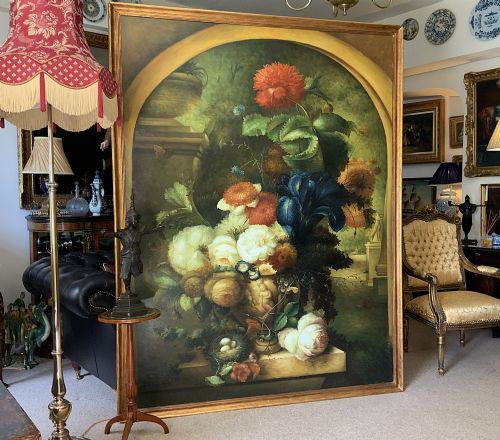
The pieces gathered here range from seventeenth-century portraits of noblemen and ladies to nineteenth-century landscapes and mid-century still lifes.
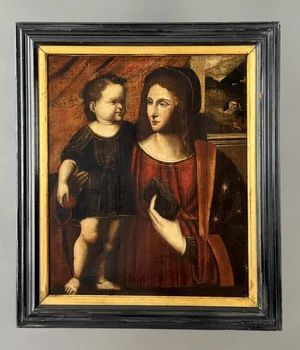
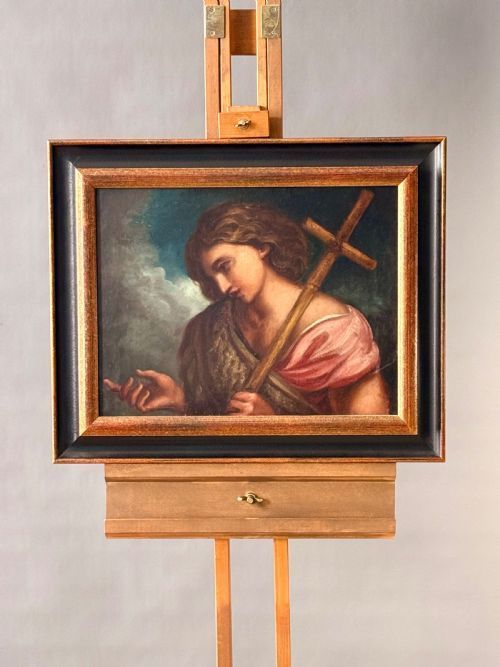
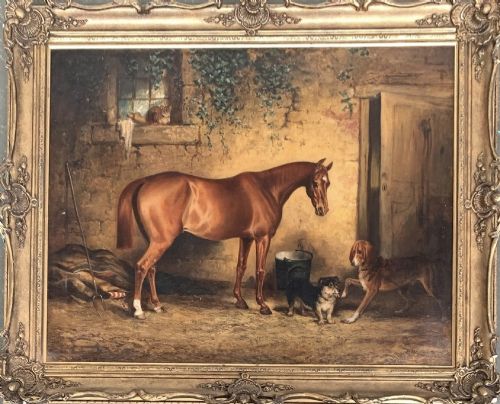
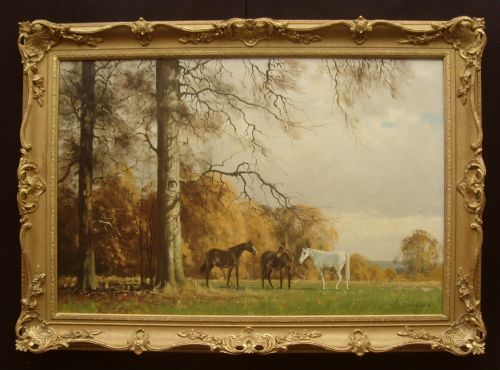
Buyers frequently encounter works categorised under British and continental schools, encompassing Victorian equestrian scenes, Dutch-influenced compositions, and classical mythological depictions.
How they were made
Artists built these works using oil paint applied to stretched canvas or prepared wooden panels, occasionally incorporating giltwood frames.
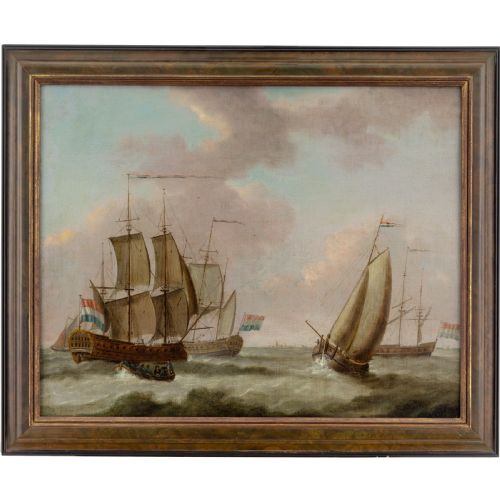
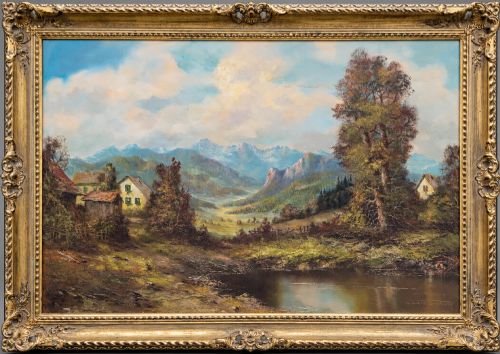
Techniques varied from meticulous brushwork capturing the embroidered details of a doublet to looser, impressionistic strokes defining maritime landscapes and coastal scenes.
Listings feature supports in both canvas and wood, stretching from the seventeenth century through to mid-century modern interpretations.
What varies in quality
Quality rests upon the artist's command of anatomy, light, and perspective, visible in the rendering of a sitter's hands or the atmospheric depth of a landscape.
The preservation of the original pigment layer and the integrity of the canvas or wood support distinguish finer survivals from heavily restored examples.
Sir William Beechey·Henry Barraud·Theude Gronland·Sir Joshua Reynolds·Richard Sebastian Bond
The Wall Art Oil Painting Glossary
- Oil on Canvas
- Pigments mixed with an oil medium and painted upon a woven fabric support stretched over a wooden frame. This combination allows for rich blending and textured impasto.
- Giltwood
- Wood carved and coated with gold leaf or a gold-coloured metallic finish. It frequently frames formal portraits and decorative mirrors.
- Trumeau Mirror
- A wall mirror featuring an integrated painting, often positioned above a fireplace or console table. The upper panel commonly depicts pastoral or marine scenes in oil.
- Impasto
- Paint applied thickly to a canvas or panel, standing out in relief from the surface. This technique adds physical depth and catches light across the composition.
Wall Art Oil Painting: Frequently Asked Questions
How do I hang a heavy canvas securely?
Heavy canvases and framed works require appropriate wall fixings that engage directly with wall studs or utilise heavy-duty plaster anchors.
Ensure the wire or D-rings on the reverse match the weight distribution of the piece to keep the frame stable.
What lighting suits an oil painting best?
Position paintings away from direct, harsh sunlight to prevent the oil pigments and canvas from fading or drying out over time.
Warm, low-heat picture lights mounted above the frame highlight the texture of the brushwork without causing thermal damage.
Can I identify the period from the stretcher?
Older stretchers often feature hand-cut wooden joints, wedge keys in the corners, and oxidised iron nails that differ markedly from modern manufacturing.
Examining the back of the canvas or panel frequently reveals historical labels, inscriptions, and stamps left by previous owners or framers.