
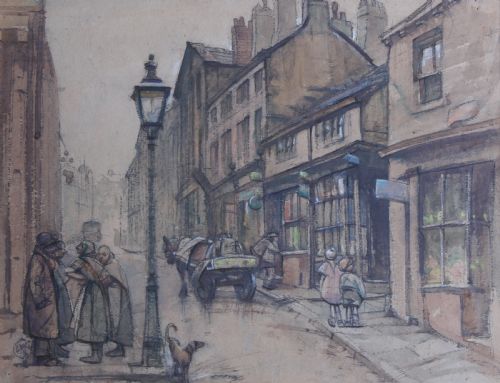
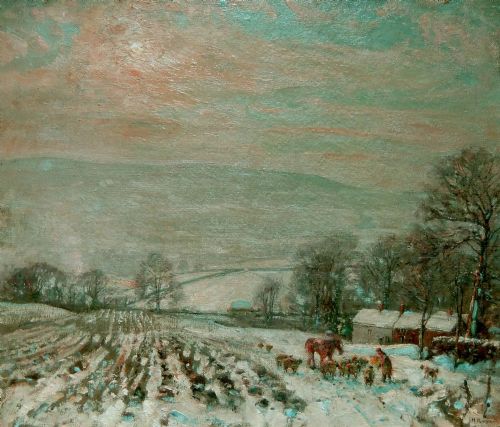
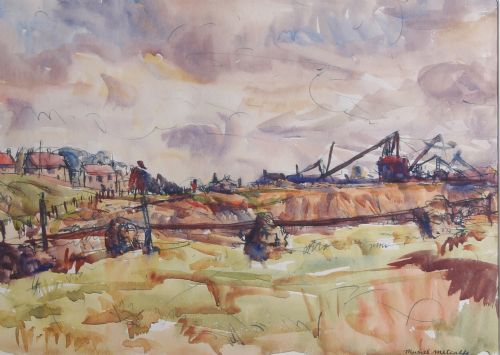
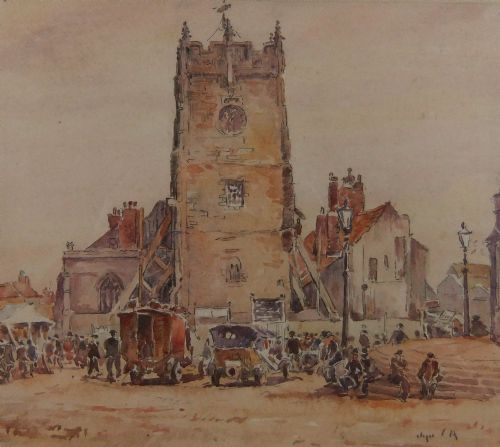
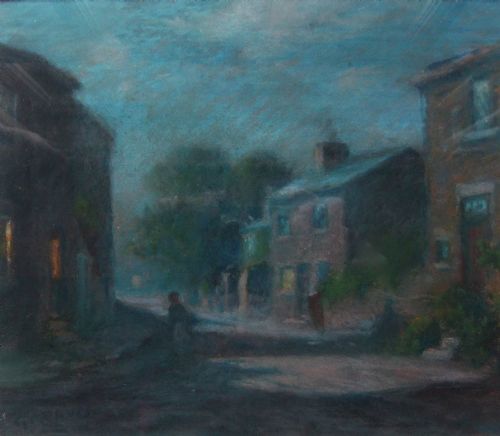


Vintage Yorkshire Landscape Painting
These vintage yorkshire landscape painting examples capture moorland, dales and coastal harbours through the brush of early to mid-century artists.
Vintage Yorkshire Landscape Painting
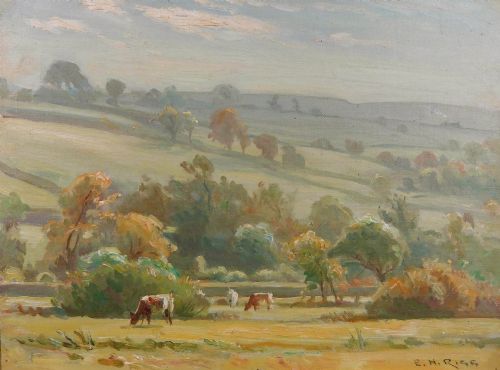
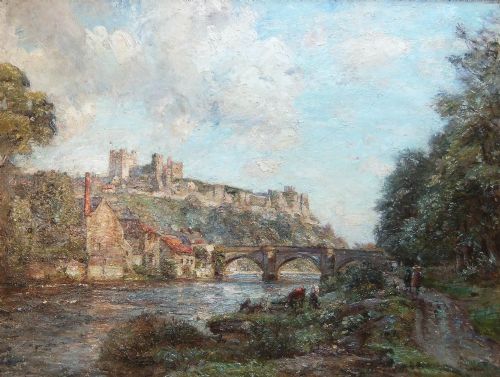
A vintage yorkshire landscape painting brings rural valleys, stone farmsteads and open moors into focus through regional artistic traditions. Collectors encounter works spanning from the late Victorian era through the mid-twentieth century.
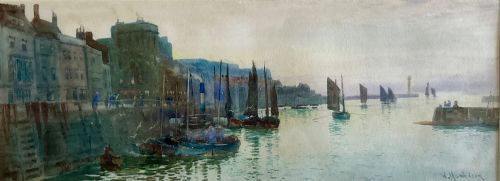
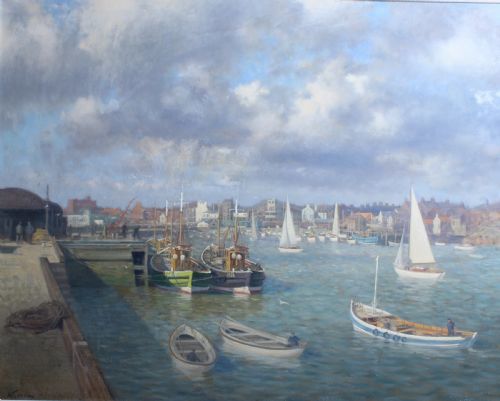
The compositions frequently depict recognisable locations including Wharfedale, Whitby harbour and the Cleveland hills. These pieces record local agricultural life, coastal fishing villages and sweeping dales scenery.
Works appear on canvas, wood panel, board and heavy paper supports. Smaller watercolours and pastel drawings sit alongside substantial oil paintings intended for prominent wall display.
Materials and Technique
Artists relied primarily on oil paint and watercolour pigment applied to canvas, stretched paper or wooden boards. Pastels also appear for softer atmospheric effects across rural views.
Brushwork ranges from tight illustrative precision in early twentieth-century watercolours to looser, impressionistic handling in mid-century oils. Pigments capture changing northern light across heather moors and coastal bays.
Subjects span from Whitby harbour views and inland river valleys to remote farmsteads on the North Yorkshire moors.
Assessing the Works
Quality rests upon the artist's command of light, topography and atmospheric depth within the Yorkshire setting. Stronger examples display confident handling of pigment and a distinct sense of place.
Condition varies according to historical storage, framing choices and the stability of the original support material. Works retaining their original studio provenance or exhibition labels command particular attention.
Herbert Royle·Ernest Higgins Rigg·Owen Bowen·Fred Lawson·Angus Rands
The Vintage Yorkshire Landscape Painting Glossary
- Impressionism
- A style of painting emphasising light and unblended brushstrokes rather than strict detail. Artists sought to capture momentary visual effects in outdoor settings.
- Dales
- Broad river valleys situated within the Yorkshire uplands. These agricultural landscapes form a primary subject for regional painters.
- Gouache
- An opaque water-based paint used to create solid colour areas in works on paper. It often appears alongside transparent watercolour pigments.
- Provenance
- The documented history of ownership associated with an artwork. This trail establishes authenticity and previous exhibitions.
- Support
- The physical foundation upon which the artist applies paint or pastel. Common examples include stretched canvas, wooden panel and heavy paper.
Vintage Yorkshire Landscape Painting: Frequently Asked Questions
How do I date a Yorkshire landscape painting?
Dating relies on stylistic evidence, artist signatures, framing materials and any inscribed titles verso. Costume details or architecture within village scenes also provide chronological markers.
Comparative analysis with known dated works by regional artists helps narrow the period of creation to a specific decade.
What is the difference between oil and watercolour here?
Oil paintings utilise heavy pigments suspended in drying oils on canvas or board, offering rich texture and depth. Watercolours employ water-soluble pigments on paper, creating lighter, translucent effects.
Oils were typically framed with heavy moulding, while watercolours required protective glass glazing.
Where were these regional artists active?
Painters worked across rural Yorkshire, establishing colonies in coastal fishing ports like Staithes and Whitby. Others based themselves inland around Wharfedale, Leeds and the North York Moors.
Local towns and agricultural valleys provided constant inspiration for plein air sketching expeditions.
How should I frame and display these paintings?
Period frames matching the era of the artwork complement the aesthetic and protect the edges of the canvas or paper. Watercolours require conservation mounting with UV-filtering glass to prevent pigment fading.
Placement should avoid direct sunlight and damp environments to preserve organic supports.