
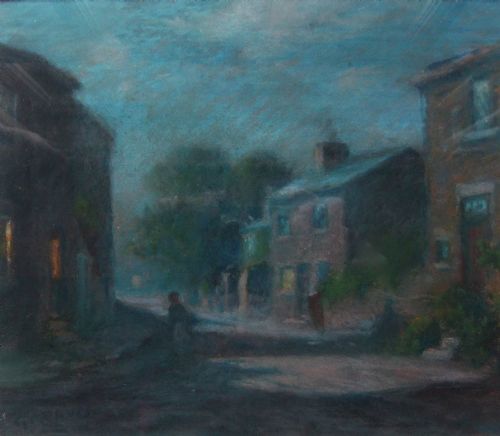


Vintage Yorkshire Art
Vintage Yorkshire art captures the distinctive light and topography of northern landscapes through the eyes of regional painters working across changing decades.
Vintage Yorkshire Art
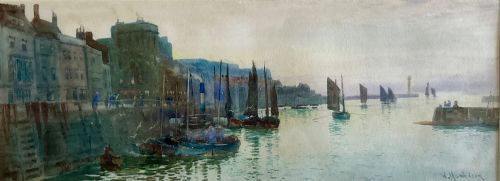
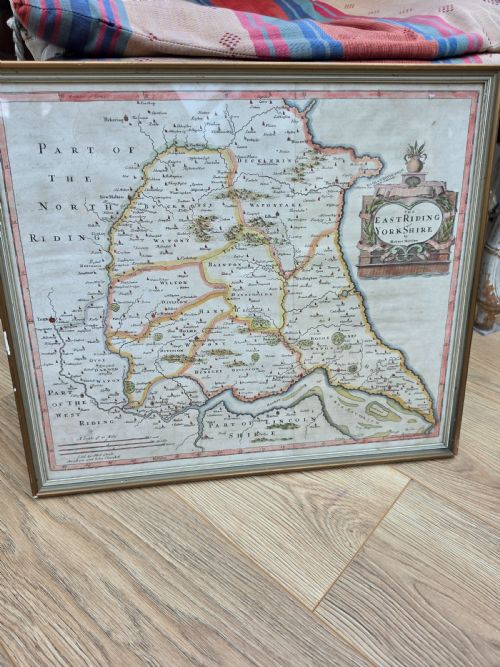
When you search for vintage yorkshire art, you encounter a focused selection of paintings and drawings depicting local dales, coastal harbours and rural farmsteads. These works span the late nineteenth century through to the mid-twentieth century, capturing the evolution of regional artistic expression.
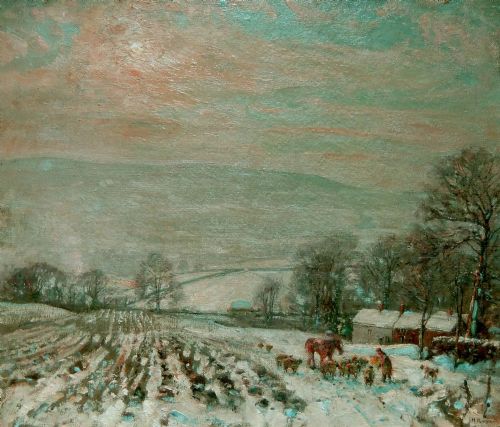
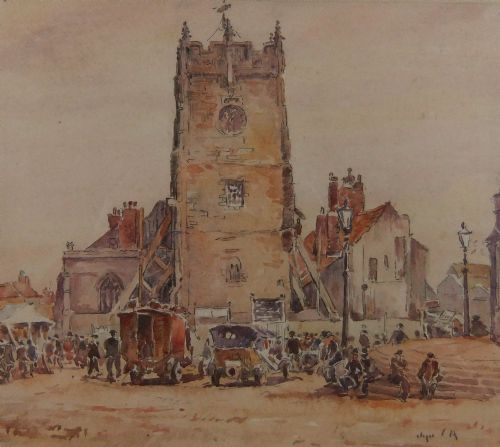
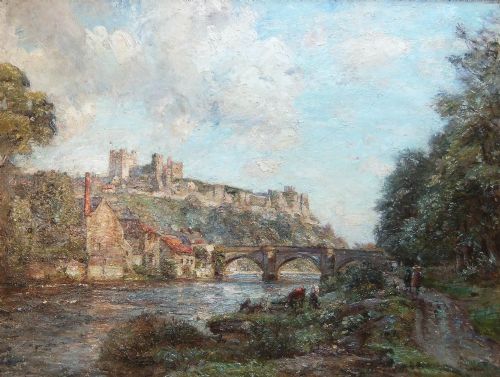
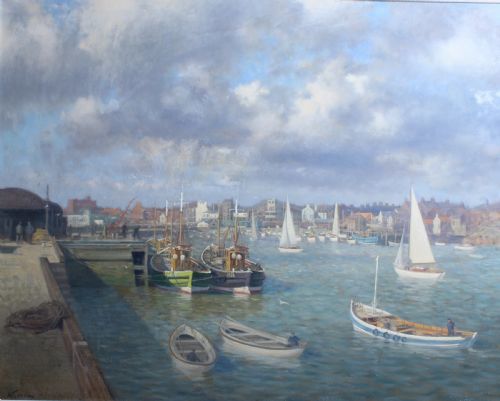
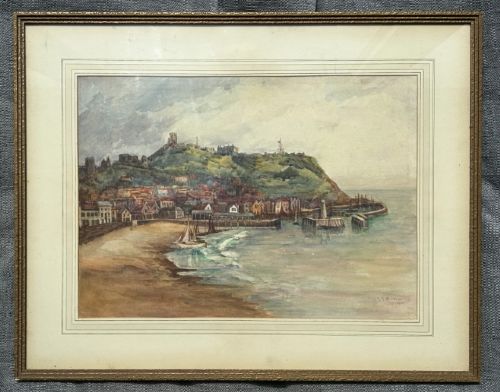
The material on this page leans heavily toward framed watercolours and oil paintings on canvas, panel or board. Subjects range from Whitby fishing docks and coastal bays to inland views around Bolton Castle, Wharfedale and surrounding villages.
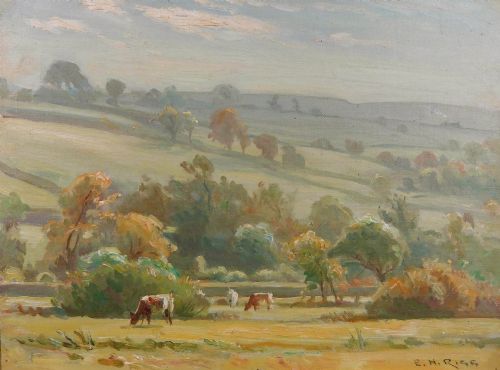
Stylistically, the selection reflects the broader movements of British Impressionism, Edwardian landscape traditions and Modern British approaches. Painters rooted in the area recorded familiar topography with varied brushwork, from the loose washes of watercolourists to the rich application of oil pigments.
How They Were Made
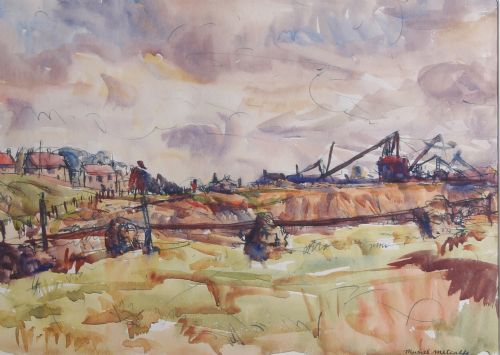
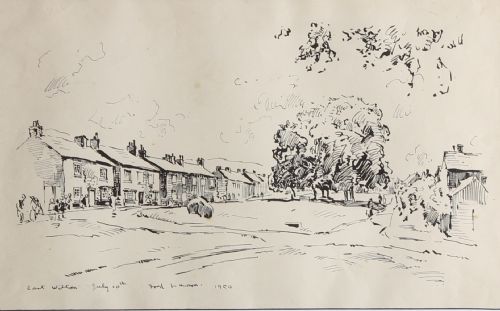
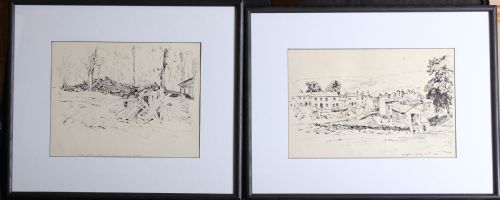
Artists working on these landscapes utilised traditional media, applying oil paint or watercolour pigment to paper, prepared canvas, wood panel or artist board. Watercolours often incorporate delicate ink drawing beneath washes of pigment, capturing rapid atmospheric effects along the coast and dales.
Works executed in oil rely on the manipulation of texture and colour, whether applied with the thick impasto of mid-century board paintings or the smoother, blended tones characteristic of earlier Edwardian canvases. Supports range from stretched linen to portable boards utilised for outdoor painting.
Listings feature paper, canvas, wood and board supports utilised across multiple decades of regional painting.
What Varies in Quality
The strength of a piece rests primarily on the artist's command of light, atmosphere and local topography, distinguishing a routine topographical sketch from a deeply observed study. Confident brushwork and a coherent sense of space elevate certain works above more formulaic compositions.
Preservation of the physical medium also dictates standing, with stable paint layers, minimal fading in watercolours and well-preserved original supports all contributing to the integrity of the piece.
Herbert Royle·Fred Lawson·Ernest Higgins Rigg·Owen Bowen·Florence Hess
The Vintage Yorkshire Art Glossary
- Watercolour pigment
- A water-soluble medium applied in transparent washes to paper, allowing light to reflect from the white sheet beneath. This technique suits rapid outdoor studies of changeable Yorkshire weather.
- Impasto
- Paint applied thickly to a canvas or panel so that the brush or palette knife marks stand visibly in relief. This technique adds tactile depth to scenes of foliage, stone and water.
- Diptych
- A painting comprising two distinct panels hinged or displayed together as a single matched pair. Artists occasionally utilised this format to capture wide coastal panoramas.
- Impressionism
- A style focused on accurate depiction of light and its shifting qualities rather than fine detail. British practitioners adapted these ideas to northern rural and marine subjects.
Vintage Yorkshire Art: Frequently Asked Questions
What subjects appear most often?
The works focus heavily on rural dales, farming valleys and coastal fishing ports across the region.
Scenes frequently feature locations such as Whitby, Staithes, Bolton Castle and Wharfedale.
How do watercolours differ from oils here?
Watercolours typically employ fluid washes and ink line work on paper for lighter atmospheric effects.
Oils use heavy pigments on canvas, panel or board to build richer textures and deeper tones.
Which periods are represented?
The selection spans from the late nineteenth century through the Edwardian era and into the mid-twentieth century.
Most pieces cluster around the early decades of the nineteen hundreds up to the nineteen fifties.
How do I care for these paintings?
Keep works out of direct sunlight to prevent watercolour pigments from fading and oil varnishes from yellowing.
Display them away from damp walls and extreme temperature fluctuations to protect the paper, canvas or wood supports.