





Vintage Yomut Carpet
A vintage yomut carpet brings the bold geometric rhythms of Central Asian nomadic weaving directly to your floor or wall.
Vintage Yomut Carpet
A vintage yomut carpet encompasses a range of tribal textiles originating from the Trans-Caspian steppes and Turkmenistan, produced by Turkmen weavers across periods spanning the mid nineteenth century to the early twentieth century.
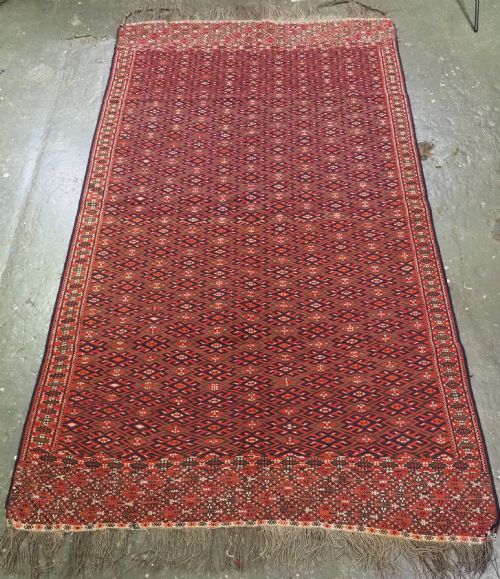
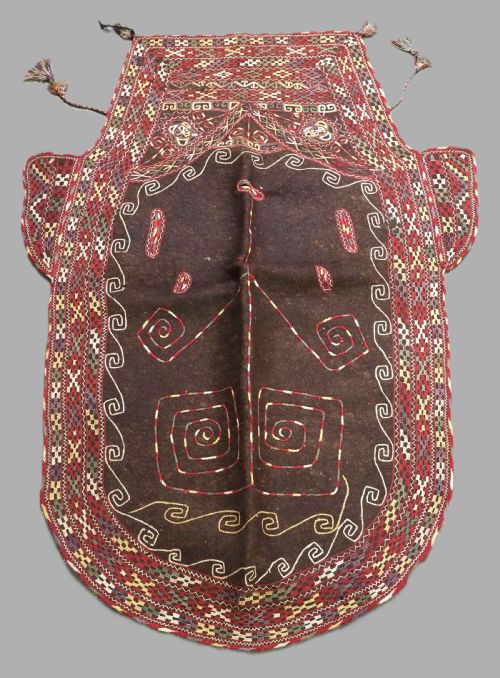
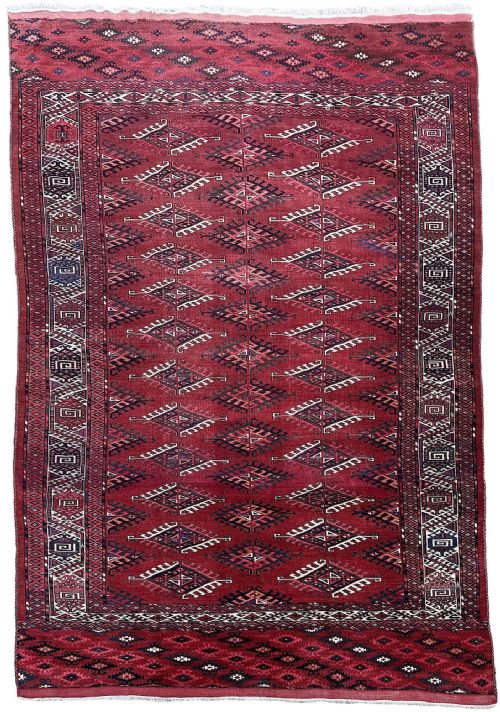
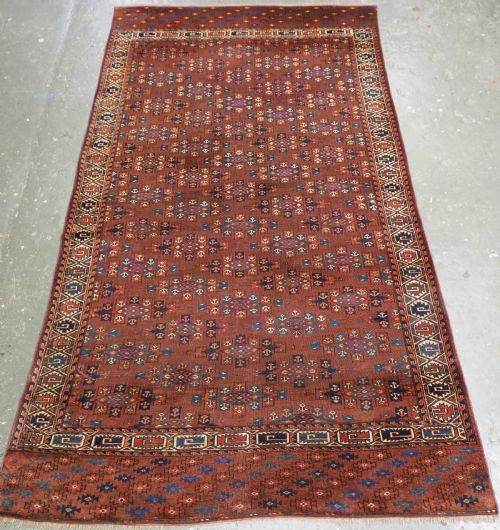
The selections available here include larger main carpets featuring traditional motifs like the kepse gul, smaller rugs, flatweave kilims, and specialised pieces such as chuvals and embroidered ceremonial horse blankets.
These floor coverings and textiles reflect the distinct aesthetic of Turkmen tribal design, often utilising repeat lattice patterns and disciplined geometric layouts that mark them out from other Central Asian styles.
How They Were Made
The construction relies heavily on wool and hand-spun wool, sometimes reinforced with cotton thread or silk thread for specific structural or decorative details.
Weavers employed natural dyes to achieve deep colour palettes, creating flatweave soumak structures, pile rugs, and even felted wool surfaces as seen in ceremonial horse blankets.
Vintage Yomut Carpet Retail Price Guide 2026
Typical asking prices for vintage yomut carpet among the pieces listed under this phrase on Sellingantiques today, from the lower quarter to the upper quarter. They describe what is for sale here now, not the wider market.
Listings span a production period from the 1860s through the 1930s, using wool, hand-spun wool, and natural dyes.
What Varies in Quality
The finesse of the weaving varies significantly, distinguishing standard utility pieces from finely woven examples that display tighter knotting and sharper geometric definition.
The Vintage Yomut Carpet Glossary
- Chuval
- A large tent bag face produced by Turkmen tribes, often featuring multiple guls and used traditionally for storage within a yurt.
- Gul
- A primary medallion or repeating octagonal motif characteristic of Turkmen carpets and tribal weaving traditions.
- Kepse Gul
- A specific repeating lattice or diamond-shaped design motif frequently found in Yomut main carpets.
- Palas
- A flatweave textile or rug produced without pile, often utilising soumak technique for added texture and pattern strength.
- Soumak
- A wrapping technique used in flatweaving that creates a durable structure with a smooth face and raised pattern definition.
Vintage Yomut Carpet: Frequently Asked Questions
How do I hang a yomut rug on the wall?
Smaller formats such as chuvals and flatweave kilims are frequently mounted as wall art due to their striking visual impact.
Conservation-grade velcro systems or custom fabric sleeves distribute the weight evenly without damaging the antique wool structure.
What is a kepse gul design?
The kepse gul is a distinct repeat lattice pattern characteristic of traditional Yomut main carpets.
It forms an interlocking network of geometric shapes that creates a sense of continuous movement across the field.
Are all yomut carpets pile rugs?
The selection includes both piled main carpets and flatweave structures such as palas soumak kilims.
Specialised items like ceremonial horse blankets incorporate felted wool and embroidery rather than standard knotted pile.