




Vintage Yew Furniture
Vintage yew furniture brings rich grain and warm tone to a room, offering classic forms built from native British timber.
Vintage Yew Furniture
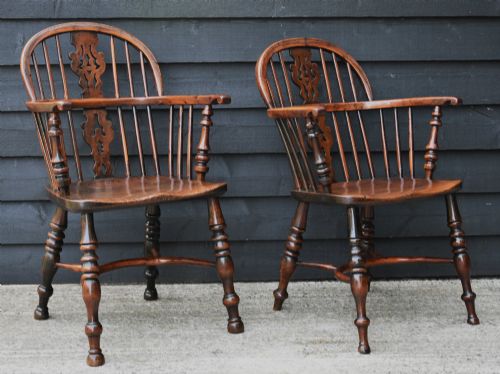
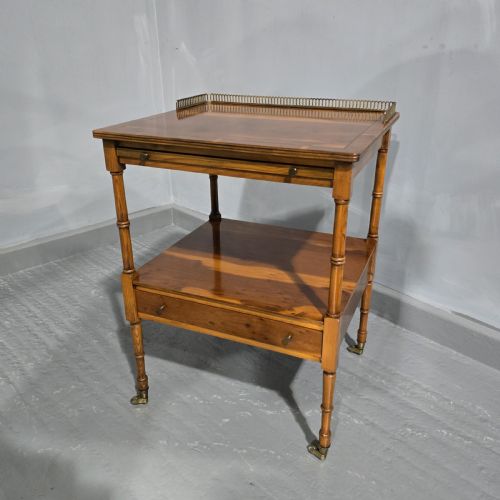
The selections available here lean heavily toward seating such as Windsor armchairs, along with compact storage chests and occasional tables. Pieces emerge from periods like the Georgian era, the Regency period, and later revival decades.
Makers utilised yew wood alongside elm and ash, producing durable items designed for everyday use in British homes. The forms range from vernacular country seating to formal Georgian and Regency designs.
How they were made
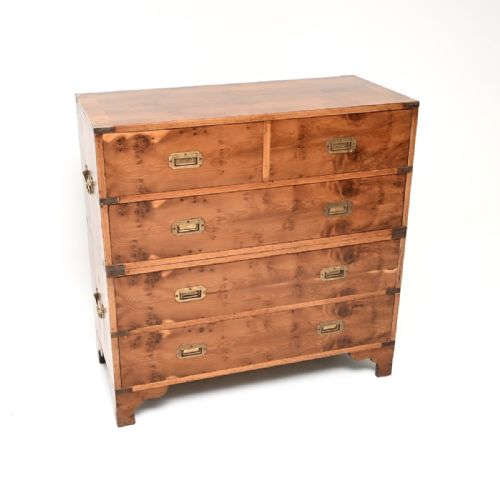
Makers constructed these pieces using solid timbers like yew, elm, and ash, frequently combining woods within a single item such as a Windsor chair. Cabinet makers also applied burr yew veneer over secondary woods to create decorative surfaces on chests and tables.
Metal fittings such as brass appeared on specialist items like serving cabinets and chests, adding functional contrast to the timber. Construction relied on traditional joinery techniques suited to the dense and characterful nature of native woods.
Vintage Yew Furniture Retail Price Guide 2026
Typical asking prices for vintage yew furniture among the pieces listed under this phrase on Sellingantiques today, from the lower quarter to the upper quarter. They describe what is for sale here now, not the wider market.
Materials recorded across the selection include solid yew, burr yew veneer, elm, ash, oak, and brass.
What varies in quality
The visual appeal of vintage yew furniture rests largely on the figuring of the wood grain and the richness of the natural patina. Pieces featuring striking burr yew veneer or well-matched solid timber display greater visual depth.
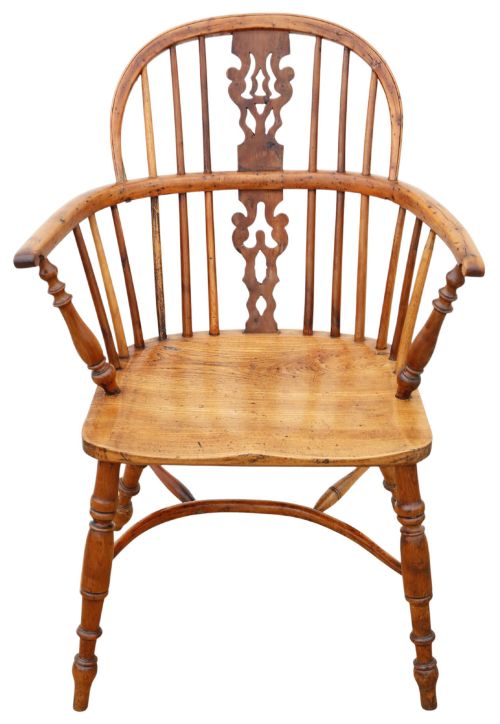
Structural integrity depends on the precision of the original joinery and the survival of secondary timbers like elm seats in Windsor chairs. Regional variations in turning and spindle placement also distinguish standard workshop production from finer regional examples.
Allsop Worksop·Edward Barnsley
The Vintage Yew Furniture Glossary
- Windsor chair
- A wooden chair built with a solid sculpted seat into which the legs and back spindles are wedged directly. This form developed deep regional variations across British counties.
- Burr yew veneer
- A thin slice of wood cut from a yew tree growth burl, showing swirling patterns. Cabinet makers applied this to furniture fronts for decorative effect.
- Comb back
- A Windsor chair design where the central vertical spindles extend up to form a low headrest resembling a comb. It represents an evolution in vernacular seating comfort.
- Carver
- An armchair designed to match a set of dining chairs, typically featuring elbow rests. These pieces often served at the head of a table.
Vintage Yew Furniture: Frequently Asked Questions
What woods are found in vintage yew furniture?
Makers combined yew wood with native timbers such as elm, ash, and oak. Chairs frequently pair a yew or elm seat with ash spindles and yew bow sections.
Cabinet pieces often utilise solid yew or feature burr yew veneer applied over secondary woods for decorative fronts.
How do I identify a Thames Valley Windsor chair?
Thames Valley chairs typically display refined turning on the legs and stretchers, alongside a distinctive wheel or pierced splat back. The timber selection often includes high-quality yew combined with elm.
These pieces reflect skilled regional craftsmanship associated with workshops operating along the river trade routes.
Where were Windsor chairs used in the home?
Windsor chairs served as versatile seating placed around dining tables, in studies, or by hearths. Their sturdy construction made them suitable for daily domestic tasks.
Smaller child versions were also produced for nurseries and family parlours.
How should I care for yew wood furniture?
Maintain the timber by keeping pieces away from direct heat sources and sudden humidity changes. Regular dusting with a soft cloth preserves the natural finish.
Applying a traditional beeswax polish occasionally helps nourish the grain and protect the surface patina.