

Vintage Wrought Iron Lighting
Vintage wrought iron lighting brings heavy forged metal and glass together in chandeliers, lanterns and floor lamps designed to anchor a room.
Vintage Wrought Iron Lighting
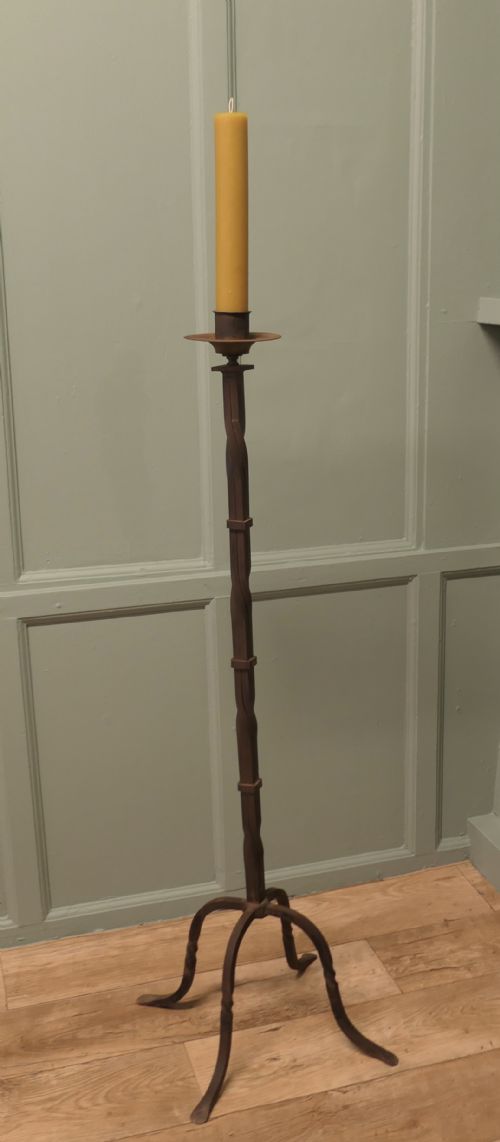
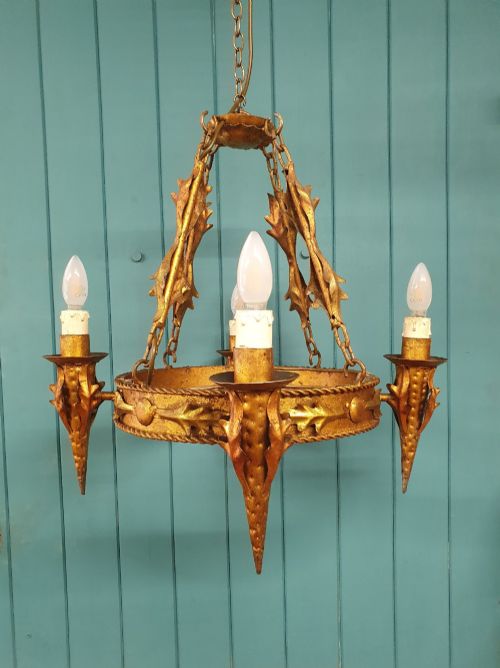
Vintage wrought iron lighting encompasses heavy metal fixtures forged by hand or shaped in industrial workshops to illuminate domestic and architectural spaces. When you search for vintage wrought iron lighting, you encounter everything from towering candelabra stands to intricate chandeliers.
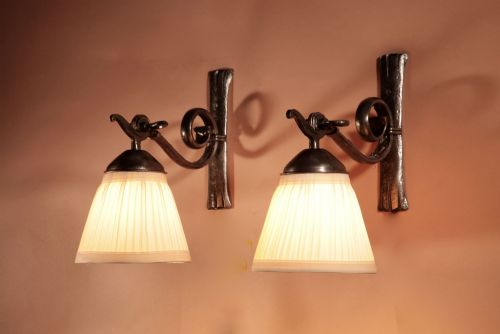
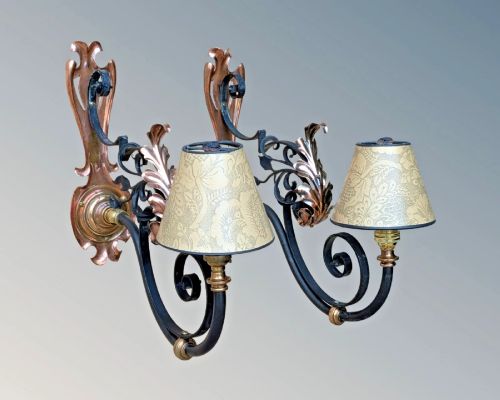
The selections span several centuries, including Victorian designs, 1920s French lanterns, and Arts and Crafts wall lights. Floor lamps with adjustable arms and wall sconces complete the forms most frequently found on this page.
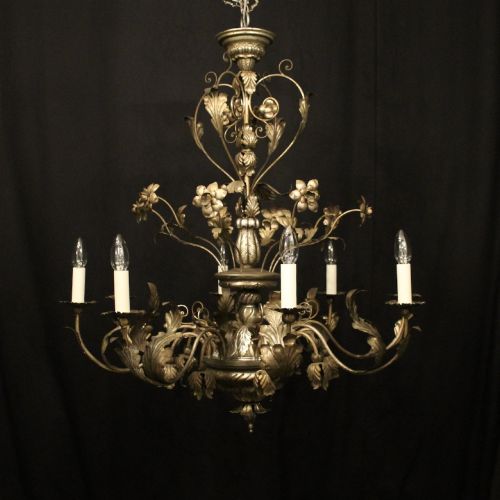
Makers utilised these durable metals alongside glass, brass, and crystal to create functional objects with strong decorative presence. Pieces often reflect specific regional aesthetics, such as French chateau styles or Italian Florentine work.
Materials and forging techniques
Blacksmiths heated and hammered iron bars over anvils, twisting and bending the metal into scrolling brackets, structural frames, and slender stems. This hot-working method produced the organic textures and visible hammer marks characteristic of genuine forged ironwork.
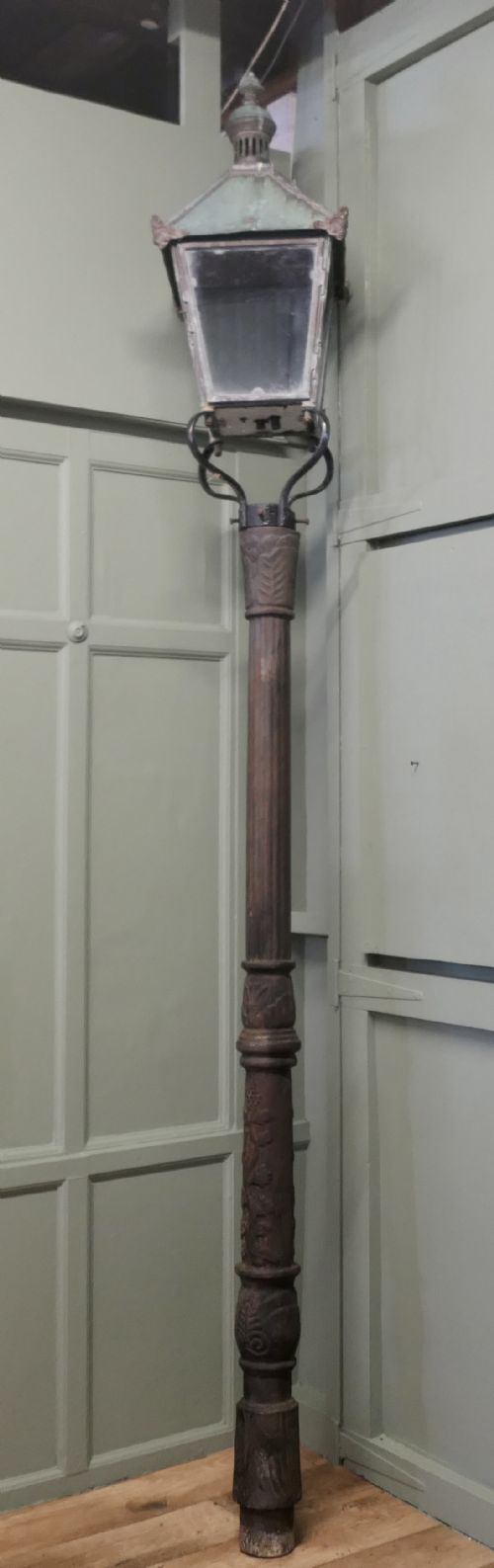
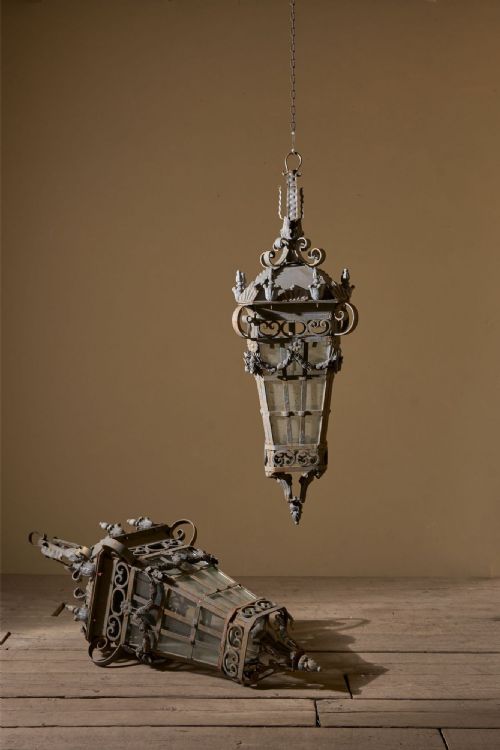
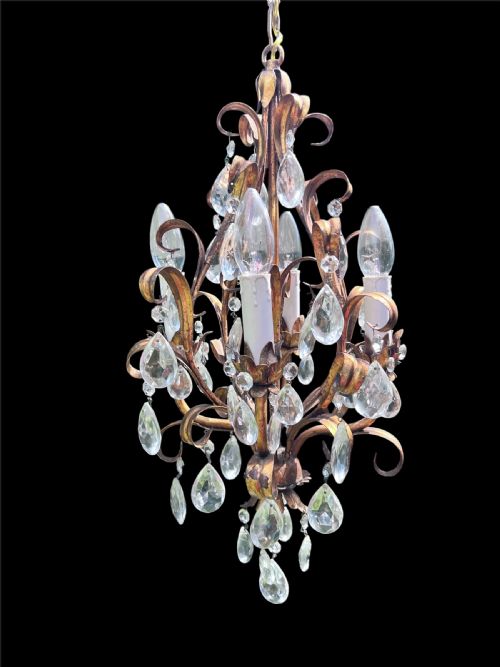
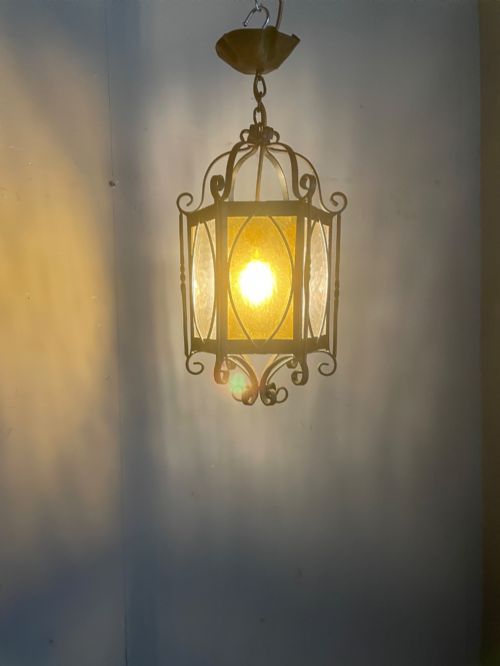
Makers combined the dark iron with contrasting elements like blown glass shades, brass fittings, and crystal drops. Glazed hexagonal lanterns integrated sheet copper and zinc with iron frames to withstand exterior exposure or heavy interior use.
One unexpected chandelier hangs heavy with coloured glass fruits, featuring apples, pears, and grapes carved from crystal.
Assessing quality in metalwork
Quality rests upon the skill of the hand-forging and the integrity of the structural joints. Superior pieces display fluid, purposeful manipulation of the iron rather than rigid, machine-stamped uniformity.
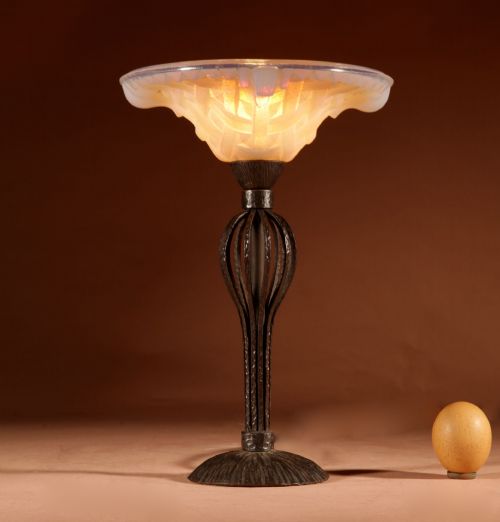
The integration of secondary materials dictates overall refinement. Fine examples pair heavy iron armatures with high-grade opalescent glass, crystal fruit drops, or meticulously fitted brass components that balance weight with visual lightness.
REVO Leicester·Lacroix Lalique·Schneider·Daum
The Vintage Wrought Iron Lighting Glossary
- Rush nip
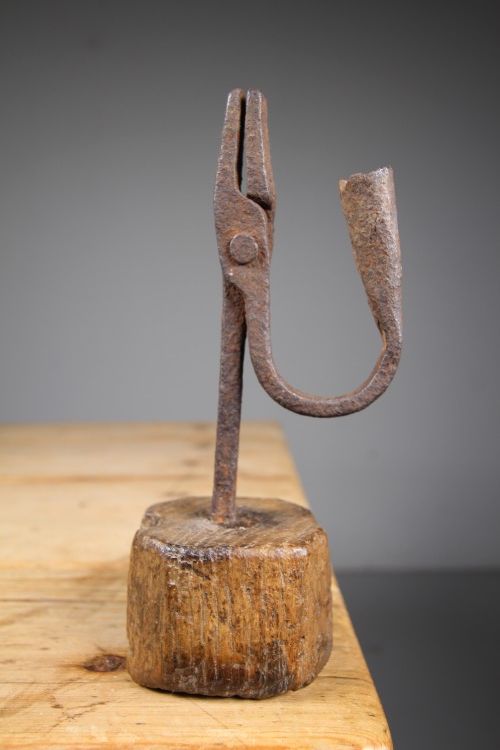
- A simple spring-loaded clip designed to hold a burning rushlight for illumination. These early utilitarian objects predate modern electrical wiring.
- Torchiere
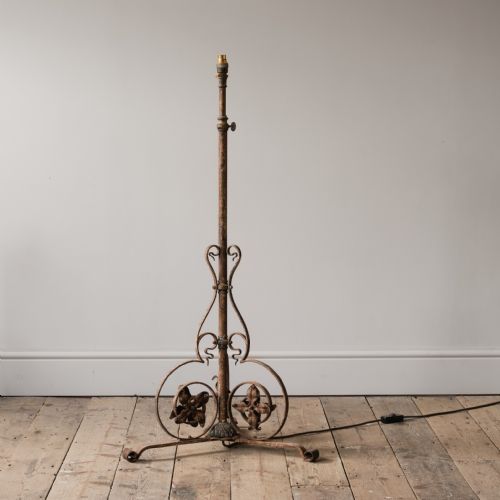
- A tall floor lamp directing light upwards toward the ceiling. They often feature heavy iron standards and decorative tripod bases.
- Pricket candlestick
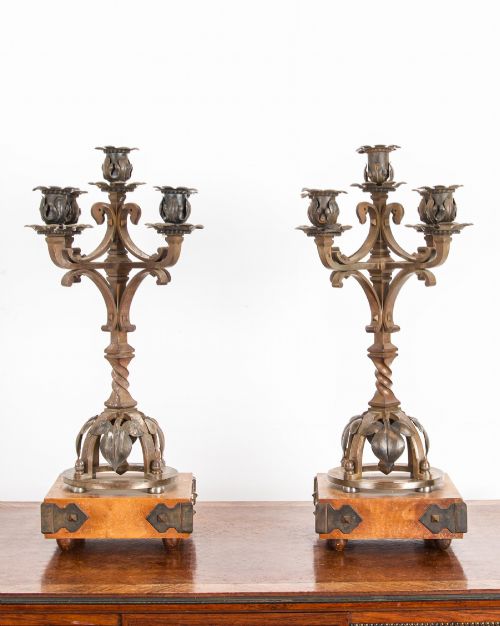
- A candle holder featuring a central metal spike that pushes directly into the base of the wax candle. They frequently appear in ecclesiastical or Gothic revival settings.
- Coronet chandelier
- A crown-shaped hanging light fixture adorned with metal scrollwork and crystals. They draw inspiration from noble coronet designs.
- Hexagonal lantern
- A six-sided hanging or wall-mounted light enclosed with glass panels. These frames protect the flame or bulb from drafts.
Vintage Wrought Iron Lighting: Frequently Asked Questions
How do I install vintage iron chandeliers?
Heavy iron chandeliers require secure ceiling joist attachment and appropriate electrical boxes to support their substantial weight safely. Professional installation is strongly recommended for large multi-branch fixtures.
Ensure the hanging chain and wiring are inspected by a qualified electrician before mounting older pieces in living spaces.
Were these lights originally wired for electricity?
Many older pieces began as candle holders, rushlight holders, or gas fixtures before undergoing conversion to electricity during subsequent decades. Some retained their original socket configurations or adapted successfully to modern wiring.
Examining the internal channels reveals whether wiring paths were added later or incorporated during a mid-century update.
How do I clean wrought iron and glass?
Wipe the forged iron surfaces gently with a dry or lightly oiled cloth to remove dust without disturbing the protective patina. Avoid harsh chemical cleaners that strip historical finishes.
Remove glass shades or crystal drops carefully for washing in warm soapy water before reattaching them to the metal frame.
Can these lanterns be used outdoors?
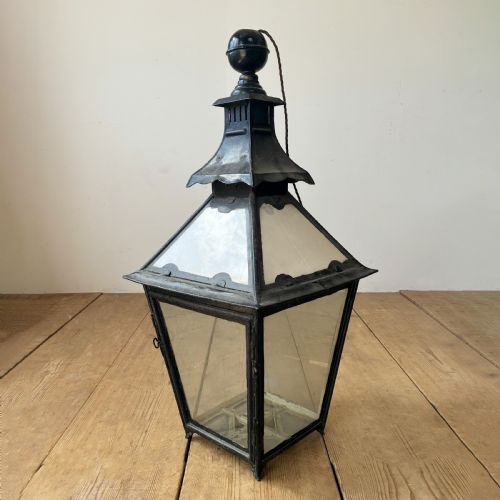
Exterior lanterns constructed from iron, copper, and zinc were originally built to withstand weather exposure on street fronts or doorways. Modern placement outdoors depends on the current weatherproof rating of the electrical components.
Consult an electrician to verify if specific wall brackets and glass enclosures meet current safety standards for external use.