


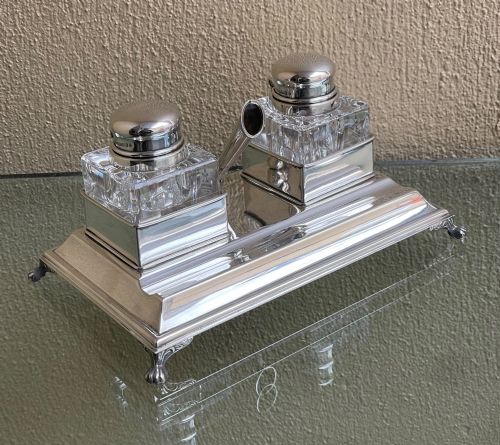

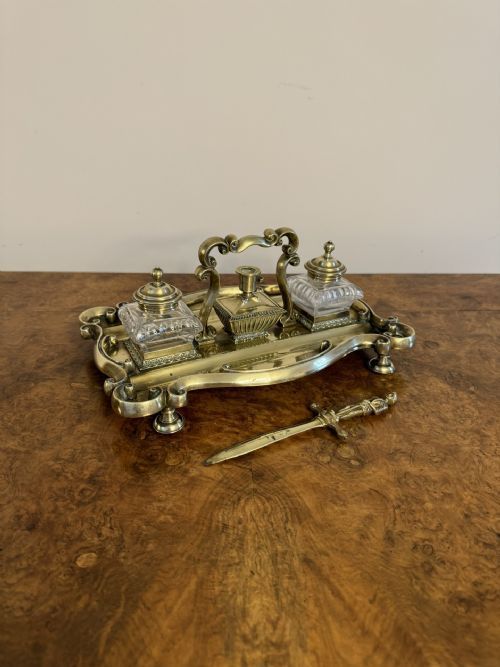
Vintage Writing Stand
A vintage writing stand brings order to correspondence, offering a dedicated surface and fitted compartments for daily writing.
Vintage Writing Stand
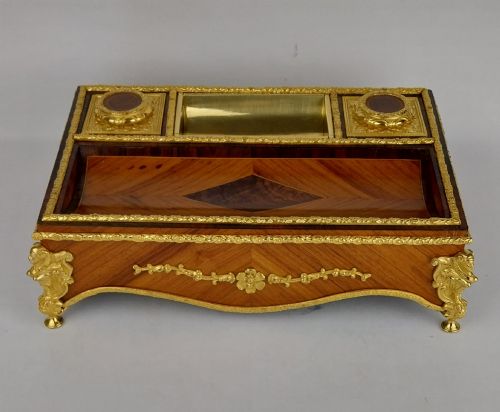
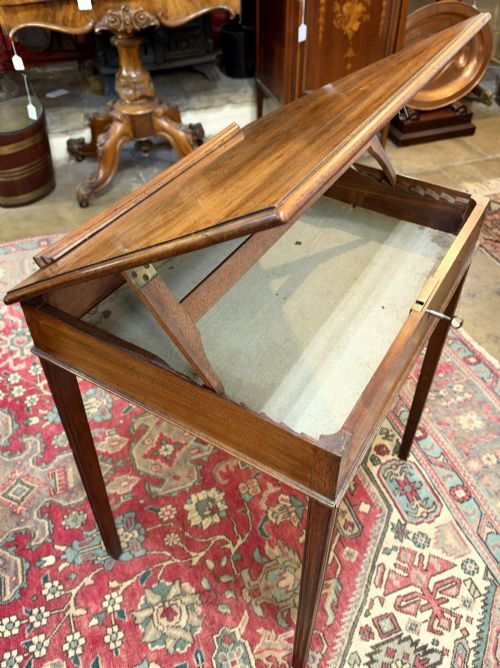
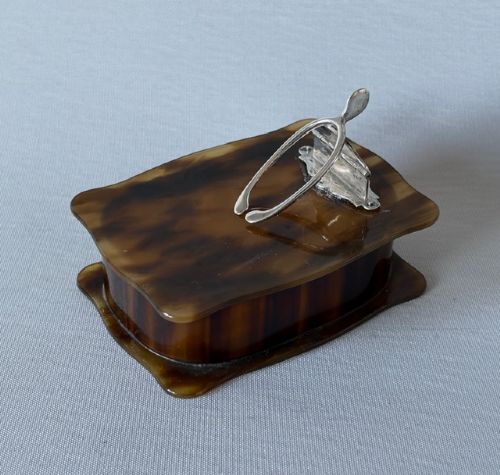
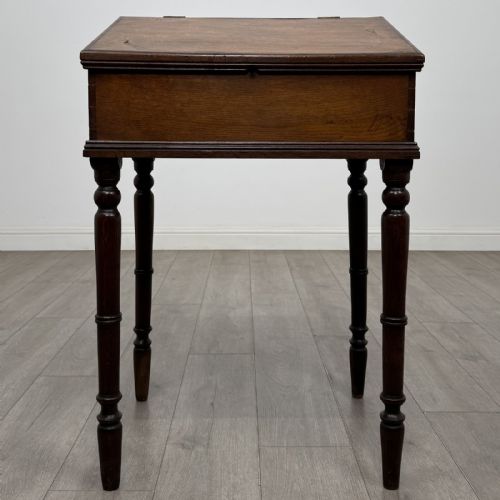
A vintage writing stand encompasses various desks, inkstands, and bureau forms designed for holding writing implements and paper. These pieces span the nineteenth century, the Edwardian era, and into the nineteen thirties, reflecting shifting domestic habits.
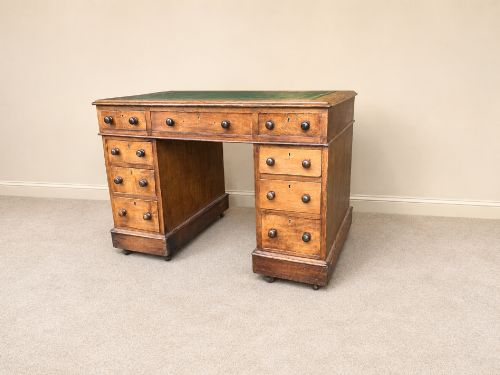
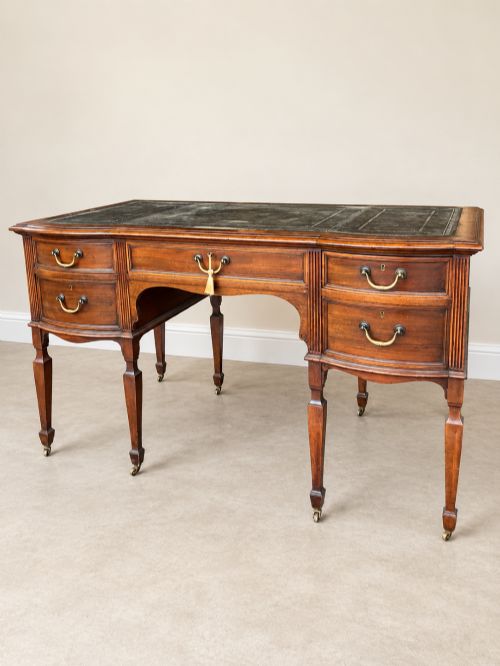
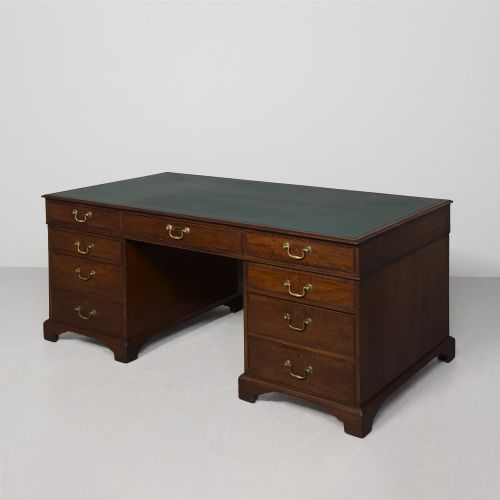
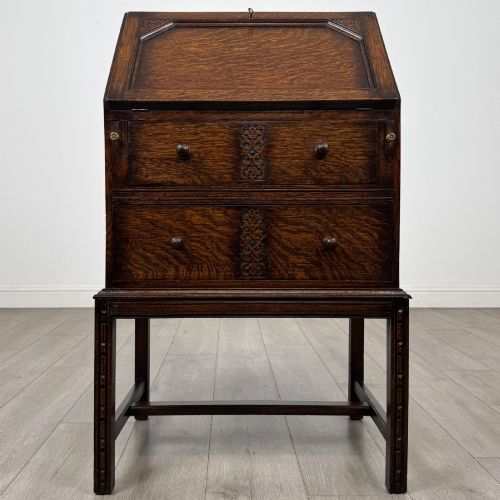
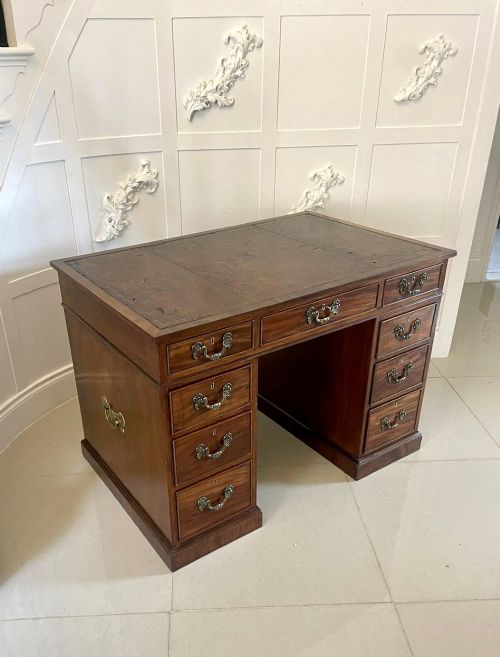
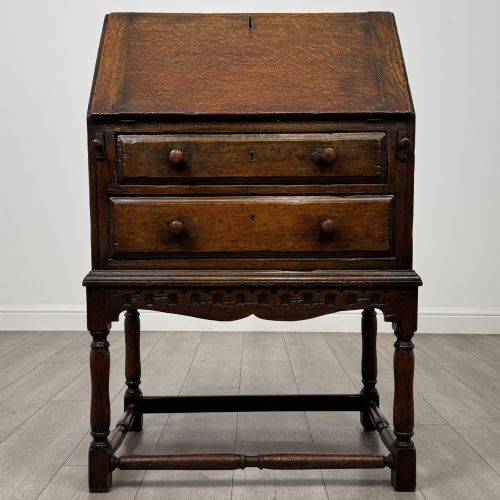
The most common examples on this page include compact Edwardian oak bureaux, Victorian mahogany partner desks, and brass or silver-mounted desk sets. Buyers encounter everything from portable inkwells to large freestanding partner desks intended for studies and libraries.
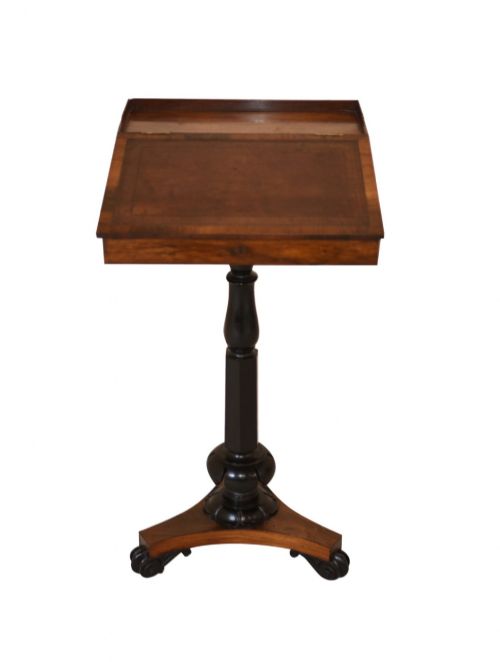
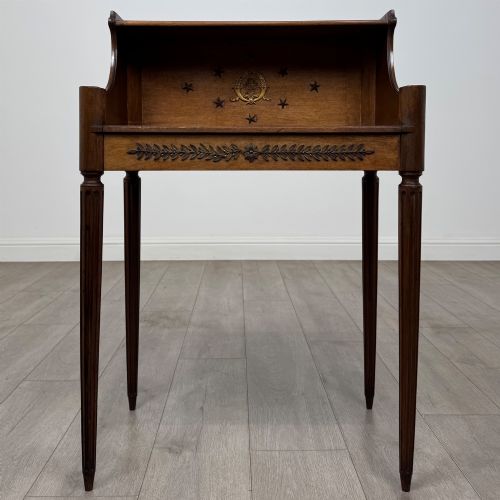
Origins range from English workshops to continental makers, incorporating styles from Georgian and Regency revivals to Art Nouveau and Art Deco designs. Each configuration serves a specific function within correspondence, whether for standing work or seated desk management.
Materials and construction
Carpenters utilised solid and veneered timbers including mahogany, walnut, burr walnut, oak, and elm, often pairing them with brass galleries, hinges, and locks. Writing surfaces frequently incorporated inset leather panels to provide a smooth, resilient pad for pen nibs.
Smaller desk accessories and inkstands rely on cast brass, silver plating, solid sterling silver, glass, porcelain, and papier-mâché. Stoneware like Dutch Delft faience and Ashford marble also appear in desk tidies, holding glass inkwells and pen rests.
Joinery techniques ranged from dovetailed drawers in fitted interior compartments to brass mountings secured on portable desk sets. Inlaid woodwork utilised contrasting stringing and decorative motifs suited to Edwardian and Victorian tastes.
Vintage Writing Stand Retail Price Guide 2026
Typical asking prices for vintage writing stand among the pieces listed under this phrase on Sellingantiques today, from the lower quarter to the upper quarter. They describe what is for sale here now, not the wider market.
Craftsmanship and materials
The distinction between standard pieces and superior examples lies in the selection of timber veneers, such as richly figured burr walnut or substantial mahogany, and the precision of the internal stationery compartments. Better items feature seamless dovetailing, original hardware, and heavy gauge brass or solid silver mountings rather than plated base metals.
Artistic execution sets apart items like hand-painted Kashmiri papier-mâché desk tidies or Dutch Delft faience inkstands from mass-produced wares. The integration of functional mechanics, such as metamorphic risers or double-sided drawer configurations, demonstrates higher workshop ambition.
Preservation of original surfaces, fitted leather inserts, and matching inkwell lids elevates an object's integrity. Subtle details like hand-carved oak panels and crisp inlay determine the overall sophistication of the piece.
Stanley Webb Davies·A Cohen and Co Ltd London·Walker And Hall·Harrods
The Vintage Writing Stand Glossary
- Bureau
- A writing desk with a sloping hinged flap that opens to reveal internal pigeonholes and small drawers. This form became popular for storing correspondence securely out of sight.
- Inkstand
- A tray or stand holding one or more inkwells along with pen rests and sometimes a sander or bell. These desk accessories sat centrally on writing tables.
- Partner desk
- A large freestanding desk designed with drawers and cupboards on both sides so two people could work opposite each other. These substantial pieces usually date to the nineteenth century or earlier.
- Escritoire
- A tall writing cabinet with a drop-front writing surface. They frequently display decorative wood veneers such as oyster walnut.
- Capstan inkwell
- A circular desk inkwell shaped like a ship's capstan, typically featuring a wide base that tapers upwards to a silver or brass-rimmed lid. They often incorporated pocket watches or calendars into the design.
Vintage Writing Stand: Frequently Asked Questions
What is a writing stand used for?
A writing stand holds inkwells, pens, and blotting paper, keeping essential correspondence tools organised on a desktop or table. They provided a centralized station for letter writing before the advent of modern printing.
Today, these stands serve a similar decorative and practical purpose in home offices, organising modern pens and stationery while adding period character to a room.
How do I tell Victorian from Edwardian desks?
Victorian writing stands typically feature heavier mahogany or walnut construction, darker finishes, and more ornate brass mounts or carving. They often prioritize formal presence and substantial proportions.
Edwardian pieces tend to be lighter in scale, frequently utilising inlaid mahogany, satinwood stringing, or lighter oak with simpler, airier silhouettes suited to Edwardian homes.
Where should I place a desk stand?
A desk stand looks best positioned on a partner desk, library table, or bureau where it can function as intended. Placing it on a flat surface away from direct heat sources helps preserve the wood, leather, and metal components.
Ensure the room has adequate natural light if you plan to use the writing surface for actual correspondence or reading tasks.
What materials are common in inkstands?
Common materials include cast brass, solid mahogany, oak, sterling silver, glass, and porcelain. Many desk sets combine several materials, pairing a wooden or onyx base with glass inkwells and silver-plated mounts.
Specialist pieces also utilise papier-mâché, Dutch Delft faience, and Ashford marble to create decorative desktop items.