



Vintage Worcester Ceramic
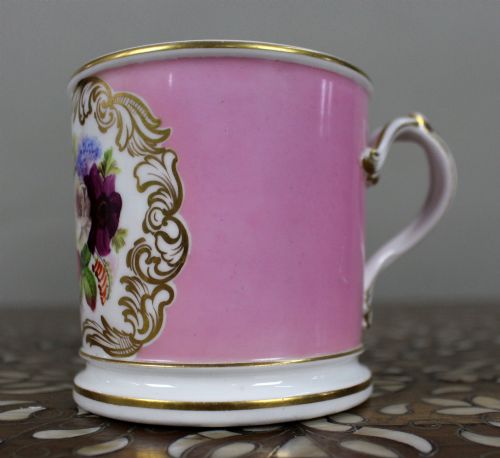
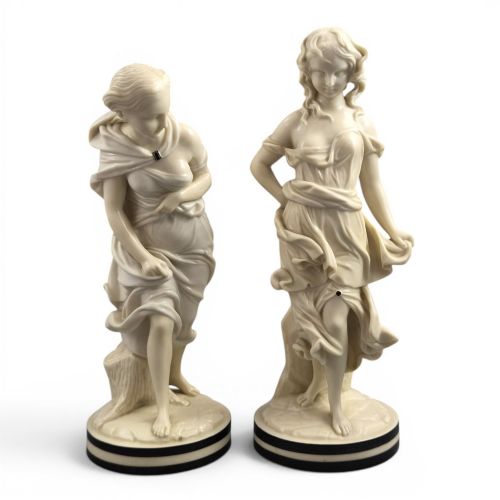
Vintage worcester ceramic covers porcelain figures, cabinet plates, and vases spanning the eighteenth century through the mid-nineteenth century.
Vintage Worcester Ceramic
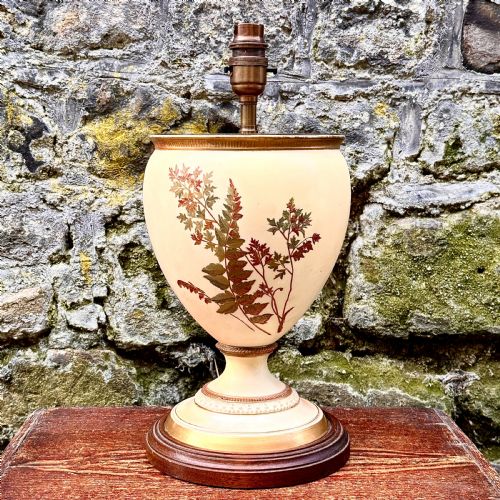
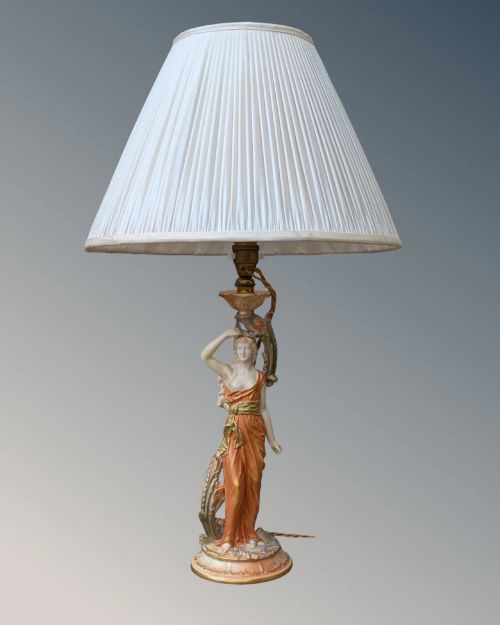
When considering vintage worcester ceramic pieces, buyers encounter domestic and decorative items stretching from eighteenth-century blue and white tableware to mid-twentieth-century hand-painted fruit studies. The selection ranges through Victorian figures, Edwardian lamps, and Georgian armorial jugs.
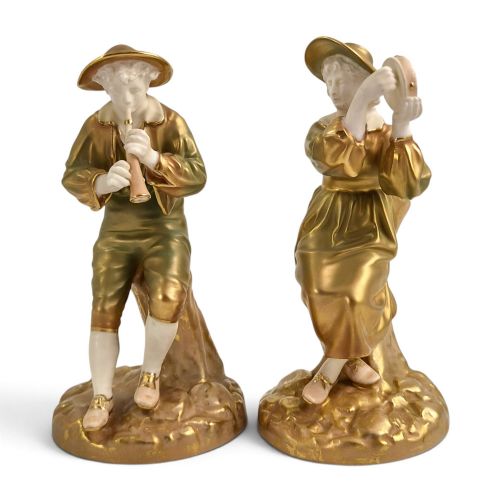
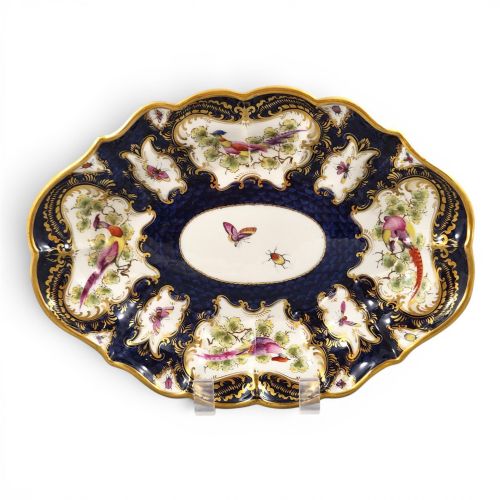
Figurines and cabinet plates dominate the selection, often signed by renowned studio artists who specialised in botanical or fruit painting on porcelain and bone china.
Assessing the Standard
The standard of execution in vintage worcester ceramic items rests upon the precision of the hand-painted details and the crispness of the porcelain moulding. Pieces featuring recognised artist signatures and complex polychrome decoration command greater attention than standard utilitarian wares.
The application of gilding and the preservation of enamel colours without rubbing or fading determine the overall integrity of the finished object.
Vintage Worcester Ceramic Retail Price Guide 2026
Typical asking prices for vintage worcester ceramic among the pieces listed under this phrase on Sellingantiques today, from the lower quarter to the upper quarter. They describe what is for sale here now, not the wider market.
The listings span from eighteenth-century blue and white porcelain to mid-twentieth-century hand-painted fruit porcelain.
Royal Worcester·Grainger Worcester·Chamberlain Worcester·Grainger and Co
The Vintage Worcester Ceramic Glossary
- Cabinet plate
- A decorative ceramic plate intended for display rather than dining service. These items often feature elaborate hand-painted fruit or landscape scenes.
- Blush ivory
- A matte cream-coloured porcelain body introduced during the late nineteenth century. It frequently serves as a ground for floral or gilded decoration.
- Pot pourri
- A decorative vase or jar with a pierced cover designed to hold scented dried plant material. These vessels often incorporate intricate mouldings and painted motifs.
- Armorial
- A ceramic design incorporating a coat of arms or family crest. These bespoke commissions date primarily to the eighteenth and early nineteenth centuries.
- Bone china
- A type of soft-paste porcelain incorporating bone ash. This material yields a strong, translucent body suited to delicate figurine and tableware production.
Vintage Worcester Ceramic: Frequently Asked Questions
How do I identify eighteenth century pieces?
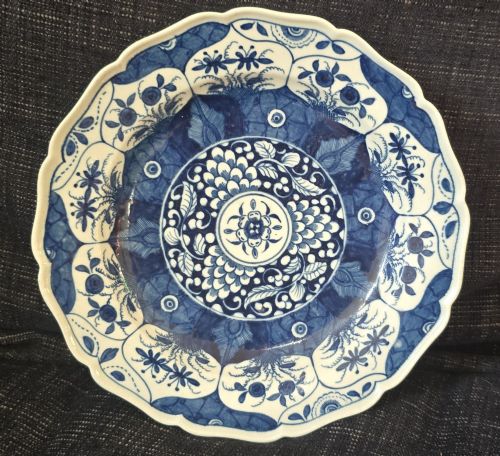
Eighteenth-century examples typically feature underglaze blue and white transfer printing or hand-painted oriental scenes. These items often display early crescent or script marks on the unglazed base.
Examine the weight and translucency of the paste, as earlier porcelain bodies differ noticeably from the bone china adopted in later decades.
Are painted fruit designs common?
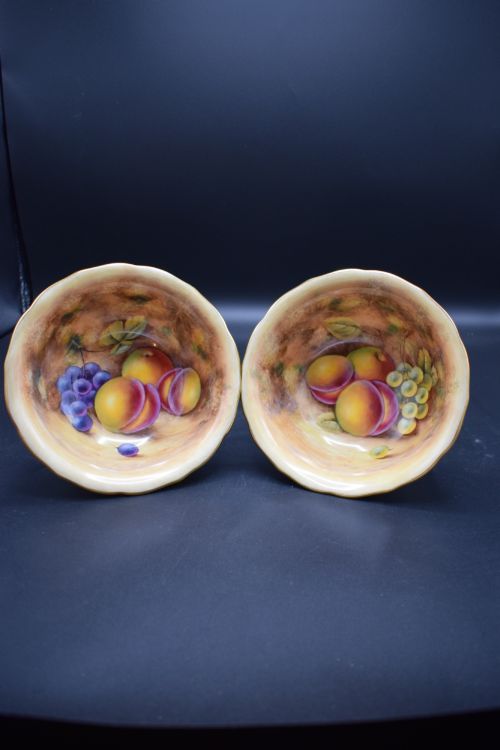
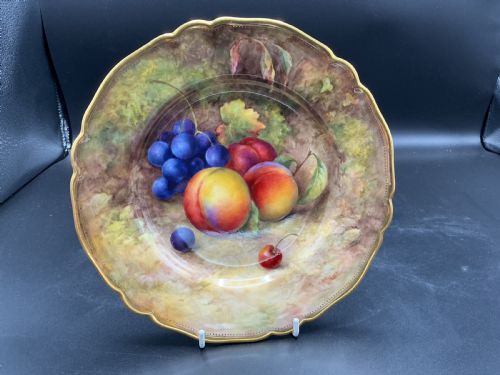
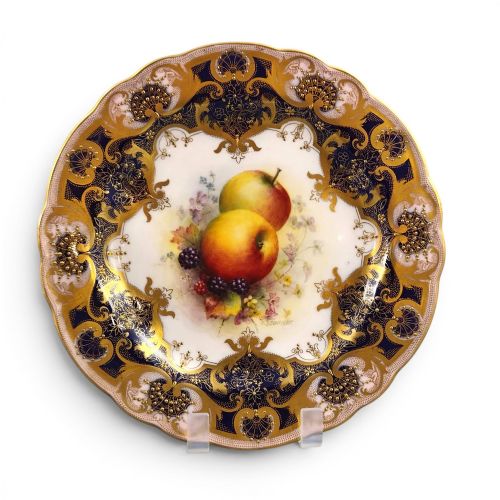
Hand-painted fruit studies became a signature output for studio artists during the late nineteenth and twentieth centuries. These compositions usually display detailed apples, grapes, and peaches against shadowed foliage.
Such pieces frequently bear the individual signature of decorators like Richard Sebright or Harry Ayrton.
How should I clean porcelain lamps?
Maintain porcelain table lamps by dusting the ceramic body gently with a dry, soft cloth. Avoid using liquid cleaners or abrasive materials near gilded surfaces and painted decorations.
Keep electrical components away from moisture and consult a professional for any rewiring needs.
What is blush ivory ware?
Blush ivory refers to a soft, matte-finished cream porcelain ground developed in the Victorian era. It provides a muted backdrop for subtle floral painting and raised gold leaf gilding.
This finish appears frequently on Edwardian vases, ewers, and flower holders.