
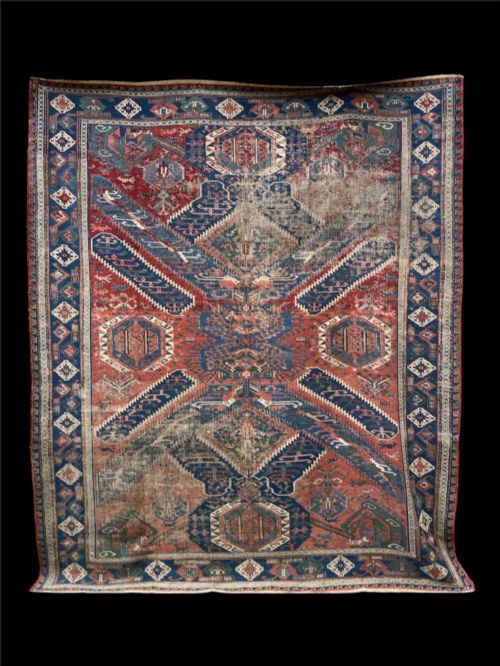
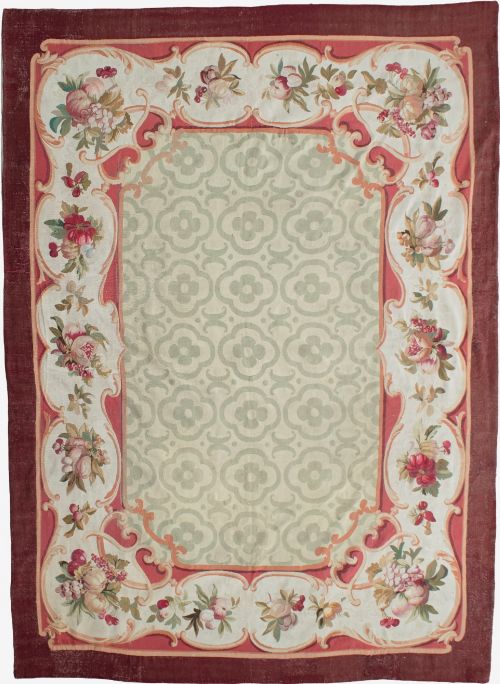
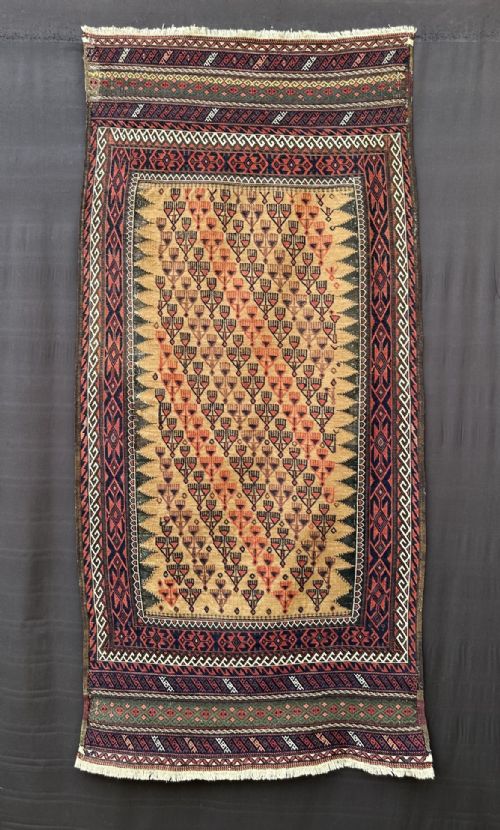
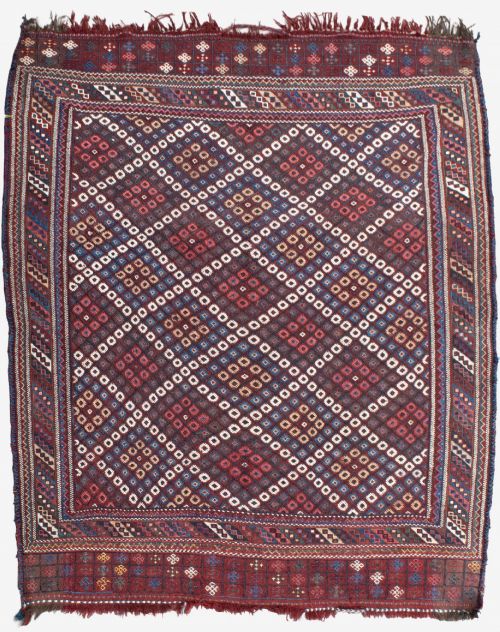
Vintage Wool Flatweave
Vintage wool flatweave pieces offer tangible connections to nomadic and tribal traditions through piled tapestry surfaces designed for daily utility.
Vintage Wool Flatweave
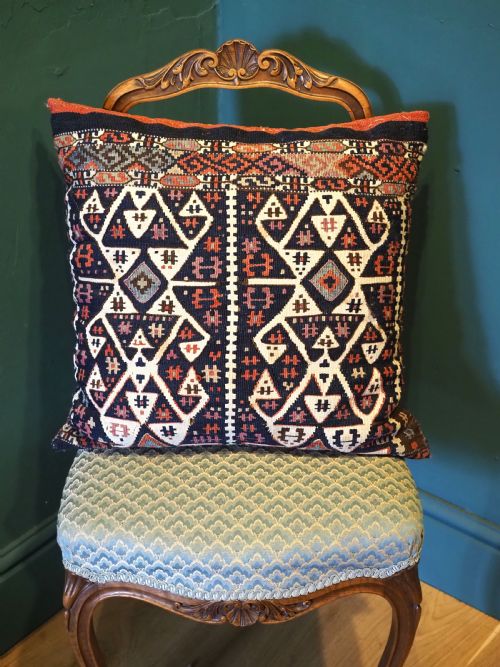
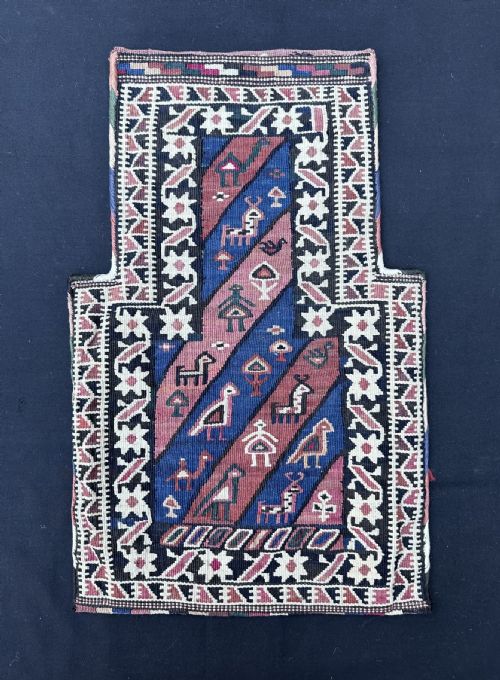
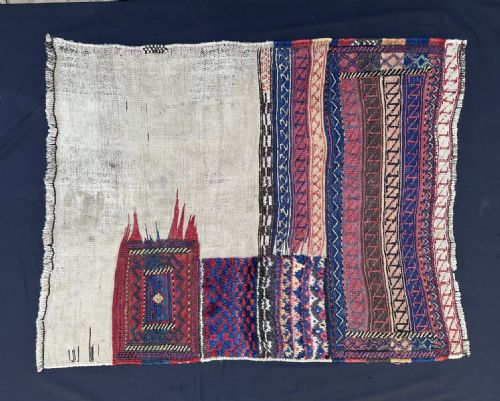
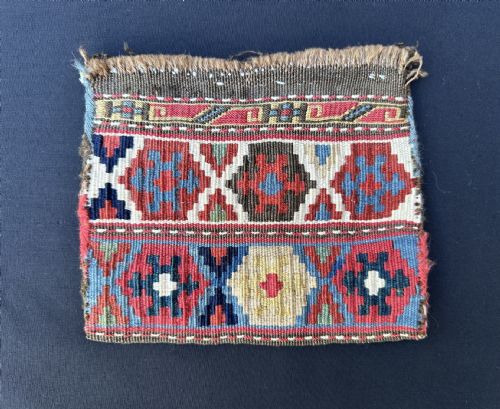
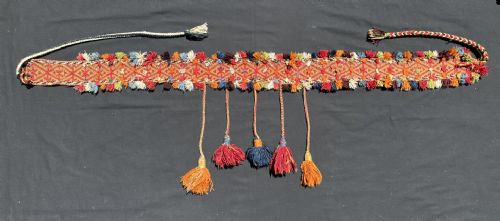
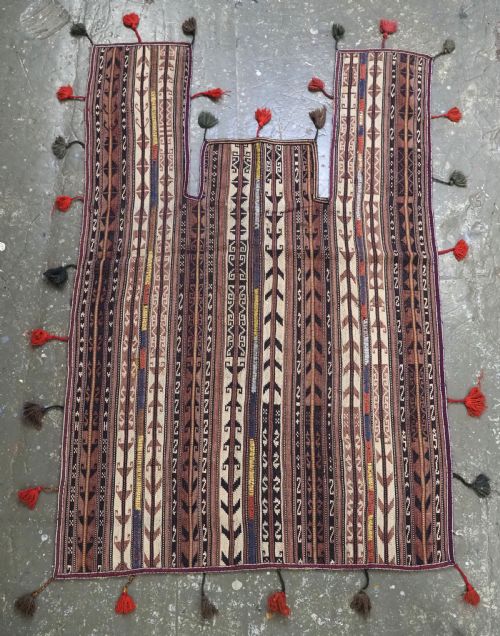
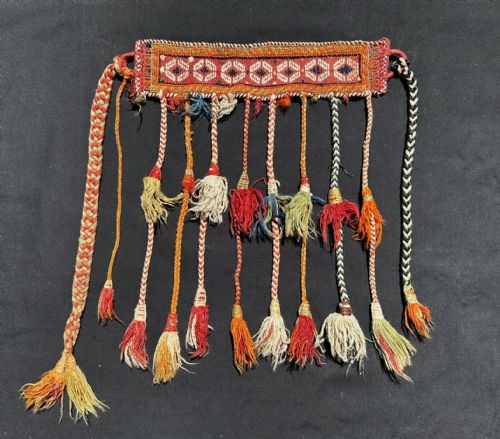
A vintage wool flatweave encompasses rugs, carpets, cushions, and utility textiles originating primarily from nineteenth and early twentieth-century Persia, Anatolia, the Caucasus, and Central Asia. These items include regional forms such as saddle bags, animal trappings, bread sofreh, and prayer rugs created by tribal groups like the Qashqai, Shahsavan, and Turkmen.
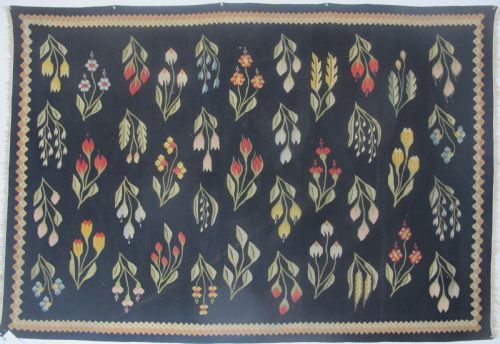
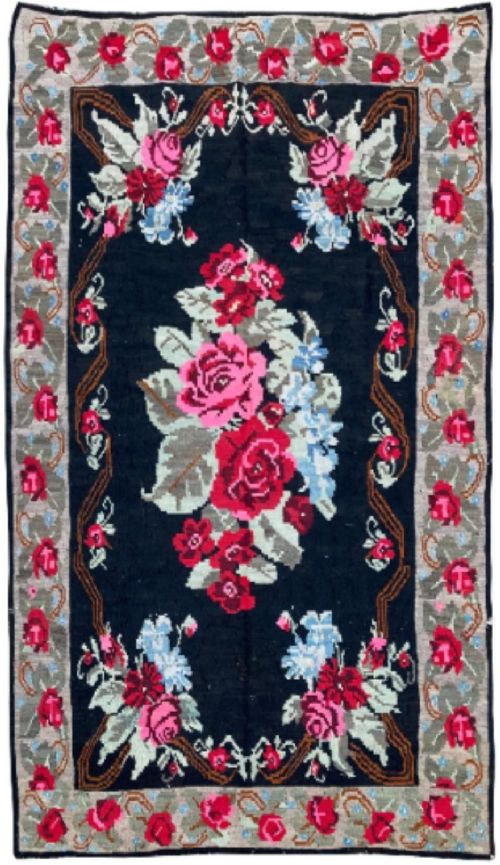
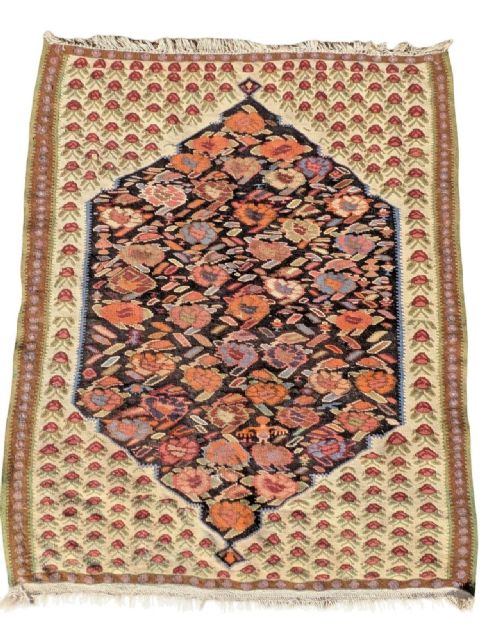
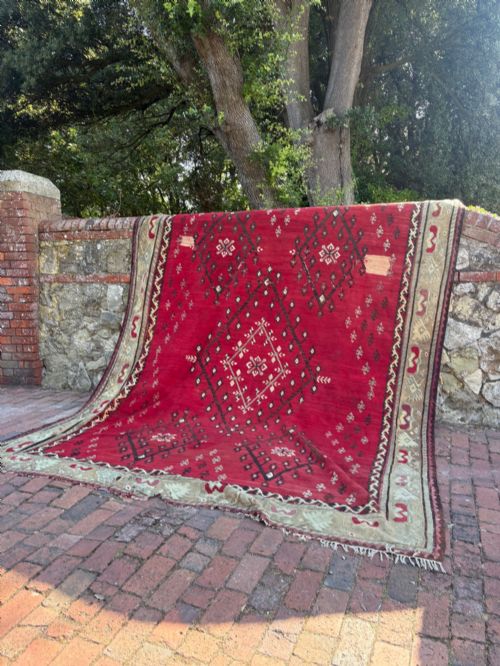
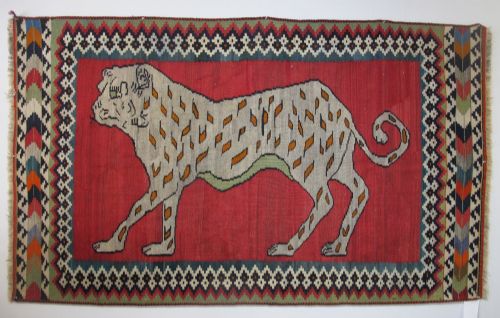
The version most commonly encountered on this page is the traditional tribal kilm or flatweave rug spanning the period from the late nineteenth century to the interwar decades. Such pieces display characteristic geometric or banded designs woven without a pile.
Buyers seek these textiles for their durable structure and rich, authentic patterns that anchor modern interiors with historical depth.
Materials and construction
Makers utilised hand-spun wool, cotton, camel wool, and goat hair, often combining warp and weft threads to achieve a tight, resilient textile surface. Natural dyes imparted deep, variable tones across the wool and canvas foundations.
Techniques relied on interweaving weft threads tightly over vertical warps, occasionally incorporating mixed techniques or needlepoint embroidery to produce structured tapestries and durable floor coverings.
Listings feature textiles from nineteenth-century origins through the 1940s, utilising wool, cotton, and camel wool across Persian, Caucasian, and Anatolian styles.
Determining quality in flatweaves
Quality rests in the precision and tightness of the weave, where finer structures demonstrate exceptional control by the weaver over complex geometric or pictorial motifs. The integrity of the hand-spun wool and the depth achieved through natural dyes dictate the visual resonance of the piece.
Condition and originality also separate standard examples from superior ones, as intact tribal pieces with minimal intervention retain greater historical integrity than heavily restored textiles.
The Vintage Wool Flatweave Glossary
- Kilim
- An untufted, flat-woven textile or rug produced by tightly interweaving warp and weft strands.
- Sofreh
- A flat-woven cloth traditionally utilised for communal dining, bread preparation, or food service among nomadic tribes.
- Sumak
- A Near Eastern wrapping technique that creates a durable structure with raised details resembling embroidery on the reverse.
- Mafrash
- A large woven storage bag or chest panel utilised by nomadic groups for household possessions during migration.
- Warp
- The stationary vertical threads stretched across a loom that form the foundational skeleton of any woven textile.
Vintage Wool Flatweave: Frequently Asked Questions
How were flatweaves used originally?
Nomadic tribes utilised these flat-woven textiles primarily as functional floor coverings, blankets, horse covers, and storage containers during migrations.
They also served practical domestic purposes such as dining cloths, grain bags, and decorative wall hangings within tribal tents.
How do I care for a vintage wool flatweave?
Regular gentle vacuuming without a rotating brush roll prevents dust accumulation within the tight wool and cotton weave.
Professional specialist cleaning is advised for washing to protect natural dyes and preserve the historic fibres.
What distinguishes tribal designs by region?
Caucasian and Anatolian pieces often showcase sharp geometric medallions and stark colour contrasts reflecting regional weaving traditions.
Persian and Central Asian tribal works frequently incorporate intricate banded patterns, animal motifs, and specific symbol sets tied to distinct nomadic groups.
Are flatweaves durable enough for heavy traffic?
The dense construction of hand-spun wool and tight weft-faced weaving provides remarkable durability for everyday floor use.
Placing an appropriate underlay beneath the textile prevents sliding and reduces friction against hard flooring surfaces.