


Vintage Wool Embroidery
Vintage wool embroidery brings together centuries of hand-stitched artistry, ranging from English crewelwork panels to Central Asian tribal wall hangings.
Vintage Wool Embroidery
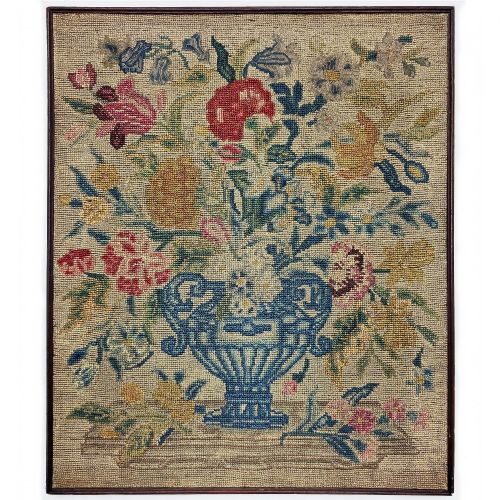
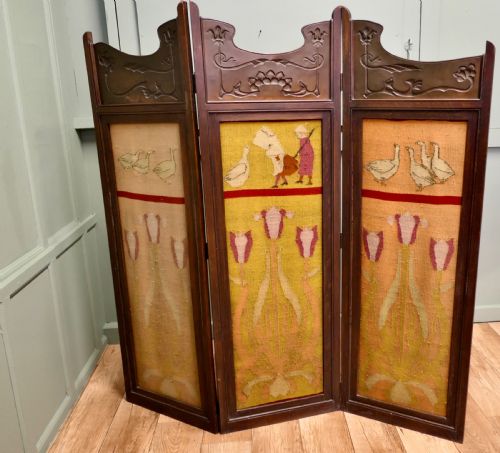
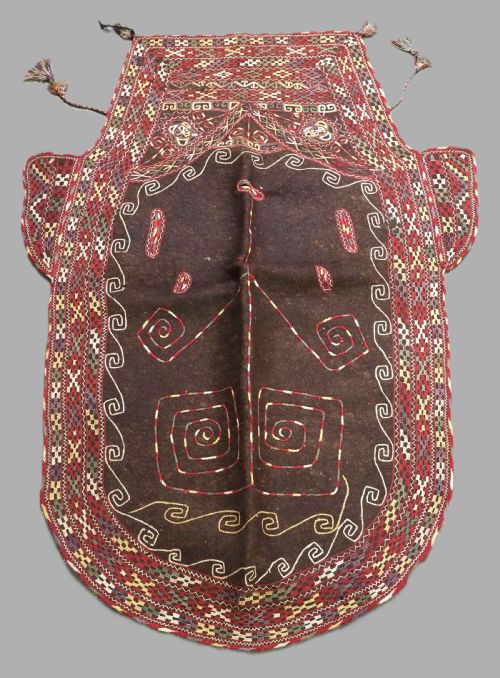
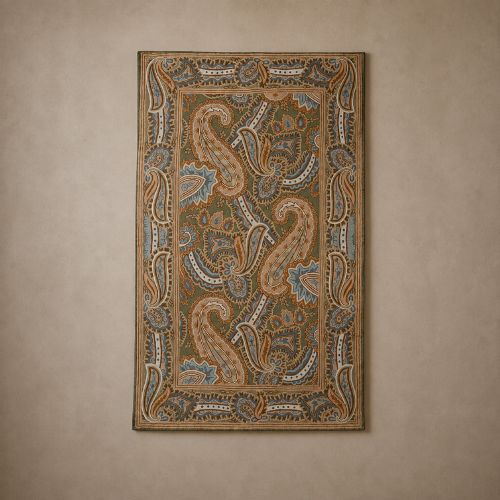
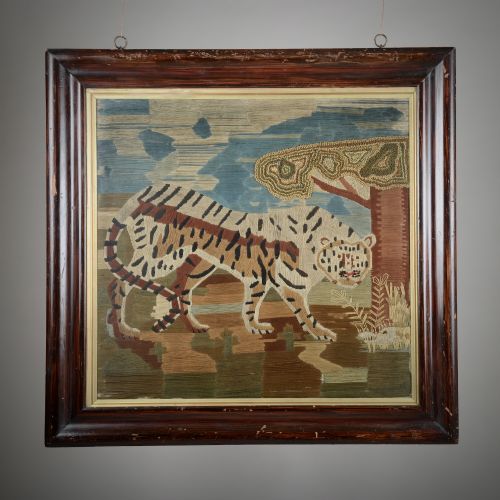
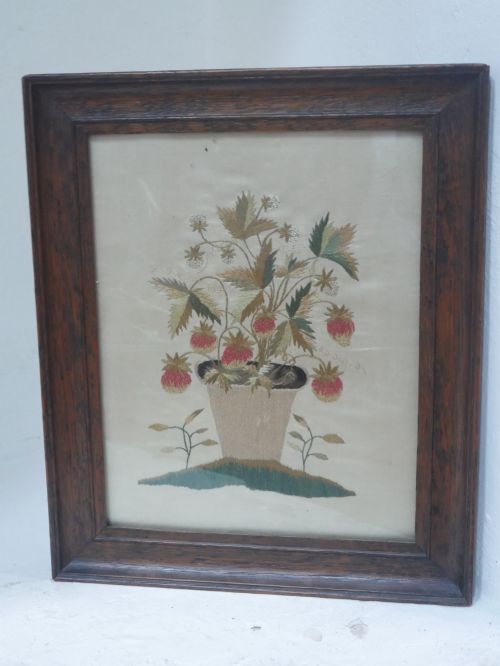
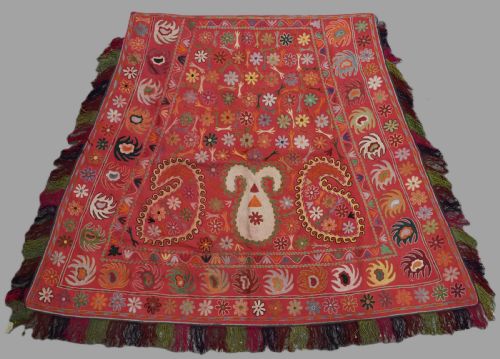
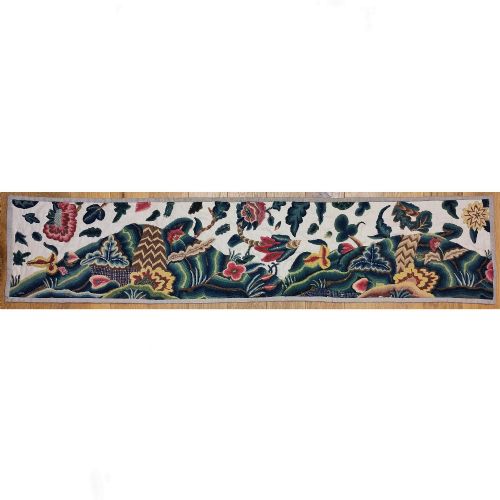
Vintage wool embroidery encompasses a wide range of textile art, spanning from early English crewelwork panels to vibrant Central Asian tribal wall hangings. Buyers searching this phrase encounter diverse forms, including needlework pictures, framed woolies depicting maritime scenes, and ceremonial horse covers.
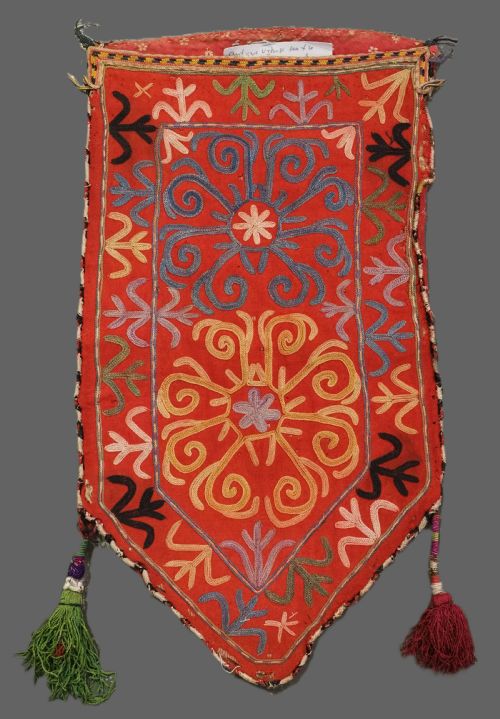
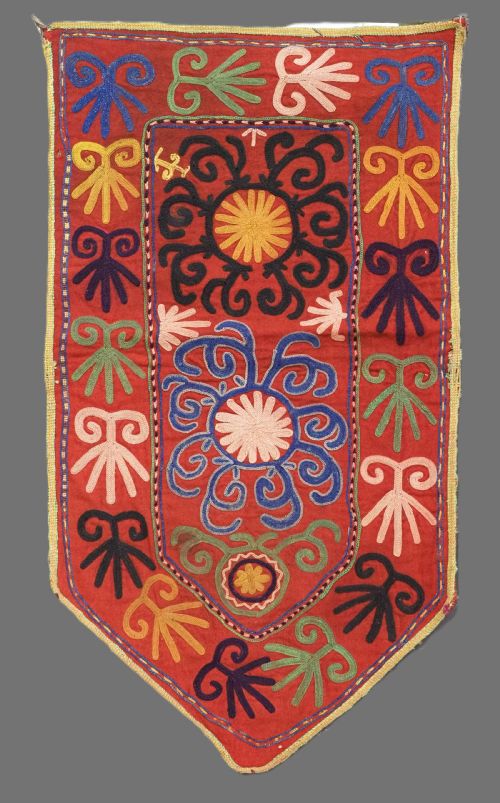
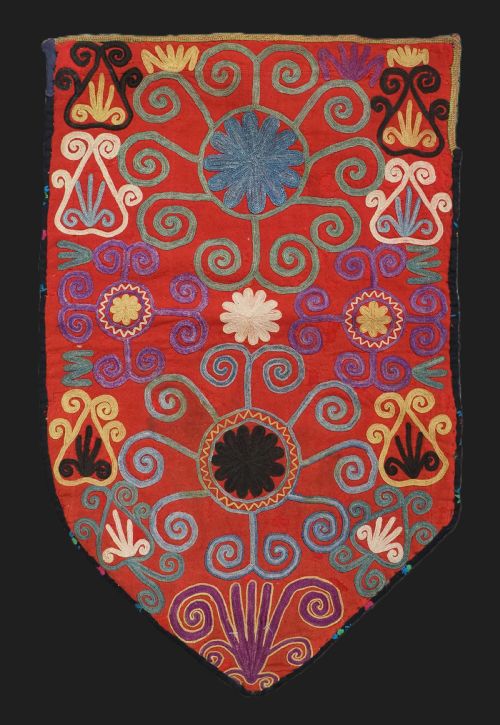
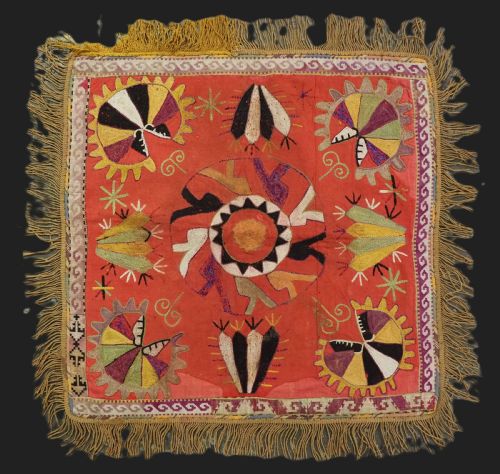
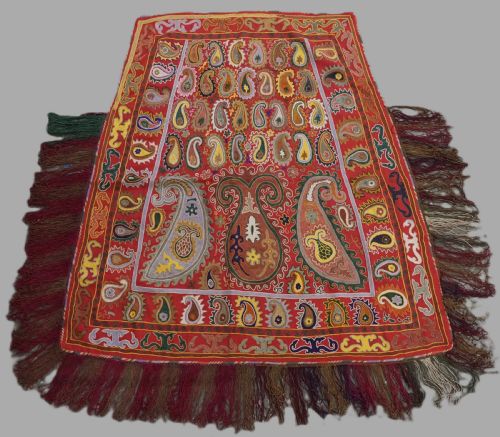
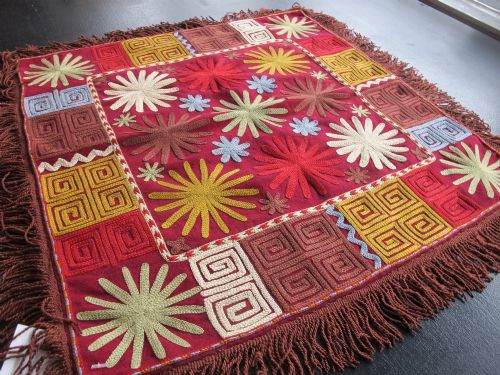
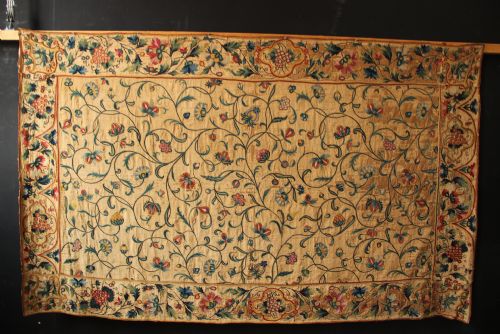
The selections available lean heavily into historic craftsmanship, representing periods from the seventeenth century through to the early twentieth century. Regional pieces like Uzbek Lakai ilgich and Persian Rasht embroidery appear alongside traditional European crewelwork and folky samplers.
These textiles primarily function as wall art, tapestries, or decorative carpets, bringing rich textures and historical narratives into domestic interiors. Each piece displays distinct cultural motifs, whether geometric tribal patterns or classical European pastoral scenes.
How they were made
The making of these textiles relies on foundational natural fibres, utilising wool, silk, and cotton threads worked onto supportive grounds of linen, canvas, timber frames, or heavy felt. Artisans combined intricate needlework techniques with appliqué, employing chain stitch, gros-point, and crewelwork to build up dense, tactile surfaces.
Many Central Asian examples set fine silk embroidery against sturdy red wool or felt grounds, creating a striking contrast in texture and colour. European needlework pictures often utilised tightly woven canvas or linen foundations to support complex pictorial designs rendered in varied wool weights.
Vintage Wool Embroidery Retail Price Guide 2026
Typical asking prices for vintage wool embroidery among the pieces listed under this phrase on Sellingantiques today, from the lower quarter to the upper quarter. They describe what is for sale here now, not the wider market.
Listings feature wool embroidery spanning from the 17th century through to the 1930s, incorporating canvas, linen, timber, and heavy felt grounds.
What varies in quality
Quality in these textiles rests upon the density of the stitching, the precision of the needlework, and the preservation of the original ground materials. Finer examples display meticulous control over varied stitches, maintaining tight tension and intricate detail across complex pictorial or geometric compositions.
The integrity of the fibres and the vibrancy of surviving natural dyes also dictate the standing of a piece. Superior works retain their structural soundness and visual punch, whereas lesser examples suffer from heavy fibre loss, degraded backing grounds, or faded colours that obscure the original design.
The Vintage Wool Embroidery Glossary
- Crewelwork
- A traditional form of surface embroidery executed using wool yarn on a linen or cotton twill fabric. This technique allows for varied textured stitches to form elaborate floral and scrolling patterns.
- Ilgich
- A type of embroidered hanging or dowry piece created by Central Asian tribal groups such as the Lakai. These items often feature vibrant geometric motifs and silk work on wool grounds.
- Suzani
- A type of embroidered tribal textile originating from Tajikistan, Uzbekistan, and other Central Asian nations. They are typically worked with silk or wool threads on cotton or linen foundations.
- Gros-point
- A type of needlepoint embroidery worked on a coarse canvas using wool yarn. It creates a durable, firm textile well suited for tapestries and pictorial panels.
Vintage Wool Embroidery: Frequently Asked Questions
What is vintage wool embroidery?
Vintage wool embroidery refers to decorative textile art created by stitching wool yarn onto various fabric grounds, encompassing both European needlework pictures and tribal Central Asian hangings.
These pieces range from finely worked seventeenth-century crewelwork panels to nineteenth-century sailor woolies and twentieth-century folk samplers.
How were antique wool textiles used?
Historically, these embroidered textiles served multiple practical and ceremonial purposes within domestic and tribal settings.
Many functioned as wall hangings, decorative carpets, dowry items, or ceremonial horse covers for tribal rituals.
How do I care for wool embroidery?
Protecting antique wool embroidery involves keeping pieces away from direct sunlight to prevent natural dye fading and fibre degradation.
Displaying them securely on walls avoids physical strain, while gentle dusting helps maintain the wool and canvas grounds without moisture damage.