



Vintage Wooden Trinket
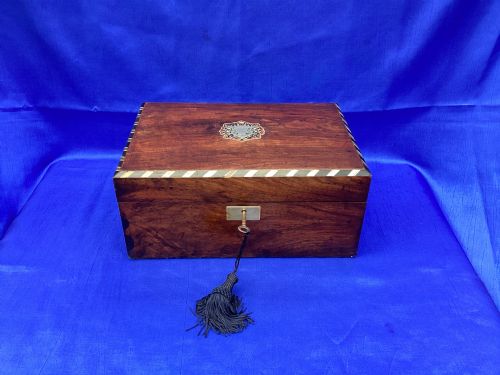
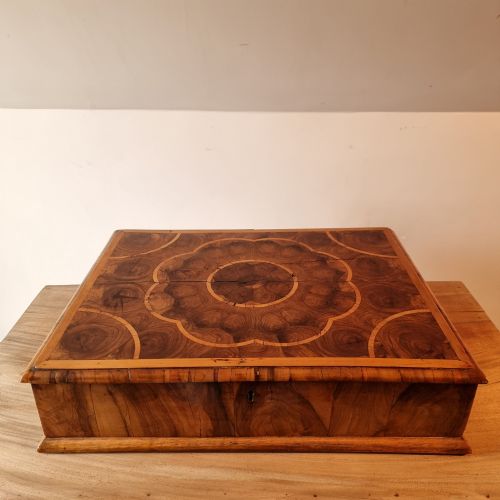
A vintage wooden trinket holds small treasures securely, bringing tactile warmth and period character to a dressing table or desk.
Vintage Wooden Trinket
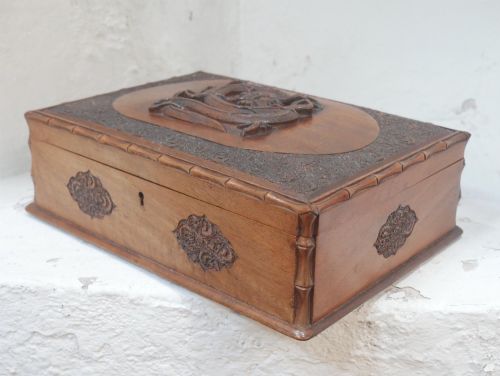
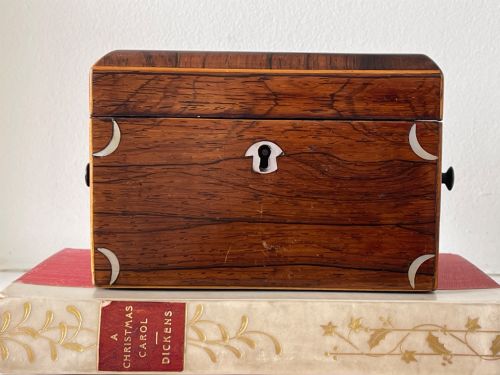
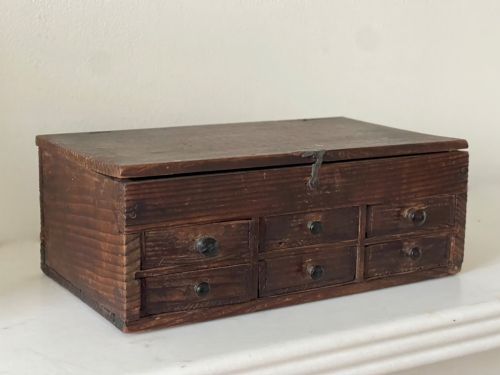
A vintage wooden trinket encompasses small containers designed for personal possessions, spanning jewellery boxes, miniature chests of drawers, snuff boxes, and tea caddies. These objects originate across the seventeenth, eighteenth, nineteenth, and early twentieth centuries, reflecting diverse domestic storage needs over multiple eras.
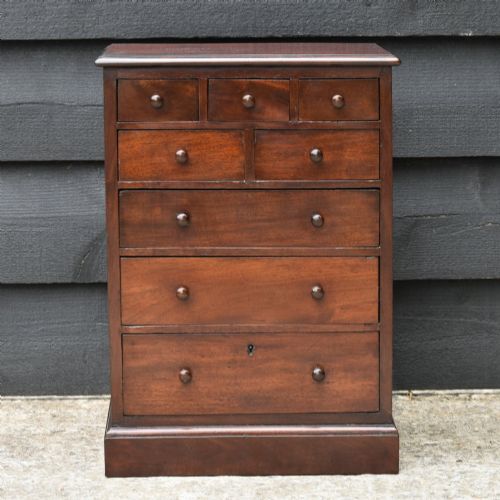
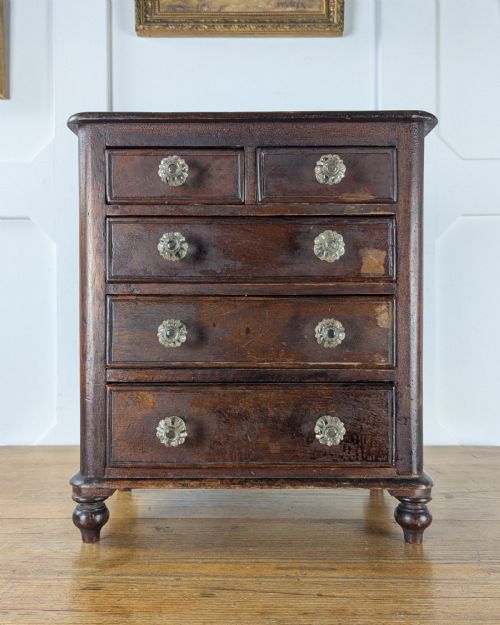
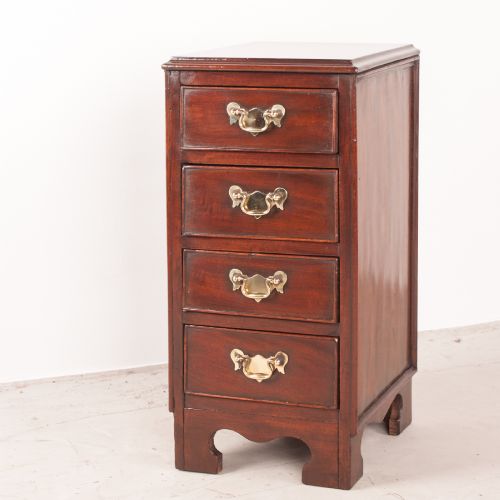
The selection on this page relies heavily on nineteenth-century and Victorian examples, alongside Georgian, Edwardian, and Regency pieces. Buyers regularly encounter mahogany, rosewood, and oak forms, occasionally configured as miniature apprentice pieces or specialised receptacles with internal trays.
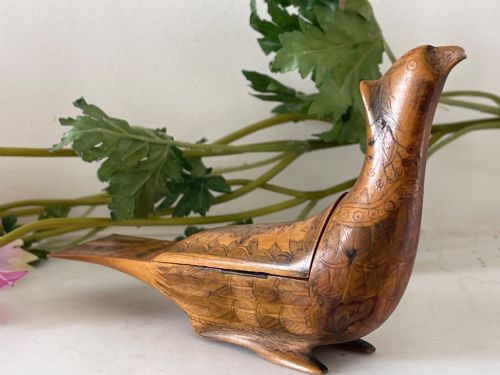
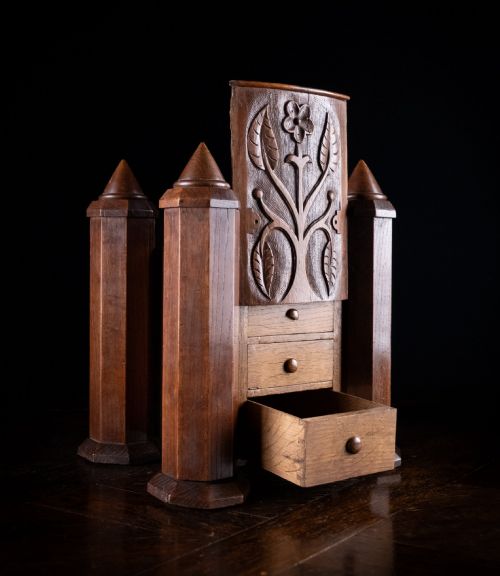
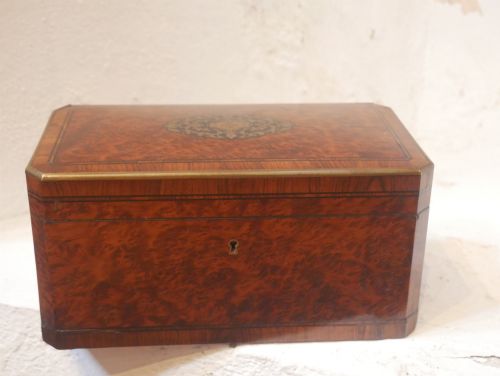
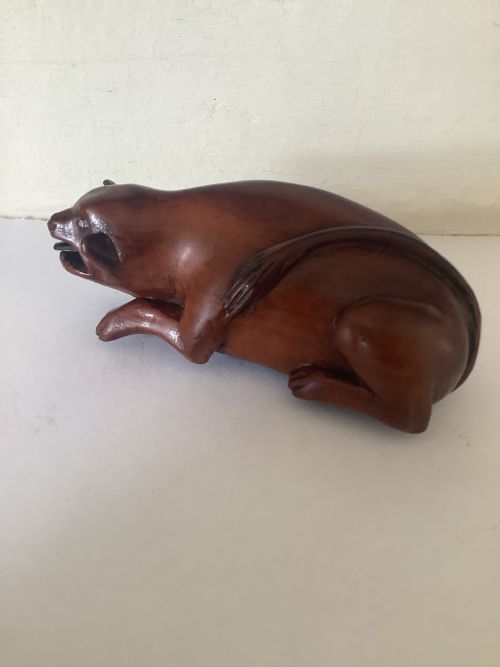
Beyond standard domestic boxes, the range extends to folk art carvings, Tunbridge Ware, Anglo-Indian inlaid hardwood chests, and novelty cigarette boxes. Each form demonstrates distinct regional craftsmanship, from French amboyna work to Irish carved oak and Scandinavian painted surfaces.
Materials and Construction
Cabinetmakers utilised dense hardwoods such as mahogany, rosewood, walnut, and oak to construct durable bodies capable of protecting delicate contents. Timber selection often dictated the exterior finish, utilising flame mahogany patterns or burr yew veneers.
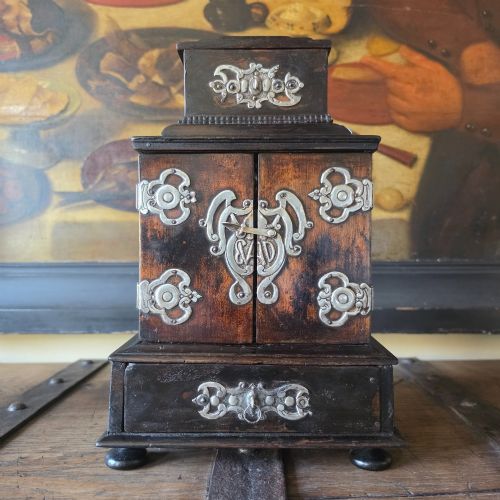
Decorative detailing incorporates brass mounts, sterling silver accents, bone details, and mother of pearl inlay. Tunbridge Ware pieces apply intricate mosaic woodwork, while folk art examples rely on naive hand carving and painted finishes.
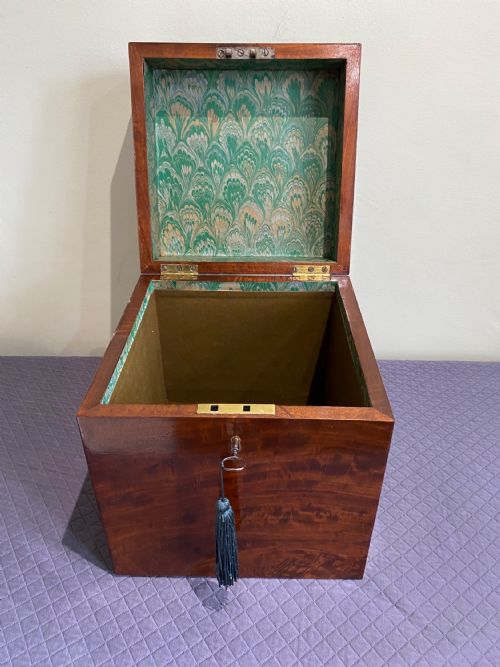
Internal layouts frequently feature fitted compartments, lift-out trays, and silk linings designed for jewellery, watches, or sewing equipment. Joinery methods range from precise dovetailing in miniature chests to turned feet and engine-turned surfaces on ebony snuff boxes.
Vintage Wooden Trinket Retail Price Guide 2026
Typical asking prices for vintage wooden trinket among the pieces listed under this phrase on Sellingantiques today, from the lower quarter to the upper quarter. They describe what is for sale here now, not the wider market.
Among the small containers wait an Art Deco novelty Scottie dog cigarette box and a tooling box from World War One.
Evaluating Quality
Superior examples demonstrate meticulous timber selection, displaying cohesive grain patterns, balanced proportions, and careful matching of veneers across lid and side panels. Lesser pieces rely on plain secondary timbers with less attention to surface continuity.
The refinement of internal fittings distinguishes finer boxes, such as fitted trays, working locks with original keys, and precisely integrated compartments. Simpler receptacles lack internal divisions or utilise basic glued partitions.
Hand-applied decoration, whether micro-mosaic Tunbridge Ware, engine turning, or intricate bone and mother of pearl inlay, separates standard production items from masterwork pieces. The crispness of carved foliage and the tightness of joints reveal the maker's discipline.
Tahan·Erhard and Sohne
The Vintage Wooden Trinket Glossary
- Apprentice piece
- A small-scale item demonstrating a craftsman's skill to gain guild admission. These frequently take the form of miniature chests of drawers.
- Tea caddy
- A container designed to store loose tea leaves securely. Georgian and Regency examples often feature internal lidded canisters.
- Tunbridge Ware
- Woodware decorated with mosaic patterns created from thousands of tiny coloured wood blocks. These form pictorial or geometric designs on box lids.
- Engine turned
- A geometric surface pattern cut mechanically into material using a lathe. This technique appears frequently on nineteenth-century snuff boxes.
- Work box
- A receptacle designed to hold sewing implements, threads, and textile tools. They typically incorporate compartmentalized lift-out trays.
Vintage Wooden Trinket: Frequently Asked Questions
What were miniature chests of drawers used for?
Miniature chests served as decorative storage for small personal valuables, buttons, and sewing items on dressing tables. Many also functioned as apprentice pieces showcasing advanced joinery.
Their small scale allowed craftsmen to display mastery of dovetails, drawer fitting, and turned feet without constructing full-sized furniture.
How do I care for a wooden box?
Keep wooden boxes away from direct sunlight and stable humidity environments to prevent veneer lifting or timber splitting. Regular gentle dusting preserves the polished surface.
Avoid harsh liquid cleaners, applying appropriate wax polish sparingly only when the timber appears dry.
What is Tunbridge Ware?
Tunbridge Ware is decorative woodwork featuring precise mosaic patterns assembled from tiny tinted wood prisms. These create detailed depictions of flora, butterflies, or geometric borders.
Originating in Kent, these pieces showcase exceptional nineteenth-century miniature woodworking skill.
How are periods identified?
Period identification relies upon timber choice, hardware style, construction methods, and decorative motifs. Georgian pieces often feature flame mahogany and simple elegance, while Victorian examples introduce rosewood and elaborate fitted interiors.
Comparing dovetail thickness, lock types, and lining materials helps narrow down the decade of manufacture.