







Vintage Wooden Timekeeper
A vintage wooden timekeeper brings mechanical character to a room, offering brass-fitted dials and rich timber cases spanning the Victorian, Edwardian and Art Deco eras.
Vintage Wooden Timekeeper
A vintage wooden timekeeper encompasses mantel clocks, wall dials, desk pieces and hourglasses produced across the nineteenth and twentieth centuries. These objects served utilitarian and decorative roles in offices, public buildings and domestic interiors.
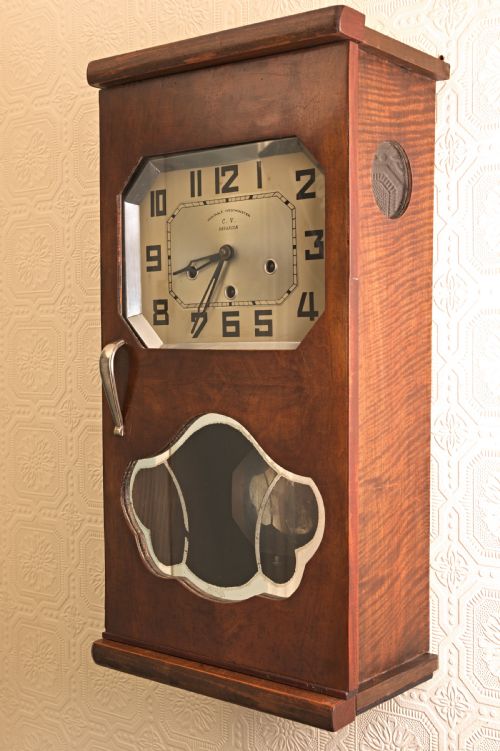
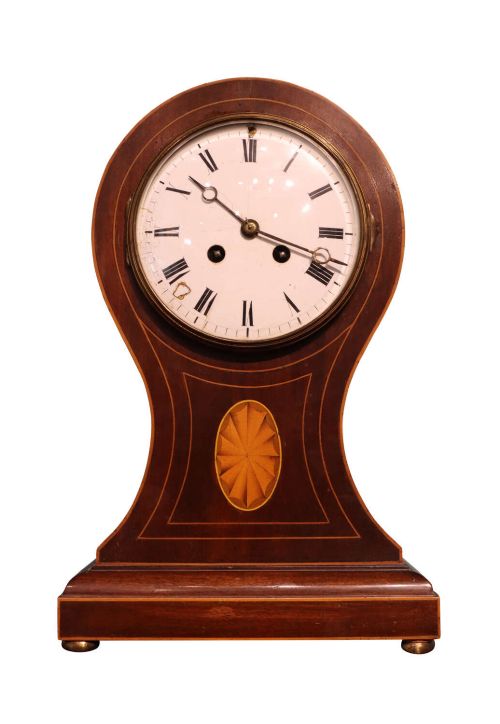
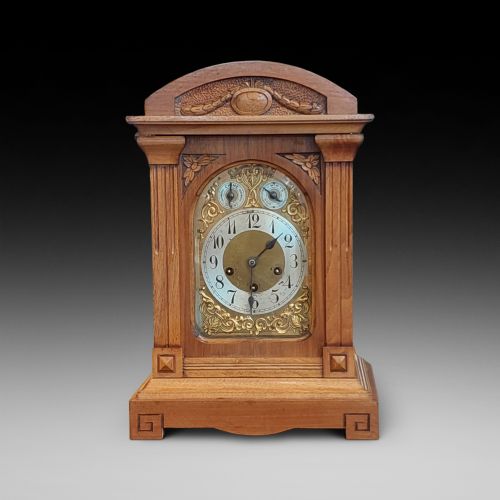
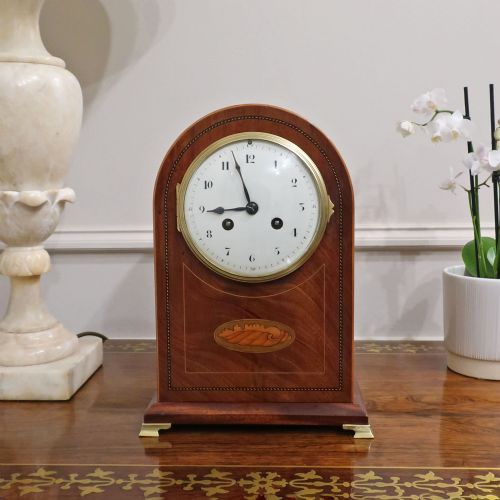
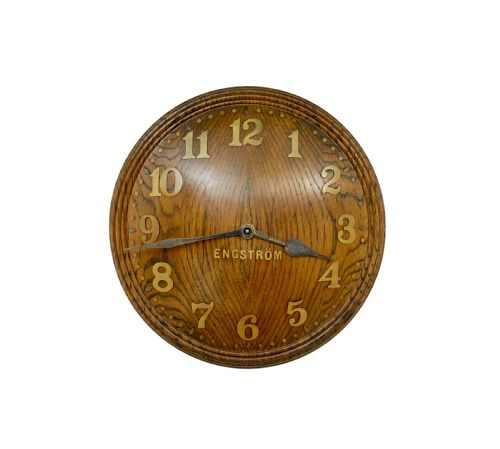
The selections available here lean heavily toward Edwardian mahogany mantel clocks and Art Deco oak or walnut wall clocks. Buyers encounter architectural bracket forms alongside simple circular station dials and inlaid arched cases.
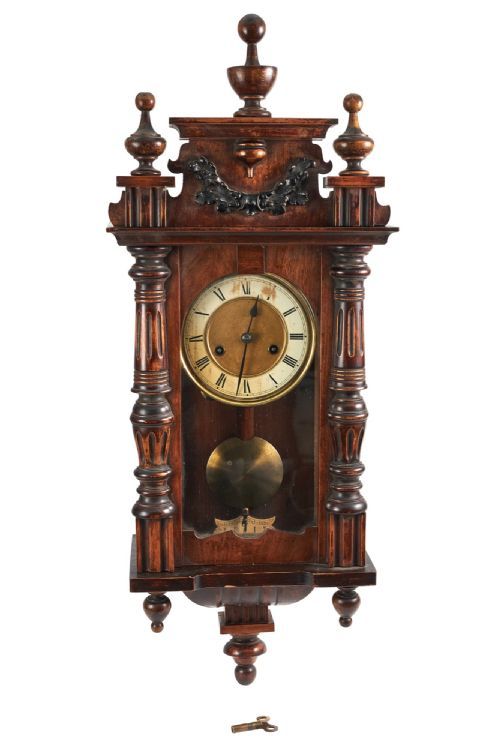
Periods represented range from mid nineteenth century fusee clocks through to nineteen-thirties electric and striking movements. Each piece reflects the dominant interior tastes of its specific decade.
Materials and construction
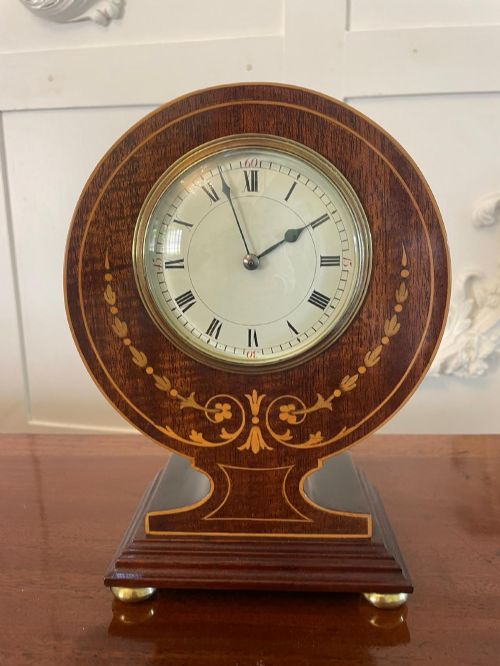
Cabinetmakers utilised dense hardwoods including mahogany, walnut, oak and satinwood for the structural cases, frequently embellishing surfaces with brass bezels, enamel dials and delicate string inlay. Rosewood and elm also appear in selected regional and continental examples.
Movements rely on mechanical gear trains driven by springs, weights or fusee chains, housed securely behind glazed brass doors and fitted timber panels. Dial faces combine painted numerals with cast brass hands and protective curved glass covers.
Vintage Wooden Timekeeper Retail Price Guide 2026
Typical asking prices for vintage wooden timekeeper among the pieces listed under this phrase on Sellingantiques today, from the lower quarter to the upper quarter. They describe what is for sale here now, not the wider market.
Listings feature oak, walnut, mahogany and satinwood across Victorian, Edwardian and Art Deco periods.
Assessing craftsmanship and finish
Quality rests in the precision of the cabinetwork, seen in crisp wood inlay, well-fitted door hinges and the selection of figured timber veneers. Superior examples integrate signed brass movements by established makers with robust mounting hardware.
Simpler factory or commercial timekeepers prioritise functional legibility over decorative embellishment, while domestic mantel pieces demonstrate finer joinery and polished brass detailing intended for prominent display.
Engström by Zenith·W. Burton·Piggin Norwich·Dent of London·Walker and Hall
The Vintage Wooden Timekeeper Glossary
- Fusee
- A conical pulley used in mechanical clocks to maintain an even pull on the movement as the mainspring unwinds. This mechanism improves timekeeping accuracy across the power reserve.
- Bracket clock
- A portable spring-driven clock originally designed to sit on a wall bracket or table. These pieces often feature substantial timber cases with carrying handles.
- Dial clock
- A wall-mounted clock with a prominent circular face, frequently utilised in offices, railways and public buildings. They prioritize clear visibility from a distance.
- Inlay
- A decorative technique where contrasting woods or metals are inserted into depressions cut into the primary surface. Edwardian makers applied this method with satinwood and boxwood.
- Bezel
- The metal ring that holds the glass protecting the clock face in place. Brass bezels are common on Victorian and Edwardian wooden timepieces.
Vintage Wooden Timekeeper: Frequently Asked Questions
How do I wind a mechanical fusee clock safely?
Turn the key steadily in the correct direction until resistance is felt, avoiding any sudden movements that might strain the chain or spring.
Consult the specific instructions for your movement type to ensure proper tension is maintained without over-winding.
Where should I place a heavy wooden wall clock?
Mount the clock directly into a solid wall stud using appropriate fixings to support the combined weight of the timber case and brass movement.
Avoid exterior walls subject to dampness or significant temperature fluctuations which can affect the timber and mechanical timing.
How do I identify an Edwardian mahogany mantel clock?
Look for light coloured satinwood string inlay, polished mahogany cases with arched or dome tops, and white enamel dials protected by brass bezels.
These pieces typically date from the early twentieth century and reflect refined Edwardian interior design preferences.
What maintenance do vintage wooden timekeepers need?
Keep the timber clean using a dry cloth and ensure the clock sits level on its surface or mounting to keep the pendulum swinging evenly.
Professional cleaning and oiling of the brass movement every few years will preserve its mechanical function.