
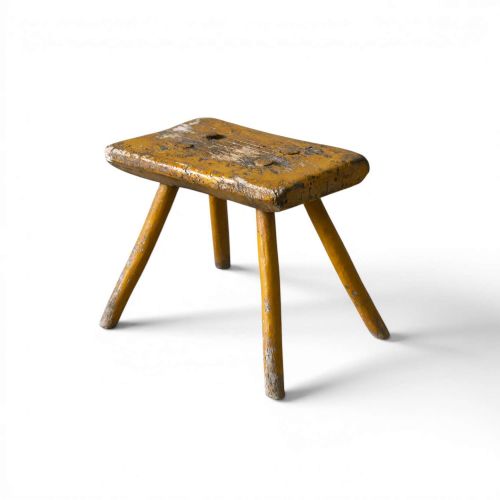
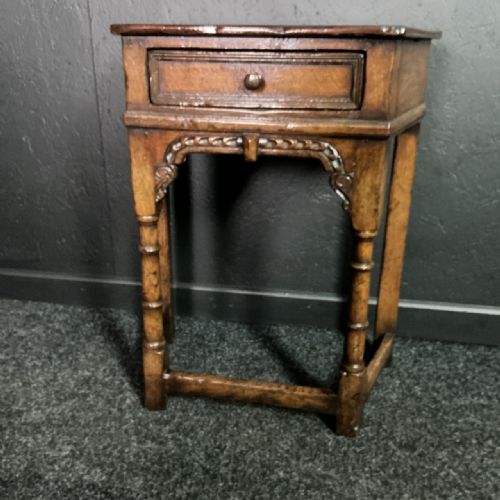
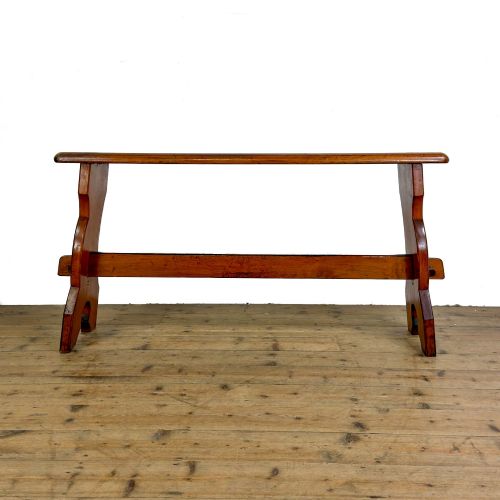
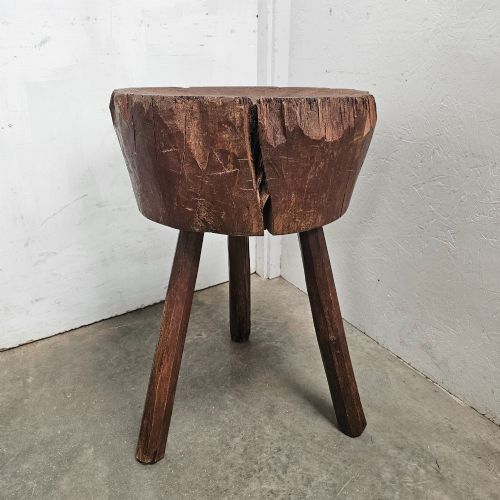
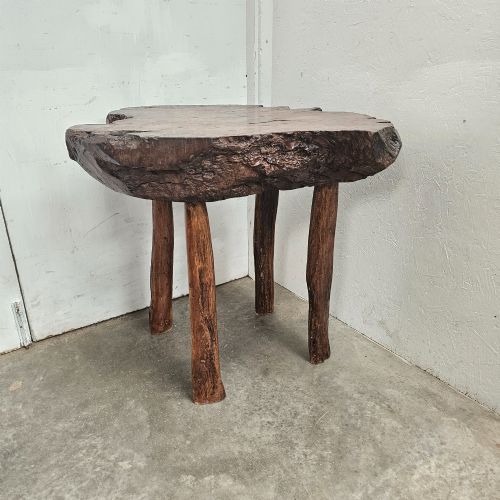
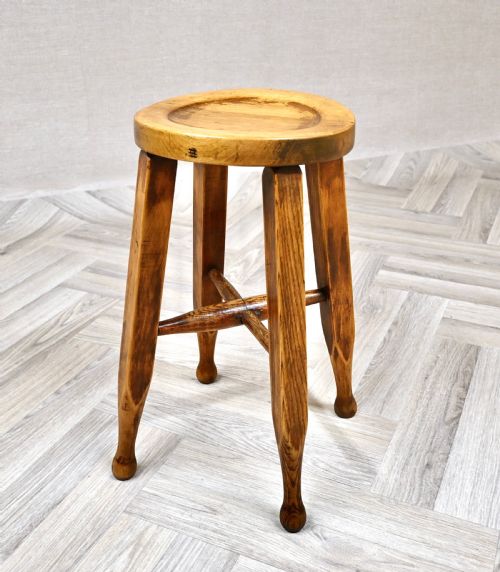
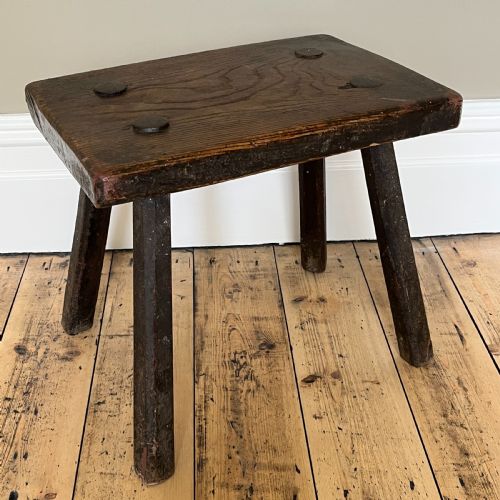

Vintage Wooden Side Stool
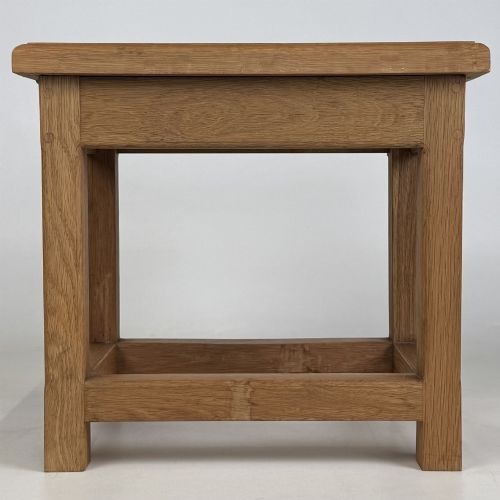
A vintage wooden side stool provides a sturdy seat or low surface, offering compact utility and honest craftsmanship for any room.
Vintage Wooden Side Stool
A vintage wooden side stool combines seating and low surface utility in a compact form, appearing across styles from rustic country to Arts and Crafts. These pieces serve as versatile household furniture for daily use or display in smaller spaces.
The selections here span the nineteenth century through the nineteen-thirties, encompassing Victorian, Edwardian, and earlier revival periods. Buyers frequently encounter oak joint stools, elm milking stools, and low occasional tables.
Makers utilised various regional designs, ranging from English country pegged construction to French game blocks and Eastern European painted pieces. Each example reflects the domestic requirements and woodworking traditions of its origin.
How they were made
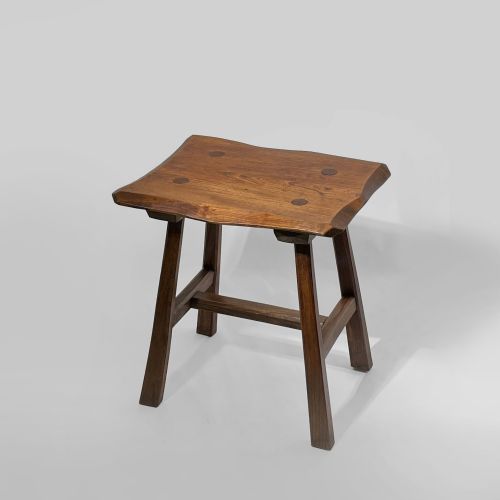
Traditional woodworking methods define these pieces, employing solid timber such as oak, elm, ash, and beech joined with pegged construction or chip carving. Carpenters built these items to withstand heavy daily use through robust framing and thick plank tops.
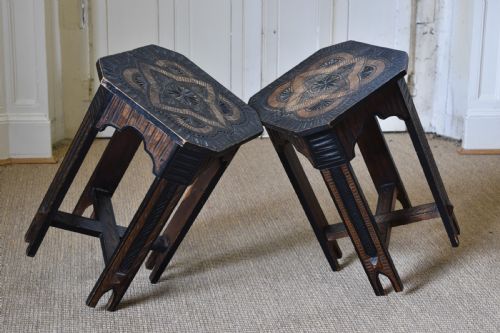
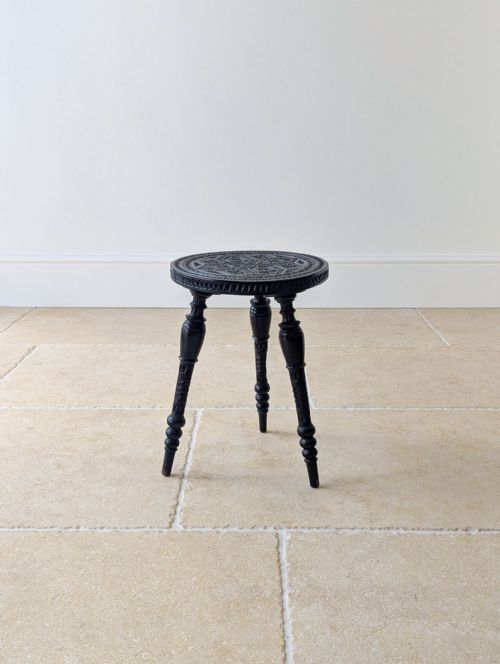
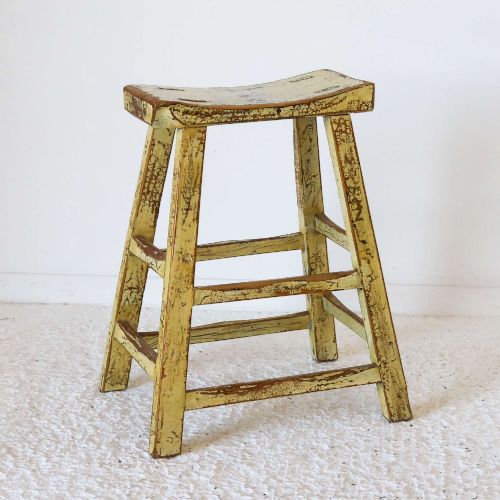
Surface finishes vary from natural waxed grain and exposed burr thuya to original ochre paint, lacquer, and ebonisation. These treatments protect the timber while highlighting the natural figuring and grain patterns of the wood.
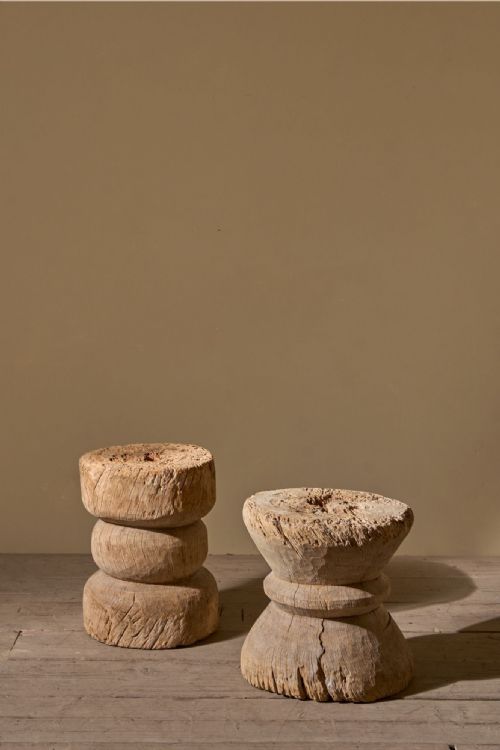
Several elephants made of wood stand ready to support tired feet.
What varies in quality
The integrity of the timber and the honesty of the construction determine the standing of each piece, distinguishing utilitarian items from finer decorative examples. Original surface treatments and untouched patination elevate the character of older stools.
Proportion and balance dictate the visual success of smaller seating forms, where hand-carved details or turned legs demonstrate the maker's skill. Pieces retaining their original finish hold greater interest for collectors.
The Vintage Wooden Side Stool Glossary
- Joint stool
- A sturdy wooden stool built with mortise and tenon joints, common in early domestic interiors. These pieces often served multiple purposes as seats or small tables.
- Milking stool
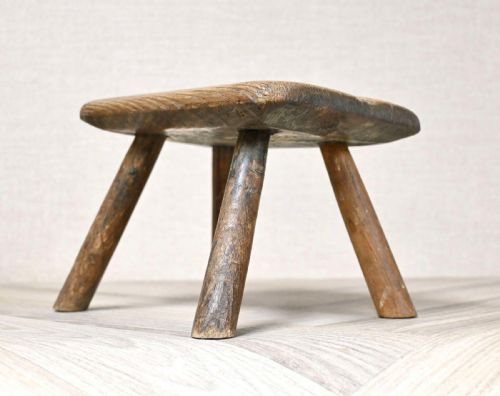
- A low, typically three-legged seat designed for stability on uneven floors during farm labour. Their simple geometry makes them popular as decorative accents today.
- Chip carved
- A style of decoration created by chipping small triangles or notches from the surface of the wood. This technique produces geometric patterns with deep relief.
- Pegged construction
- A method of joining wooden elements using wooden pins or dowels instead of metal nails. This traditional approach accommodates seasonal wood movement.
- Bobbin turned
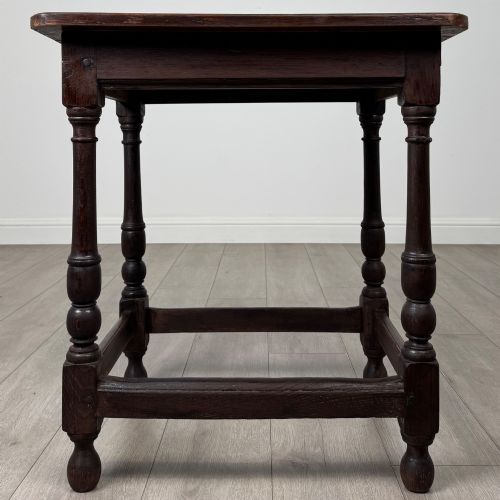
- A style of furniture leg or stretcher shaped on a lathe to resemble a series of wooden bobbins or spools. This decorative turning appeared frequently in seventeenth-century and revival pieces.
Vintage Wooden Side Stool: Frequently Asked Questions
How were vintage side stools used?
These small wooden pieces served as casual seats near hearths, milking stands in dairies, or low surfaces for holding household items.
Their compact size allowed workers and families to move them easily around the home or workspace as needed.
Are these stools comfortable for sitting?
Most vintage side stools were built for utility and durability rather than extended lounging, featuring solid wooden tops.
Adding a small cushion or placing them where brief seating is required makes them practical for modern living.
How do I care for wooden stools?
Keep wooden furniture away from direct heat sources and sudden humidity changes to prevent the timber from splitting.
Apply a traditional beeswax polish occasionally to nourish the grain and maintain the surface patina.
How do I identify the period of a stool?
Examine the tool marks, joinery techniques, and timber selection to gauge the age and manufacturing methods used.
Revival pieces often imitate earlier styles, so look closely at wear patterns and structural hardware for clues.