

Vintage Wooden Shelving
Vintage wooden shelving brings character and practical storage to a room through time-worn materials and diverse period forms.
Vintage Wooden Shelving
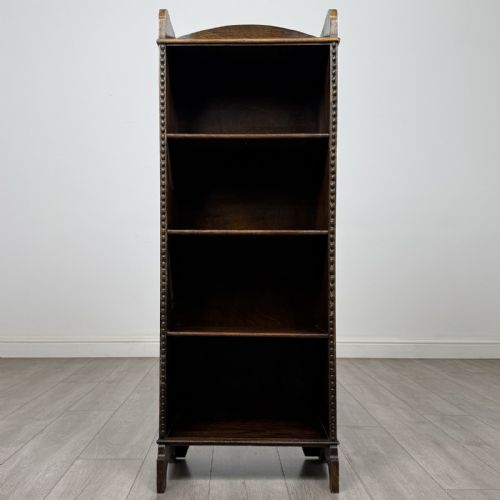
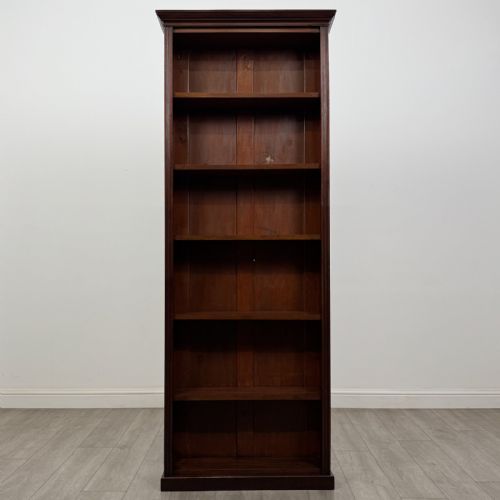
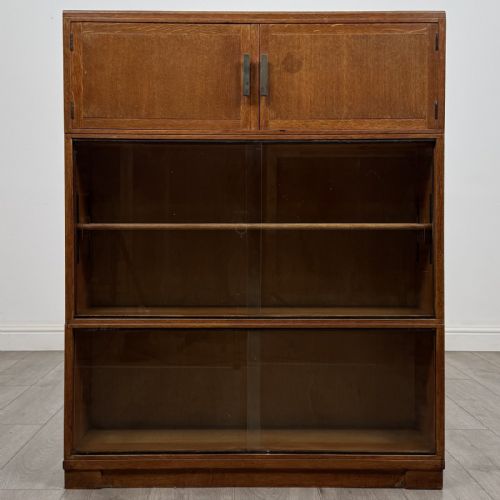
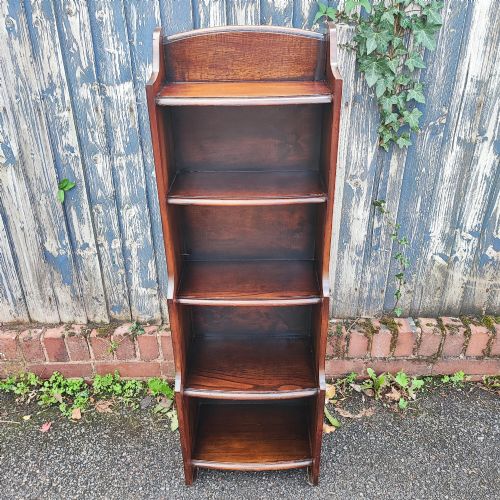
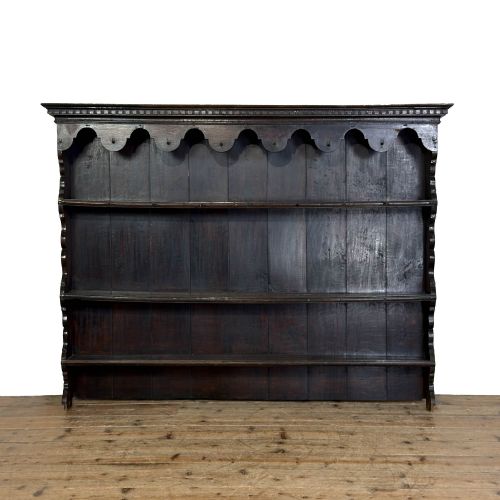
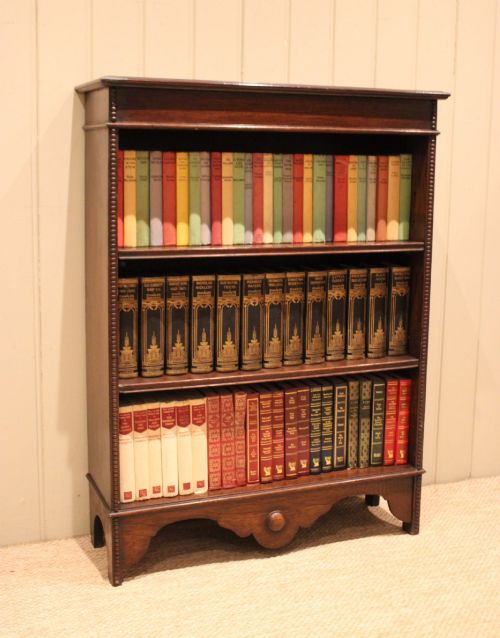
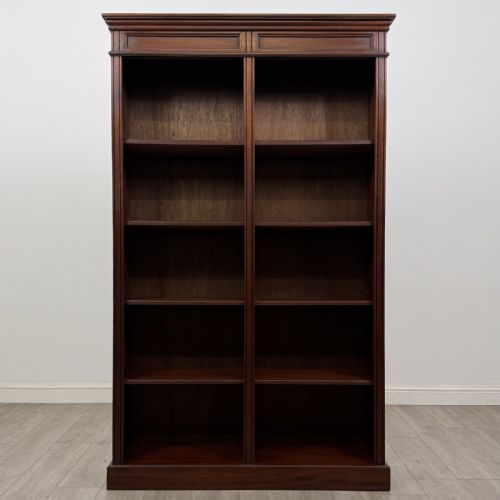
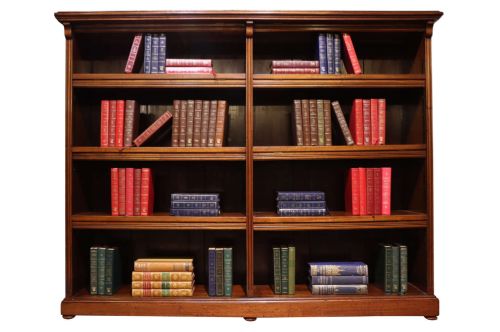
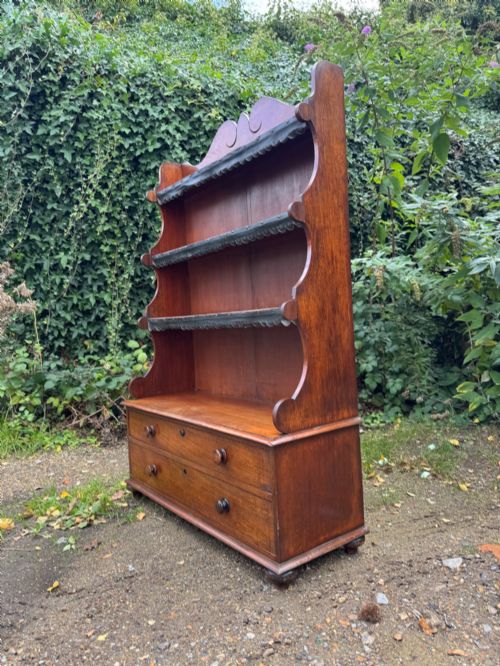
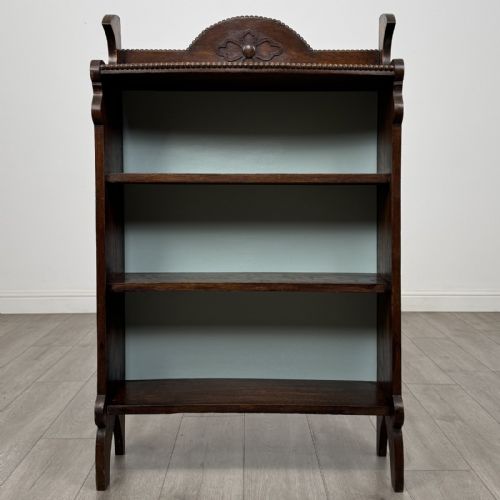
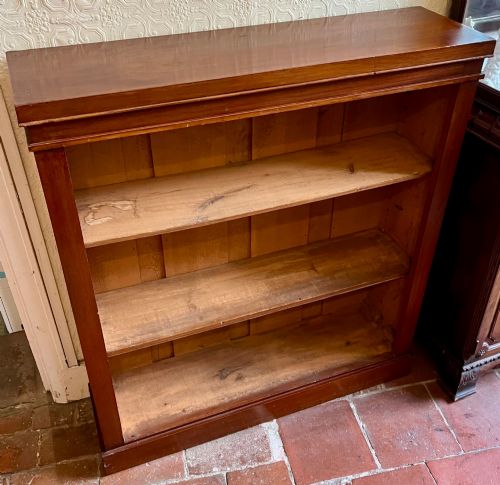
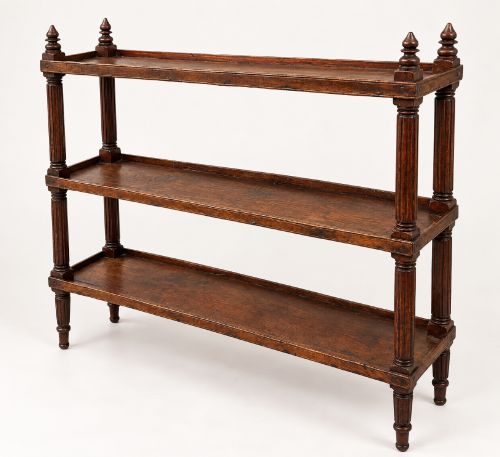
Vintage wooden shelving encompasses open bookcases, wall cabinets, wotnots, and hanging shelves spanning the Victorian, Edwardian, and twentieth-century eras.
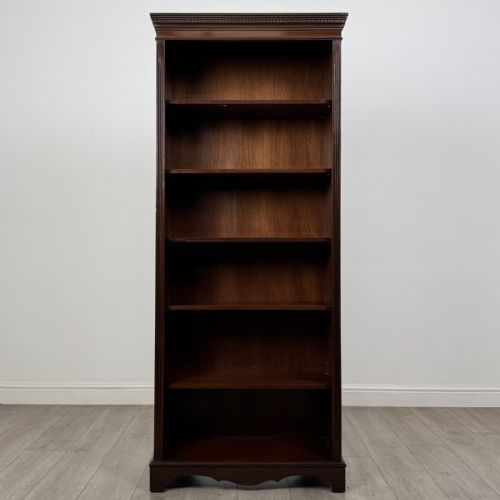
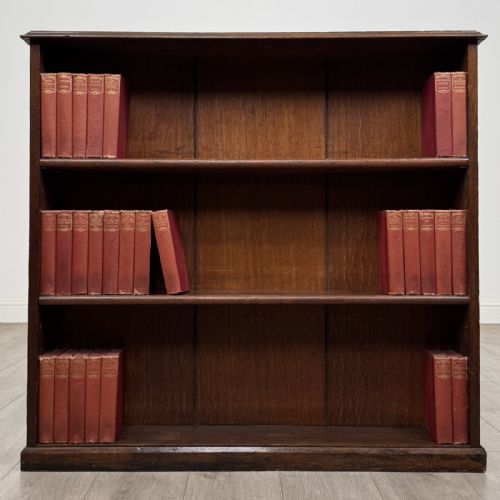
The buyer searching for vintage wooden shelving encounters sturdy oak open bookcases and slender inlaid mahogany units most frequently.
These pieces originate from diverse stylistic traditions, ranging from heavy Arts and Crafts designs to industrial racks and Georgian walnut wall mountings.
Materials and Construction
Cabinet makers utilised solid woods such as oak, mahogany, walnut, pine, and ash, often pairing them with brass hardware or glass elements.
Construction techniques include dentil cornices, raised galleries, plinth bases, shaped sides, and adjustable shelves supported by slender pillars.
Vintage Wooden Shelving Retail Price Guide 2026
Typical asking prices for vintage wooden shelving among the pieces listed under this phrase on Sellingantiques today, from the lower quarter to the upper quarter. They describe what is for sale here now, not the wider market.
Cherub wall brackets bring a touch of baroque theatre straight to the sitting room wall.
Distinctions in Standard
Quality rests upon the selection of timber figures, such as burr walnut or golden oak, and the precision of inlaid details.
Heals·James Mein of Kelso
The Vintage Wooden Shelving Glossary
- Dentil cornice
- A classical moulding pattern composed of small, rectangular blocks resembling teeth, commonly seen along the upper edge of bookcases.
- Raised gallery
- A low protective rail or rim around the top surface of a piece, designed to keep items secure.
- Wotnot
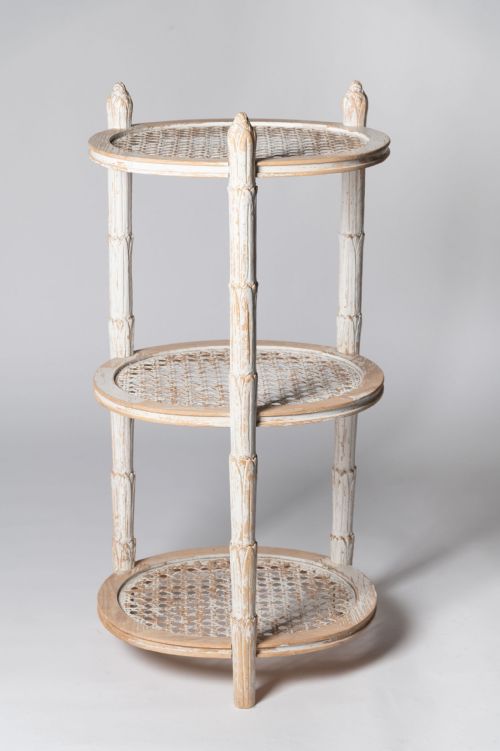
- A multi-tiered moveable stand or set of open shelves used for displaying ornaments and books, popular in the nineteenth century.
- Plinth base
- The heavy flat slab or architectural block at the bottom of a cabinet that supports the entire structure.
Vintage Wooden Shelving: Frequently Asked Questions
How do I clean vintage wooden shelving?
Dust regularly with a soft, dry cloth to protect the polished wood surface. Avoid modern chemical sprays that can damage older finishes over time.
Feed the timber periodically with appropriate beeswax to maintain its natural lustre and prevent the wood from drying out.
Can these shelves hold heavy books?
Many period bookcases feature adjustable wooden shelves designed to support substantial libraries. Solid oak and mahogany structures offer particular sturdiness for daily use.
Inspect the shelf thickness and support pegs to ensure the timber can bear heavy loads without sagging.
How do I date an oak bookcase?
Examine the timber grain, construction joints, and stylistic details such as cornices or gallery rails. Edwardian and Victorian pieces often display distinct moulding profiles and hardware.
Look for tool marks and timber preparation methods that reveal the manufacturing era of the item.
Where should I place wall shelves?
Wall-mounted cabinets and hanging shelves require secure fixings into solid masonry or wall studs to bear the weight safely. Position them at a height that allows easy access to the contents.
Balance the visual weight of the shelving against surrounding furniture to create a cohesive room layout.