

Vintage Wooden Shelves
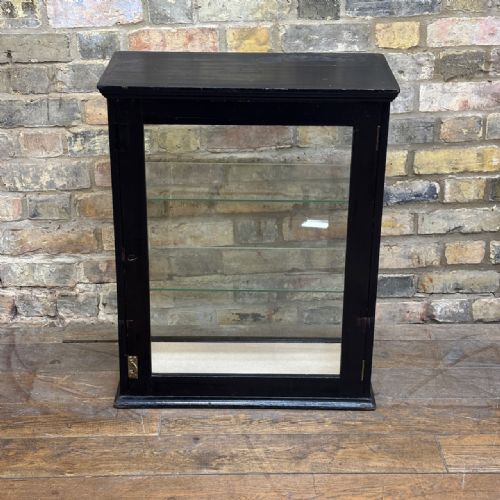
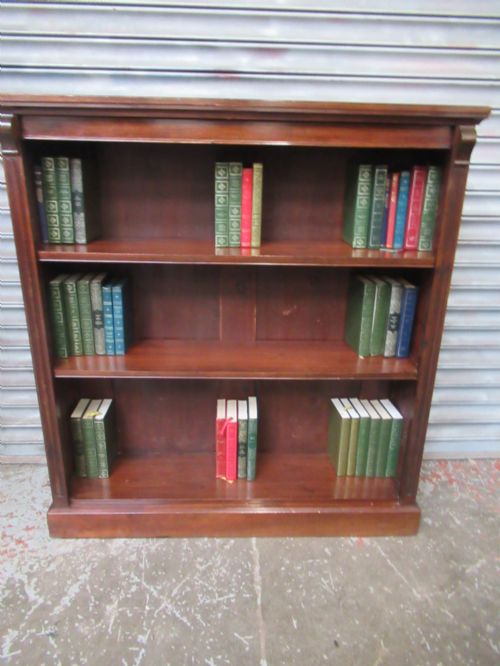
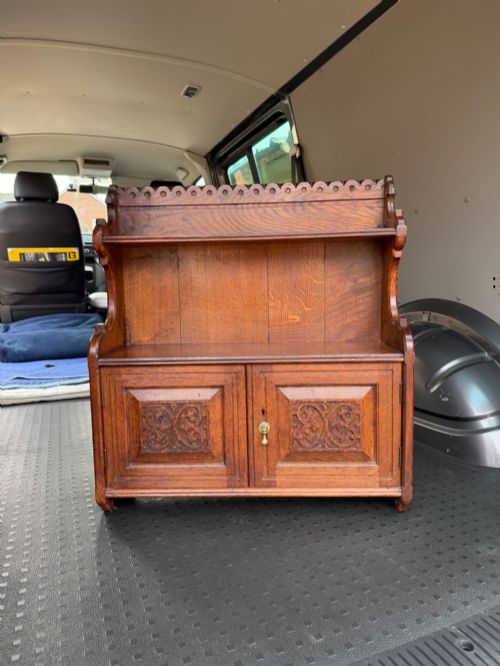
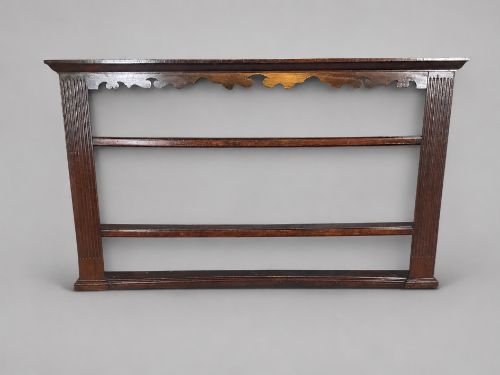
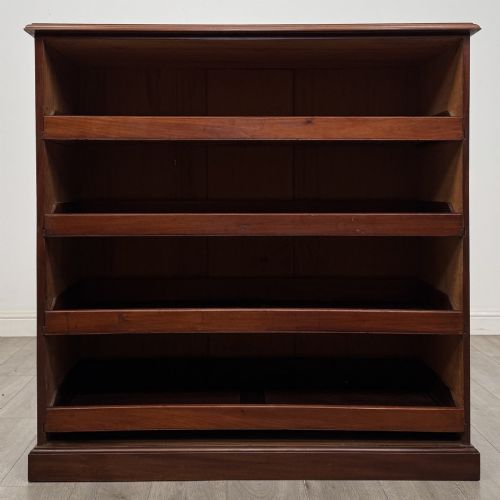
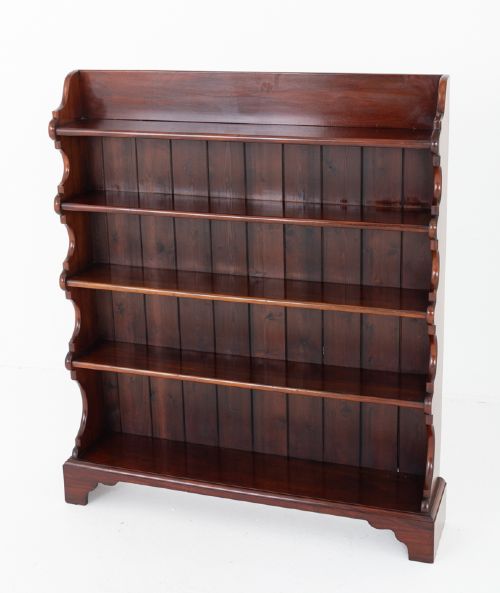
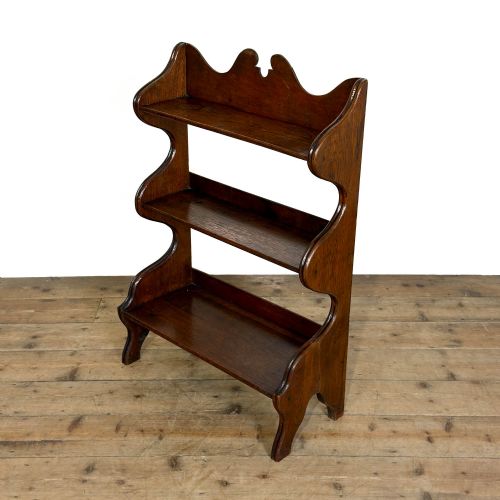
Vintage wooden shelves bring practical display space into a room, spanning open bookcases, wall cabinets and corner stands crafted from mahogany and oak.
Vintage Wooden Shelves
When you search for vintage wooden shelves, you encounter practical storage furniture ranging from open bookcases and wall mounting cabinets to side tables with lower tiers and corner stands. These pieces span the nineteenth century, Victorian era, Edwardian period and the 1920s, reflecting various functional forms designed for domestic display and organisation.
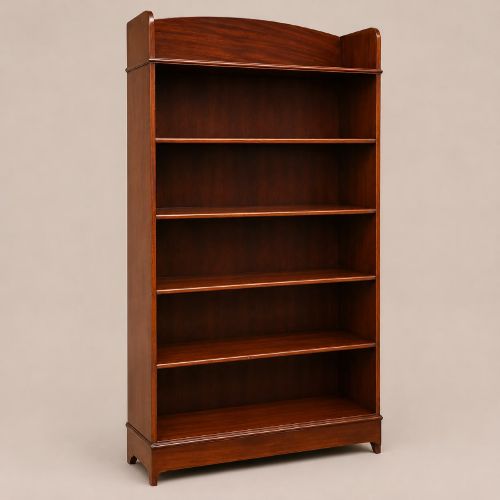
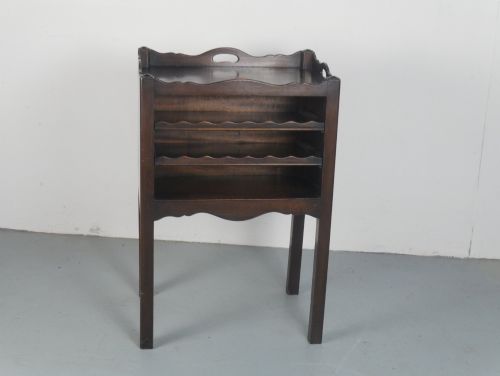
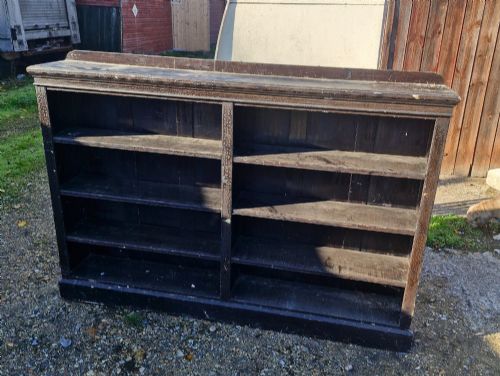
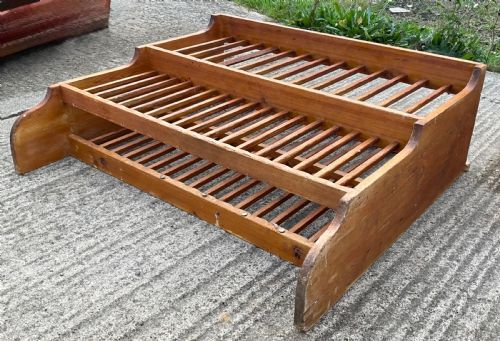
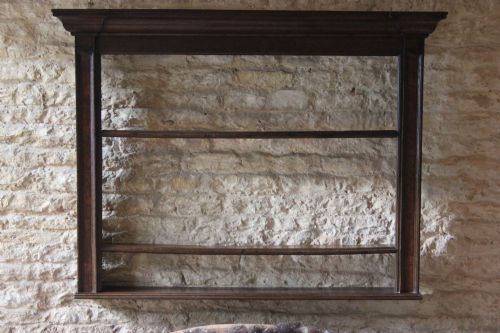
You are most likely to meet mahogany and oak open bookcases on this page, often featuring raised galleries, dentil cornices or adjustable shelves. Alongside these stand smaller items such as wall shelves, bedside tables with shelving, and rustic pine worktables, demonstrating how timber furniture served diverse domestic rooms.
The origins of these items cross different stylistic influences, from Arts and Crafts and Georgian styles to French Provincial and mid-century modern interpretations. Each piece retains the character of its period construction, whether built as a slim bookcase or a multi-section unit.
How they were made
Makers utilised solid timbers and veneers, predominantly selecting mahogany, oak, walnut and pine for structural integrity and visual grain. Brass fittings, glass panels and boxwood or satinwood inlay frequently appear as secondary materials to accent the main wooden body.
Construction methods relied on traditional joinery, visible in pegged joints on Arts and Crafts pieces and sturdy plinth bases on larger bookcases. Surfaces received polished or painted finishes, protecting the timber while highlighting natural figuring.
Vintage Wooden Shelves Retail Price Guide 2026
Typical asking prices for vintage wooden shelves among the pieces listed under this phrase on Sellingantiques today, from the lower quarter to the upper quarter. They describe what is for sale here now, not the wider market.
Some items double as plant stands, proving that nineteenth-century ferns needed a proper stage just as much as heavy books did.
What varies in quality
The refinement of the timber selection and the precision of the joinery dictate the standing of a piece, distinguishing simple utility items from finely finished parlour furniture. Finer examples display thoughtful proportioning, such as slim profiles, balanced inlay work and well-integrated architectural details like raised galleries and dentil cornices.
The integrity of the internal structure, including adjustable shelving mechanisms and solid backboards, marks the distinction between standard production and superior craftsmanship. Original surface finishes that retain their depth and warmth contribute significantly to the character of the piece.
Heals
The Vintage Wooden Shelves Glossary
- Raised gallery
- A low decorative rail or border running along the top edge of a piece, designed to keep items from sliding off. This feature is common on top surfaces of bookcases and corner stands.
- Dentil cornice
- A classical moulding pattern composed of small, evenly spaced rectangular blocks that resemble teeth. It typically crowns the upper edge of formal bookcases.
- Wotnot
- A multi-shelved movable piece of furniture used for displaying ornaments and books, popular in the nineteenth century. These items often feature open tiers supported by slender uprights.
- Open bookcase
- A piece of storage furniture without doors, providing direct access to shelves. Versions range from slim Edwardian mahogany units to large multi-section Victorian designs.
- Inlay
- A technique where pieces of contrasting timber, such as boxwood or satinwood, are inserted into recessed areas of a base wood to create decorative patterns.
Vintage Wooden Shelves: Frequently Asked Questions
What periods do these wooden shelves come from?
The pieces span the nineteenth century, the Victorian and Edwardian eras, and run through the 1920s and 1930s. Materials and construction methods reflect the prevailing design preferences of each specific era.
You will find examples influenced by Georgian traditions, Arts and Crafts ideals, and mid-century modern aesthetics among the various listed items.
Are the shelves adjustable?
Many of the larger bookcases and cabinets feature adjustable shelves to accommodate books and objects of varying heights. Fixed shelving is more commonly found in smaller side tables, plant stands and specific antique wall units.
Checking the individual listing details will confirm whether a specific bookcase allows for shelf repositioning.
How do I care for vintage timber furniture?
Keep wooden shelves away from direct heat sources and strong sunlight to prevent the timber from drying out or fading. Dust regularly with a soft cloth and apply appropriate beeswax or polish occasionally to nourish the surface.
Avoid using harsh chemical cleaners that can strip the original polish or damage delicate inlay work.
What woods were used for these pieces?
Makers predominantly utilised mahogany and oak, alongside walnut, pine and occasional satinwood inlay. Brass hardware and glass doors frequently accompany these primary timbers.
Different woods dictate the weight and colour of each item, ranging from deep reddish-brown mahogany to pale rustic pine.