



Vintage Wooden Settee
A vintage wooden settee brings warmth and sturdy character to a room, offering comfortable seating shaped by decades of traditional craftsmanship.
Vintage Wooden Settee
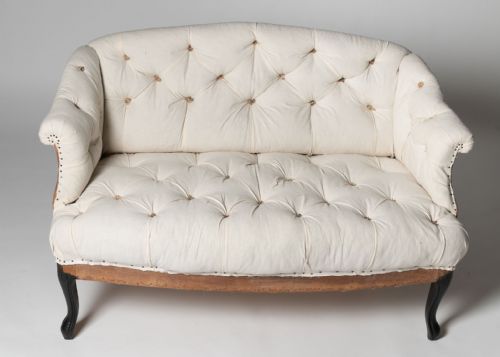
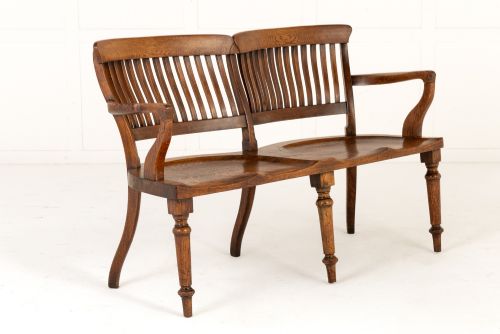
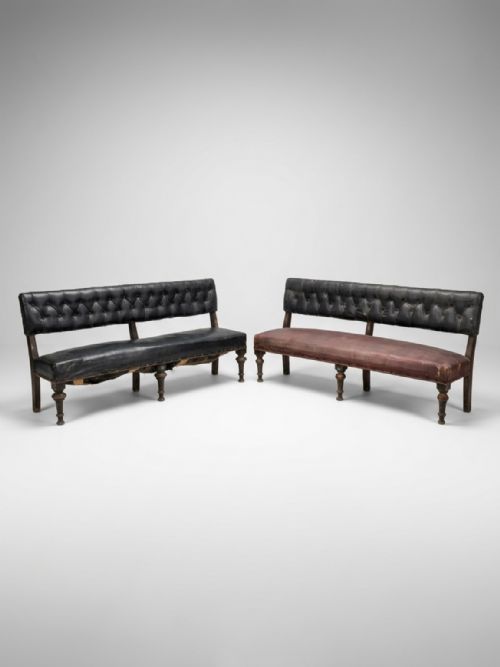
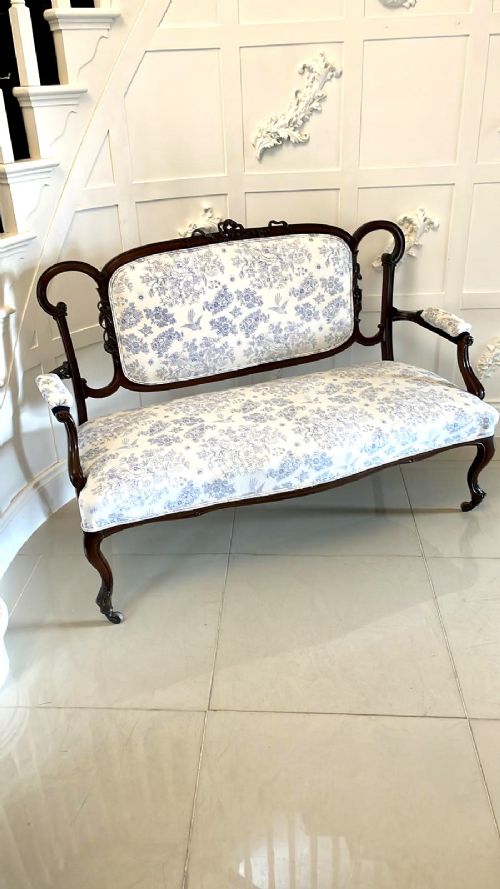
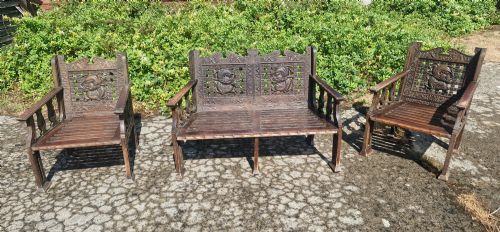
A vintage wooden settee brings together solid timber frames and comfortable seating, serving as a practical focal point for hallways, drawing rooms and conservatories. When exploring this selection, buyers encounter pieces spanning from the eighteenth century through the Edwardian era, reflecting diverse European and global cabinet-making traditions.
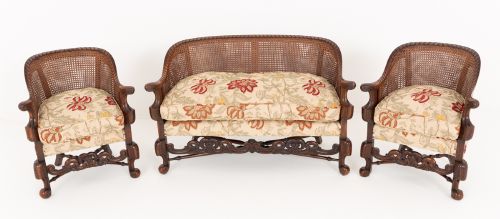
The most common examples on this page date from the nineteenth and early twentieth centuries, displaying styles such as Victorian, Edwardian, and various French revival movements. These seating forms range from compact two-seater couches to expansive country house sofas and cane-panelled daybeds.
Makers utilised distinct regional timbers and upholstery finishes to define each piece, resulting in objects that vary from simple bentwood frames to elaborately carved walnut and mahogany structures. Such diversity allows a vintage wooden settee to anchor traditional interiors or provide a striking contrast in modern spaces.
Materials and construction methods
Makers constructed these frames using dense hardwoods like mahogany, walnut, oak, and regional Asian timbers, joined securely to withstand generations of daily use. Turnings, steam-bent components, and hand-carved details required specialist carpentry skills passed down through workshops.
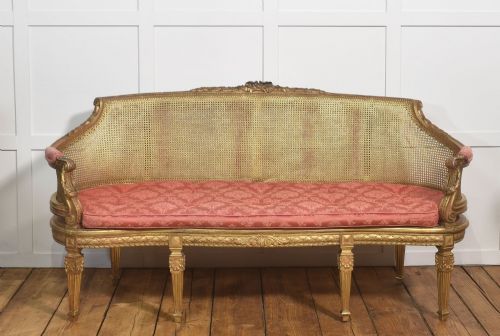
Surface finishes involved traditional techniques including French polishing, painting, ebonising, and gilding to enhance the grain or create decorative elegance. Caning and rush work provided flexible, breathable seat bases, often paired with loose cushions or fixed padding upholstered in velvet, fabric, or silk.
Vintage Wooden Settee Retail Price Guide 2026
Typical asking prices for vintage wooden settee among the pieces listed under this phrase on Sellingantiques today, from the lower quarter to the upper quarter. They describe what is for sale here now, not the wider market.
Assessing craftsmanship and finish
Quality rests in the integrity of the wooden frame, where crisp hand-carving and tight joinery distinguish superior pieces from utilitarian work. The depth of the timber's natural patina and the preservation of original surface treatments indicate how carefully a settee has been maintained.
Refined proportions and harmonious stylistic details, such as balanced inlay work or well-executed revival motifs, elevate certain examples above standard production. The survival of original cane panels or early upholstery elements also influences the character and integrity of the piece.
Thonet·Emma Grant
The Vintage Wooden Settee Glossary
- Bergere
- An enclosed upholstered armchair or settee featuring cane-work panels on the back and sides. This style gained popularity in eighteenth-century France and returned in later revival pieces.
- Bentwood
- Wood that is shaped by being heated with steam and then bent into curved forms. This technique created lightweight, durable frames associated with nineteenth-century production.
- Canework
- Woven rattan or cane strips used to form supportive, breathable panels for seats and backs. It requires specialist skill to weave and repair.
- Ebonising
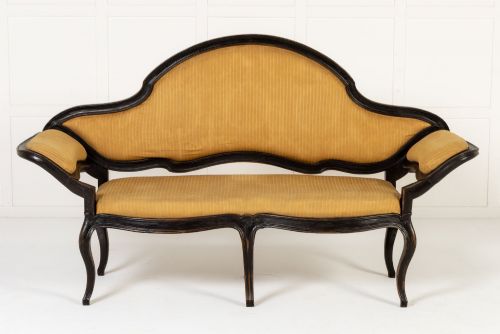
- A finishing process that darkens light-coloured timber to imitate ebony. Cabinet-makers used this technique on various hardwoods to achieve a dramatic, high-contrast appearance.
- Giltwood
- Timber coated with a thin layer of gold leaf or metallic powder. This opulent finish frequently appears on revival frames influenced by French court styles.
Vintage Wooden Settee: Frequently Asked Questions
Where should I place a wooden settee?
These pieces suit entrance halls, generous landings, or living rooms where their timber frames can be admired against a neutral wall. They also function well as secondary seating in large bedrooms or conservatories.
Ensure the dimensions match the scale of the room, allowing sufficient space around the frame to appreciate the carved details and woodwork.
How do I care for wooden frames?
Dust the timber regularly with a soft, dry cloth and apply a quality beeswax periodically to nourish the surface and preserve the natural patina. Avoid placing the settee near direct heat sources or strong sunlight, which can dry out the wood and fade upholstery.
Treat cane panels with care by lightly dampening them occasionally to maintain flexibility and prevent the material from becoming brittle.
Are these settees comfortable for daily sitting?
Most antique wooden settees were designed with upright posture in mind, offering firm support rather than deep, soft lounging. Many examples feature cane bases or tight upholstery that pair well with added cushions for extra comfort.
Consider how the seat height and depth align with your intended use, whether for casual relaxing or formal seating in a reception space.