





Vintage Wooden Scuttle
A vintage wooden scuttle brings texture and warmth to a fireside, serving as a practical fuel store shaped by centuries of domestic utility.
Vintage Wooden Scuttle
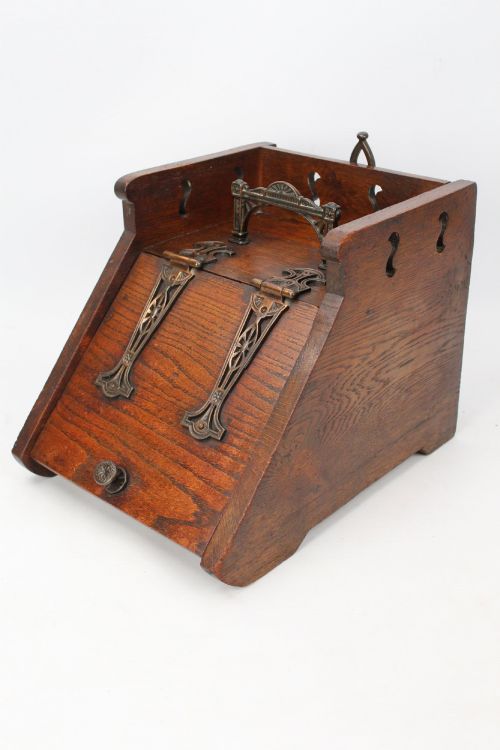
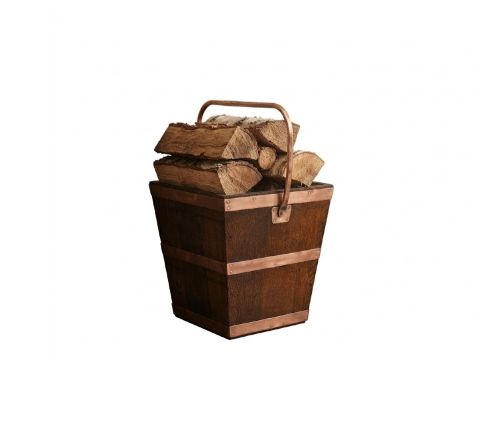
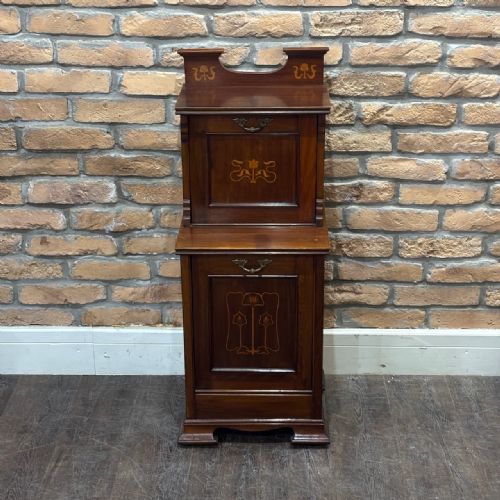
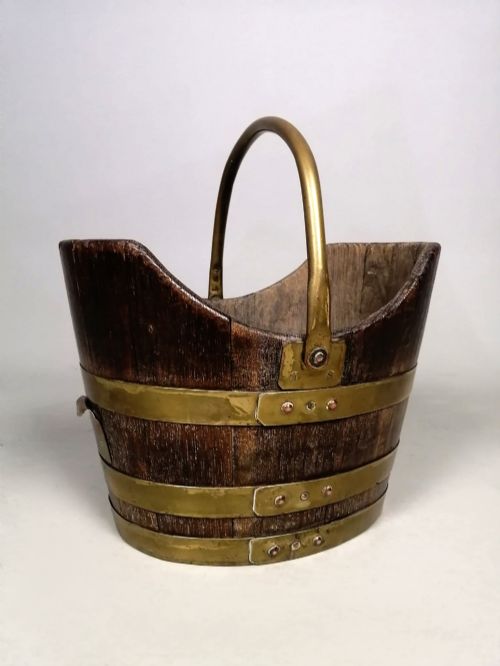
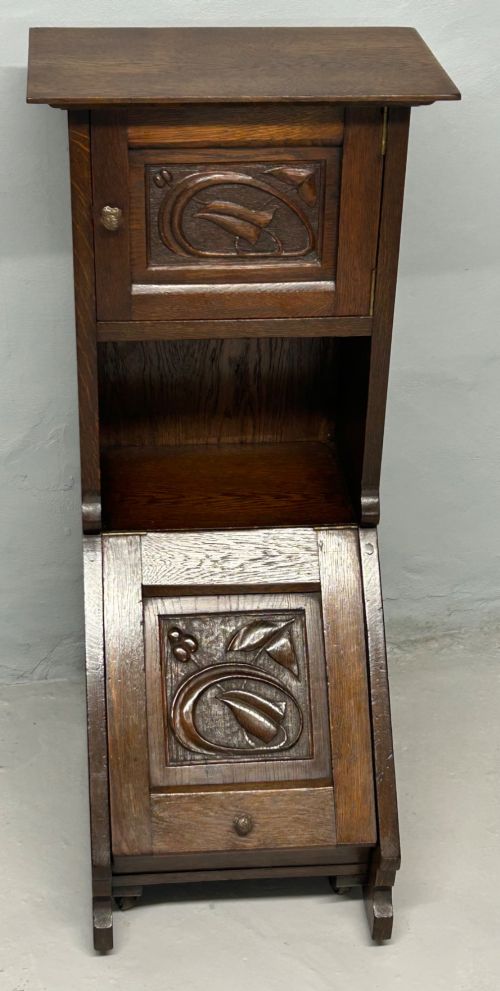
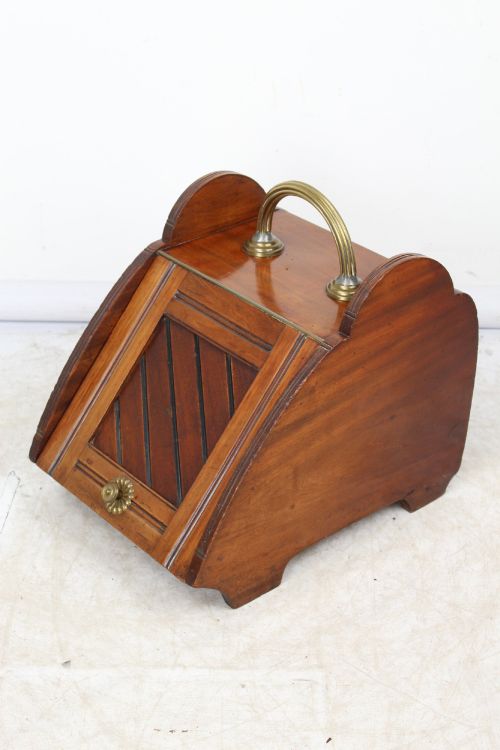
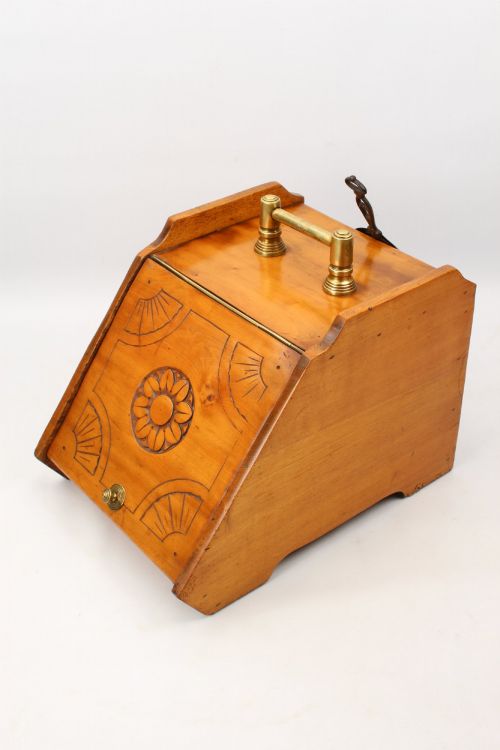
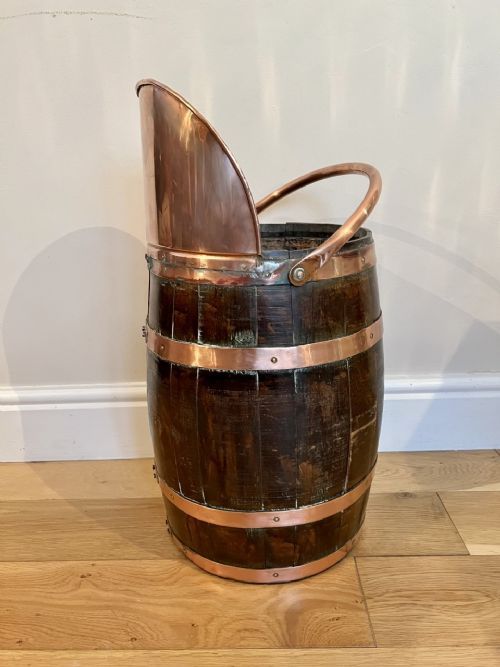
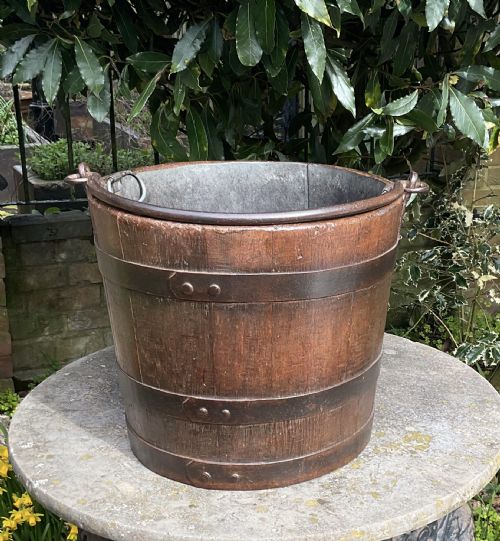
A vintage wooden scuttle encompasses a variety of fireside containers, including coal boxes, purdoniums, and coopered buckets used for solid fuel storage. These pieces date from the 18th century through the Edwardian period, reflecting the changing domestic habits of each era.
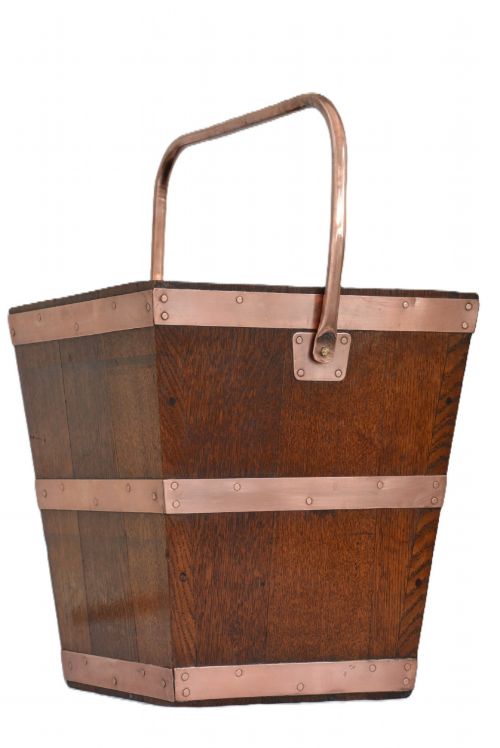
Oak and mahogany dominate the offerings on this page, often reinforced with brass or copper bands. Buyers frequently encounter traditional coal scuttles and purdoniums alongside coopered barrels adapted for hearthside use.
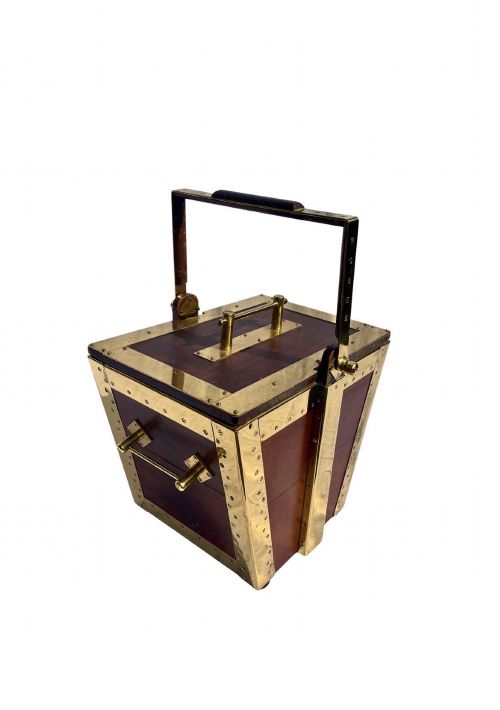
The form ranges from simple hinged coal cabinets to triangular fireside bins and elaborate ormolu-mounted depositories. Each variant served the daily task of keeping coal or peat dry and accessible near the fireplace.
Materials and construction
Cabinetmakers utilised dense hardwoods such as oak, walnut, and mahogany, frequently employing cooperage techniques with wooden staves bound by brass or copper hoops. This method provided the structural strength required to hold heavy loads of coal or peat.
Metal accents, including brass handles, hinges, liners, and armorial crests, were integrated to protect vulnerable edges and add decorative contrast to the dark wood. Some examples feature carved panels, silver plating, or inlaid details suited to formal Victorian and Edwardian interiors.
Vintage Wooden Scuttle Retail Price Guide 2026
Typical asking prices for vintage wooden scuttle among the pieces listed under this phrase on Sellingantiques today, from the lower quarter to the upper quarter. They describe what is for sale here now, not the wider market.
The listings feature pieces spanning the Georgian, Victorian, and Edwardian eras, constructed primarily from oak, mahogany, and walnut with brass and copper detailing.
Assessing quality and character
The standard of a vintage wooden scuttle rests on the integrity of its timber, the precision of its cooperage or joinery, and the weight of its metal mounts. Superior examples retain original metal liners and matching shovels, which indicate careful preservation over time.
Refinement in carving, the selection of figured wood such as pollard oak or burr walnut, and the robustness of the hinges distinguish finer purdoniums and coal boxes from utilitarian counterparts.
The Vintage Wooden Scuttle Glossary
- Purdonium
- A specialised cabinet or box designed to hold coal, typically featuring a sloping drop-front lid and a carrying handle. These containers often house an internal metal liner to catch debris.
- Coopered
- A method of construction where curved wooden staves are joined side by side and bound with metal hoops, much like a barrel. This technique is common in fire buckets and log bins.
- Coal Hod
- A traditional handheld carrier for fuel, sometimes rendered in wood with metal banding. It differs from a stationary box by prioritizing portability.
- Ormolu
- Gilded bronze or brass mounted onto furniture and metalware for decorative effect. It appears on select fireside bins to elevate their status in formal rooms.
Vintage Wooden Scuttle: Frequently Asked Questions
How do I clean a wooden coal box?
Remove the internal metal liner and empty any residual ash or dust before wiping the interior with a dry cloth. Treat the external wood with a suitable beeswax to maintain the finish without harming the grain.
Avoid using excessive water on the wood or harsh chemical cleaners on the brass and copper mounts. Gentle dusting preserves the patina accumulated over decades of fireside use.
What is the difference between a scuttle and a purdonium?
A scuttle is traditionally a portable bucket or hod used for scooping and carrying fuel to the hearth. A purdonium is typically a stationary piece of furniture, such as a cabinet with a tilted front designed to store coal out of sight.
Both items served the same fundamental purpose in period homes but catered to different rooms and levels of formality. Cabinets often included dedicated slots for a small coal shovel.
Can these containers still hold logs?
Many vintage wooden buckets and bins are structurally robust enough to store logs or kindling beside a modern fireplace. Checking the condition of the base and internal liner helps ensure the wood can withstand heavy fuel.
Lined examples prevent bark and dirt from marking the timber staves. Unlined bins benefit from a protective inner layer if used heavily for rough timber.
How do I date an antique coal bucket?
Dating relies on observing the timber species, construction methods, and stylistic cues such as brass mounts or inlaid decoration. Georgian and Victorian pieces often show hand-cut joinery and heavier metalwork.
Edwardian and later examples frequently incorporate machine-cut elements or distinct Arts and Crafts styling. Comparing the hardware to known period examples narrows down the era of manufacture.