



Vintage Wooden Organiser
A vintage wooden organiser brings order to a room, offering compartments and stands built to hold letters, books, and daily belongings.
Vintage Wooden Organiser
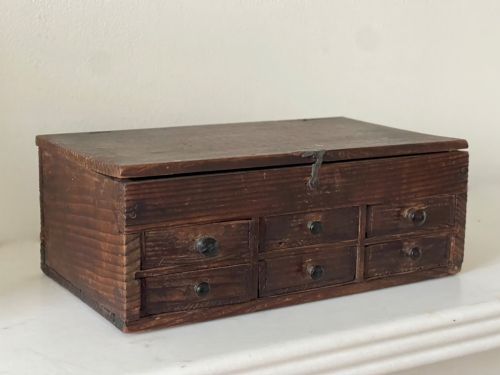
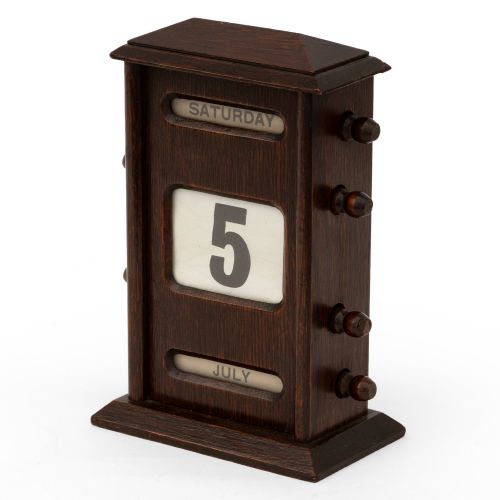
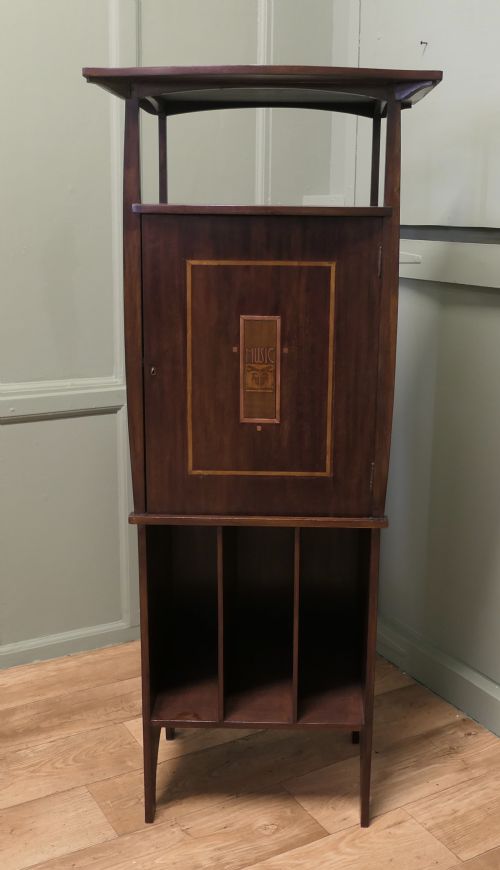
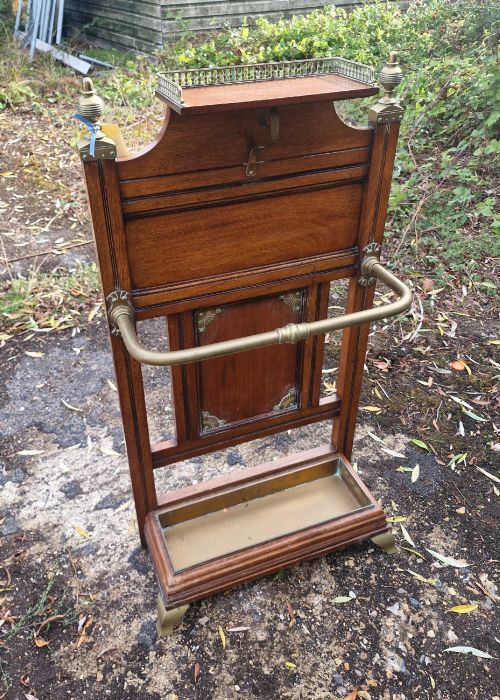
A vintage wooden organiser covers a wide variety of practical items designed for domestic and office order. When searching for this phrase, buyers encounter forms ranging from desktop pigeon holes and stationery boxes to hallway boot racks and music cabinets. The selection spans several eras, drawing particularly on Victorian, Edwardian, and early twentieth-century periods.
Most pieces serve specific functional needs within a traditional interior, such as sorting mail, holding books, or storing desk accessories. Desk tidies, letter holders, and filing cabinets dominate the practical variations available. Each item demonstrates how past households managed correspondence and daily paraphernalia before the digital age.
Materials and construction methods
Cabinetmakers utilised hardwoods such as mahogany, oak, walnut, and rosewood to construct durable storage pieces. These primary timbers frequently appear alongside brass hardware, glass panels, and metal fixings to reinforce corners and support hinged lids or tambour fronts.
Joinery techniques ranged from simple pegged joints in country house umbrella stands to intricate inlaid detail on Edwardian desk tidies. Surface treatments protected the timber while highlighting natural grain patterns through polishing and carving.
Vintage Wooden Organiser Retail Price Guide 2026
Typical asking prices for vintage wooden organiser among the pieces listed under this phrase on Sellingantiques today, from the lower quarter to the upper quarter. They describe what is for sale here now, not the wider market.
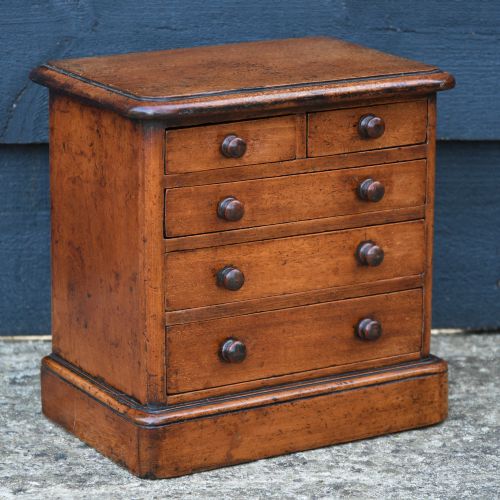
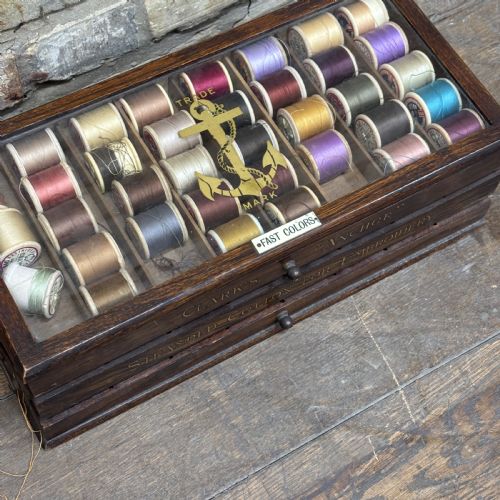
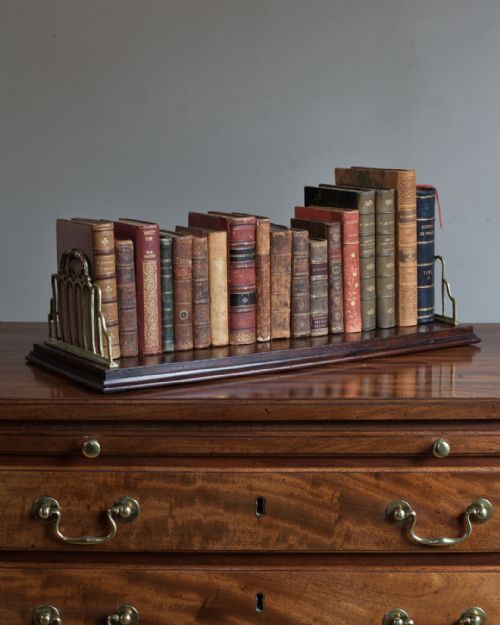
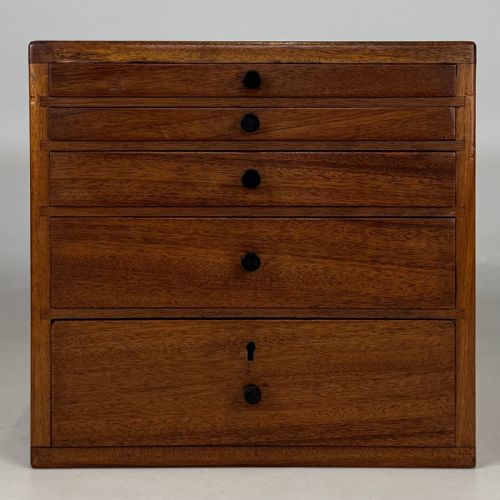
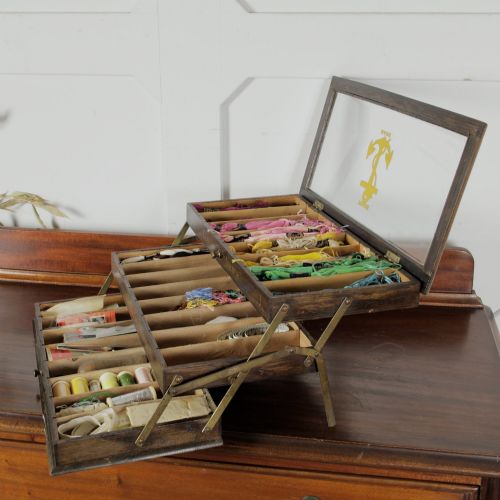
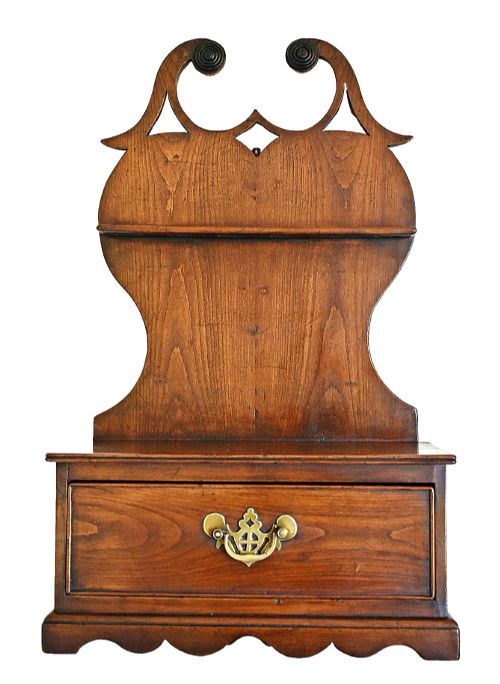
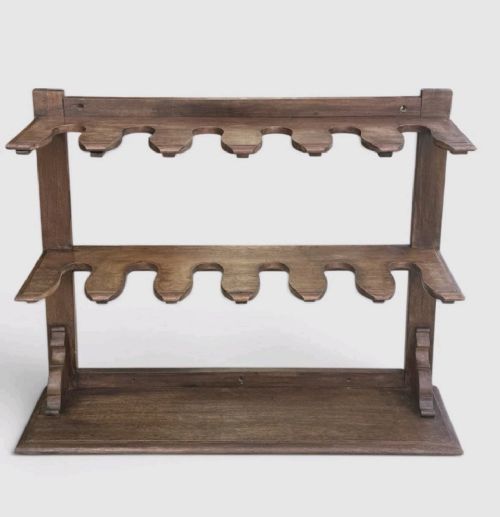
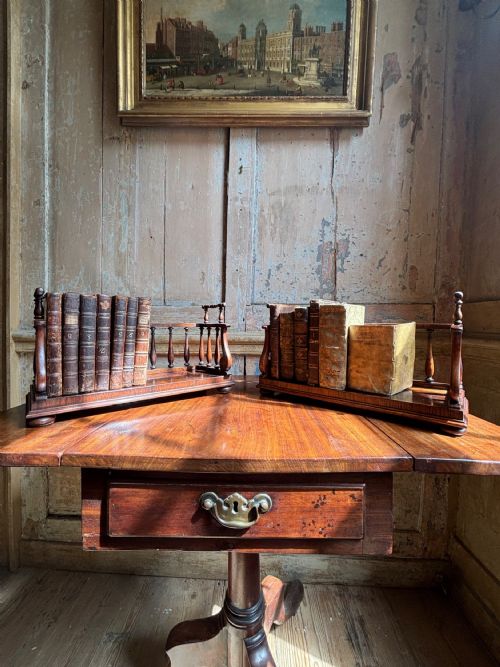
Object forms include desk accessories, stationery cabinets, boot racks, filing cabinets, book slides, music cabinets, and umbrella stands.
Assessing craftsmanship and design
The distinction between standard utility items and superior examples lies in the precision of the woodwork and the selection of figured timbers. Pieces demonstrating thoughtful proportions, integrated secret drawers, or matching grain patterns across multiple compartments command greater appreciation.
Hardware choice and mechanical action also dictate overall merit. Smoothly operating tambour doors, original brass hinges, and intact locks with working keys separate ordinary functional containers from exceptional cabinet work.
GM Elwood for JS Henry·Gillows
The Vintage Wooden Organiser Glossary
- Pigeon holes
- Compartments arranged in rows for sorting documents or letters. They typically sit upon a desk or hang on a wall for easy access.
- Tambour front
- A series of narrow wooden slats glued to a canvas backing, allowing a door to slide smoothly around a curved track. This mechanism conceals files or stationery within a compact footprint.
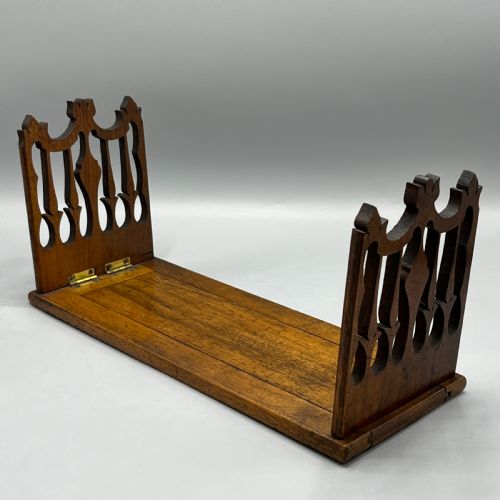
- Book slide
- An extending rack designed to hold a row of books upright on a table. Many incorporate hinged ends that fold flat or expand to accommodate varying volumes.
- Stationery box
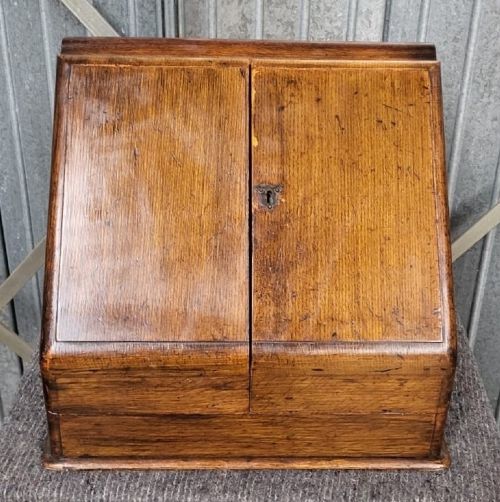
- A tabletop cabinet fitted with slots and ledges for writing paper and envelopes. They often feature sloping lids and internal divisions.
- Desk tidy
- A small receptacle for pens, inkwells, and stamps. These compact accessories keep desktop tools organised in a single footprint.
Vintage Wooden Organiser: Frequently Asked Questions
What is a pigeon hole unit used for?
Pigeon hole units serve to sort correspondence, documents, and paper supplies within a study or office environment.
Their open compartments allow letters to be separated by category or recipient for quick retrieval.
How do I maintain a wooden desk tidy?
Maintain wooden desk accessories by dusting them regularly with a soft, dry cloth to prevent dirt accumulation.
Apply a quality beeswax periodically to nourish the timber and preserve its natural sheen without heavy chemical polishes.
Are music cabinets suitable for modern storage?
Music cabinets provide narrow shelving originally intended for sheet music but easily adapted for modern paperwork or media.
Their compact vertical footprint makes them practical for fitting into smaller rooms while offering concealed storage behind a door.
What distinguishes an Edwardian stationery box?
Edwardian stationery boxes often feature lighter decorative touches, such as delicate inlaid wood details or silver mounts.
They reflect the domestic writing habits of the early twentieth century, prioritising refined tabletop appearance alongside functional sorting.