


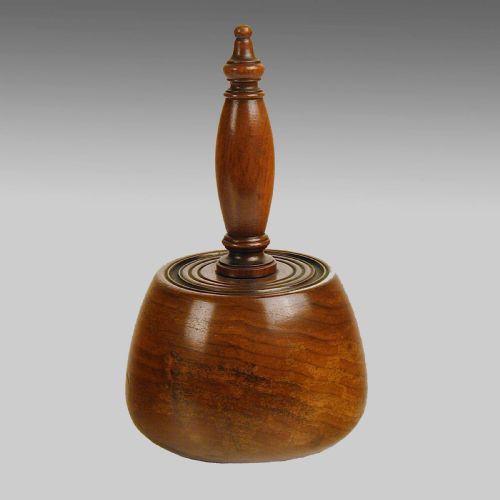
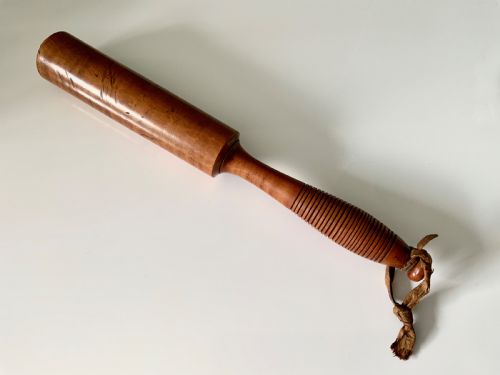
Vintage Wooden Mallet
These vintage wooden mallet examples span nineteenth-century treen to lawn games, offering tactile weight and honest utility for desk or garden.
Vintage Wooden Mallet
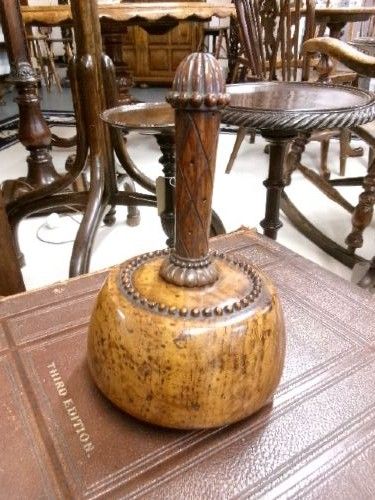
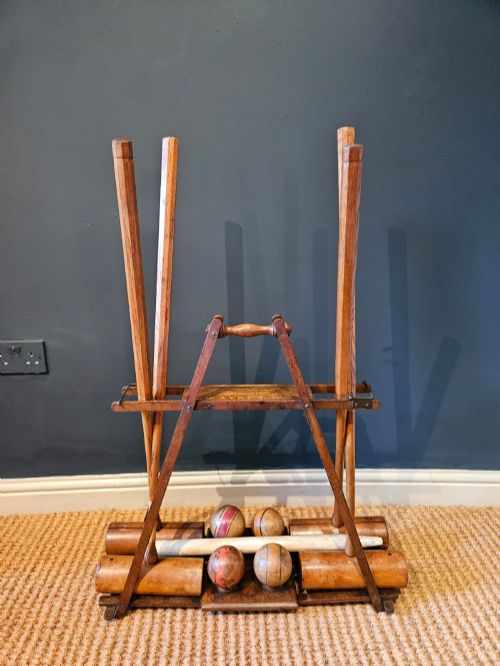
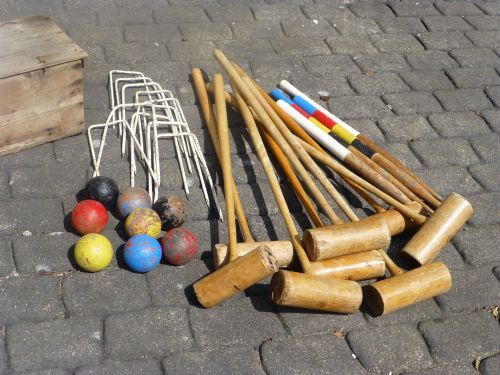
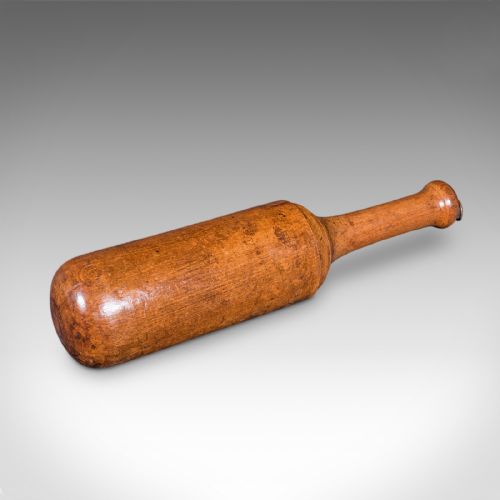
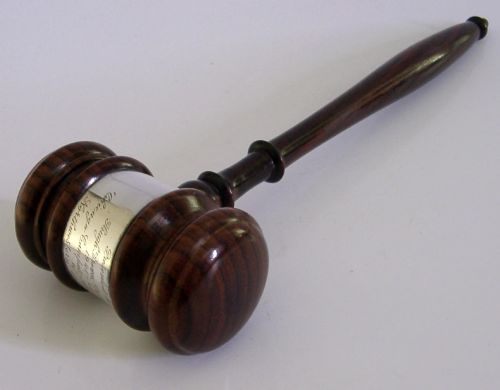
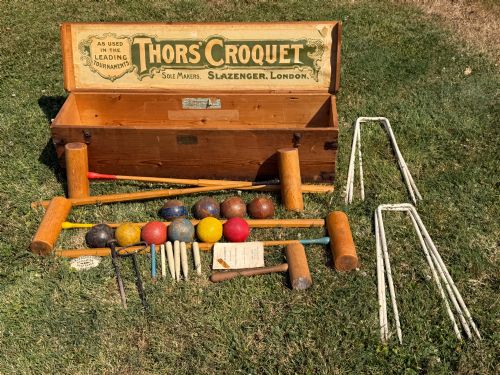
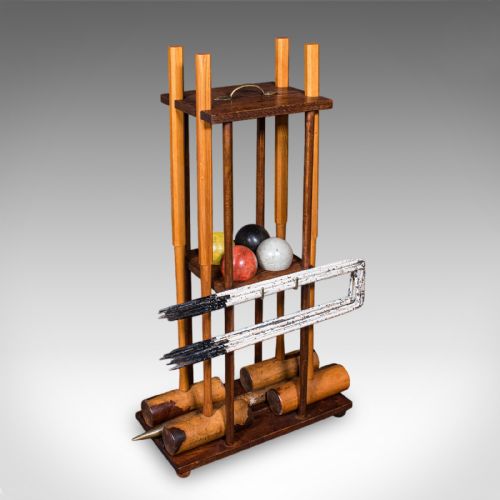
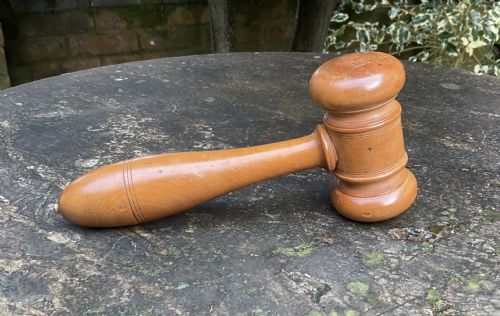
When you search for a vintage wooden mallet, you encounter objects shaped by practical work, formal ceremony, and leisurely play. These pieces range from substantial carpentry tools and auctioneers' gavels to complete croquet sets housed in original pine boxes.
The versions most frequently met on this page include traditional treen items from the Victorian and Edwardian eras, alongside lawn games apparatus by makers such as Slazenger and F.H.Ayres. They function equally well as desk accessories or as active components in garden pastimes.
Origins vary from English workshops and London manufacturers to Scandinavian country makers and American university presentations. Each piece retains the distinct character of its original utilitarian or social purpose.
How they were made
Makers utilised dense hardwoods such as boxwood, beech, fruitwood, and lignum vitae to withstand repeated impacts. Lignum vitae and boxwood provided the heavy, splinter-resistant mass required for carpentry mallets and auctioneers' gavels.
Turning on a lathe formed the balanced heads and handles of treen items, whilst other pieces incorporated hand-carved details or fitted metal bands of iron and brass. Boxes for lawn games utilised plain pine with dovetailed joints to protect the mallets within.
A veterinary fleam mallet reminds us that nineteenth-century horse doctors carried remarkably stylish treen hammers.
What varies in quality
The distinction between ordinary and superior examples lies in the selection of timber and the fidelity of the turning. Tightly grained hardwoods and balanced proportions elevate a piece from a simple tool to a refined collector's item.
Completeness dictates value in game sets, where retaining the original pine box and matched components preserves the historical context. Maker attribution through stamps or labels similarly marks out exceptional craftsmanship.
Jacques·Slazenger·A.W.Gamage·F.H.Ayres Ltd.
The Vintage Wooden Mallet Glossary
- Treen
- Small handmade wooden domestic objects and treen items encompass everything from kitchenware to desk accessories. These pieces demonstrate vernacular woodworking skills.
- Gavel
- A small ceremonial mallet used by auctioneers, presidents, and presiding officials to call for attention. They appear in boxwood, silver-mounted designs, and carved hardwoods.
- Lignum vitae
- An extremely dense and heavy wood traditionally utilised for carpentry mallets and lawn games equipment. Its natural self-lubricating oils make it remarkably durable.
Vintage Wooden Mallet: Frequently Asked Questions
How do I date a wooden mallet?
Dating relies on timber choice, tool marks, and overall form relative to the Victorian, Edwardian, or mid-century periods. Original boxes and maker stamps offer the clearest temporal indicators.
Unmarked treen pieces require careful observation of wear patterns and construction methods to place them within the nineteenth or early twentieth centuries.
Were these mallets used for carpentry?
Many examples originated as working tools for tradespeople, such as the nineteenth-century carpentry and veterinary mallets listed here. Hardwoods like beech and lignum vitae suited this rigorous employment.
Other pieces served entirely different functions, including lawn games, ceremonial duties, and auction room proceedings.
What is the difference between a gavel and a mallet?
A gavel is specifically a ceremonial striking tool used by auctioneers and presidents, often featuring a designated striking block or handle shape. General mallets served practical construction or garden purposes.
Auctioneer and desk gavels frequently display finer turning or commemorative metal mounts compared to workshop tools.
How should I care for antique treen?
Maintain wooden surfaces by keeping them away from direct heat sources and sudden humidity changes to prevent timber splitting. Occasional application of suitable wax preserves the finish.
Avoid harsh chemical cleaners that strip the natural patina accumulated over decades of handling.