




Vintage Wooden Ladder
A vintage wooden ladder offers practical utility and architectural form, serving as library access or interior display in period spaces.
Vintage Wooden Ladder
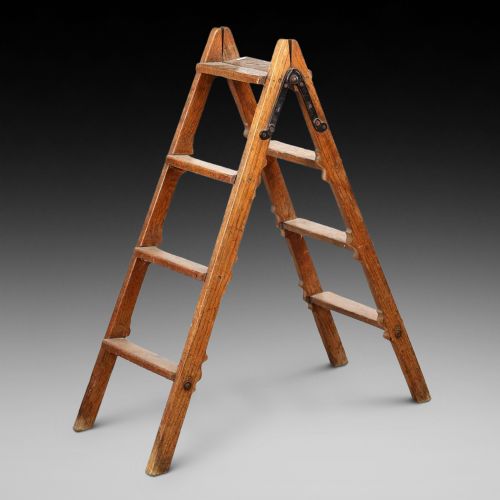
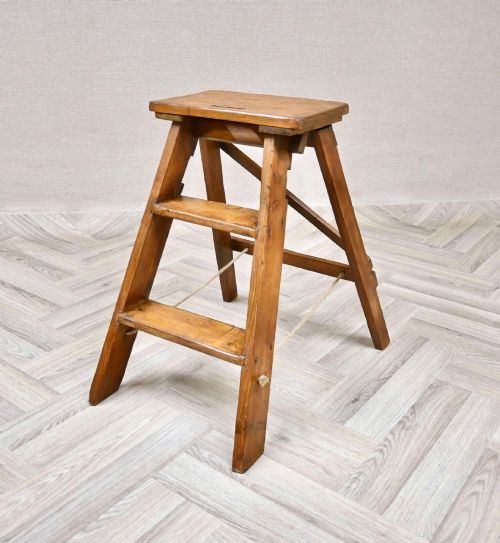
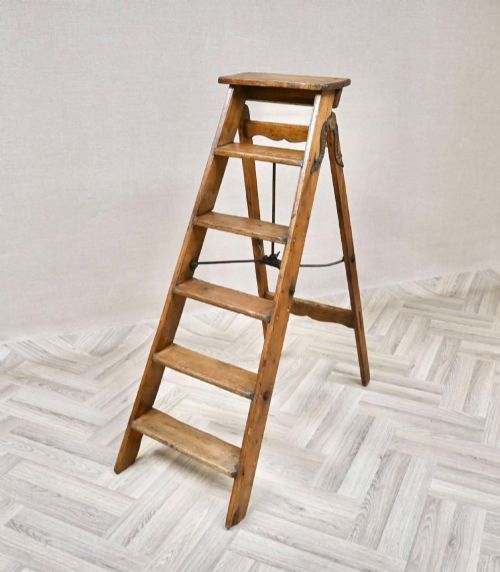
A vintage wooden ladder encompasses utilitarian steps, folding library flights, and tall loft ladders originating from the nineteenth and early twentieth centuries.
The selections span oak, pine, and mahogany, reflecting domestic, institutional, and commercial applications across Victorian, Edwardian, and country vernacular styles.
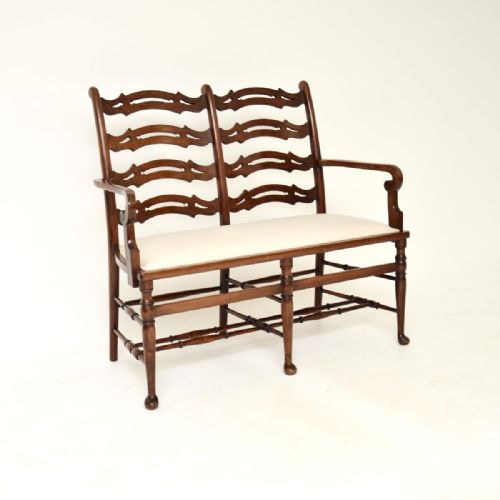
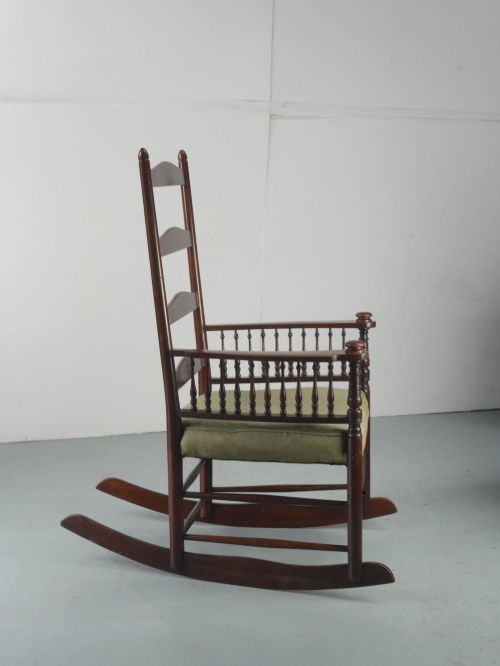
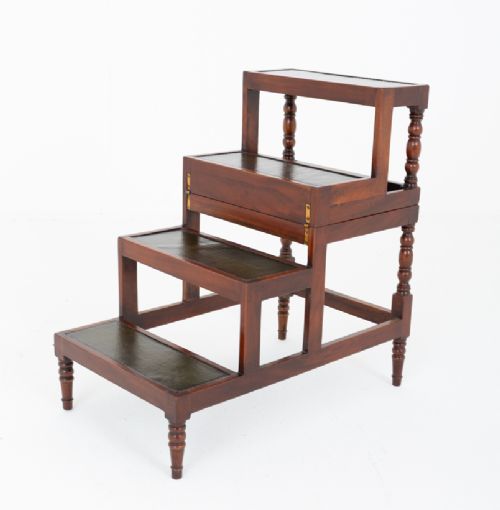
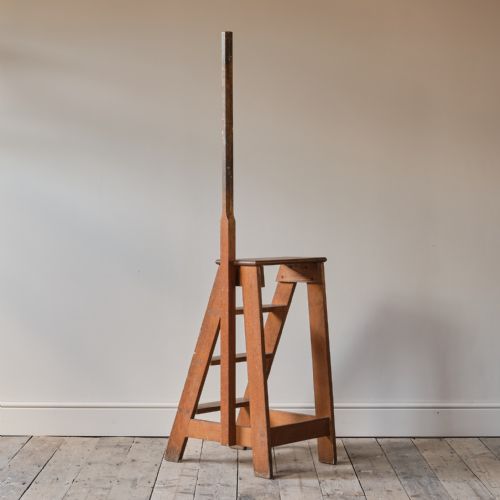
Library steps and metamorphic seating emerge frequently, combining multi-tiered treads with domestic furniture functions.
Materials and construction methods
Carpenters utilised sturdy hardwoods such as oak and mahogany alongside resilient softwoods like pine, securing treads with traditional joinery and reinforced iron or brass hardware.
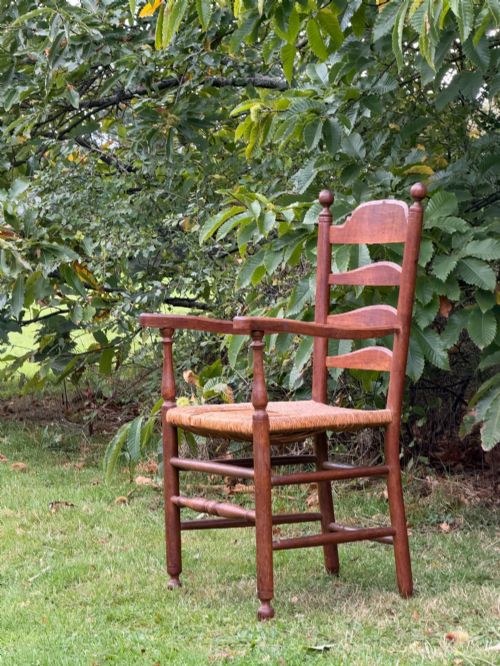
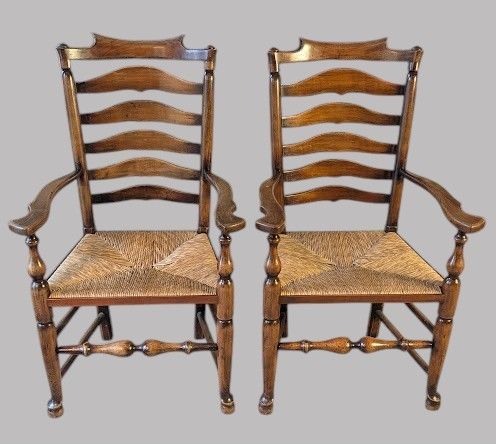
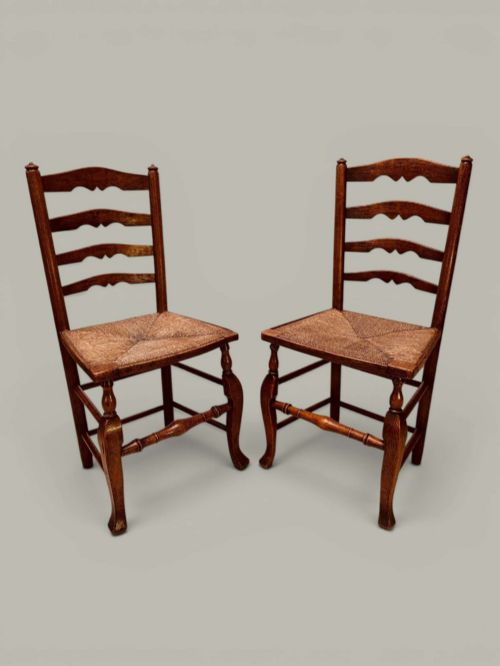
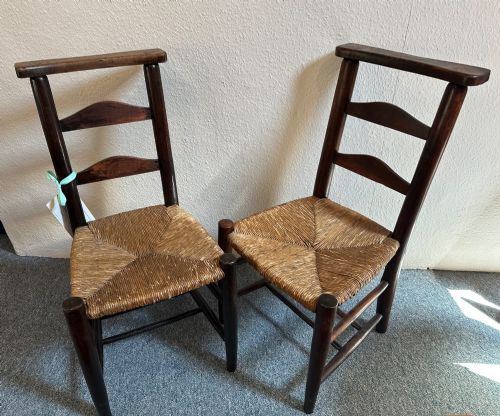
Many items incorporate leather-topped treads or rush seating, demonstrating a deliberate blend of durable structural timber and tactile surfaces designed for frequent handling.
Vintage Wooden Ladder Retail Price Guide 2026
Typical asking prices for vintage wooden ladder among the pieces listed under this phrase on Sellingantiques today, from the lower quarter to the upper quarter. They describe what is for sale here now, not the wider market.
St Paul's Cathedral once marked its chairs to prevent wandering clerics from misplacing their seats during long services.
Distinctions in construction and timber quality
Superior examples display tighter timber grain, precise joinery, and original metal hinges or folding mechanisms that operate smoothly without structural compromise.
Quality rests upon the integrity of the wood and the retention of original surface patination, distinguishing workshop-built pieces from purely utilitarian items.
Lawrence Neal·Liberty & Co
The Vintage Wooden Ladder Glossary
- Metamorphic chair
- Dual-purpose furniture designed to transform from a seating form into a set of library steps.
- A-frame
- A self-supporting structural configuration utilising two hinged sides that meet at an apex.
- Tread
- The horizontal surface of a step or stair upon which the foot rests.
- Rush seat
- Seating woven from marsh grasses, commonly found on country ladder back chairs.
- Vernacular
- Objects built by local craftsmen to satisfy practical requirements rather than following formal academic styles.
Vintage Wooden Ladder: Frequently Asked Questions
How were library steps used historically?
Libraries utilised these sturdy flights to reach high shelving units containing heavy leather-bound volumes. The multi-tiered steps provided stability for scholars and staff in private homes and institutions.
Over time, many designs incorporated folding mechanisms or transformed into chairs to maximise floor space when the library was not in active use.
Are these ladders suitable for daily household use?
Many sturdy examples remain structurally capable of functioning as everyday household steps or reaching high shelving. Selecting items with sound timber and secure joints ensures safe day-to-day operation.
Lighter decorative pieces or fragile antique flights function better as display shelving for plants and books rather than heavy-duty climbing tools.
How do I identify a Victorian ladder?
Nineteenth-century pieces typically display darker hardwood construction like oak or mahogany, often featuring hand-cut joinery and heavy iron hardware. Stylistic cues align with Victorian revival trends or utilitarian institutional manufacture.
Examining the wear patterns on the wooden treads and the oxidation on any brass or iron fittings helps confirm the age of the structure.
What is the difference between library steps and step ladders?
Library steps are traditionally designed for interior spaces, frequently incorporating polished mahogany, leather treads, or metamorphic chair functions for domestic settings. Step ladders lean towards utilitarian pine, ash, or oak construction meant for trades or general household maintenance.
Both categories utilise wood as the primary material, but library versions often display finer decorative turning and joinery details.