


Vintage Wooden Kitchen Stool
These vintage wooden kitchen stool examples offer honest utility and sturdy craftsmanship, making them practical seating for any rustic or traditional interior.
Vintage Wooden Kitchen Stool
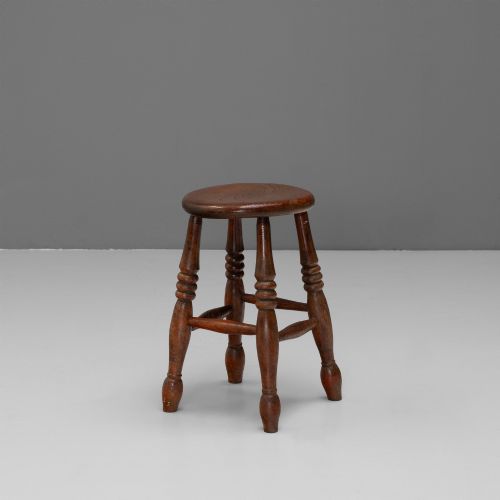
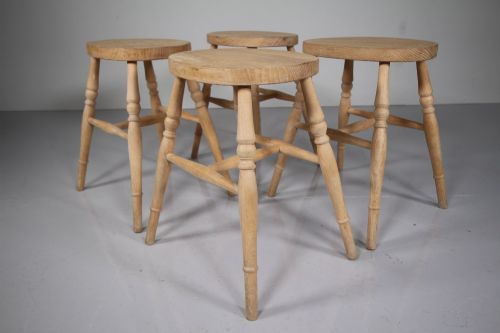
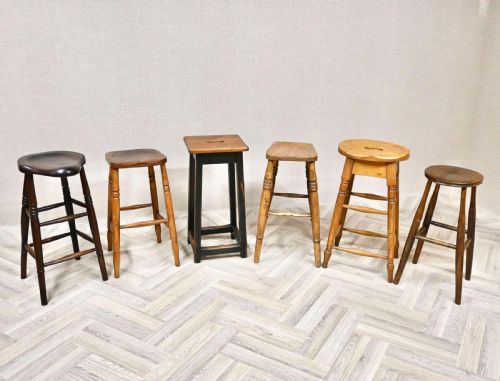
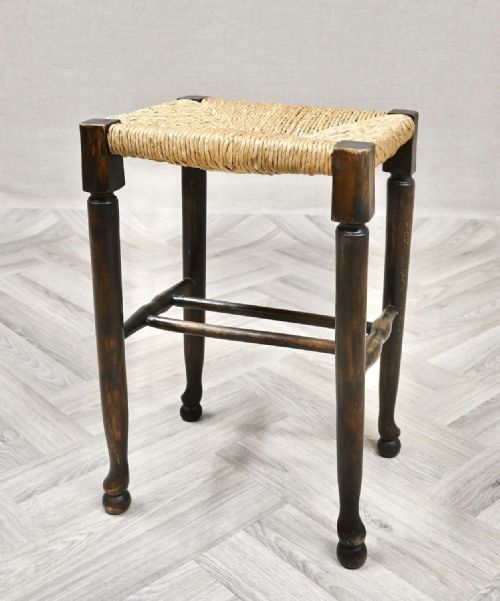
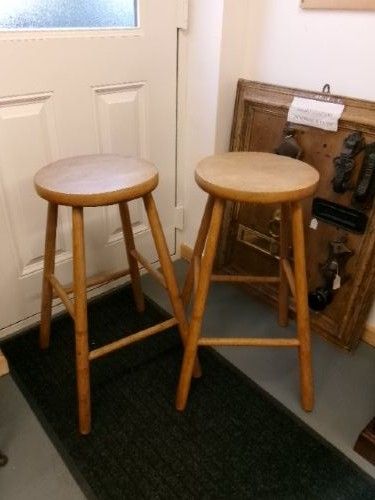
When searching for a vintage wooden kitchen stool, buyers encounter an array of utilitarian seating originating from the nineteenth and early twentieth centuries. These pieces span simple dairy seats, high bar stools, and turned clerk designs intended for practical workplaces rather than formal drawing rooms.
The versions most commonly met on this page belong to the rustic farmhouse and Victorian country styles, often constructed with sturdy elm or beech. They serve equally well as extra kitchen seating, breakfast bar perches, or standalone decorative accents in contemporary homes.
Materials and construction
Makers relied on domestic hardwoods such as elm, beech, oak, and pine, selecting timbers that could endure heavy daily wear in kitchens, dairies, and mills. Elm frequently provided a tough, beautifully grained top, while beech and pine formed sturdy turned legs and structural frames.
Joinery methods typically involved traditional turning and wedged tenons to ensure rigidity under constant movement. Some pieces incorporate iron bracing or retain traces of old paint, reflecting their utilitarian origins in rural workshops and commercial premises.
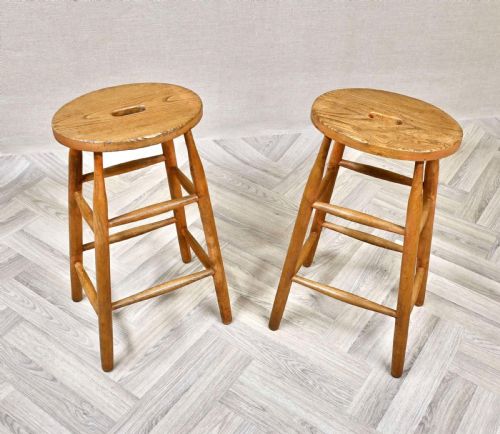
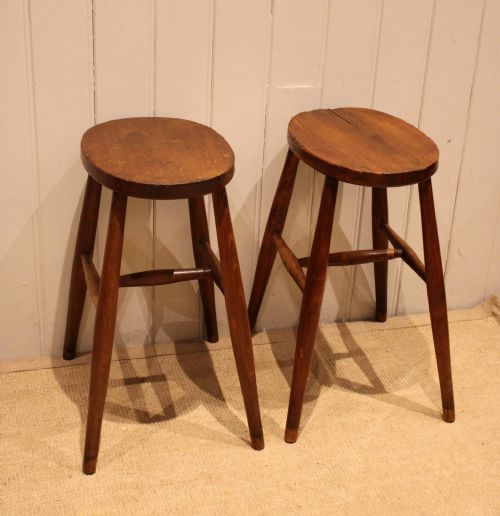
Several high perches preserve the concentrated wear patterns left by nineteenth-century mill workers and dairy hands shifting through long shifts.
Assessing quality and character
Quality in these seating items rests upon the integrity of the timber and the balance of the frame rather than elaborate ornamentation. Seats shaped from a single solid slab of wild elm demonstrate superior material selection compared to assembled multi-board tops.
Wear tells the story of the object, distinguishing genuine period workshop use from later imitation. A stable stance, smooth patination developed from decades of handling, and tight joints separate robust examples from compromised pieces.
The Vintage Wooden Kitchen Stool Glossary
- Elm
- A tough domestic hardwood prized for its interlocking grain and resistance to splitting. It was frequently chosen for stool seats that endured heavy daily use.
- Beech
- A pale, close-grained timber commonly used for turned legs and spindles. Its strength allowed makers to create slender yet supportive structural components.
- Vernacular
- Everyday objects designed for practical utility by regional makers rather than following strict high-style architectural fashions. These pieces prioritise function over decoration.
- Bentwood
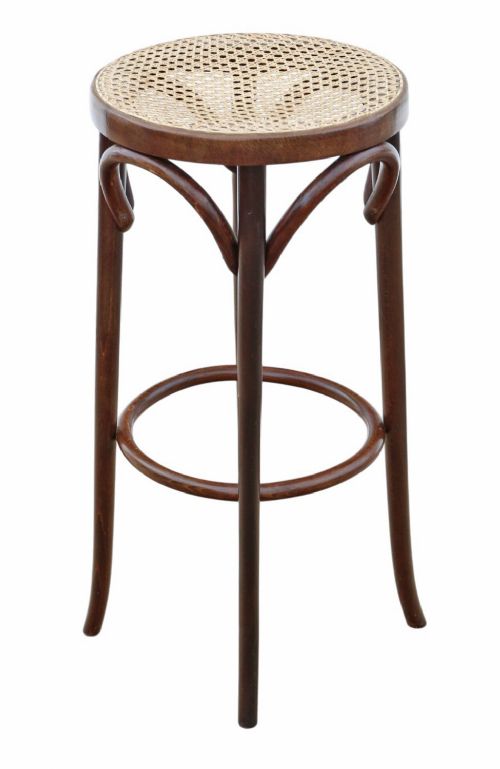
- Wood softened by steam and bent into curved shapes, often utilised in early twentieth-century workshop and bistro seating. This technique produced resilient, lightweight frames.
- Turned
- Shaped on a lathe to create symmetrical cylindrical or tapered components like legs and stretchers. This process ensured uniform strength across structural supports.
Vintage Wooden Kitchen Stool: Frequently Asked Questions
How do I clean a vintage stool?
Wipe surfaces gently with a dry or barely damp cloth to remove everyday dust without disturbing the historic finish.
Apply a traditional beeswax polish occasionally to nourish dry timber and maintain the natural lustre of the wood.
Are these stools sturdy for daily sitting?
Most period examples were built for heavy industrial or agricultural work, meaning their frames remain remarkably robust.
Check the stretcher joints periodically to ensure the wooden components stay firmly locked in position over years of use.
Can I use bar stools at standard counters?
Height varies considerably among older high seating, ranging from low dairy variants to tall mill worker perches.
Measure both your counter height and the stool top carefully before purchasing to guarantee comfortable legroom.
How do I identify a nineteenth-century piece?
Look for signs of hand-turned joinery, adze marks on solid timber seats, and deep patination accumulated over generations.
Construction details like square pegs and iron fixings often point toward earlier rural and workshop manufacturing traditions.