
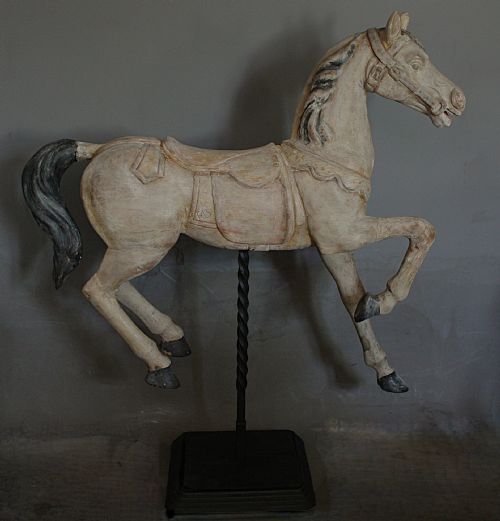


Vintage Wooden Horse Figure
A vintage wooden horse figure brings hand-carved character and folk art charm directly into a modern interior.
Vintage Wooden Horse Figure
A vintage wooden horse figure encompasses hand-carved sculptures, carousel carvings, and folk art models originating from diverse global traditions. These pieces range from decorative fairground survivors to intimate animalier studies carved in hardwood.
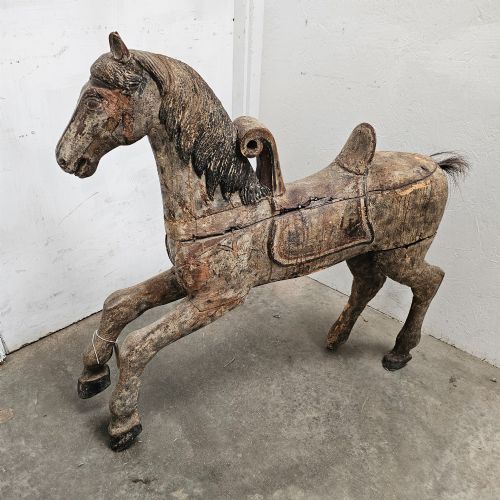
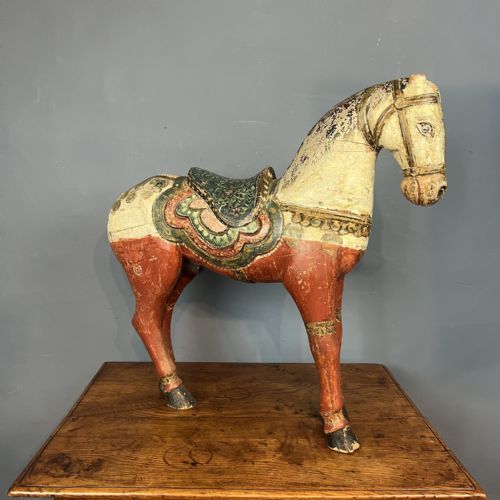
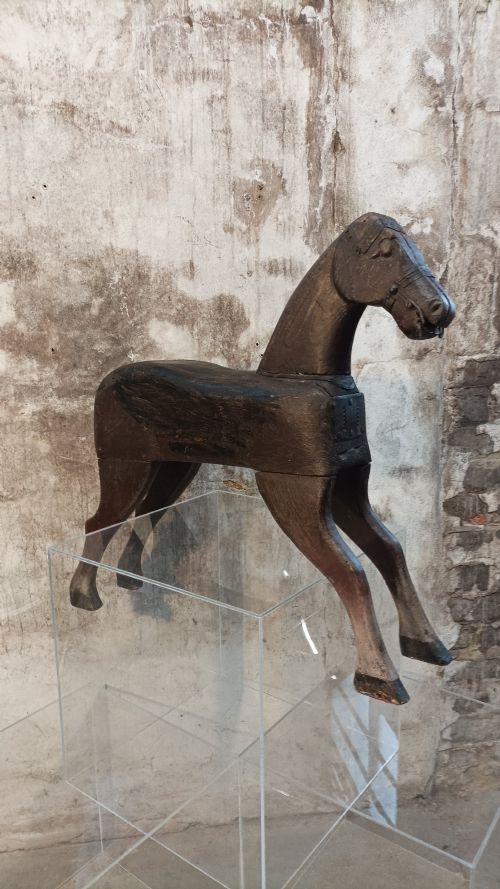
The versions most commonly met on this page span the nineteenth century through the early decades of the twentieth century. They include naive painted toys, Anglo-Indian processional animals, and robust continental carousel figures.
Makers across different regions utilised local timbers and distinct aesthetic approaches, creating everything from Mongolian pack horses to detailed European draught horse stallion studies.
Materials and construction methods
Carved wood forms the structural core of nearly every piece, utilising various hardwoods and regional timbers shaped with traditional hand tools. Paint, often applied in layers over decades, frequently survives on folk art surfaces and carousel figures.
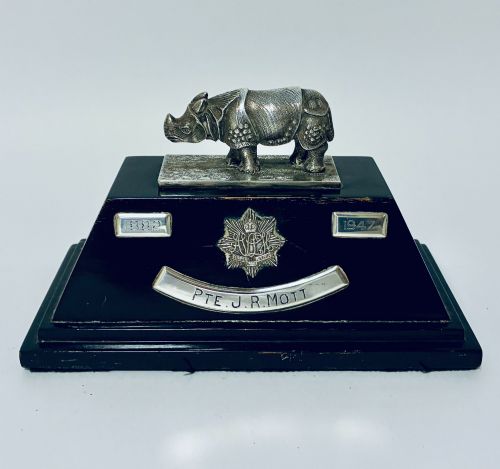
Secondary elements such as leather, iron, and real horsehair appear on specific forms like presentation trophies and life-size models to add realistic texture and harness detail.
One remarkably sturdy participant stands ready for duty as a life-size arts and crafts leather model of a horse.
Assessing quality and craftsmanship
The vitality of the carving separates exceptional sculptures from ordinary production, visible in the tension of the muscles and the natural proportions of the animal. Finer pieces demonstrate a confident handling of form by the artisan, whether working in a naive folk tradition or a realistic studio style.
The integrity of the original surface finish dictates much of the visual appeal. Untouched historical paint layers and patinated bare wood hold considerably more presence than later overpainting or heavy restoration.
The Vintage Wooden Horse Figure Glossary
- Folk art
- Objects created by self-taught or traditional artisans outside the formal academic academies. These pieces prioritize expressive utility and directness over strict anatomical proportions.
- Animalier
- A nineteenth-century artistic movement dedicated to the realistic portrayal of animals. Sculptors in this tradition focused closely on accurate musculature and movement.
- Carousel horse
- Large carved wooden figures designed for fairground rides. They typically feature dynamic poses and decorative harness details.
- Draught horse
- A large working horse bred for pulling heavy loads. Sculptural studies of these animals emphasise powerful shoulders and stocky builds.
Vintage Wooden Horse Figure: Frequently Asked Questions
How do I date a wooden horse?
Dating relies on tool marks, the composition of underlying paint layers, and the specific stylistic conventions of the period. Examining the wear patterns on the wood helps confirm the age of the carving.
Hardware and construction methods also provide reliable clues for separating nineteenth-century examples from later twentieth-century pieces.
Are carousel horses heavily restored?
Many carousel horses underwent multiple coats of paint during their working lives on the fairground. Preserved original surfaces remain scarcer than pieces with later decorative overpainting.
Careful inspection under natural light reveals whether the current paint surface matches the operational age of the underlying wood carving.
Where were folk art horses made?
Folk art horses emerged from numerous regional traditions across Europe, India, and Russia. Local timber availability heavily influenced the choice of wood used by regional carvers.
Distinct regional painting styles and decorative motifs help identify the specific cultural origin of unsigned pieces.
How should I clean my wooden horse?
Dusting gently with a dry, soft cloth prevents the accumulation of dirt without risking the historic finish. Avoid using liquid cleaners or polishes that might soften fragile historical paint layers.
Maintaining stable indoor humidity levels protects the carved wood from splitting or warping over time.