
Vintage Wooden Garden Bench
A vintage wooden garden bench offers an immediate sense of history and place, anchoring lawns and terraces with enduring craft.
Vintage Wooden Garden Bench
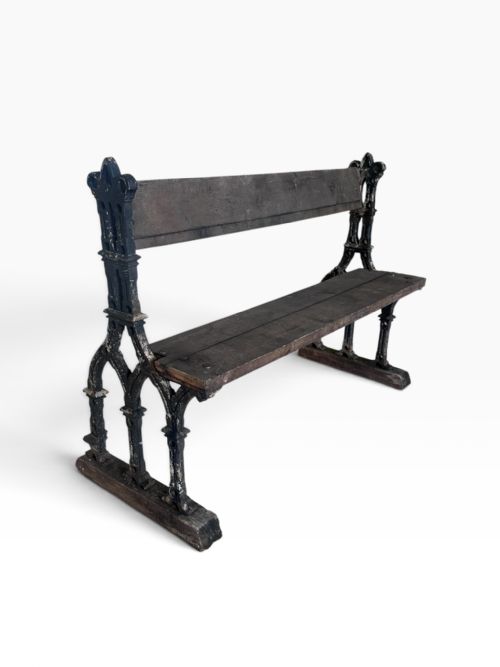
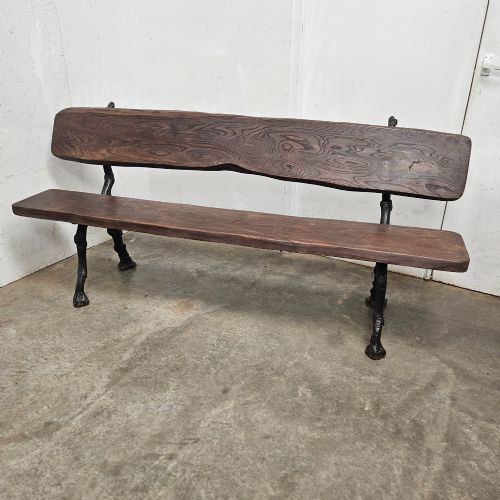
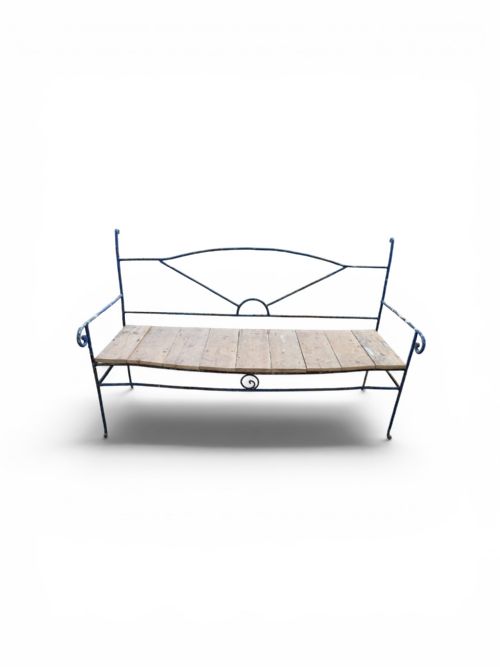
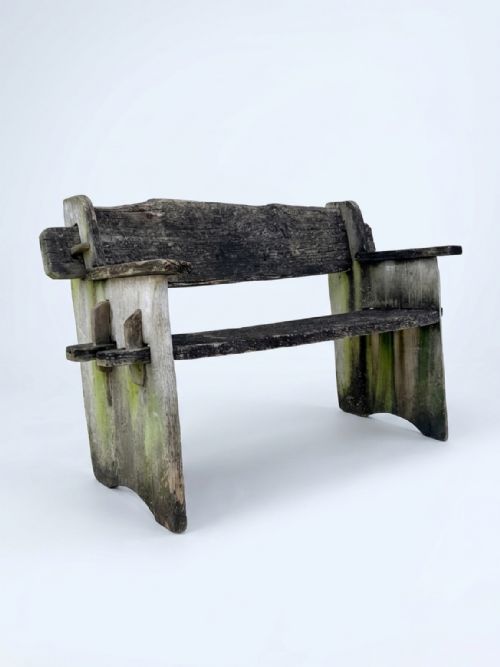
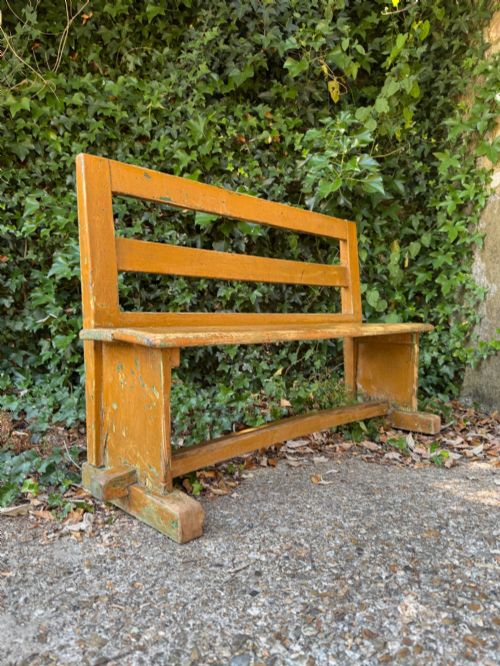
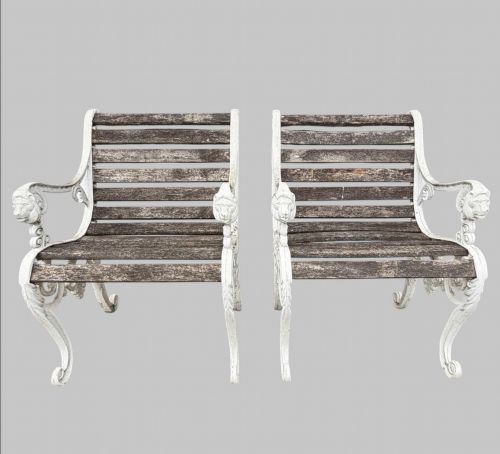
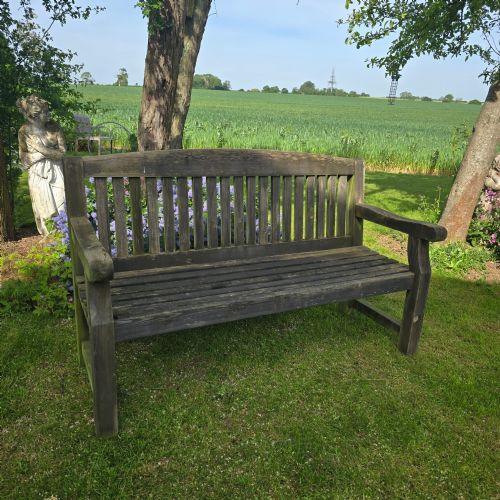
A vintage wooden garden bench represents a durable form of outdoor seating forged from traditional materials during the nineteenth and early twentieth centuries. These pieces span robust Victorian Gothic designs, Edwardian forms, and rustic country styles intended for practical use in gardens, conservatories, and parklands.
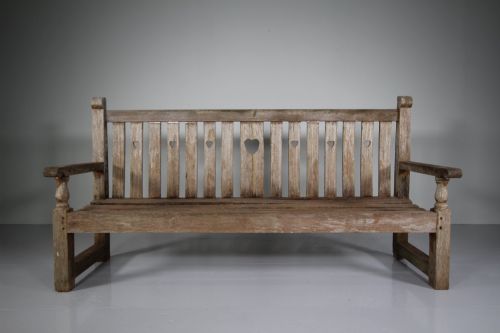
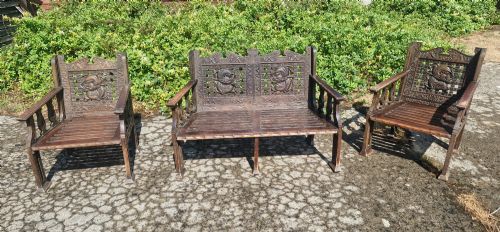
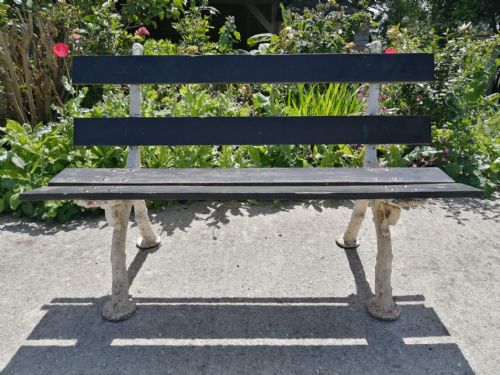
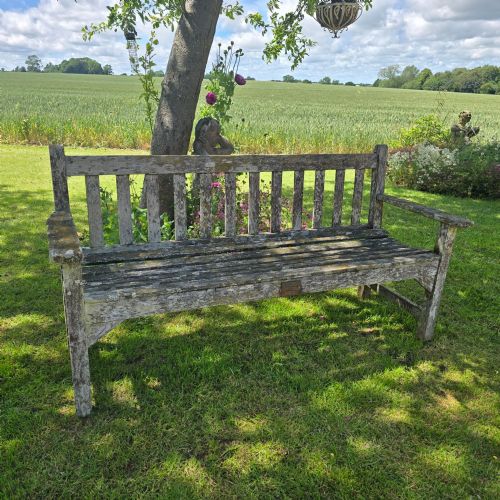
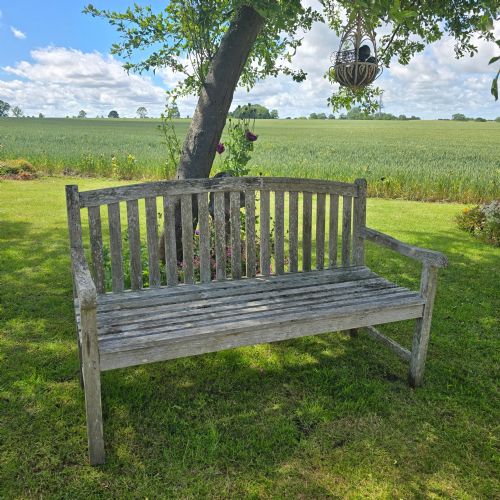
Buyers will encounter various timber constructions, most notably weathered teak, pine, elm, and oak, frequently paired with cast iron frames. The selection includes simple slatted seats alongside elaborate heart motifs, faux bois finishes, and specific regional derivations.
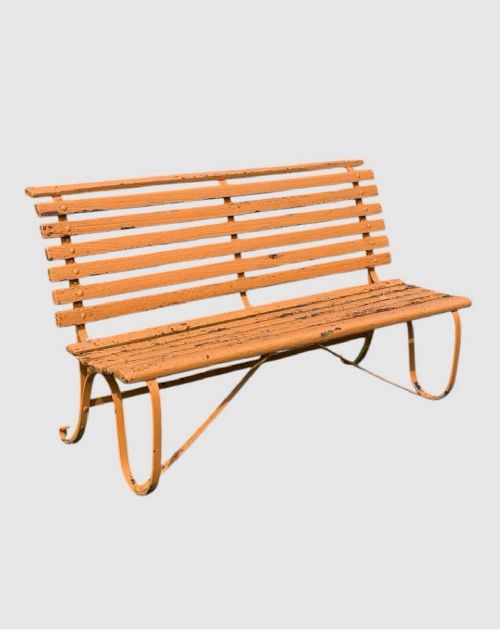
The assortment on this page concentrates heavily on functional outdoor seating from the Victorian, Edwardian, and early twentieth-century periods. Alongside standard benches, variations such as railway station benches and associated garden seating appear to meet diverse landscape requirements.
What varies in quality
The distinction between standard utility seating and finer examples rests on the integrity of the timber and the complexity of the cast iron ornamentation. Pieces retaining their original weathered patina demonstrate superior ageing compared to heavily restored variants.
Constructive refinement also separates the output, visible in the precision of the joinery and the presence of distinct design motifs such as heart carvings or specific foundry patterns. The choice of resilient hardwoods like teak inherently elevates the longevity and stature of the piece.
Some benches carry the ghosts of railway stations and polo clubs, having travelled from platforms to private lawns.
Coalbrookdale
The Vintage Wooden Garden Bench Glossary
- Faux bois
- A decorative technique mimicking wood grain, seen on cast iron and concrete frames during the nineteenth century. This style sought to blend artificial materials harmoniously into natural garden settings.
- Teak
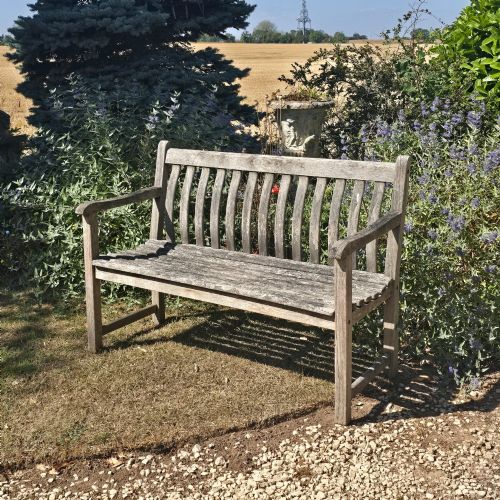
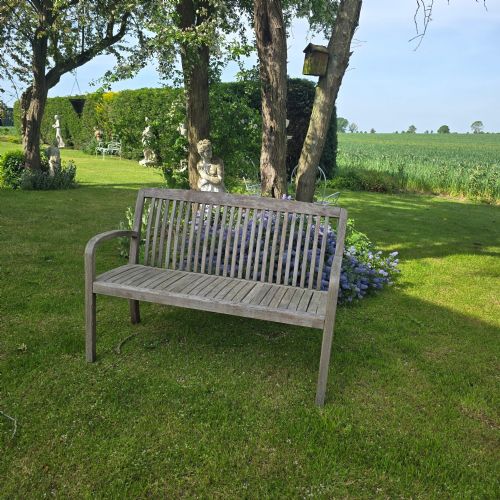
- A dense, oil-rich tropical timber utilised for its exceptional resistance to moisture and decay. It weathers to a characteristic silver-grey tone when left exposed to the elements.
- Gothic
- An architectural style applied to nineteenth-century garden furniture, characterised by pointed arches and vertical tracery. Such designs reflected the romantic revival spirit of the Victorian era.
- Potting table
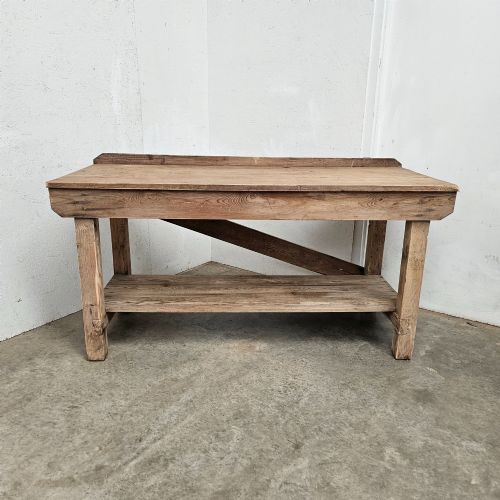
- A utilitarian wooden table employed in garden sheds and orangeries for plant propagation. These pieces typically feature lower shelves for storage and durable working surfaces.
Vintage Wooden Garden Bench: Frequently Asked Questions
How do I care for a vintage wooden garden bench?
Outdoor seating built from dense timbers like teak requires minimal intervention, often surviving outdoors year-round without chemical treatments.
Allowing the wood to develop a natural silver-grey patina protects the underlying material while preserving the historical character of the piece.
Are these benches suitable for year-round outdoor use?
Most examples constructed from teak, oak, or cast iron are designed to withstand changing weather conditions throughout the seasons.
Moving lighter pine or elm variants under cover during harsh winter months helps prevent unnecessary moisture damage to the timber.
How can I tell a Victorian bench from an Edwardian one?
Victorian models frequently display heavier cast iron framing, gothic motifs, and darker painted finishes.
Edwardian alternatives tend towards lighter wooden frames, simpler slatted forms, and a greater emphasis on natural timber surfaces.