
Vintage Wooden Feet
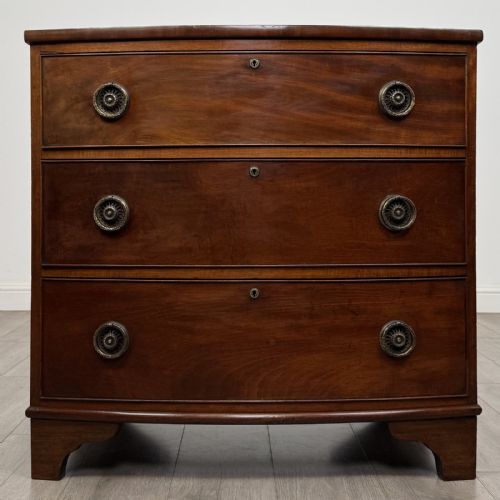
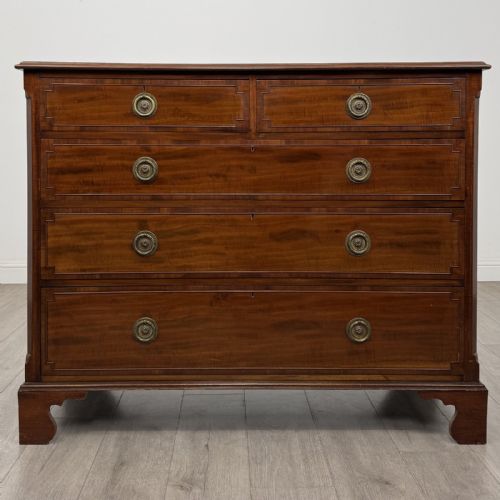
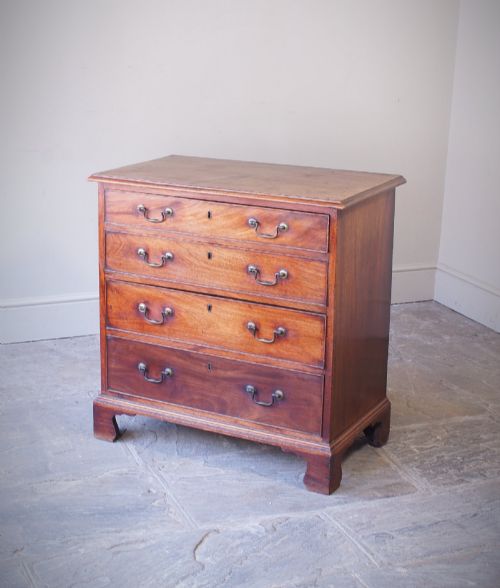
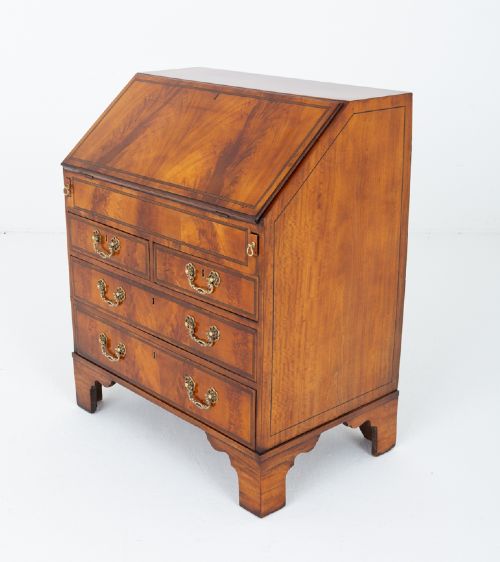
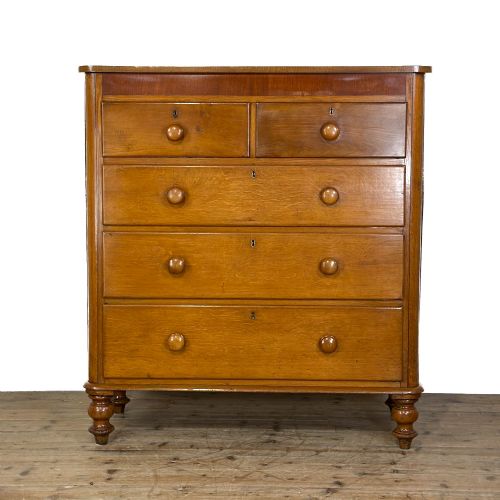
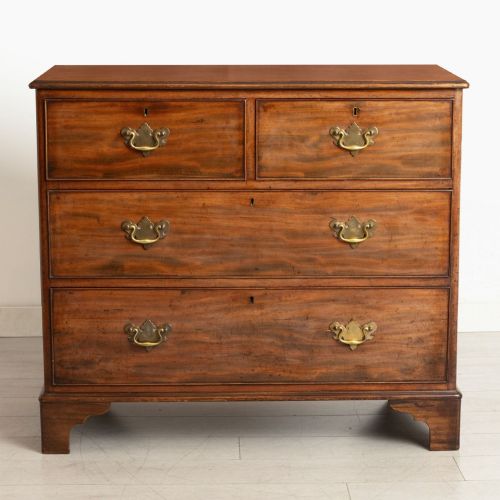
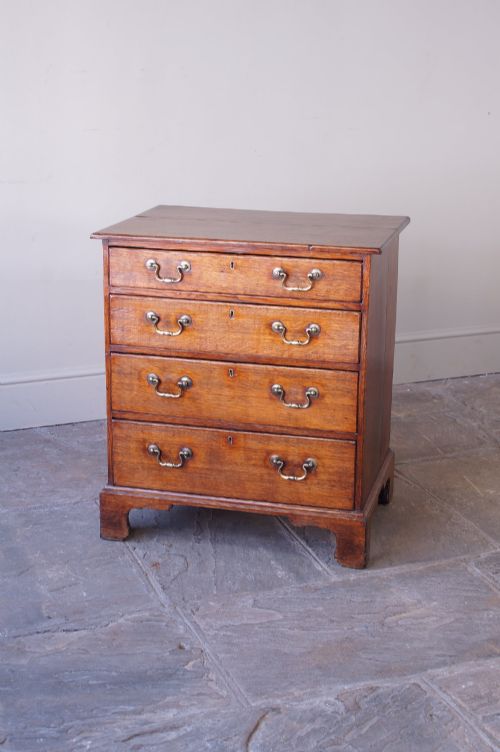
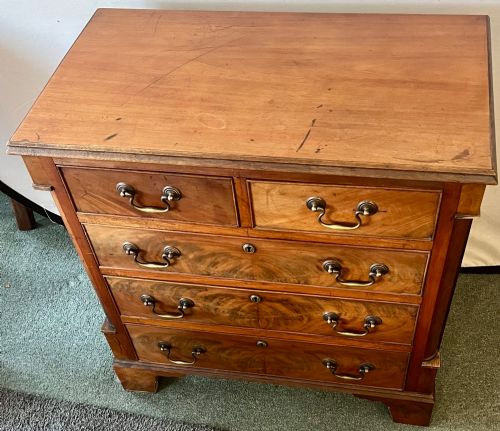
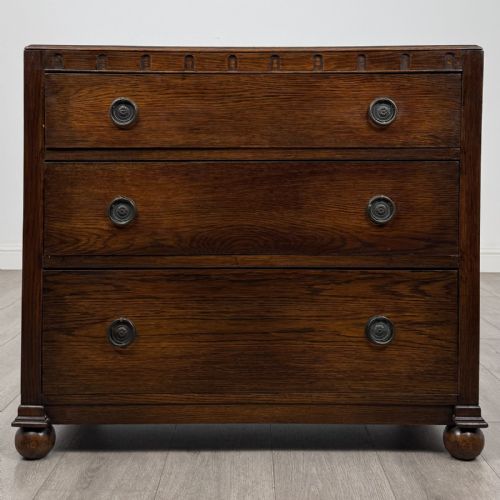
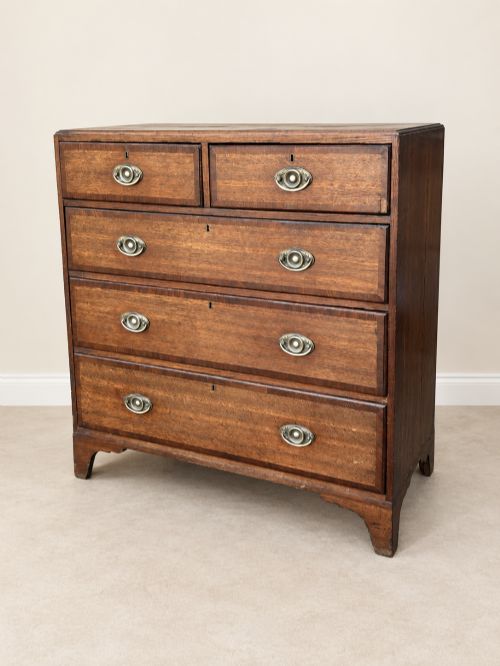
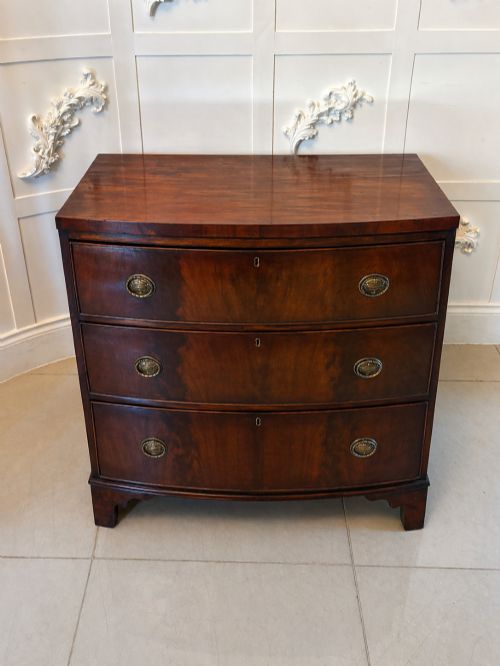
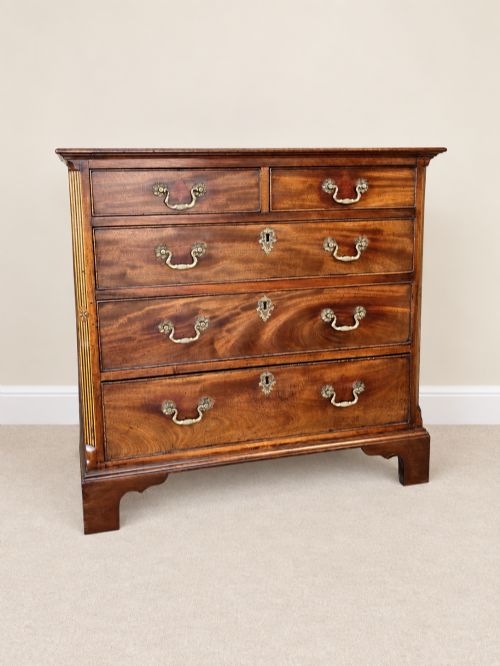
Vintage wooden feet support large mahogany and oak case pieces, giving proportion and lift to chests of drawers.
Vintage Wooden Feet
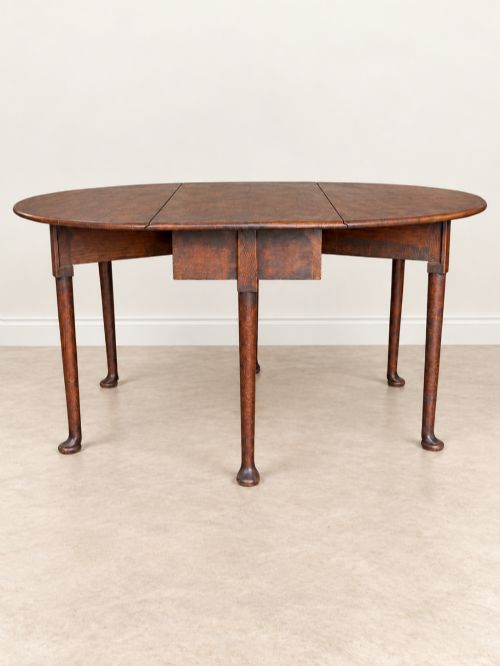
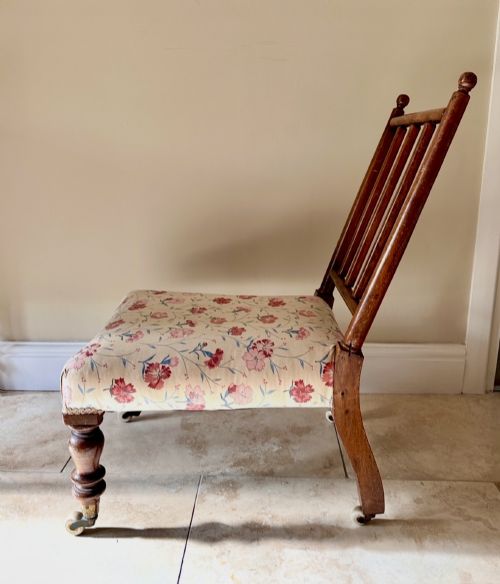
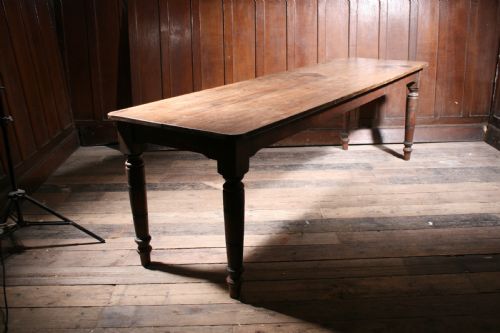
Vintage wooden feet are encountered beneath chests of drawers, cupboards, and tables spanning the eighteenth to the early twentieth century. When searching for vintage wooden feet, buyers examine the supports attached to case furniture like walnut commodes, oak blanket boxes, and mahogany chests.
Most examples originate from Georgian, Regency, and Victorian workshops where timber supports were turned or shaped to elevate heavy carcasses. The selection on this page demonstrates how these foundations anchor larger items of furniture.
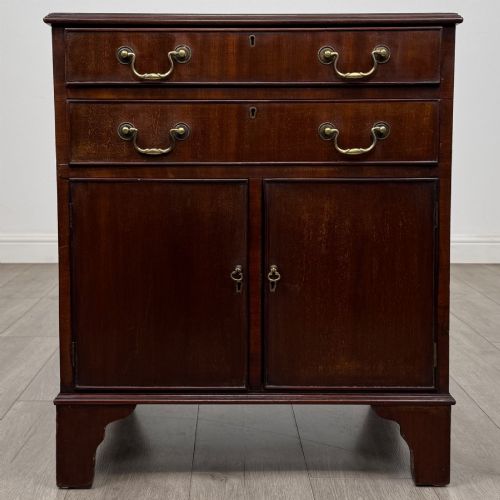
These elements range from simple turned bun feet on pine cupboards to bracket forms on George III mahogany chests. Each configuration reveals the period style of the furniture it carries.
What varies in quality
Quality depends on the integration between the support and the main carcass, distinguishing original timber mounts from later replacements. Finer examples maintain the correct proportions and timber grain matching the rest of the piece.
The precision of the turning or carving defines the upper tier of craftsmanship, where clean lines and solid hardwood construction endure through centuries of use.
Furniture forms on this page range from full-sized Georgian tallboys down to miniature apprentice chests of drawers.
T & G Seddon·P & MA Nicholson
The Vintage Wooden Feet Glossary
- Bun foot
- A spherical or slightly flattened turned wooden support common on Victorian oak cupboards and chests. It provides a stable base for heavy case furniture.
- Bracket foot
- A corner foot shaped like a bracket, frequently seen on Georgian mahogany chests of drawers. This architectural form supports the corners of case pieces.
- Mahogany
- A durable tropical hardwood utilised extensively in Regency and Georgian cabinet making. It holds crisp carved details and fine turned shapes.
- Burr walnut
- A highly figured wood veneer applied to elite furniture like Victorian and Edwardian serpertine commodes. Its swirling grain patterns distinguish high-status pieces.
- Chemist drawer
- A small compartment or miniature chest often raised on turned feet. These diminutive pieces mirror the construction of larger furniture.
Vintage Wooden Feet: Frequently Asked Questions
Are vintage wooden feet always original to the furniture?
Many supports remain original to their eighteenth and nineteenth-century carcasses, though some replacements occur naturally through decades of floor contact and shifting.
Examining the timber grain and joining methods helps determine whether the feet match the age and wear of the chest above.
Which woods appear most often on these pieces?
Mahogany, oak, and walnut dominate the listings, accompanied by pine on country pieces and fruitwoods on regional items.
Cabinetmakers selected these durable timbers to bear the substantial weight of large drawers and tabletops.
How do I identify a Georgian chest of drawers?
Georgian pieces typically feature bracket feet or simple turned supports beneath hand-dovetailed carcasses in mahogany, oak, or walnut.
Details like brass handles and secondary woods such as cedar or pine often point towards this period.
What maintenance do wooden furniture feet require?
These supports need only stable indoor humidity and occasional dusting to preserve the timber finish.
Avoiding excessive moisture protects the joints where the foot meets the base of the cabinet.