




Vintage Wooden Diorama
A vintage wooden diorama brings miniature worlds into rooms, capturing ships, towns, and wildlife inside cased frames.
Vintage Wooden Diorama
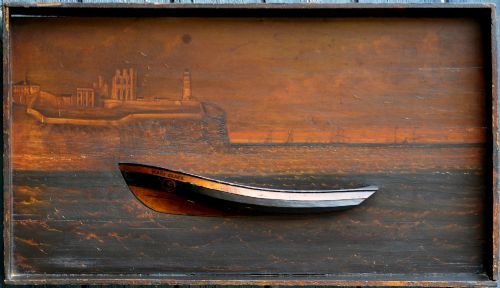
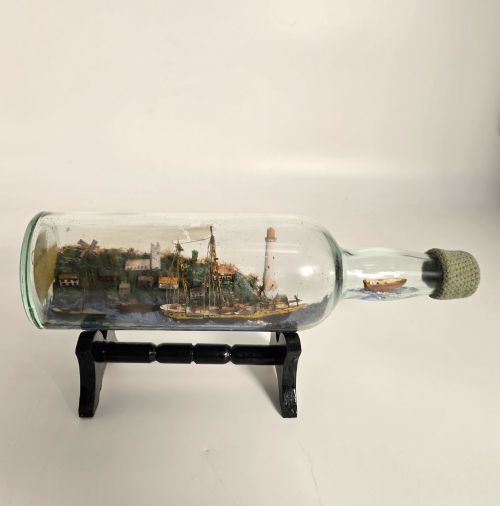
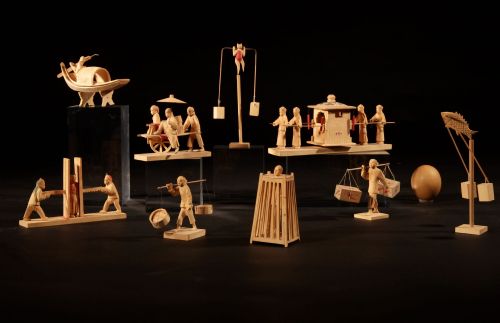
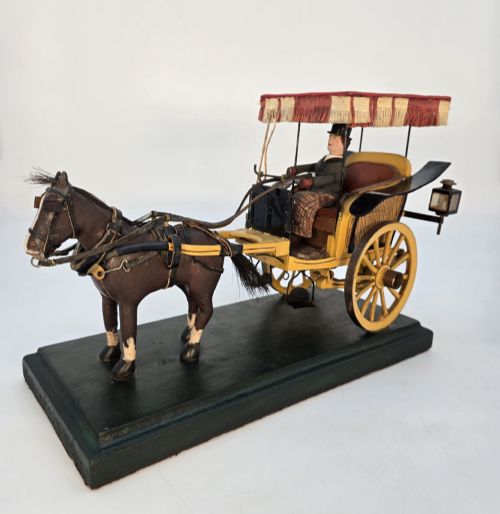
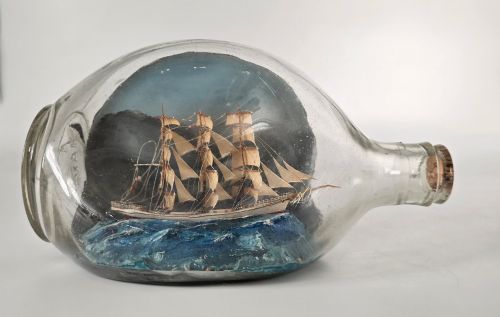
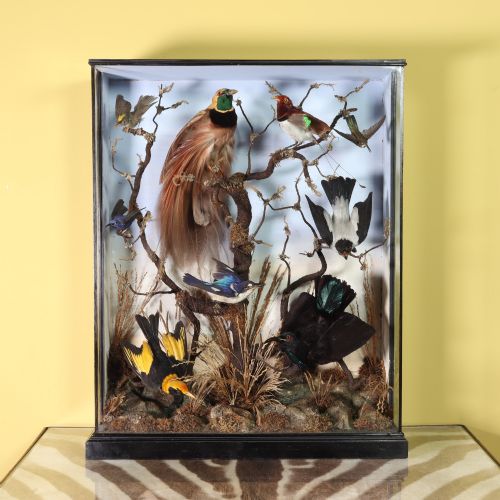
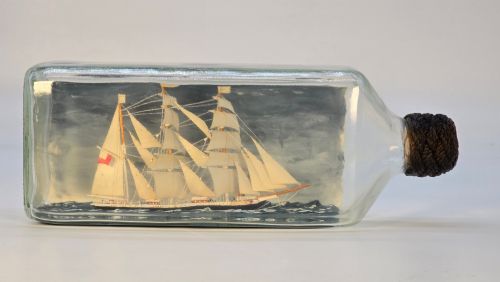
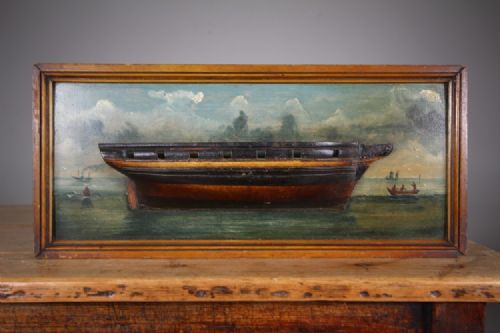
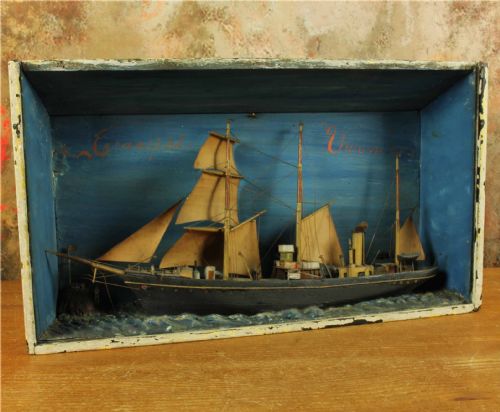
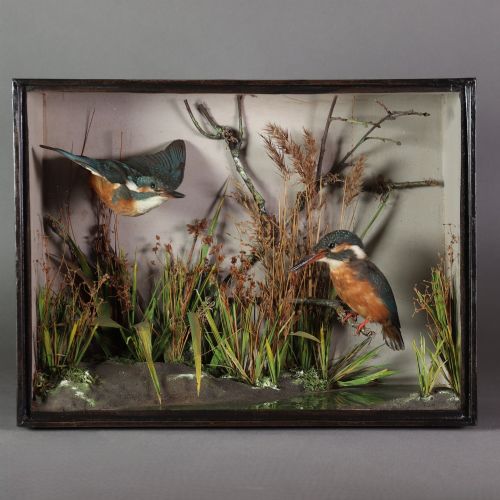
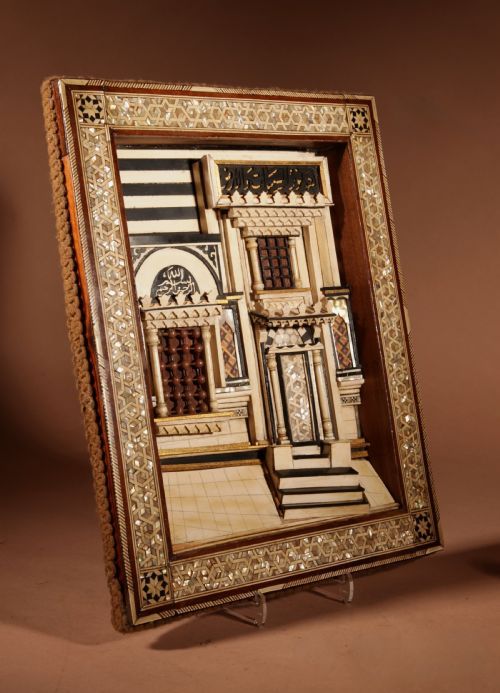
A vintage wooden diorama presents three-dimensional scenes constructed inside timber cases, shadow boxes, or glass bottles. These pieces capture miniature subjects ranging from maritime vessels at sea to taxidermy displays and architectural models.
The versions most commonly met span the nineteenth century through the early twentieth century, including Edwardian and Victorian examples alongside folk art models. Maritime subjects featuring sailing ships and barques appear frequently among these listings.
Makers utilised humble materials to build immersive environments, often framing them with glass to protect intricate paper, cork, and painted elements. The objects function as tabletop displays or wall art designed to draw the eye into deep perspective.
Distinctions in quality
The refinement of miniature carving and painting separates standard folk art pieces from exceptional works of craftsmanship. Finely detailed rigging on model ships and expressive modelling in animal or human figures indicate superior maker skill.
Originality of internal components and the preservation of fragile media like paper, cork, and moss dictate the overall integrity of the piece. Well-sealed wooden cases protect delicate painted backgrounds and taxidermy specimens from environmental degradation over decades.
Complexity of perspective and depth within the restricted space of a shadow box or bottle showcase the maker's spatial ingenuity. Integrated elements such as clockwork mechanisms or signed inscriptions add notable distinction to individual items.
A monkey saloon bar carved by prisoners sits alongside serene nineteenth-century Clipper ships.
J Griffiths of Burford·T. E. Gunn·S. King·H.S Andy Anderson
The Vintage Wooden Diorama Glossary
- Diorama
- A three-dimensional scene enclosed within a case or box, often featuring a painted background to create depth. These displays present narrative subjects like townscapes, interiors, or natural habitats.
- Shadow Box
- A deep, framed wooden box with a glass front designed to display objects in relief. The enclosed depth allows items to project outward from a flat back panel.
- Maritime Folk Art
- Self-taught nautical craftsmanship produced by sailors or local artisans using accessible materials. Objects include model ships, bone carvings, and sea-themed dioramas.
- Taxidermy
- The art of preserving and mounting animal skins for display in lifelike postures. Victorian and Edwardian examples often place mounted birds within cased diorama settings.
Vintage Wooden Diorama: Frequently Asked Questions
How were old dioramas constructed?
Maker workshops built wooden frames and shadow boxes, then arranged internal components made from paper, plaster, cork, and carved wood.
Glass panels sealed the fronts to protect delicate elements like painted backdrops and model rigging from dust and moisture.
Where should I place a diorama?
These cased objects suit placement on tabletops, shelves, or hanging on walls where adequate light reveals the internal depth.
Keep them away from direct sunlight and damp environments to protect fragile organic materials like moss, paper, and taxidermy.
How do I date a diorama?
Dating relies on stylistic clues, framing techniques, and materials characteristic of periods like the Victorian era or the early twentieth century.
Inscribed dates, maker signatures, and specific vessel types or clothing styles within the scene also help establish the era of creation.