
Vintage Wooden Dining
Vintage wooden dining pieces bring warmth and utility to the home through enduring materials like oak and mahogany shaped across centuries.
Vintage Wooden Dining
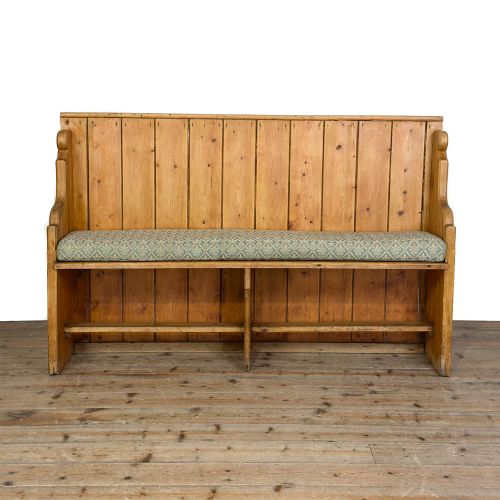
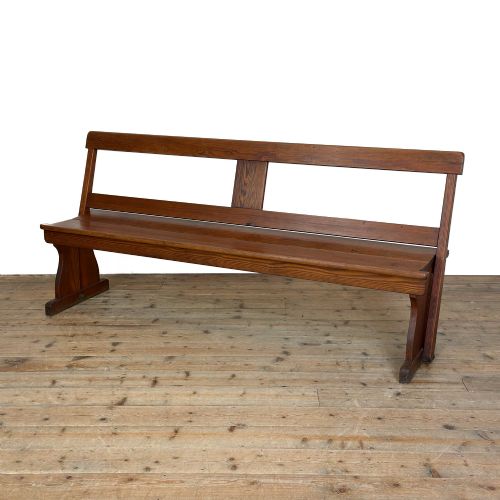
Vintage wooden dining selections encompass large gathering tables, practical sideboards, and matched seating designed for domestic meals and entertaining. Buyers searching for vintage wooden dining will find robust furniture spanning from the eighteenth century through the Edwardian era and the nineteen-thirties.
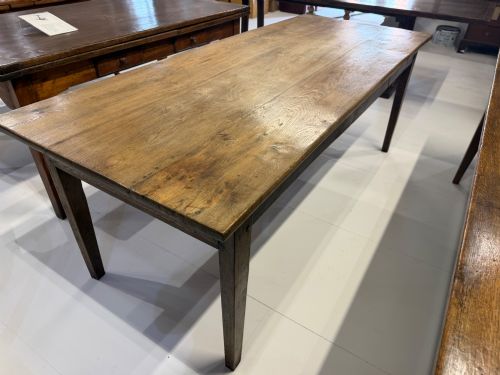
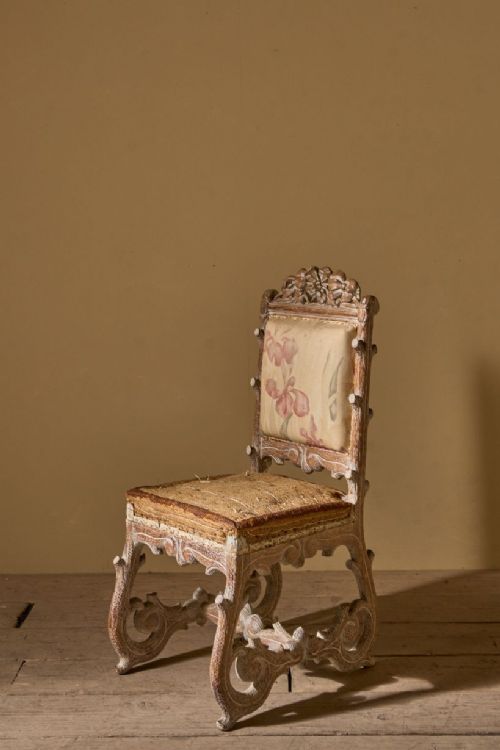
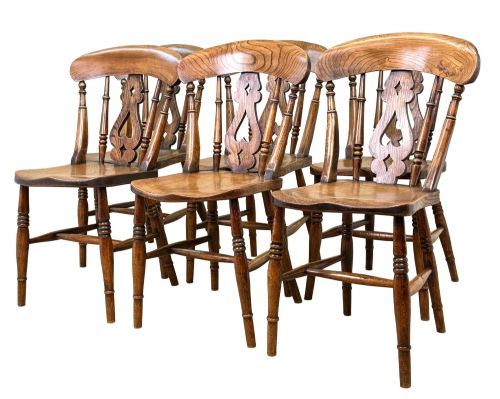
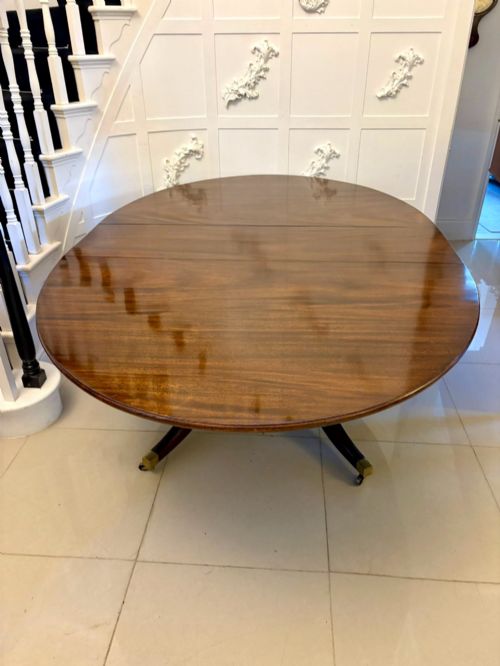
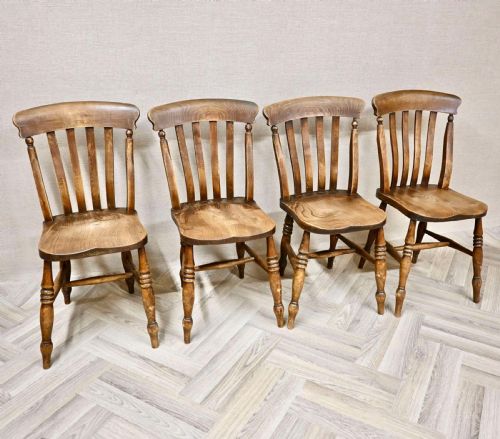
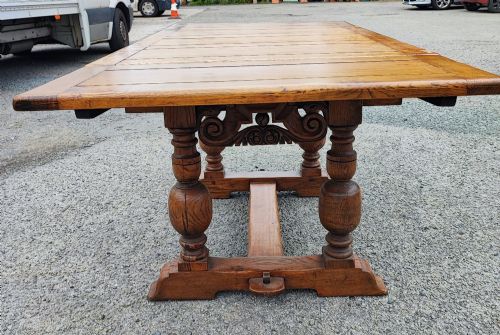
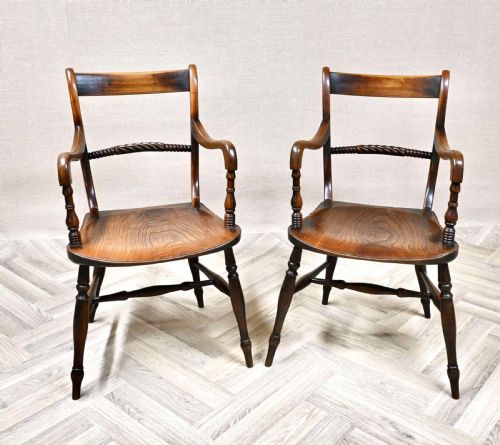
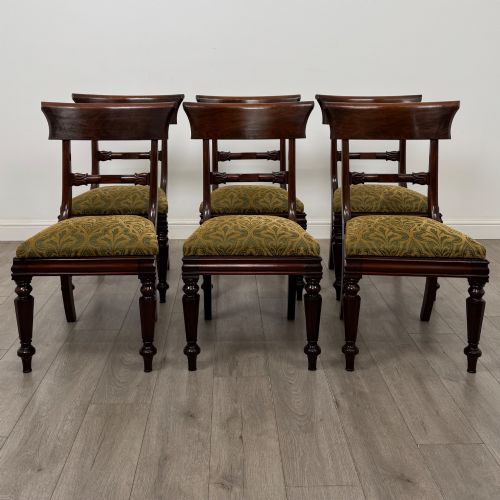
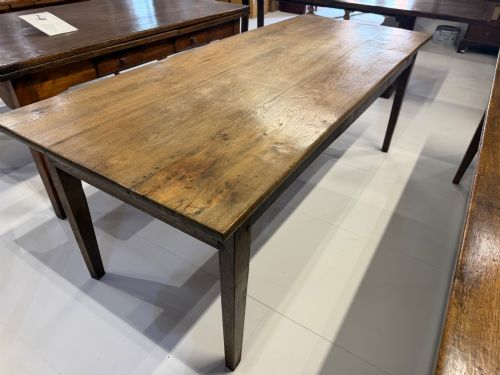
Tables form the foundation of these groupings, appearing as heavy refectory forms, draw leaf extensions, and triple pedestal designs in oak or mahogany. Seating options range from Windsor barback armchairs and lathback chairs to sets of Georgian and Victorian dining chairs.
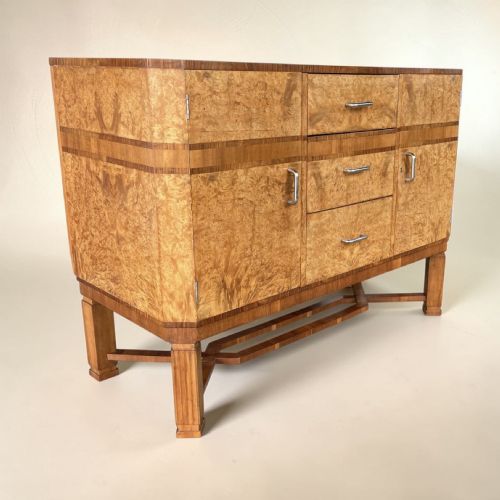
Storage pieces such as serpentine sideboards, chiffoniers, and dressers accompany the tables, providing functional service surfaces and cabinetry in satinwood, burr walnut, and mahogany. These items reflect stylistic revivals alongside vernacular farmhouse traditions.
How they were made
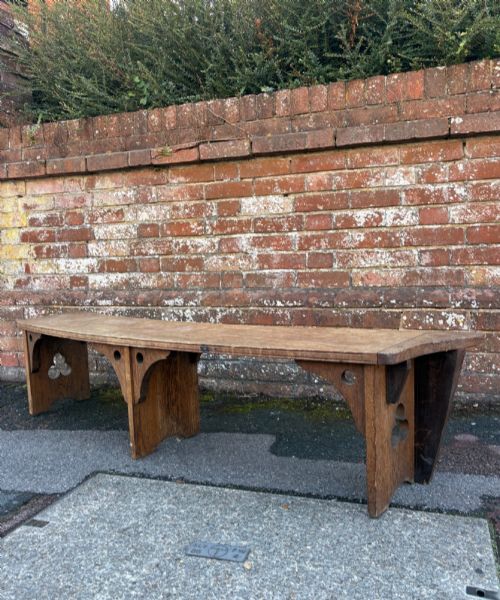
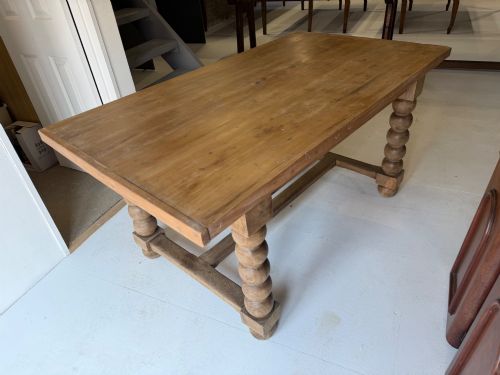
Cabinetmakers and rural joiners utilised solid hardwoods such as oak, mahogany, elm, beech, and ash to construct durable dining furniture. Frames were joined using traditional woodworking techniques, while decorative elements incorporated brass inlay, bobbin turning, and carved details like trefoils and gothic tracery.
Surfaces often featured extended leaves, draw mechanisms, or pedestal pillars to accommodate shifting practical requirements in the dining room. Secondary materials like fabric upholstery completed seating, while polished wood finishes highlighted natural grain patterns in satinwood and walnut.
Listings feature vintage wooden dining items spanning the eighteenth, nineteenth, and twentieth centuries, incorporating oak, mahogany, elm, and satinwood.
What varies in quality
The degree of refinement in timber selection and joinery marks the difference between standard utilitarian workshop output and master cabinetwork. Dense burr walnut veneers, finely figured mahogany, and heavy quarter-sawn oak denote superior construction intended for formal interiors.
Proportion and decorative restraint dictate distinction, where balanced pedestal arrangements and crisp hand-carving elevate a piece above simpler vernacular items. Intricate details such as brass inlay work and well-engineered extension mechanisms indicate higher craftsmanship.
William Morris·Rossetti·Howard and Sons·Maurice Adams
The Vintage Wooden Dining Glossary
- Refectory table
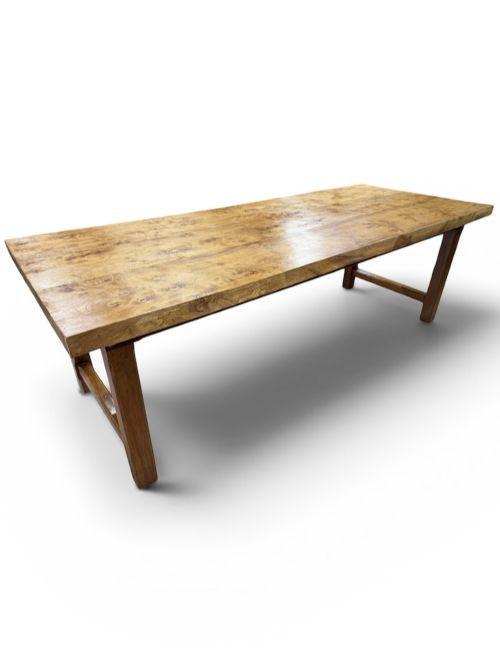
- A long, narrow dining table traditionally used in communal halls and adapted for domestic dining. These heavy tables often feature trestle ends or stout legs connected by stretchers.
- Draw leaf table
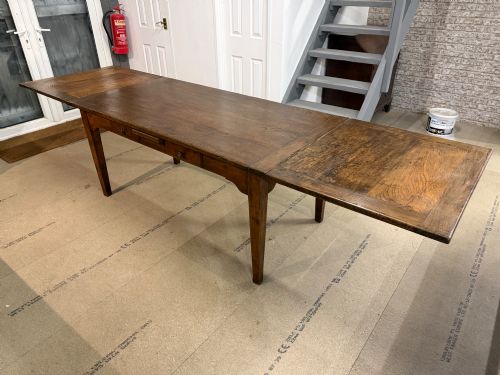
- An extending table equipped with two hidden leaves beneath the main top that pull out from each end. This mechanism increases surface length without requiring separate loose leaves stored elsewhere.
- Windsor chair
- A wooden chair constructed with a solid sculpted seat into which the legs and back spindles are wedged. Regional variations include barback and lathback styles found in country kitchens.
- Sideboard
- A long piece of furniture placed in a dining room to serve food and store tableware. Examples include serpentine frontages, chiffoniers, and server cabinets in mahogany or satinwood.
- Pedestal table
- A table supported by one or more central pillars rather than standard corner legs. Multi-pedestal designs allow extended lengths for large dining settings.
Vintage Wooden Dining: Frequently Asked Questions
How do I choose an extending dining table?
Consider the scale of your dining space and how many guests you routinely seat for meals. Look for double extending oak models or triple pedestal mahogany formats that provide flexible sizing.
Check the mechanical operation of leaves and pedestals to ensure smooth daily use. Solid wood construction guarantees durability across frequent adjustments.
What is the difference between oak and mahogany dining furniture?
Oak furniture tends to present a rustic or vernacular character, frequently associated with farmhouse tables and refectory styles from earlier periods. It offers a heavy, visible grain and robust physical presence.
Mahogany provides a smoother, more formal aesthetic often found in Georgian and Victorian dining sets. The rich reddish-brown timber suits polished interior settings and intricate pedestal designs.
How were country farmhouse chairs made?
Country chairs like Windsors utilised local timbers including elm seats, ash spindles, and beech bending parts. Makers shaped these materials by hand to create durable seating for daily kitchen use.
Constructed with pegged joints and saddle seats, these chairs prioritised ergonomic comfort and sturdy construction over elaborate ornamentation.
Where should I place a sideboard in the dining room?
Sideboards function best against a primary wall in the dining area where they can serve food and display tablewares. Pieces like chiffoniers and serpentine sideboards provide surface space alongside enclosed storage.
Ensure adequate clearance around the unit for serving dishes and pulling out nearby dining chairs during gatherings.