





Vintage Wooden Decanter Box
These vintage wooden decanter box examples hold your spirits securely while bringing handsome period craftsmanship straight to the sideboard.
Vintage Wooden Decanter Box
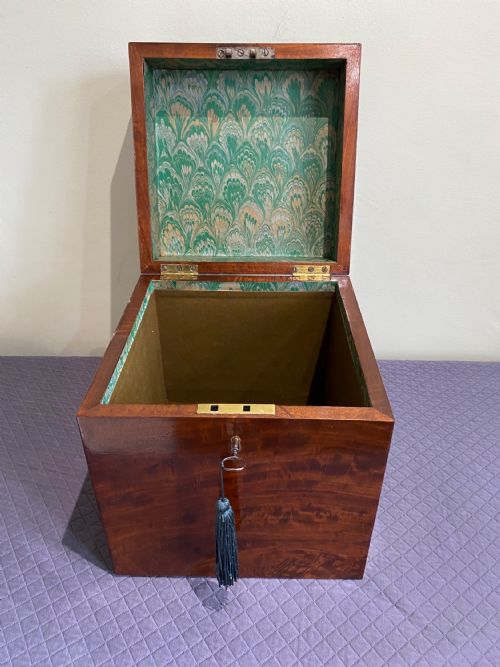
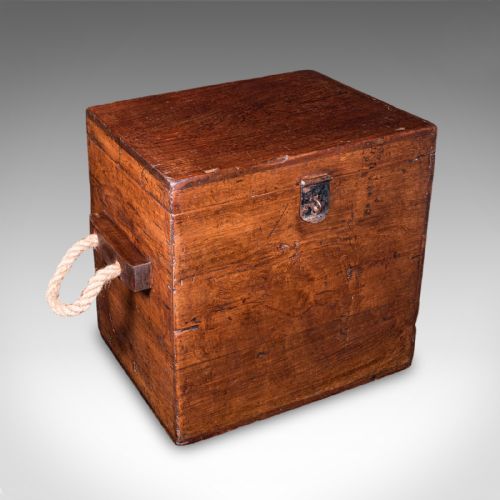
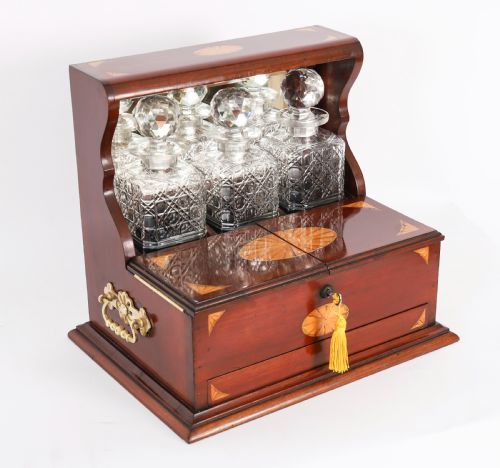
A vintage wooden decanter box functions as a portable bar or secure container for storing fine spirits in style. These pieces range from Georgian and Victorian cellarettes to Edwardian tantalus sets combined with games compendiums.
The versions you are most likely to meet on this page date from the nineteenth century, constructed in oak or mahogany. Many incorporate cut glass bottles and fitted interiors designed for entertaining.
How they were made
Cabinet makers utilised dense hardwoods such as oak, mahogany, and walnut, often embellishing the exterior with satinwood inlay or marquetry stringing. Structural integrity relied on precise joinery combined with brass mountings and carrying handles.
Internal fittings required meticulous carpentry to secure glass decanters and drinking vessels safely during transit. French polishing finished the wood surfaces to a deep sheen that highlighted the natural grain.
Vintage Wooden Decanter Box Retail Price Guide 2026
Typical asking prices for vintage wooden decanter box among the pieces listed under this phrase on Sellingantiques today, from the lower quarter to the upper quarter. They describe what is for sale here now, not the wider market.
Some boxes hide entire gaming tables inside, proving that past generations took their after-dinner entertainment very seriously indeed.
What varies in quality
The distinction between standard examples and superior pieces rests on the complexity of the fitted interior and the quality of the timber. Elaborate combinations featuring integrated games compendiums and multiple cut crystal decanters represent the higher end of the scale.
Refinement in hardware design also sets pieces apart, with heavy brass mounts, operational locking mechanisms, and intact silver-plated fittings indicating superior original manufacture.
The Vintage Wooden Decanter Box Glossary
- Tantalus
- A locking drink cabinet that secures decanters within a metal framework while revealing the bottles inside. The mechanism prevents guests from pouring spirits without a key.
- Cellarette
- A dedicated freestanding or tabletop container for storing wine and spirits bottles. These precursors to the tantalus date back to the Georgian era.
- Games compendium
- A multi-use box containing equipment for various board or card games. In later nineteenth-century examples, these are frequently housed beneath the main decanter section.
- Marquetry
- Decorative woodwork where pieces of veneer are fitted into a ground material to form geometric or floral designs. This technique adds ornamental detail to the box exterior.
Vintage Wooden Decanter Box: Frequently Asked Questions
What is a tantalus?
A tantalus is a locked beverage holder that displays its glass decanters while preventing unauthorized access to the contents. The metal locking bar secures the stoppers firmly in place.
Most versions secure two or three bottles and often sit within a wooden base fitted with a carrying handle or a drawer for playing cards.
How do I date a decanter box?
Dating relies on timber selection, hardware style, and the overall construction methods used by the cabinet maker. Georgian pieces tend to show simpler mahogany frames, whereas Victorian and Edwardian examples frequently feature brass mounts and complex locking mechanisms.
Mouldings, interior velvet linings, and the cut of the crystal decanters also offer clear clues to the manufacturing period.
Were these boxes used for travel?
Many early designs functioned as portable cellarettes or carriers intended for moving spirits between rooms or during travel. Sturdy brass carrying handles and robust timber construction supported regular movement.
Later Victorian and Edwardian iterations evolved primarily into stationary furniture pieces for the dining room or drawing room.
How should I clean the wood?
Maintain the timber surfaces by dusting gently with a dry, soft cloth to prevent the accumulation of grit. Avoid using harsh chemical sprays or excessive water on antique polished wood.
Applying a quality beeswax periodically helps nourish the grain and protects the finish without damaging the original patina.