




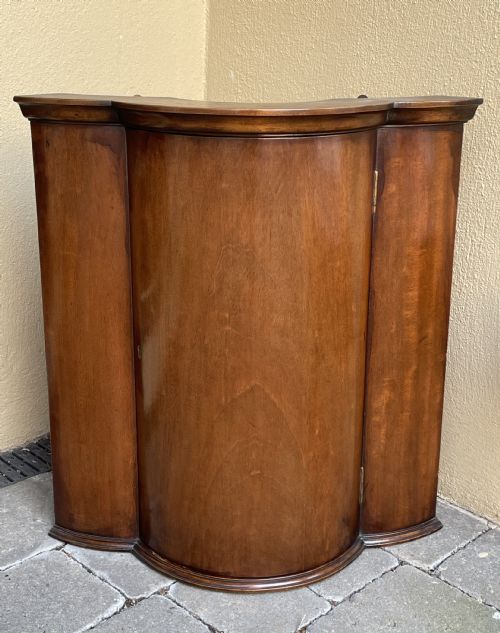


Vintage Wooden Corner Unit
A vintage wooden corner unit makes empty angles useful while bringing warmth and character to a neglected room.
Vintage Wooden Corner Unit
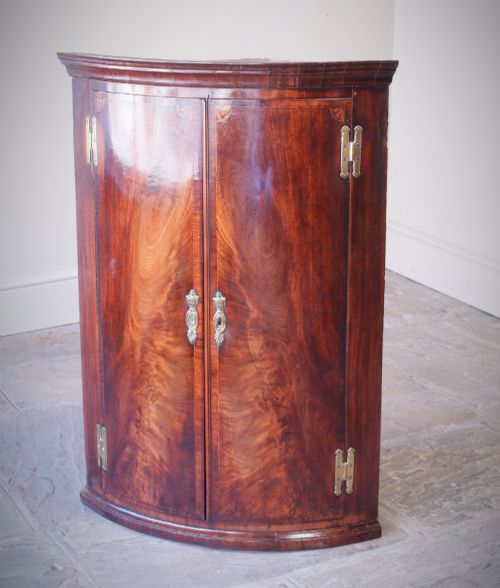
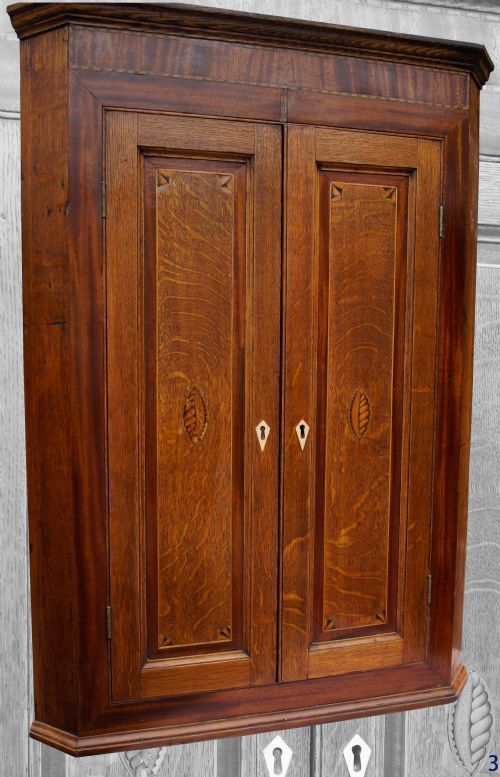
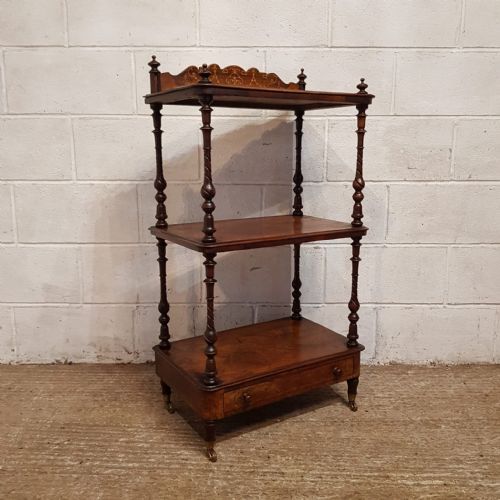
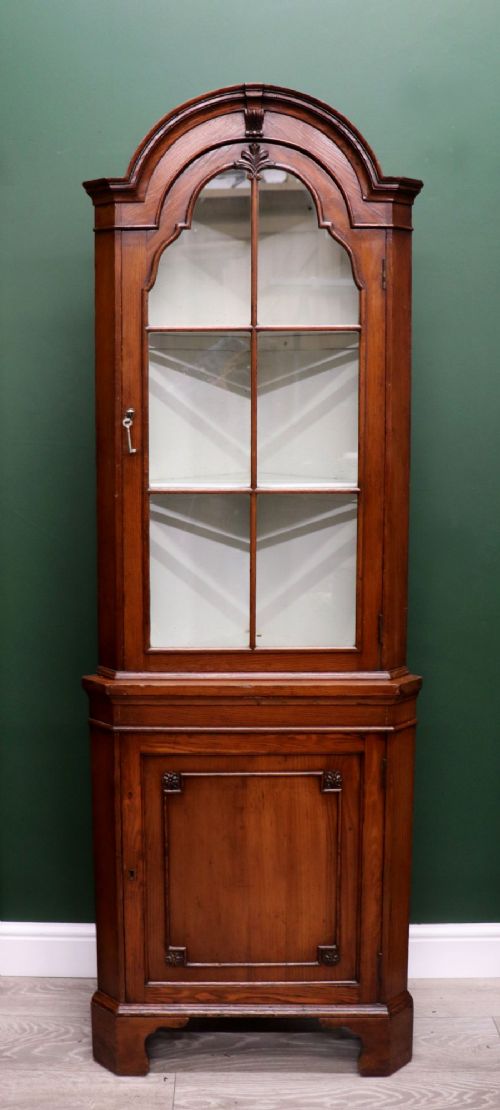
When you search for a vintage wooden corner unit, you are looking at fitted storage pieces designed to occupy the difficult junctions of a room. The versions most commonly met here include hanging or floor-standing corner cupboards from the Georgian and Victorian periods, alongside Edwardian and later tiered whatnots.
These items range from modest pine country house cupboards to substantial mahogany and walnut cabinets with bow fronts or glass panels. They fulfill the practical need to store china, books, or ornaments while softening plain wall intersections.
How they were made
Cabinet makers relied primarily on solid oak, pine, and mahogany, often applying burr walnut veneers or decorative paint finishes to the exterior surfaces. Brass hardware, including hinges and escutcheons, secured doors and drawers built to fit precise angles.
Joinery techniques such as dovetailed drawers and panelled doors ensured structural stability within the restricted depth of a corner footprint. Finer examples incorporated inlaid stringing, carved mouldings, and tiered shelving supported by turned columns.
Vintage Wooden Corner Unit Retail Price Guide 2026
Typical asking prices for vintage wooden corner unit among the pieces listed under this phrase on Sellingantiques today, from the lower quarter to the upper quarter. They describe what is for sale here now, not the wider market.
Listings feature oak, mahogany, pine, and walnut materials across Georgian, Victorian, and Edwardian periods.
What varies in quality
The distinction between standard examples and superior pieces rests on the choice of timber and the crispness of the cabinet work. Dense, richly grained mahogany and figured walnut denote careful selection by the maker, whereas utilitarian pine pieces rely on simpler construction.
Proportion and decorative restraint dictate the visual success of the piece. Crisp mouldings, well-executed brass details, and harmonious proportions separate utilitarian storage from furniture made for principal rooms.
The Vintage Wooden Corner Unit Glossary
- Bow front
- A cabinet front that curves outward in a convex shape, softening the hard angles of the room. This profile appears frequently on Georgian mahogany pieces.
- Whatnot
- An open shelving unit designed for displaying ornaments, books, or collectibles. These tiered stands often feature turned supports.
- Inlay
- A decorative technique where contrasting woods or materials are set flush into the primary surface. Examples include delicate linear stringing.
- Hanging cupboard
- A wall-mounted storage unit designed to be fixed securely across a corner. These pieces save floor space while utilising upper room angles.
Vintage Wooden Corner Unit: Frequently Asked Questions
Where should I place a corner unit?
These pieces suit dead angles in dining rooms, living spaces, or hallways where standard rectangular furniture blocks traffic flow. They turn awkward intersections into focal points without crowding the floor.
Floor-standing cabinets anchor a tall wall space, while hanging cupboards work well above sideboards or desks to use overlooked vertical areas.
How do I date a wooden corner unit?
Examine the timber species, construction joints, and hardware to determine the period. Early pieces often feature solid oak boards and hand-cut dovetails, while later 19th-century items may introduce machine-cut elements and exotic veneers.
Stylistic cues such as Georgian bracket feet, Regency reeding, or Edwardian stringing provide reliable clues to the decade of manufacture.
Can corner units hold heavy items?
Solid hardwood cupboards built from oak or mahogany offer sturdy internal shelving for books and heavy ceramics. Wall-hanging versions require secure fixing to structural studs to support substantial weights safely.
Lighter pine or tiered whatnot shelves suit decorative display rather than dense storage loads.
Are these units difficult to position?
Corner furniture is specifically proportioned to fit standard right-angle wall junctions. Measure the wall depth and height carefully to ensure the cabinet clears skirting boards and picture rails.
Floor-standing designs often include shaped cornices that require adequate clearance beneath ceiling mouldings.