




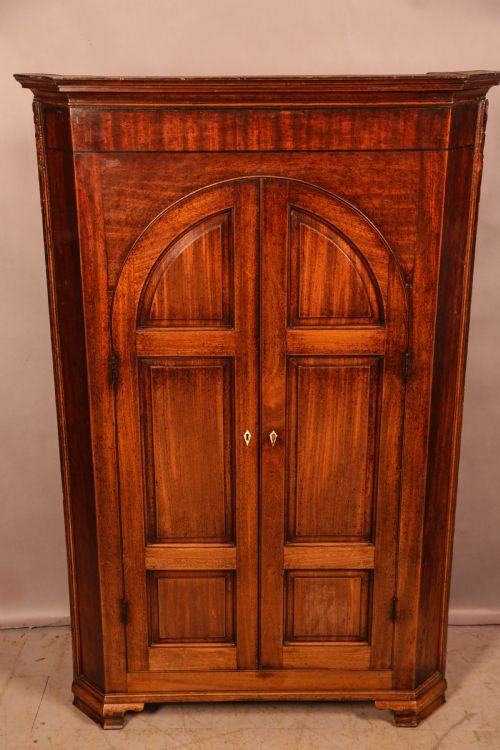

Vintage Wooden Corner Cabinet
A vintage wooden corner cabinet uses neglected angles to advantage, bringing timber warmth and hidden storage to empty corners.
Vintage Wooden Corner Cabinet
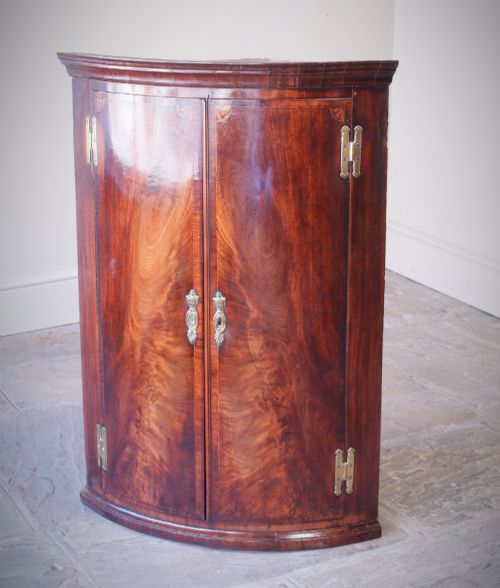
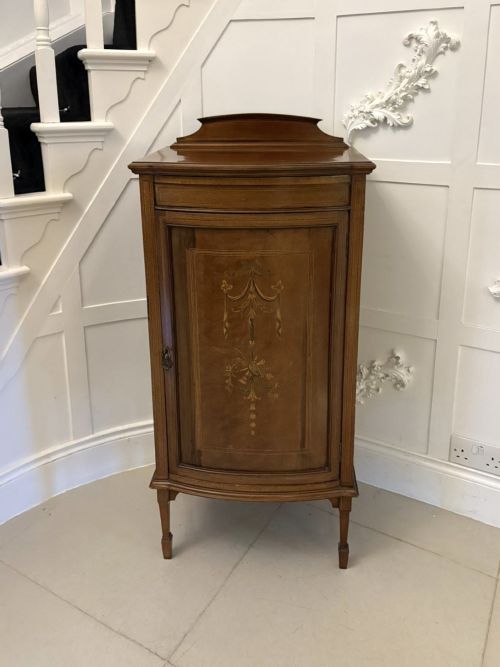
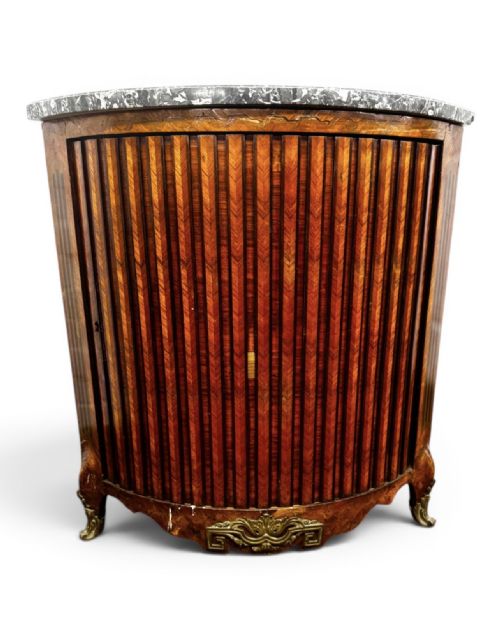
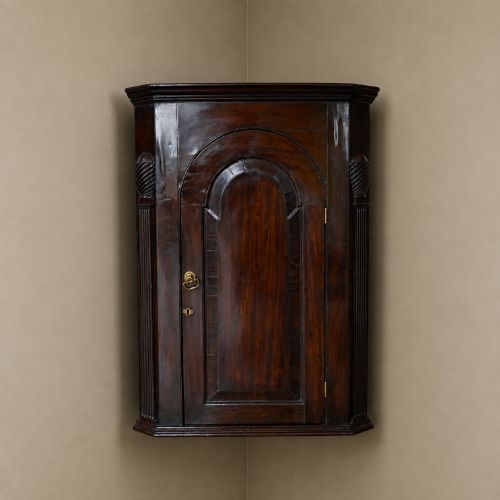
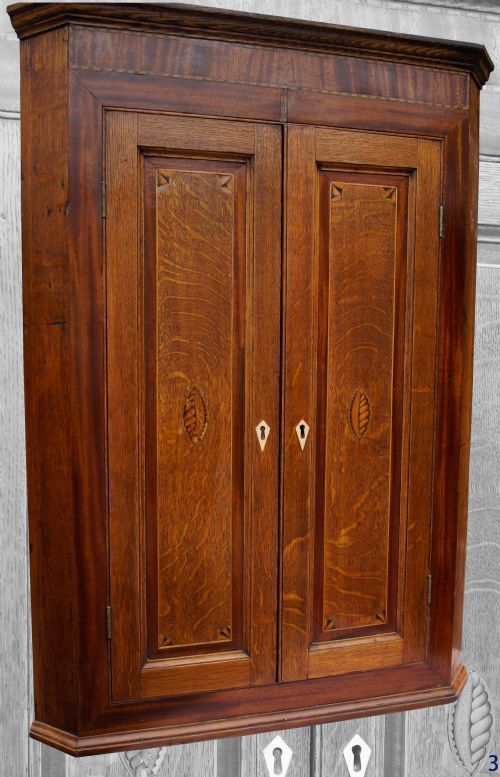
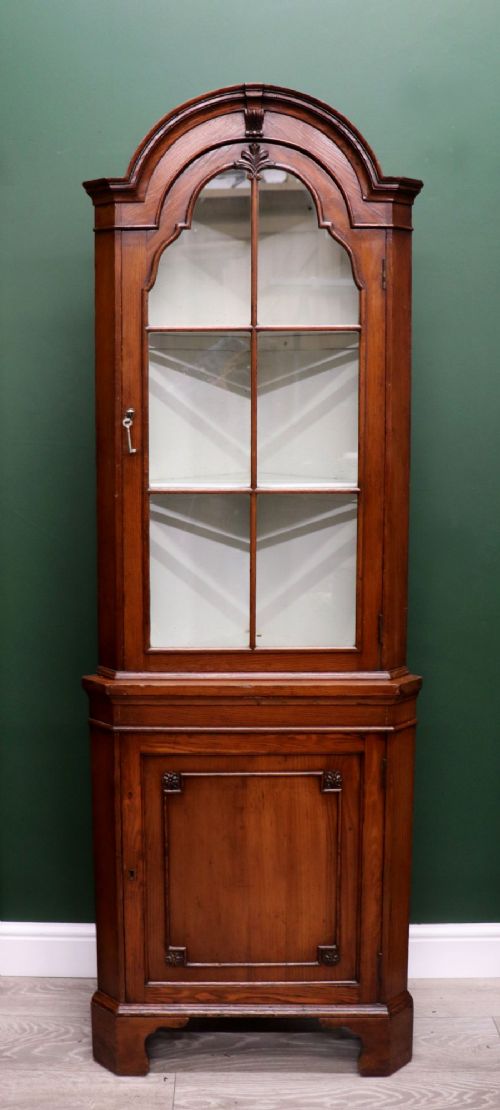
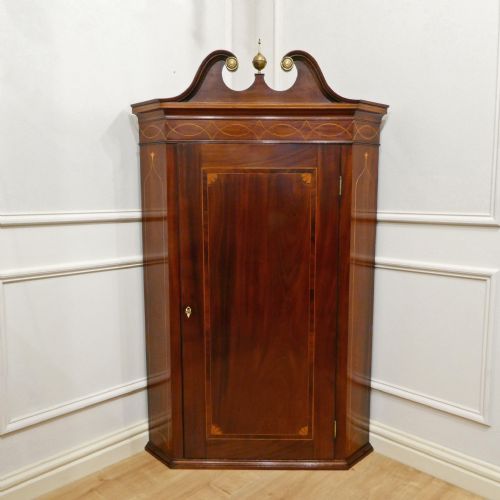
A vintage wooden corner cabinet solves the perennial problem of dead space in a room by turning an unused ninety-degree junction into a display or storage area. You will encounter two distinct formats on this page: hanging versions designed to be fixed to a wall and taller floor-standing units that rest directly on the floor.
The materials and periods reflect centuries of British and European cabinet making, with Georgian and nineteenth-century examples appearing frequently alongside Edwardian and later interpretations. Oak and mahogany dominate the selection, often taking the form of traditional corner cupboards or wall-mounted cabinets with panelled or glazed doors.
How they were made
Cabinet makers relied heavily on timber species like mahogany, oak, pine, and elm, selecting each for its grain and structural stability in angled joints. Secondary woods were utilised for internals, while exterior surfaces occasionally received decorative treatments such as paint, boxwood stringing, or satinwood inlay.
Construction methods involved tongue-and-groove panels, dovetailed joints, and brass hardware including hinges and escutcheons. Glazed doors required delicate timber framing to hold individual panes of glass securely within the triangular footprint of the carcase.
Vintage Wooden Corner Cabinet Retail Price Guide 2026
Typical asking prices for vintage wooden corner cabinet among the pieces listed under this phrase on Sellingantiques today, from the lower quarter to the upper quarter. They describe what is for sale here now, not the wider market.
Several pieces preserve brightly painted interiors behind closed doors, offering a flash of hidden colour when opened.
What varies in quality
The distinction between ordinary and exceptional pieces lies in the choice of timber and the restraint shown in decorative detailing. Superior examples display carefully matched mahogany or richly figured oak, whereas simpler country pieces rely on utilitarian pine with painted finishes.
Proportion and execution define the overall presence of the cabinet, from the crispness of a moulded cornice to the precision of the dovetailing in the drawers. Subtle elements such as original brass fittings and intact painted interiors separate standard utility cupboards from more considered commissions.
The Vintage Wooden Corner Cabinet Glossary
- Bowfront
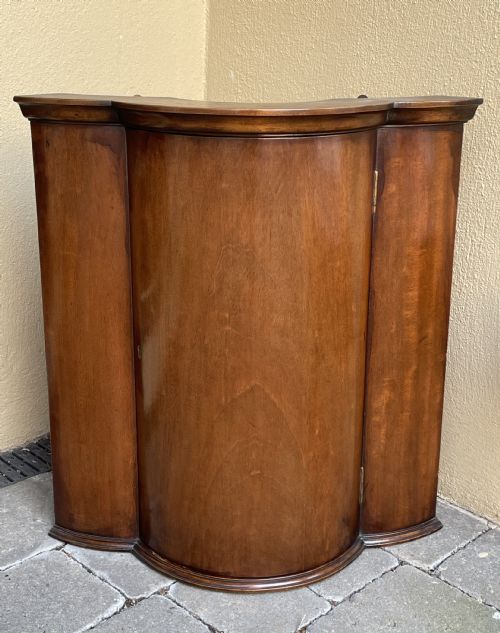
- A convex, curved front to a cabinet that projects outward in an arc. This styling softens the rigid geometry typical of standard corner furniture.
- Carcase
- The main body or skeletal structure of a cabinet, excluding doors and removable feet. It provides the foundational strength for hanging and standing units.
- Escutcheon
- A protective plate surrounding a keyhole, usually fashioned from brass. It prevents the timber around the lock from splitting through repeated use.
- Cornice
- The decorative moulding that crowns the top of a cabinet. It finishes the upper edge and conceals the joint where the walls meet the roof of the piece.
Vintage Wooden Corner Cabinet: Frequently Asked Questions
How do I hang a wall cabinet safely?
Hanging corner cabinets require secure fixing into solid masonry or direct wall studs using heavy-duty brackets suited to the weight of hardwood timber.
Because these units are triangular and project outward, proper load distribution prevents the fixings from pulling loose under the weight of stored items.
Are these cabinets difficult to position in a modern room?
These pieces fit naturally into ninety-degree room angles that standard rectangular furniture cannot occupy. They make effective use of neglected wall space without protruding too far into the main floor area.
Floor-standing versions anchor a room corner, while hanging models free up the floor entirely for other furnishings.
How can I tell a Georgian piece from a Victorian one?
Georgian examples often feature rich mahogany with understated classical mouldings, brass H-hinges, and panelled doors designed for formal rooms. Victorian and later revival pieces frequently introduce bolder proportions, darker finishes, or alternative timbers like pine and oak.
Construction techniques inside the drawers and carcase also offer clues, with hand-cut dovetails generally pointing toward earlier manufacture.
What is the difference between a cupboard and a cabinet?
In historical terminology, cupboards typically contained simple interior shelves enclosed by solid timber doors for utilitarian storage. Cabinets often incorporated glazed panels for displaying porcelain or finer possessions, though the terms overlap frequently in antique listings.
Both formats share the same triangular footprint engineered specifically for room corners.