

Vintage Wooden Casket
A vintage wooden casket is a sturdy storage vessel for valuables and keepsakes, offering tactile historical character to a room.
Vintage Wooden Casket
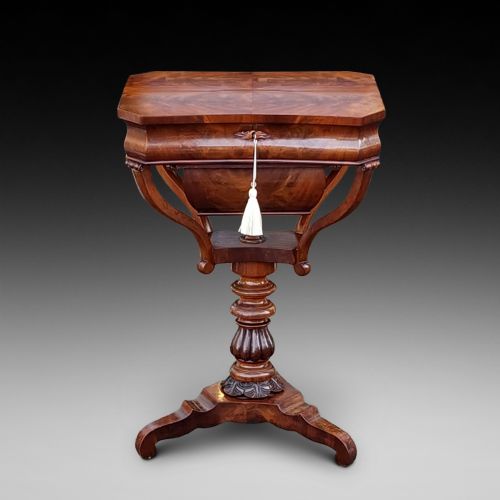
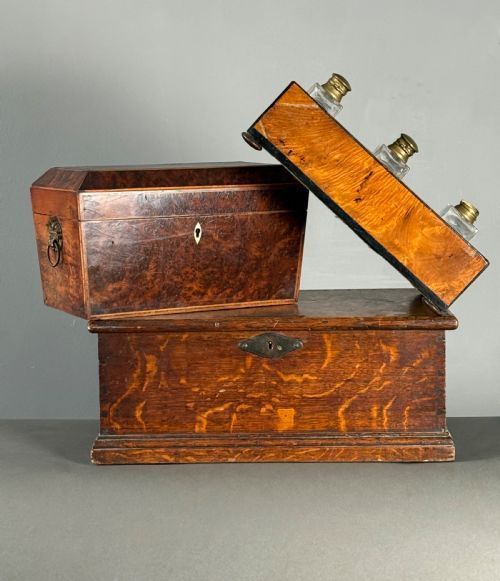
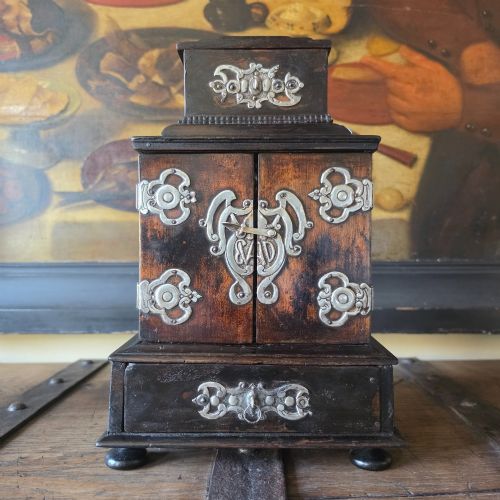
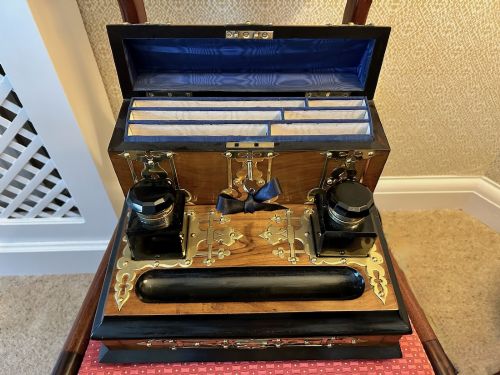
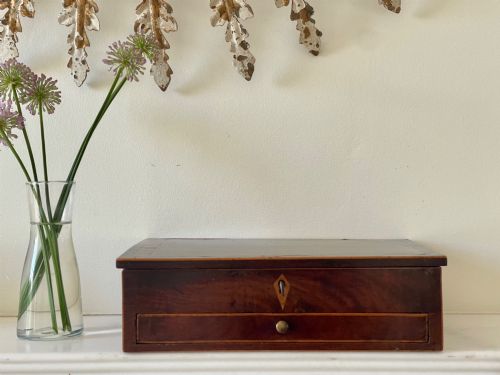
When you search for a vintage wooden casket, you encounter a diverse array of small containers designed for domestic storage across multiple centuries. These pieces function primarily to hold jewellery, tea, documents, or sewing equipment, operating as both practical items and decorative furnishings.
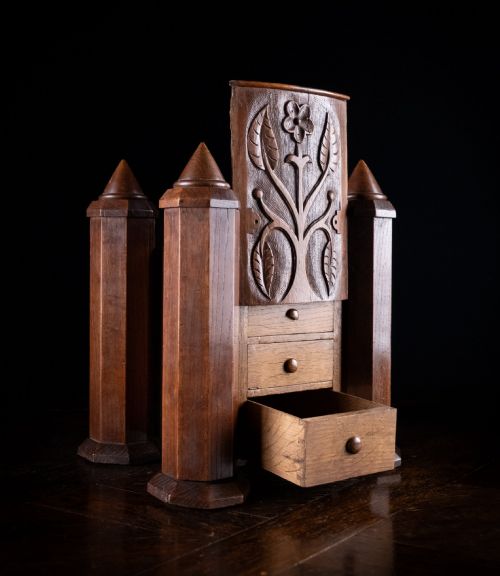
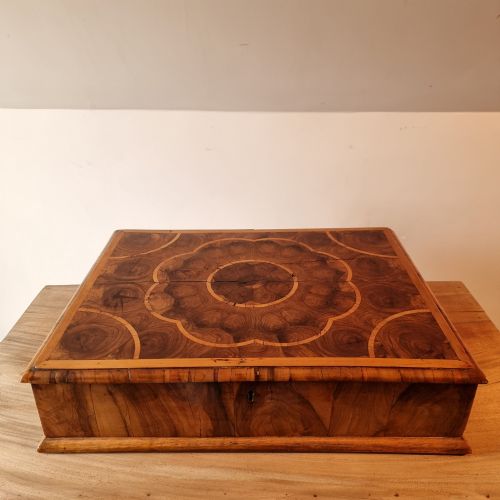
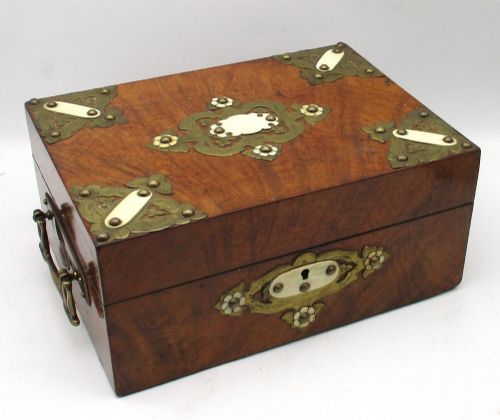
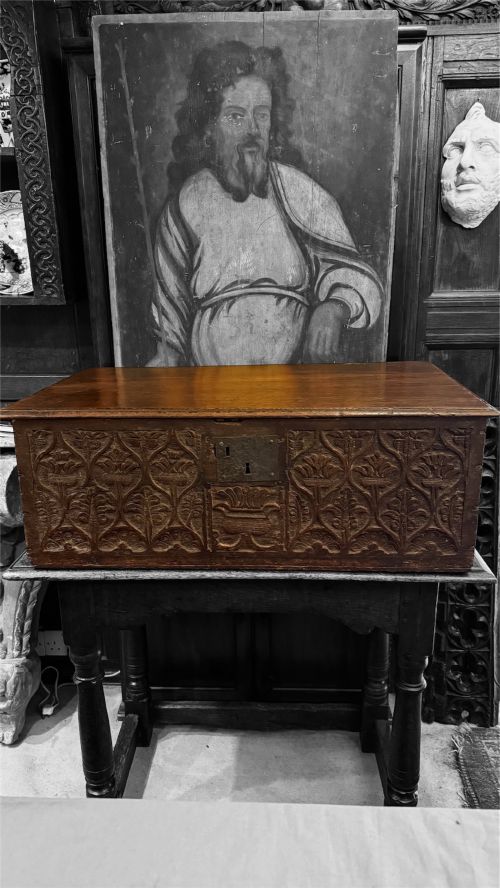
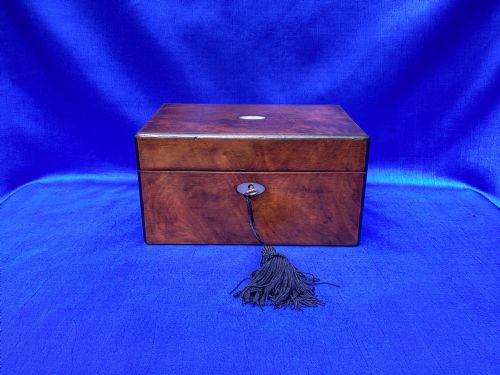
The selection ranges from early oak document boxes dating back to the seventeenth century through to elaborate Victorian rosewood and walnut receptacles. You also find specialised forms such as cellarettes, tea caddies, and campaign boxes used historically by travellers and households alike.
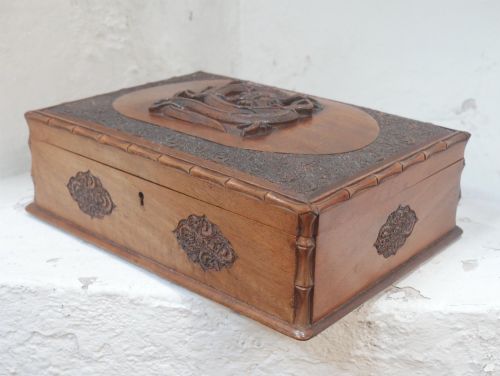
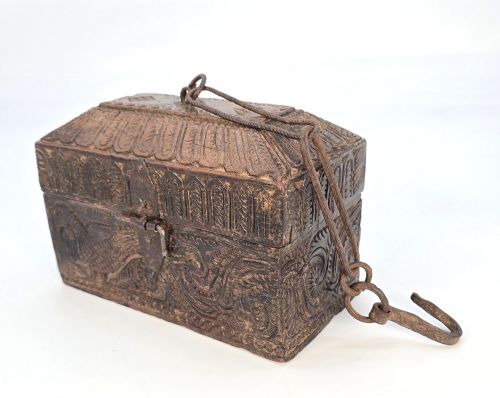
Regional variations appear alongside domestic British styles, including Anglo-Indian carved teak spice boxes and Scandinavian folk art pine containers. Walnut, mahogany, and rosewood serve as the primary woods underpinning these diverse historical objects.
Materials and construction methods
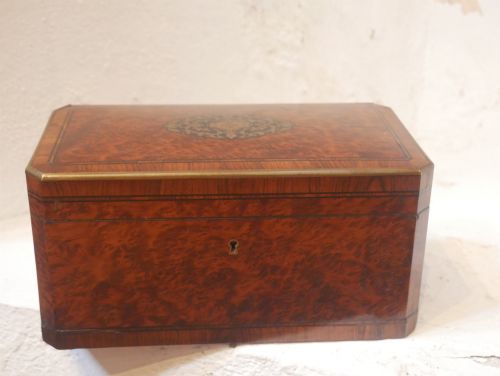
Craftsmen utilised dense hardwoods such as mahogany, rosewood, walnut, and oak to build the foundational structure of these caskets. These timbers were often selected for their prominent grain patterns, including flame mahogany and figured walnut.
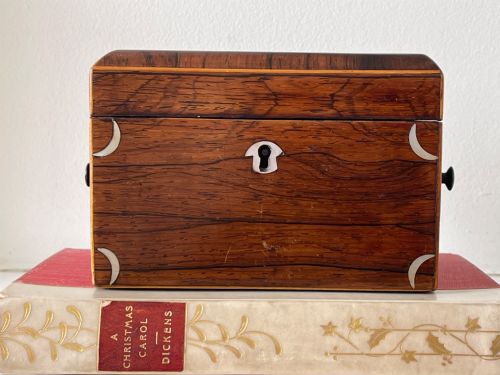
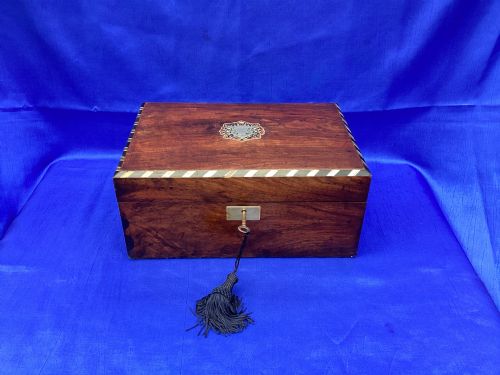
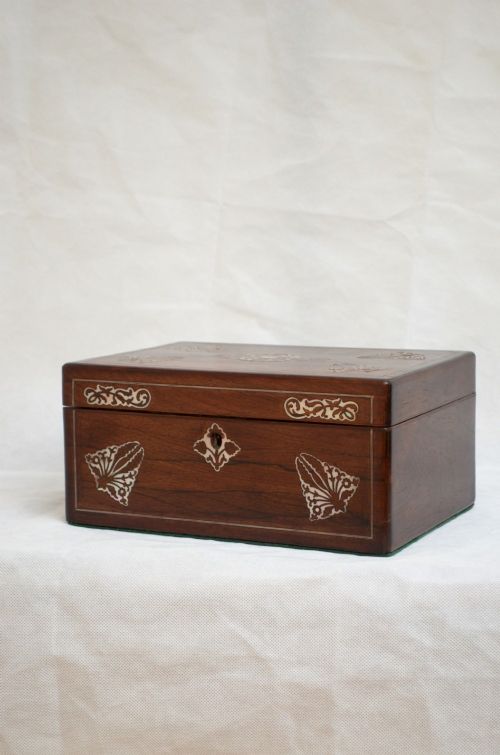
Decorative embellishments frequently incorporate contrasting materials like mother-of-pearl, bone, brass mounts, and delicate Tunbridge ware inlay. Specialised techniques such as surface carving, painting, and porcupine quill work further distinguish specific regional traditions.
Vintage Wooden Casket Retail Price Guide 2026
Typical asking prices for vintage wooden casket among the pieces listed under this phrase on Sellingantiques today, from the lower quarter to the upper quarter. They describe what is for sale here now, not the wider market.
Assessing quality and craftsmanship
Quality in a wooden casket rests upon the precision of the joinery and the integrity of the secondary materials used in its construction. Superior examples exhibit tightly fitted internal trays, original brass hardware, and intricate decorative inlay that remains fully intact.
The sophistication of the timber selection and the degree of hand-carved detail elevate certain pieces above standard utilitarian boxes. The presence of functioning locks, original lining materials, and maker attribution significantly influences the character of the piece.
Tahan Paris·Erhard and Sohne
The Vintage Wooden Casket Glossary
- Cellarette
- A lockable container originally designed for storing bottles of wine or spirits safely. These are often robustly built in mahogany or oak.
- Tea Caddy
- A specialised box intended for the storage of dry tea leaves, frequently featuring internal lidded compartments to separate different varieties.
- Tunbridge Ware
- A distinct form of decorative woodwork characterised by tiny mosaic tiles made of naturally coloured woods to create intricate pictorial designs.
- Campaign Box
- Portable furniture and storage designed for military officers on active service, typically featuring recessed brass carrying handles and reinforced corners.
- Mother-of-Pearl
- The iridescent inner layer of mollusc shells, frequently utilised by makers to create shimmering inlaid geometric motifs and escutcheons.
Vintage Wooden Casket: Frequently Asked Questions
What were wooden caskets originally used for?
These containers served multiple domestic and travel purposes, ranging from safeguarding precious jewellery and legal documents to keeping expensive tea leaves secure under lock and key.
Specific forms were tailored for needlework accessories, writing implements, or military equipment, reflecting the structured lifestyle of past centuries.
How do I identify a Victorian casket?
Victorian pieces frequently utilise dense tropical hardwoods like rosewood or walnut, often enhanced with brass stringing or mother-of-pearl inlay. They typically feature fully fitted internal velvet trays and compartments designed for nineteenth-century accessories.
Construction during this era benefited from industrial mechanisation alongside traditional hand-finishing, resulting in robust and highly decorative domestic objects.
How should I care for a wooden casket?
Maintain these wooden pieces by keeping them away from direct sunlight and sudden humidity changes to prevent the timber from warping or splitting. Gentle dusting with a dry cloth preserves the polished surface and any delicate inlay.
Avoid using modern liquid polishes that can seep into historical joints or damage older varnish and wax finishes.