


Vintage Wooden Carrier
These vintage wooden carriers bring utilitarian utility and domestic history into modern rooms through robust pine, mahogany, and oak forms.
Vintage Wooden Carrier
When searching for a vintage wooden carrier, collectors encounter a diverse group of domestic implements spanning the 18th, 19th, and early 20th centuries. These functional objects served specific roles in Georgian and Victorian households, dairies, and railways.
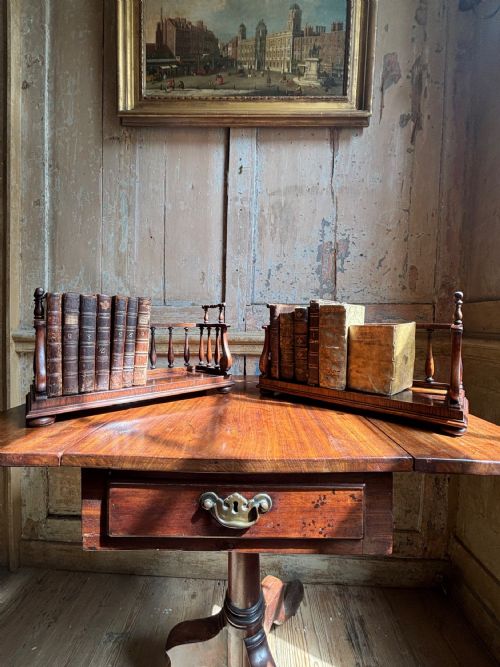
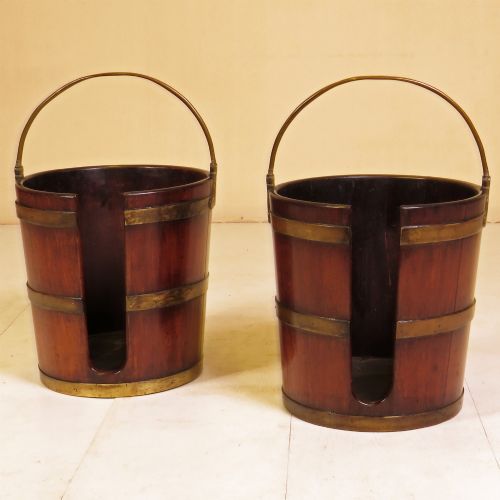
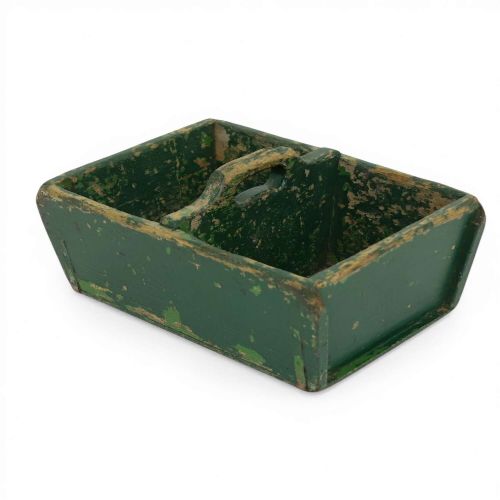
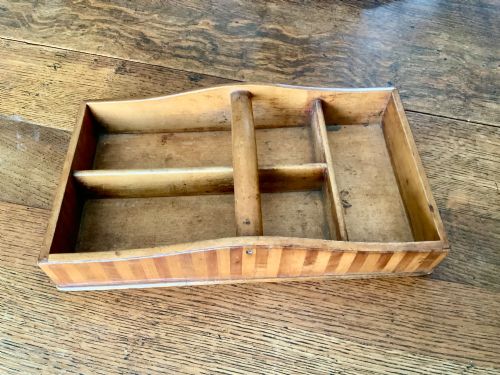
The selection on this page centres heavily on traditional wooden carriers such as cutlery trays, book stands, plate buckets, and utilitarian trugs. Examples range from refined mahogany decanter holders to robust pine and beech country pieces.
Origins stretch across English, Welsh, and Scandinavian workshops, reflecting regional domestic habits and vernacular styles. Buyers most frequently meet utilitarian kitchen boxes, garden trugs, and desk carriers fashioned from native hardwoods.
How vintage wooden carriers were made
Cabinet makers and vernacular craftsmen relied predominantly on solid timbers including mahogany, pine, oak, beech, and rosewood. These woods provided the structural integrity required for daily domestic transport and heavy carrying duties.
Construction techniques balanced utility with durability, frequently employing iron banding, brass hardware, and hand-woven elements to reinforce stress points. Surfaces often display natural patination, simple paint finishes, or traditional joinery suited to heavy daily use.
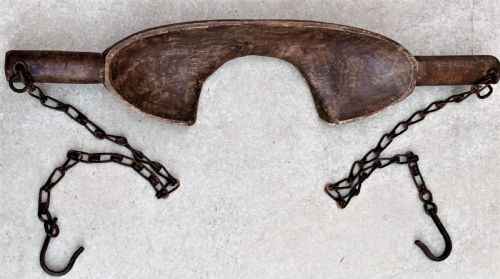
A dairy maid's wooden yoke once carried heavy milk pails across English fields.
What varies in quality
The distinction between standard utility items and finer examples lies in the selection of timber and the precision of the joinery. Refined pieces made from figured mahogany or rosewood exhibit cabinet-maker attention, whereas vernacular trugs rely on robust, straightforward construction.
Proportion and original hardware significantly influence the character of each piece. Surviving brass mounts, iron bindings, and untouched patination elevate the visual and historical interest of a carrier.
The Vintage Wooden Carrier Glossary
- Trug
- A shallow wooden basket or container traditionally used for gathering garden produce or carrying tools. These utilitarian vessels were constructed from split wood or sturdy boards.
- Tantalus
- A decorative locking frame designed to hold decanters securely while displaying their contents. Victorian iterations often incorporated brass locking mechanisms and mahogany bases.
- Cutlery tray
- A divided wooden box utilised for transporting knives, forks, and spoons around large country houses. They frequently feature central carrying handles and multiple compartments.
- Shoulder yoke
- A curved wooden implement placed across the shoulders to balance heavy loads suspended from each end. Dairy maids and railway workers utilised these for transporting milk or luggage.
- Vernacular
- Everyday objects designed for practical use by local craftsmen rather than high-style urban workshops. These pieces reflect regional material availability and traditional utility.
Vintage Wooden Carrier: Frequently Asked Questions
What were vintage wooden carriers originally used for?
These items served daily domestic, agricultural, and industrial tasks around the home, dairy, and railway. People utilised them to transport cutlery, bottles, books, and garden produce.
Over time, many utilitarian forms transitioned from active service into decorative household accessories. Their robust construction allowed them to survive centuries of heavy handling.
How do I style a wooden carrier in a modern home?
These carriers function practically as desktop book racks, fireside storage containers, or tabletop display trays. Their natural timber tones complement both contemporary and traditional interior schemes.
Placing them on sideboards or coffee tables provides functional storage for magazines, remote controls, or bottled beverages. The warm patination of the wood adds tactile historic character to living spaces.
How can I tell the difference between Georgian and Victorian pieces?
Georgian carriers typically display finer cabinet timbers like mahogany and restrained decorative restraint. Their forms lean towards formal dining and library use, such as bottle holders and book stands.
Victorian and later items often encompass heavier utilitarian designs, including pine trugs, railway yokes, and dairy equipment. These later pieces prioritise robust, unadorned service over refined aesthetic polish.
Are these carriers suitable for outdoor garden use?
Historic trugs and garden carriers were originally built for outdoor labour and agricultural duties. However, antique items benefit from gentle handling to preserve their historic surfaces and dry timber.
Exposing fragile 19th-century pine or rosewood to modern moisture can compromise the original wood structure. Displaying them indoors ensures their long-term preservation as decorative antiques.