

Vintage Wooden Book Stand
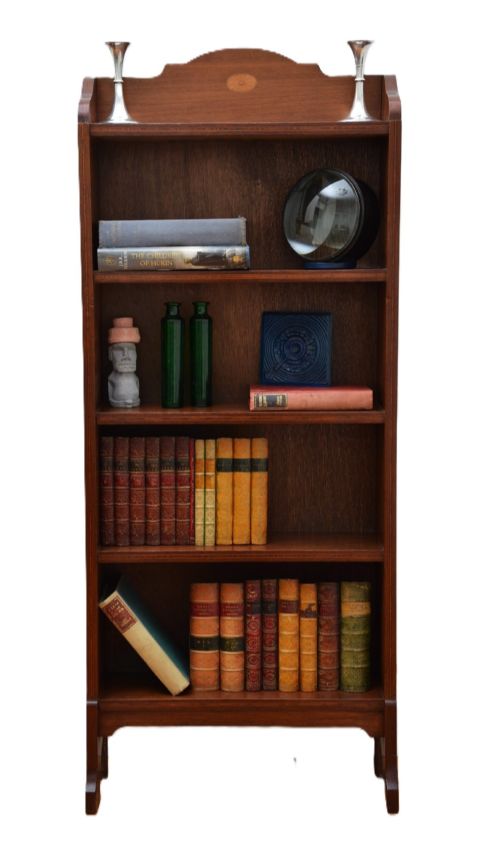
A vintage wooden book stand holds volumes within arm's reach while bringing warm timber grain and period character to a room.
Vintage Wooden Book Stand
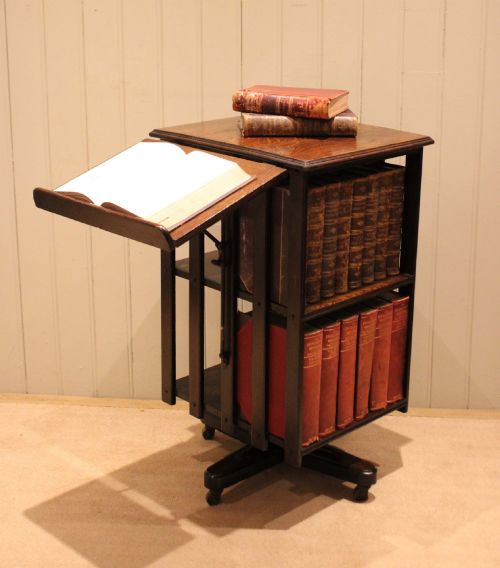
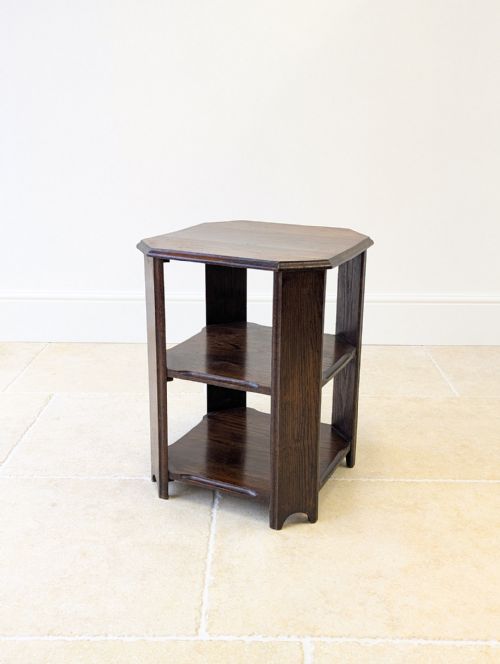
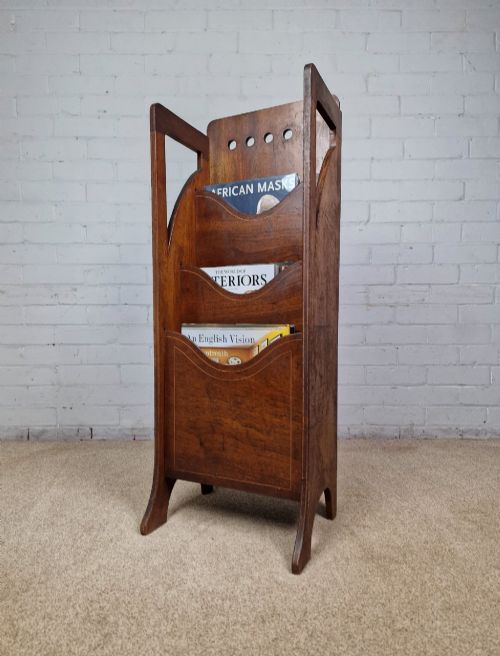
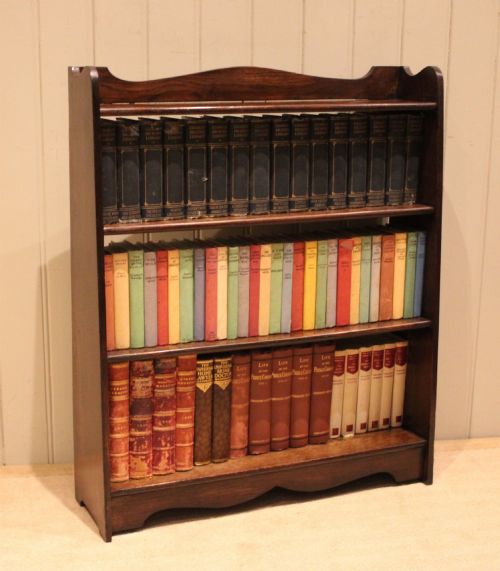
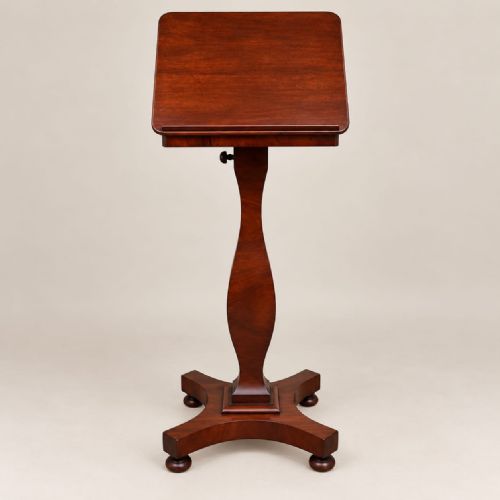
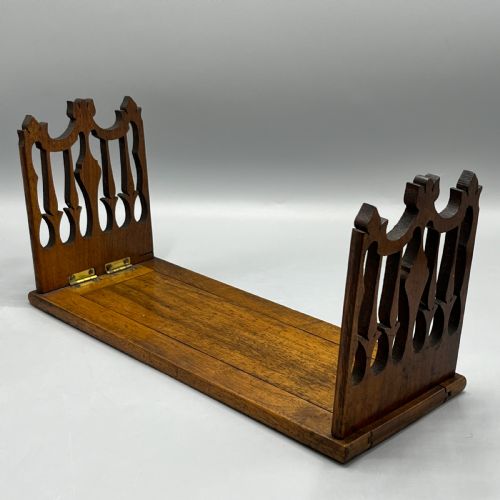
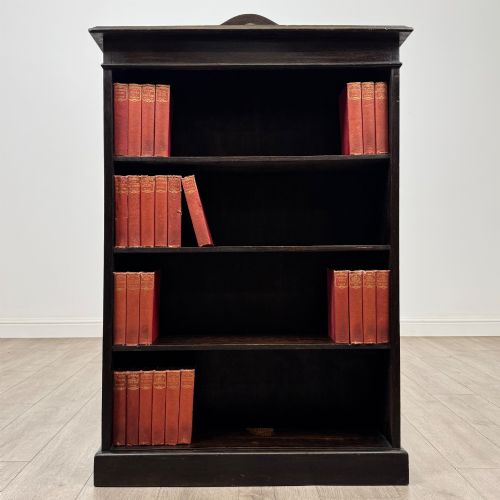
A vintage wooden book stand encompasses portable book slides, tabletop rests and small open bookcases originating from periods such as the Edwardian era and the nineteenth century. Buyers searching for a vintage wooden book stand encounter practical reading furniture designed to keep working texts or treasured volumes upright and accessible.
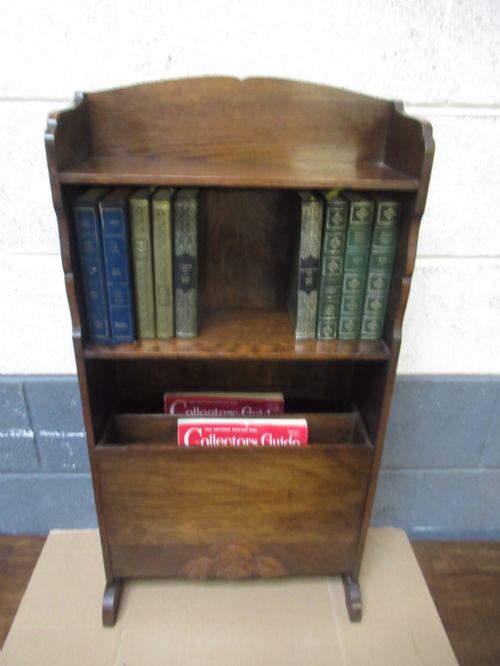
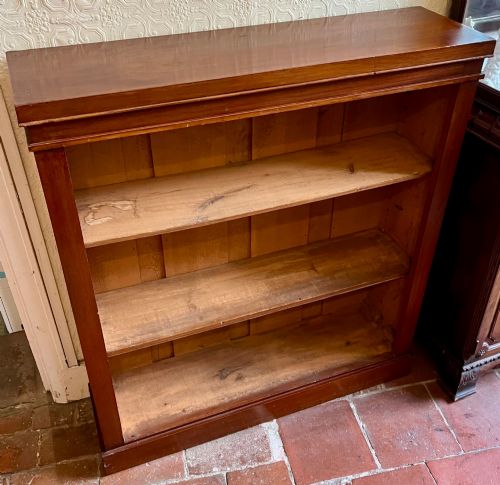
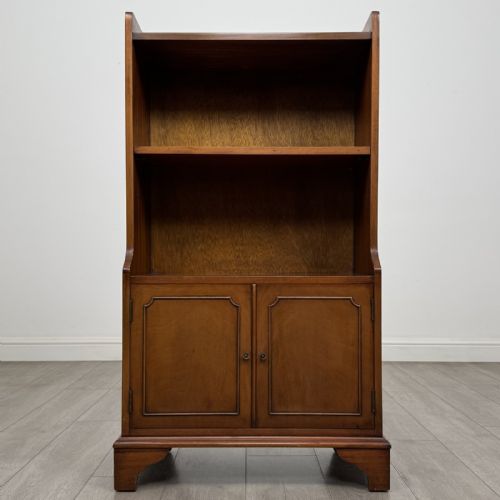
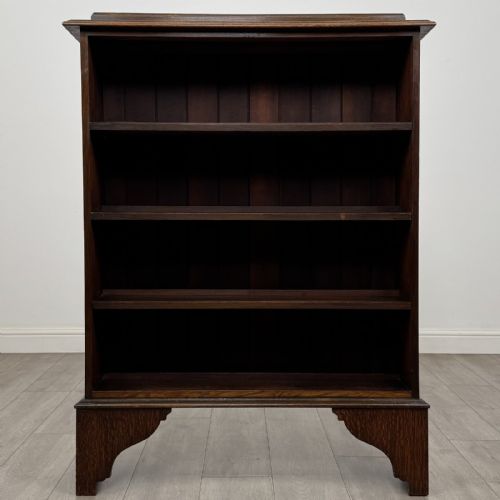
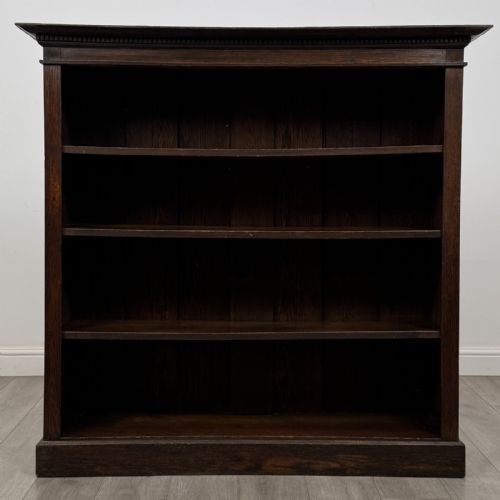
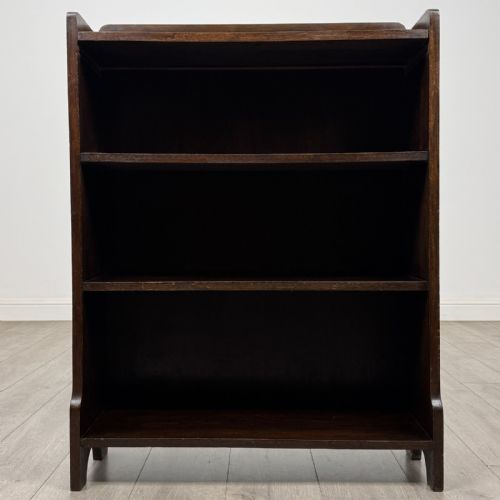
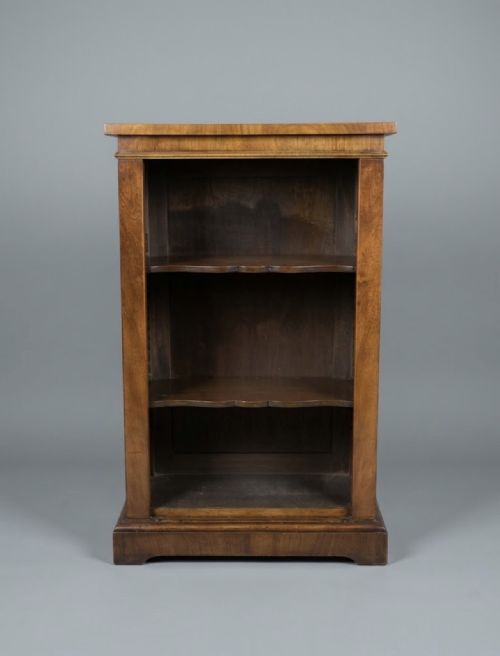
The selections available here lean heavily toward Edwardian and early twentieth-century oak open bookcases, alongside revolving models, reading tables and carved desk accessories. These pieces range from simple rustic pine shelves to polished mahogany pieces featuring turned legs and raised galleries.
How they were made
Cabinet makers utilised solid timbers like oak, mahogany, walnut and pine, often joining panels with traditional methods to endure daily handling. Brass hinges, castors and adjustable brackets appear frequently on reading tables and revolving designs.
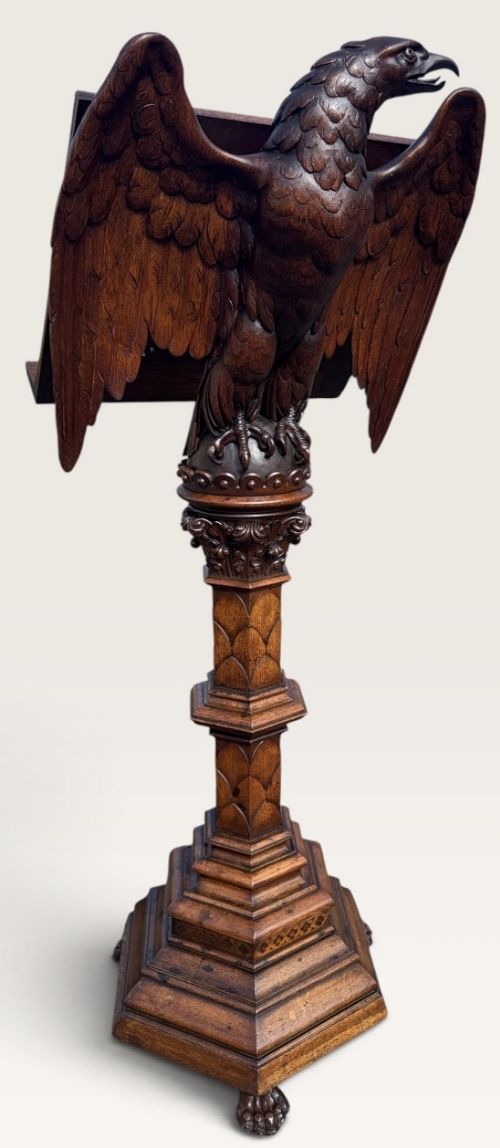
Carved decoration manifests in styles from Arts and Crafts movement motifs to Black Forest animal figures, while simpler pieces rely on the natural figure of the wood.
Vintage Wooden Book Stand Retail Price Guide 2026
Typical asking prices for vintage wooden book stand among the pieces listed under this phrase on Sellingantiques today, from the lower quarter to the upper quarter. They describe what is for sale here now, not the wider market.
The listings on this page span the Victorian and Edwardian periods, utilising oak, mahogany, pine and walnut in various open bookcase and stand formats.
What varies in quality
Quality rests in the selection of timber and the crispness of any carved detailing, distinguishing standard utilitarian items from finer workshop output. The smoothness of revolving mechanisms and adjustable reading angles also separates basic stands from more complex pieces.
Proportion and structural integrity define the better examples, where joints remain tight and timber surfaces display depth of finish rather than flat modern sealants.
Finnigans·Ercol·Gillows
The Vintage Wooden Book Stand Glossary
- Book slide
- An expanding tabletop rack designed to hold a small row of books securely between two bookends. They often feature extending mechanisms.
- Lectern
- A stand with a slanted top designed to hold a book or notes at a comfortable reading angle for a standing speaker. Some examples include carved eagle motifs.
- Whatnot
- An open set of multiple shelves used for displaying books and ornaments. These tiered stands date across the nineteenth and early twentieth centuries.
- Revolving bookcase
- A low shelving unit mounted on a rotating pivot so books can be accessed from all sides. Edwardian mahogany versions are common.
- Gallery
- A raised wooden or brass border around the top edge of a shelf or table to stop items from sliding off. They frequently feature pierced or carved decoration.
Vintage Wooden Book Stand: Frequently Asked Questions
What is a book slide?
A book slide is a small, adjustable desk accessory designed to hold a row of volumes upright between two upright ends. They keep reference books tidy on a desk or table.
Most examples allow the user to slide the wooden base wider or narrower depending on how many volumes need support.
How do I use a revolving bookcase?
A revolving bookcase sits on a concealed central pivot, allowing the entire unit to spin smoothly and present different titles to the reader. They work well beside an armchair or desk.
Because they store books vertically on multiple sides, they maximise storage space in a compact footprint.
Are these stands good for heavy books?
Solid oak and mahogany stands provide sturdy support for large reference volumes, ledgers and heavy hardbacks. Fixed shelves and rigid joints handle substantial weight with ease.
Lighter pine or adjustable tabletop slides suit smaller novels and everyday reading material better.
How do I date an Edwardian piece?
Edwardian items date from the reign of Edward VII between 1901 and 1910, though the style often extends slightly either side. They frequently utilise golden oak and feature simple Arts and Crafts influences or Sheraton revival inlays.
Construction methods during this period combined traditional hand joinery with early machine production techniques.