

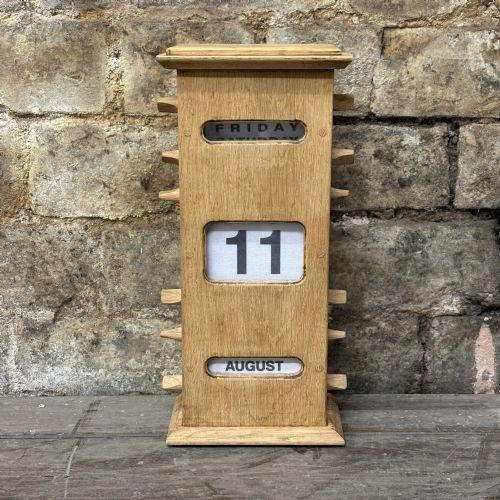
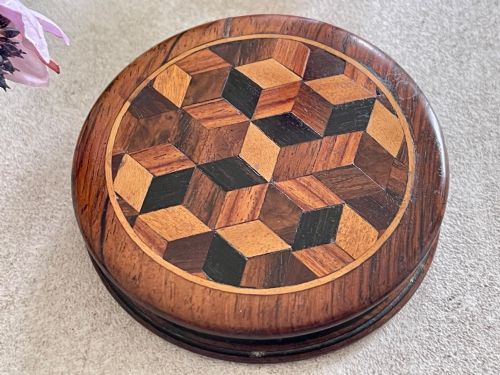


Vintage Wooden Block
A vintage wooden block brings tactile warmth and utilitarian history into a room, spanning everything from heavy kitchen butchers' blocks to carved printers' stamps.
Vintage Wooden Block
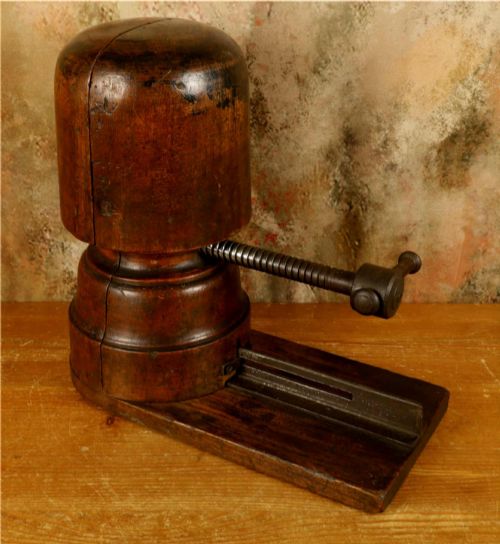
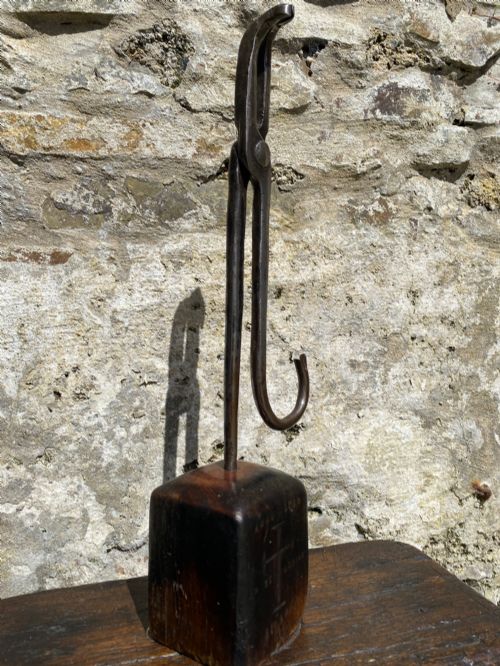
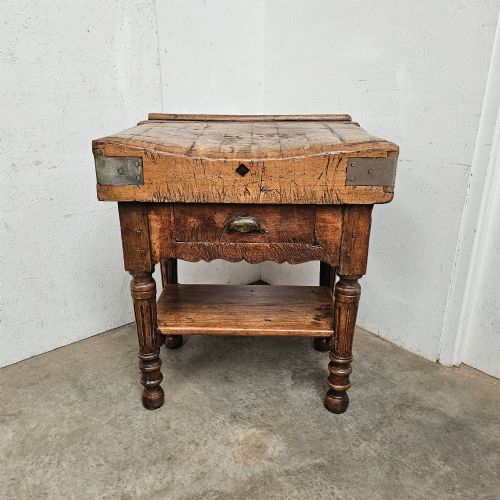
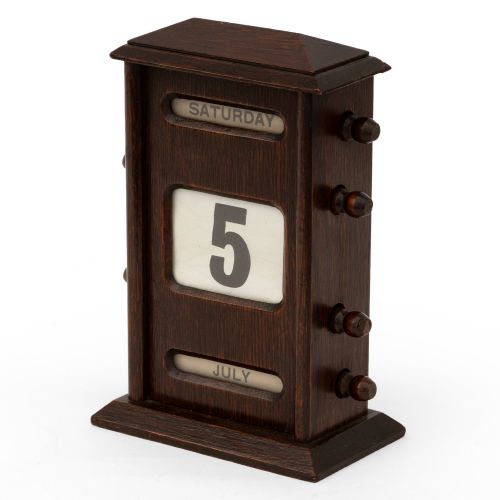
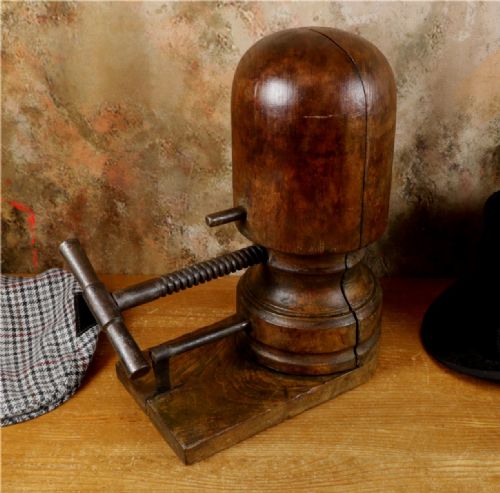
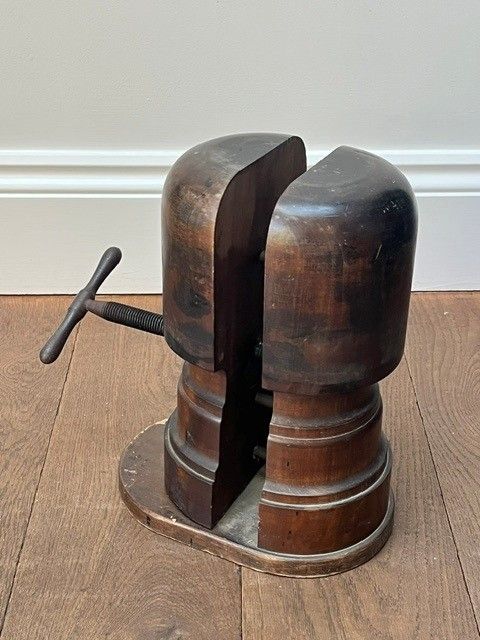
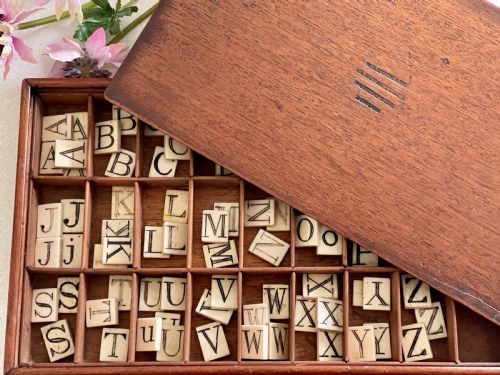
When you search for a vintage wooden block, you encounter a diverse gathering of utilitarian objects spanning printing tools, kitchen prep slabs, and millinery forms. These pieces originate from domestic, commercial, and industrial contexts across the eighteenth, nineteenth, and twentieth centuries, reflecting practical trades of the past. The selections here most frequently include heavy beech and oak butchers' blocks, alongside turned wooden hat stretchers and carved fabric printing stamps.
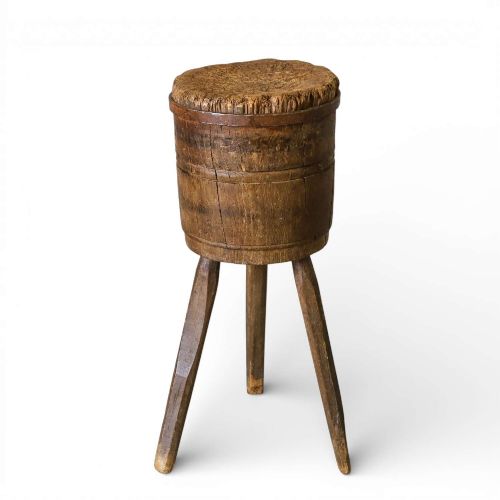
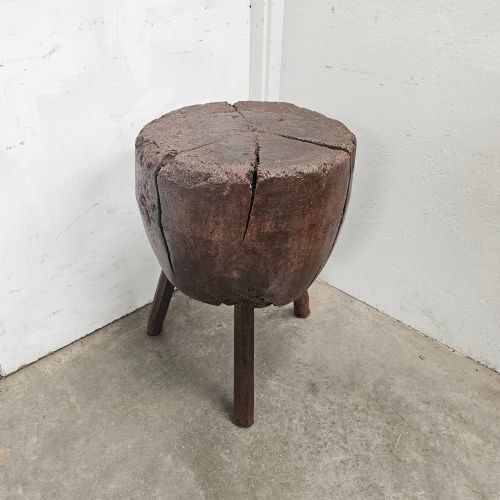
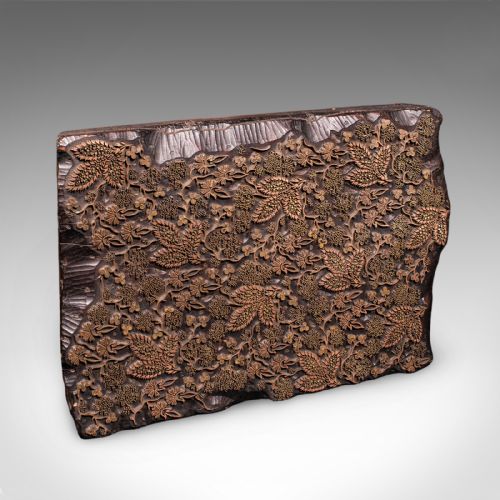
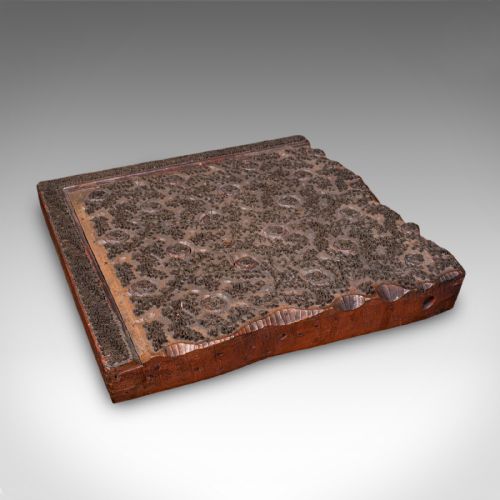
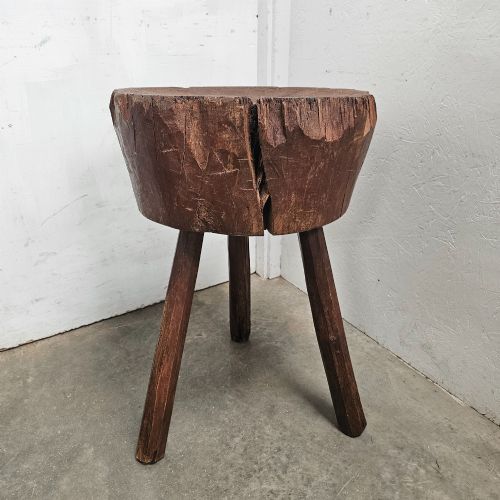
Kitchen and preparation surfaces dominate the selection, often taking the form of substantial chopping blocks mounted on stands or decorative bases. Alongside these, textile and wallpaper printing blocks appear frequently, displaying intricate carved wooden surfaces sometimes inlaid with brass pins. Millinery forms and wig stands also feature prominently, offering sculptural shapes shaped for shaping hats or displaying headwear.
Materials and construction methods
Makers utilised dense native hardwoods such as beech, oak, elm, and walnut to withstand heavy daily labour without splitting or splintering. Kitchen chopping blocks and butcher's blocks rely on thick end-grain or solid plank construction, often secured with iron or metal bracing for structural rigidity. Hat blocks and wig forms make full use of turned and carved timber, utilising the natural grain patterns of the wood to create smooth, curved surfaces.
Printing blocks combine carved wood with inset brass stripwork to stamp repeat patterns onto fabric or wallpaper with exact precision. Metal components such as brass, iron, and steel appear as functional hardware, hinges, pins, and mounting spikes across various utilitarian forms. These materials show the wear of active workshops, displaying patinas gained through decades of practical service.
Vintage Wooden Block Retail Price Guide 2026
Typical asking prices for vintage wooden block among the pieces listed under this phrase on Sellingantiques today, from the lower quarter to the upper quarter. They describe what is for sale here now, not the wider market.
Factors determining quality and appeal
Quality rests upon the integrity of the timber, the depth and clarity of any carved detail, and the honesty of the wear. Examples that retain their original working bases, mounting stands, or untouched surface patinas command greater interest among collectors. Well-chosen proportions and solid joints distinguish superior workshop tools from standard utility items.
The precision of the hand-carved elements on printing blocks and the sculptural grace of millinery forms separate ordinary specimens from exceptional pieces. Evidence of original function, such as traces of historical dyes on printing stamps or deep chop marks on kitchen blocks, adds authentic character. Pieces that survive with their original mechanical adjustments or complete boxed sets retain higher documentary value.
The Vintage Wooden Block Glossary
- Butcher's block
- A heavy solid wood table or freestanding block used historically for meat preparation and butchery. These items typically feature thick end-grain timber tops designed to absorb heavy cleaver impacts.
- Hat block
- A carved wooden form used by milliners to shape, stretch, and store hats. They frequently take sculptural, abstract head shapes suited to specific period millinery designs.
- Printing block
- A carved wooden stamp, sometimes featuring inset brass work, utilised for transferring patterns onto textiles or wallpaper. These blocks display reversed designs intended for impression.
- End-grain
- Wood cut across the growth rings rather than along them, presenting the dense ends of the fibres to the surface. This cut provides exceptional durability for heavy chopping and pounding.
- Patina
- The surface sheen and colour acquired by wood and metal through age, handling, and use over many decades. A good patina reflects genuine history rather than artificial polishing.
Vintage Wooden Block: Frequently Asked Questions
What were vintage wooden blocks originally used for?
These items served distinct manual trades, functioning as kitchen surfaces for food preparation, carving matrices for textile printing, or sculptural forms for shaping hats.
Craftsmen and merchants relied on them daily, which accounts for the robust timbers and utilitarian construction methods evident in their design.
How do I care for a vintage wooden block?
Keep wooden surfaces away from direct heat sources and sudden humidity changes to prevent the timber from splitting or warping.
Feed dry wood with suitable natural oils or beeswax periodically to maintain the condition of the grain without creating a glossy finish.
Are printing blocks still usable for printing?
Many historic printing blocks retain their carved definition and can still transfer pigment when handled carefully with appropriate inks.
Collectors more commonly display them as sculptural wall art or desktop objects to preserve their delicate carved brass and wooden details.
How can I tell the age of a wooden block?
Dating relies on observing tool marks, timber species, wear patterns, and construction methods characteristic of specific centuries.
Stylistic cues such as Art Nouveau or Victorian motifs on printing stamps and the specific turnings of hat forms also offer chronological clues.