


Vintage Wood Vanity
A vintage wood vanity brings character to a bedroom, offering a dedicated spot for grooming with timeless craftsmanship.
Vintage Wood Vanity
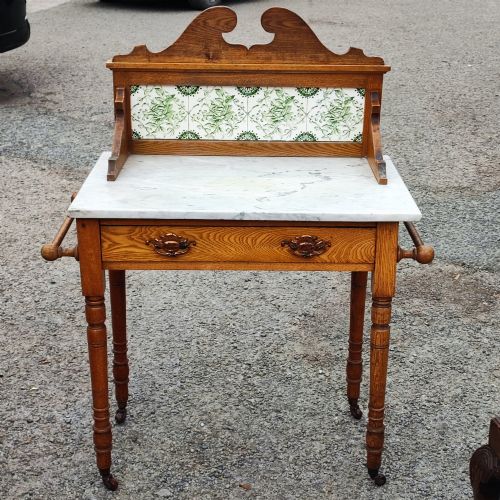
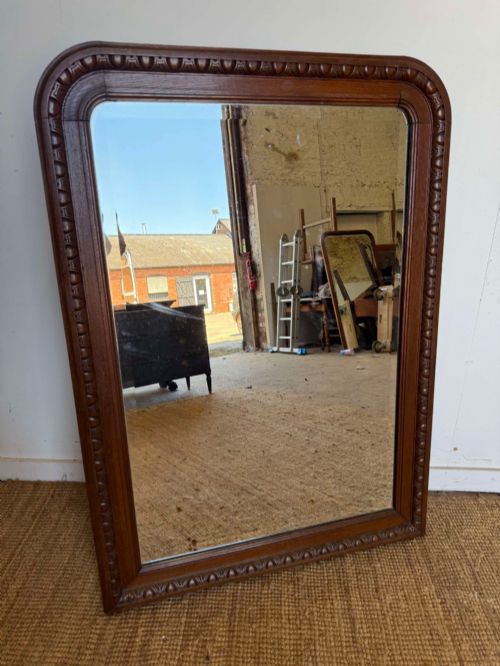
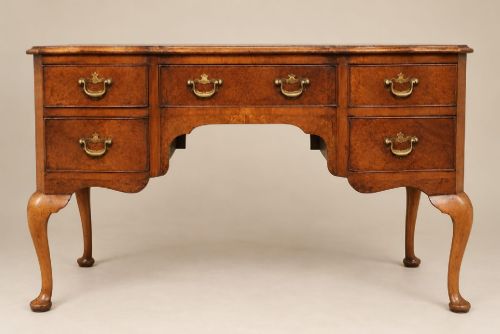
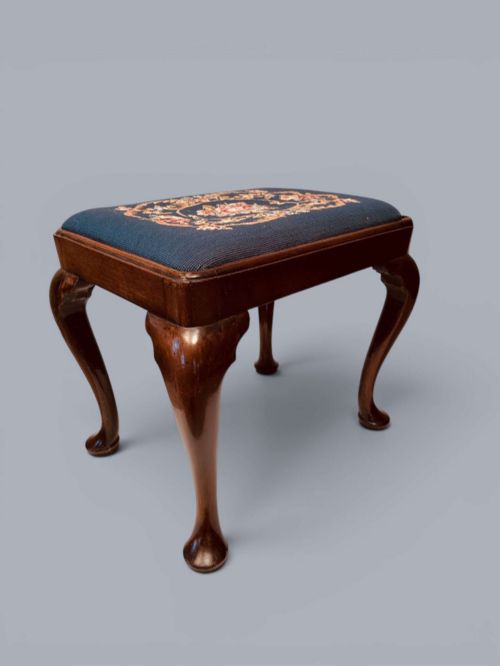
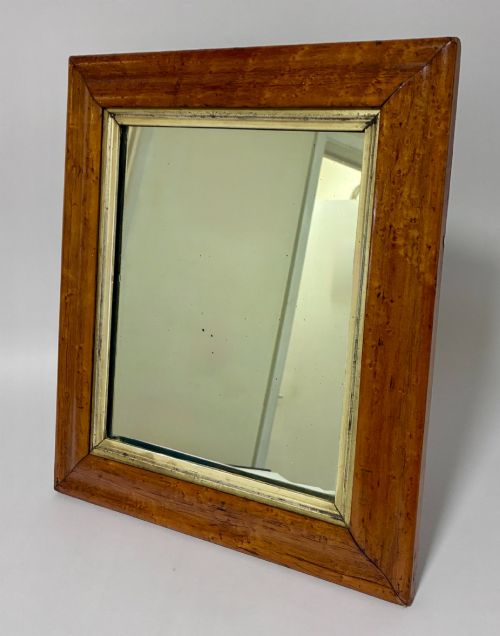
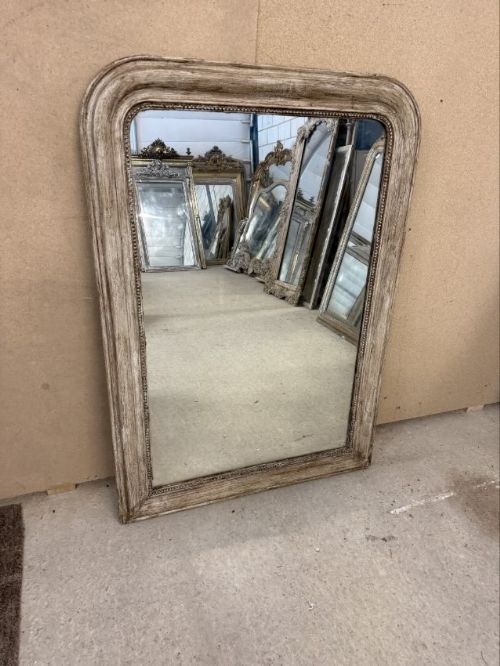
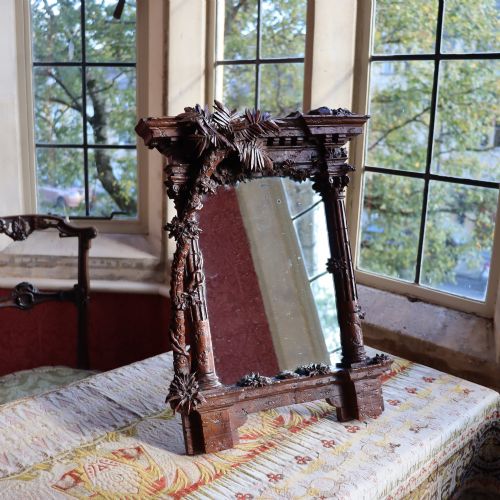
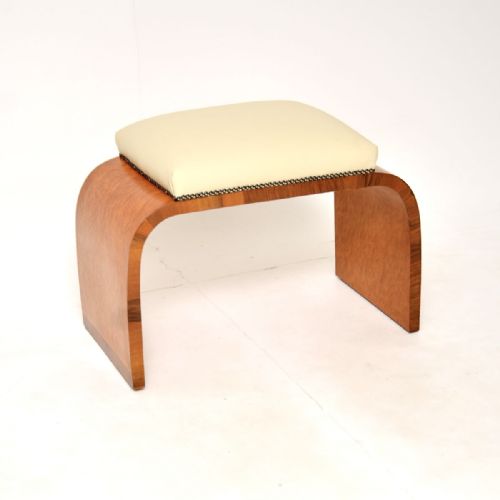
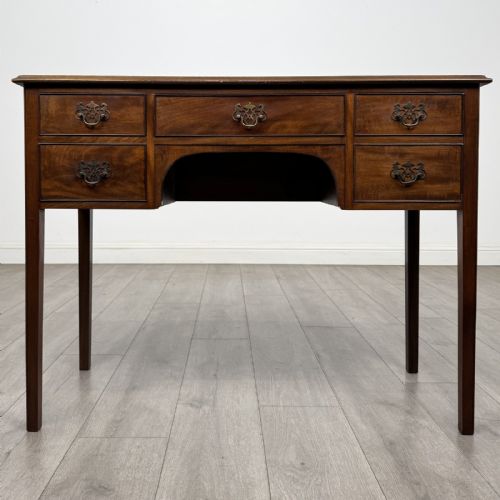
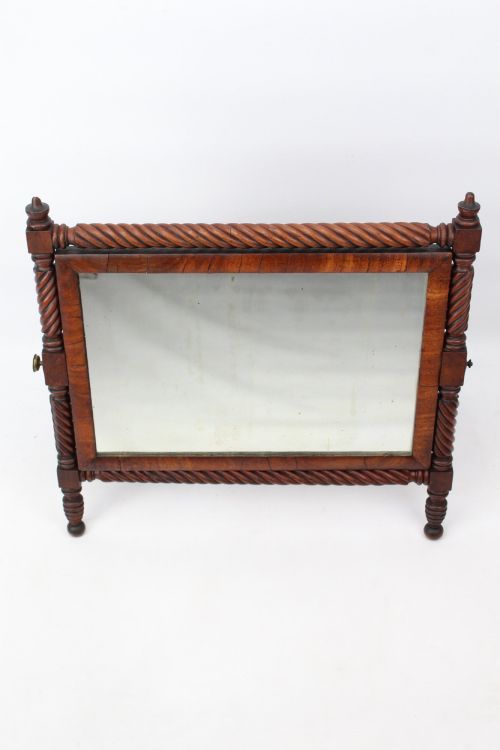
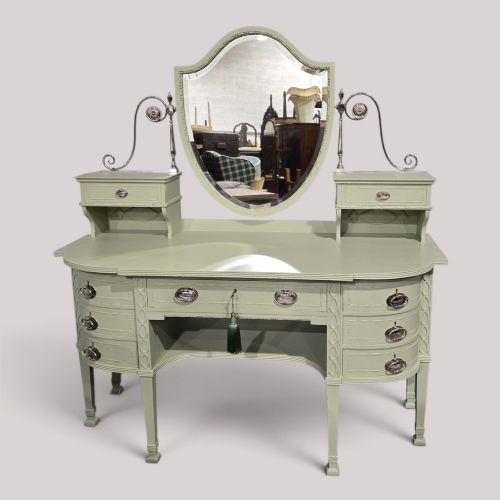
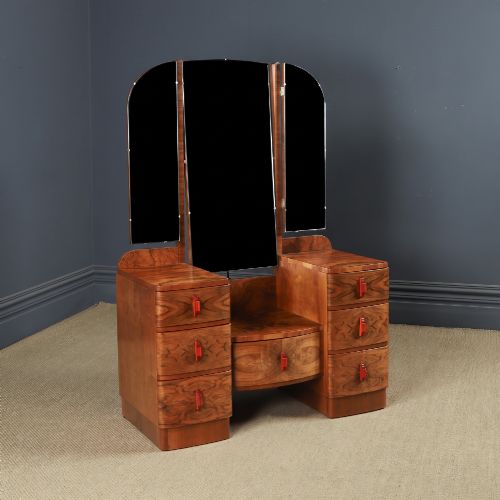
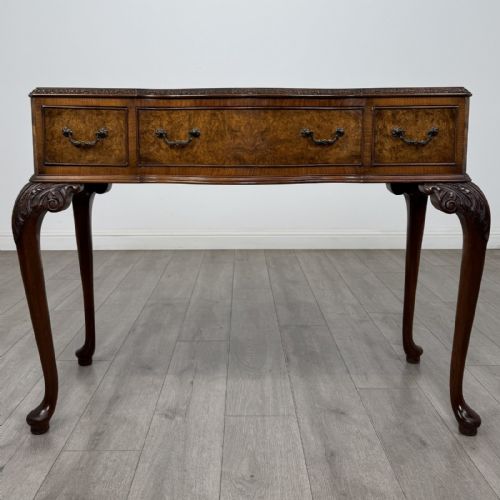
When searching for a vintage wood vanity, you encounter an array of dressing tables, mirrors, and stools spanning multiple centuries. The selection includes everything from Georgian and Regency mahogany swing mirrors to Edwardian dressing chests and Art Deco pieces.
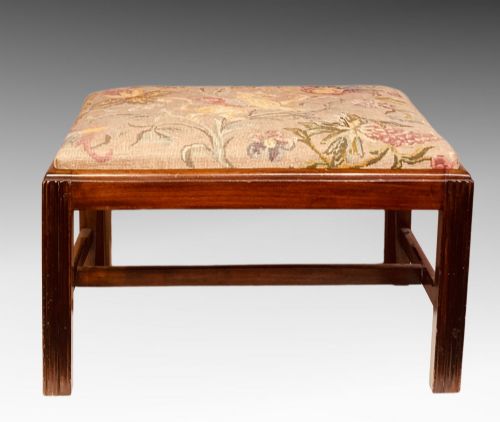
The most common forms on this page comprise dressing tables, freestanding mirrors, and matching stools fashioned from woods such as mahogany, walnut, oak, and satinwood. These objects serve both practical grooming functions and decorative roles in traditional or modern interiors.
Origins vary widely across these listings, encompassing English country house pieces, French manufacture, and Italian styles. Each period brings distinct proportions and decorative vocabulary, from Queen Anne Revival curves to clean Art Deco lines.
Materials and construction
Cabinet makers utilised dense hardwoods like mahogany, walnut, and oak to build the foundational structures and frames of these vanities and mirrors. Veneers such as burr walnut, oyster veneer, and birds eye maple appear frequently, selected for their striking grain patterns.
Secondary details involve brass hardware, giltwood accents, mother-of-pearl inlay, and fabric upholstery for associated stools. Joinery techniques and carved flourishes define the regional workshops and stylistic periods represented in the collection.
Vintage Wood Vanity Retail Price Guide 2026
Typical asking prices for vintage wood vanity among the pieces listed under this phrase on Sellingantiques today, from the lower quarter to the upper quarter. They describe what is for sale here now, not the wider market.
Listings feature walnut across five distinct decades, spanning Georgian through to Art Deco periods.
Assessing quality
Quality rests upon the selection of timber figures, such as highly figured mahogany or intricate burr walnut veneers, paired with crispness in hand-carved details. Superior examples display balanced proportions and refined execution in elements like bevelled glass and dovetailed drawer construction.
The integration of secondary materials, including brass inlay or original gilt finishes, distinguishes finer studio outputs from simpler utilitarian pieces. Condition of the underlying wood and retention of original surfaces carry significant weight.
Shapland & Petter·Tahan
The Vintage Wood Vanity Glossary
- Swing mirror
- A tabletop or dressing table glass mounted on pivots between upright supports, allowing the angle to be adjusted. These are frequently found on Georgian and Victorian dressing tables.
- Cheval glass
- A full-length floor mirror hung in a freestanding frame that permits tilting. The name derives from the French word for horse, referencing the four-legged frame.
- Veneer
- A thin slice of decorative wood applied over a secondary timber base to create patterned surfaces. Oyster veneers and burr walnut are classic examples seen across these periods.
- Triptych mirror
- A three-panel mirror assembly where the outer wings hinge inward. This design allows the user to view angles from multiple sides during grooming.
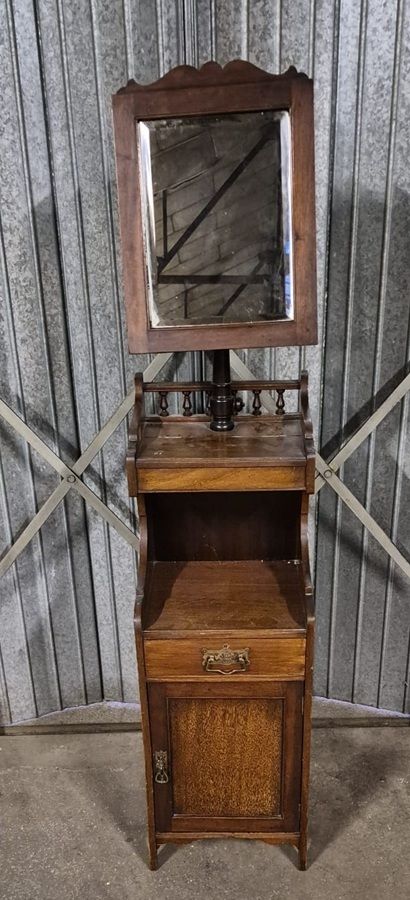
- Shaving stand
- A specialist furniture form featuring an adjustable mirror and small surface areas designed for morning hygiene routines. These date predominantly to the nineteenth century.
Vintage Wood Vanity: Frequently Asked Questions
How do I date a wooden vanity?
Dating relies on identifying primary timber choices, construction joinery, and stylistic details like carved pediments or cabriole legs. Comparing hardware and mirror plate characteristics helps narrow down the decade.
Consulting period-specific design markers ensures accuracy when evaluating pieces spanning the Georgian to Art Deco eras.
What is the difference between a vanity and a dressing table?
The terms are often used interchangeably to describe furniture intended for personal grooming and cosmetic storage. Historically, dressing tables may feature integrated drawers and fixed or swing mirrors.
Modern usage applies vanity to any dedicated station equipped with a surface, mirror, and optional seating.
Are mirror plates original on antique vanities?
Many older pieces retain their original mercury or early silvered glass, which often exhibits characteristic foxing and minor speckling. Replacement mirror plates appear frequently in pieces restored for modern use.
Examining the backing boards and securing pins provides clues regarding the originality of the glass.
How do I care for antique wood surfaces?
Protect wood surfaces by avoiding direct sunlight and maintaining stable indoor humidity levels to prevent veneer cracking. Regular dusting with a soft cloth preserves the historic polish.
Periodic application of appropriate wax feeds the timber without building up unwanted residues.