



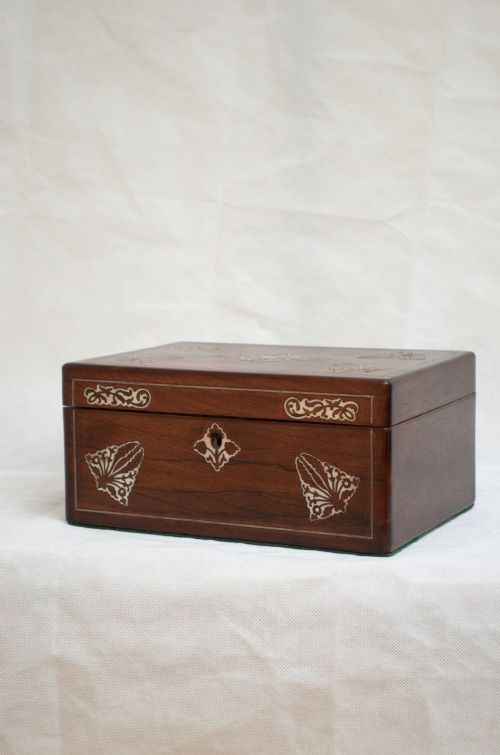

Vintage Wood Trinket Box
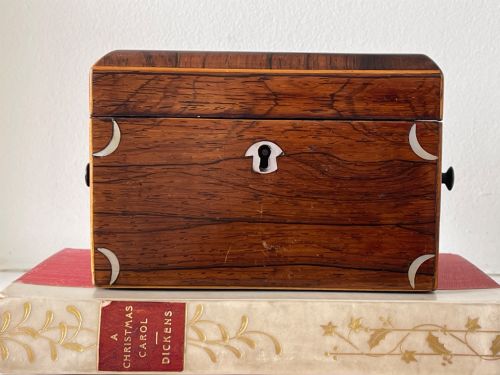
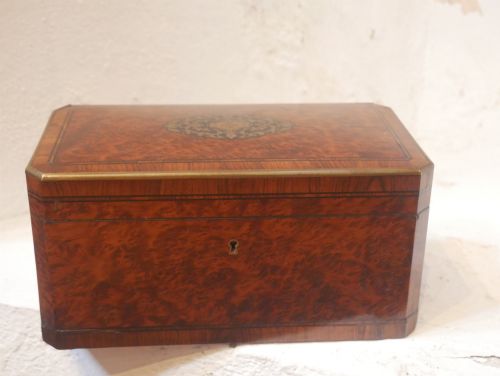
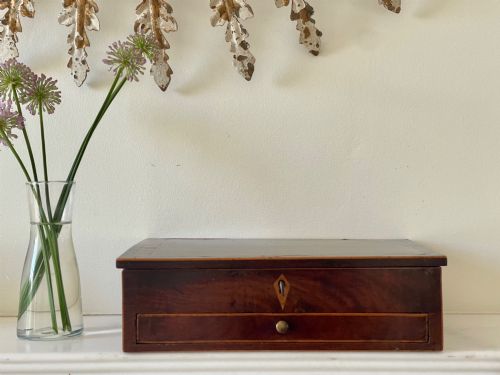
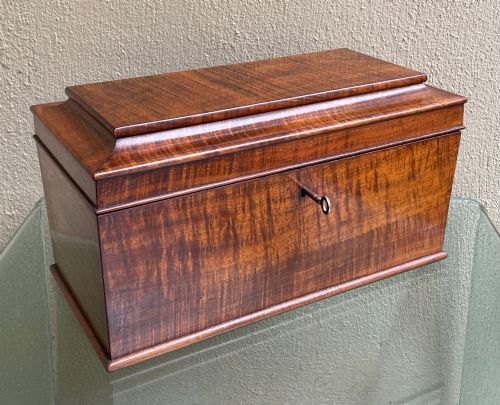
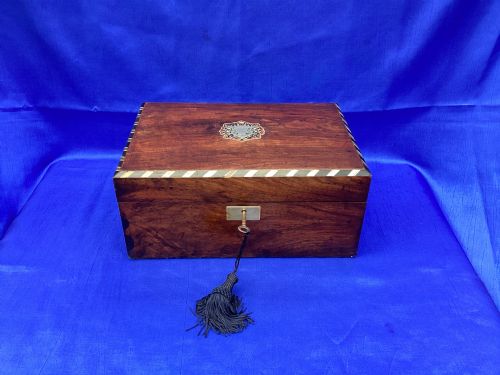
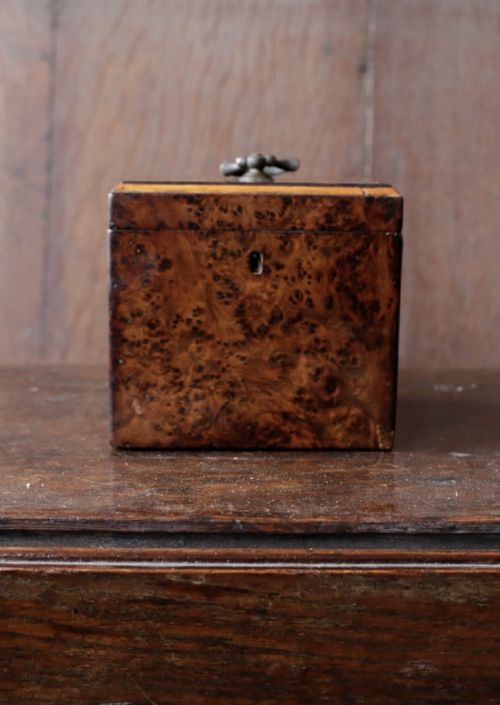
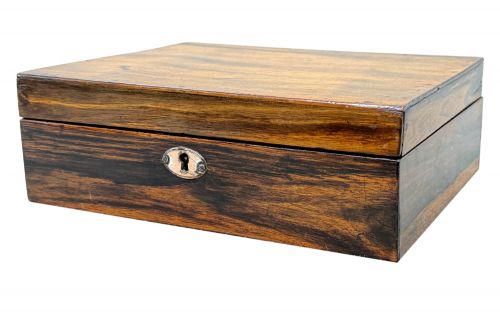
These vintage wood trinket box examples range from Georgian tea caddies to Victorian rosewood receptacles, offering small-scale storage for keepsakes and jewellery.
Vintage Wood Trinket Box
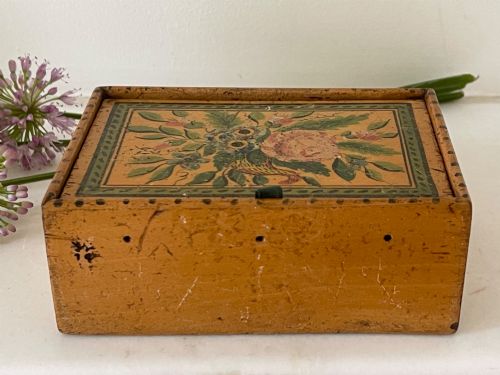
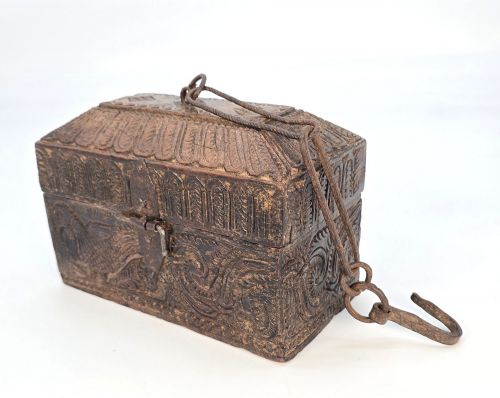
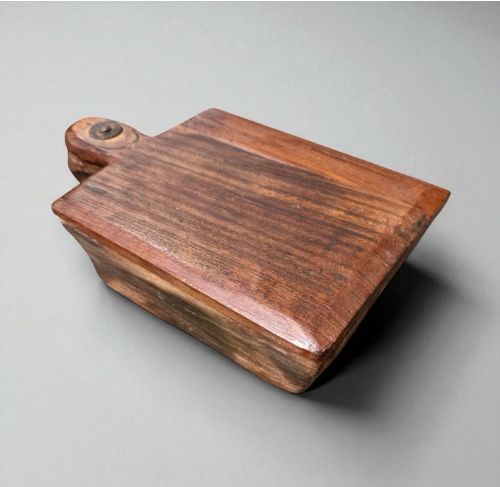
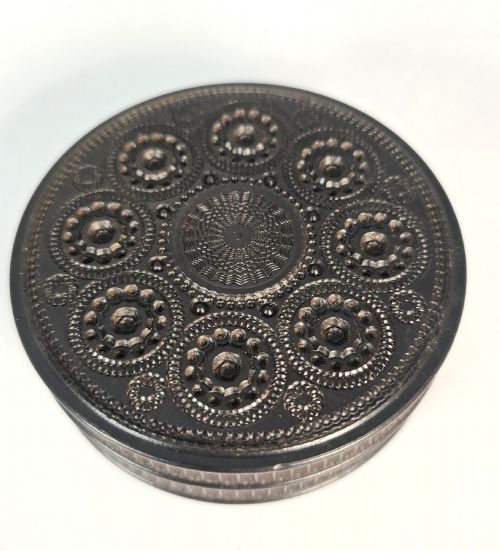
When you search for a vintage wood trinket box, you encounter a varied assortment of small wooden receptacles spanning multiple centuries. The selection includes dedicated jewellery chests, tea caddies, snuff boxes, and work boxes designed for personal organisation.
Victorian and nineteenth-century rosewood and mahogany specimens dominate the selection, alongside earlier Georgian and eighteenth-century pieces. Makers utilised dense tropical hardwoods and indigenous timber to create portable containers for everyday valuables.
Domestic and international forms appear side by side, from Tunbridge Ware and Tunbridge Wells products to Anglo-Indian carved teak and sandalwood boxes. These objects served utilitarian purposes on dressing tables and writing desks before evolving into purely decorative items.
Materials and Construction
Cabinetmakers constructed these pieces from figured timbers such as rosewood, walnut, coromandel, and flame mahogany, often over a stable softwood or hardwood carcass. Veneers were selected for grain pattern and applied with animal protein glues to flat and curved surfaces.
Decorative detailing relied on contrasting elements, including mother-of-pearl, bone, porcupine quill, and boxwood stringing. Engine turning, marquetry inlay, and intricate carving defined the surface ornament across both British workshop items and imported examples.
Vintage Wood Trinket Box Retail Price Guide 2026
Typical asking prices for vintage wood trinket box among the pieces listed under this phrase on Sellingantiques today, from the lower quarter to the upper quarter. They describe what is for sale here now, not the wider market.
Markers of Distinction
Execution of internal fittings distinguishes the standard of manufacture, particularly the presence of fitted trays, velvet or silk linings, and concealed compartments. Superior examples maintain original key escutcheons, working locks, and tightly mitred corner joints.
Material selection and decorative restraint separate standard production items from exceptional commissions. The precision of marquetry inlay, the depth of hand carving, and the preservation of original polished surfaces indicate the maker's original investment of time and skill.
Tahan
The Vintage Wood Trinket Box Glossary
- Tunbridge Ware
- A form of British woodworking originating in Kent, characterised by mosaic patterns assembled from thousands of tiny tinted wood blocks. This technique created detailed pictorial or geometric lids for small boxes.
- Tea Caddy
- A container originally designed to store loose tea leaves securely under lock and key when tea was an expensive commodity. They frequently feature internal compartments and mixing bowls.
- Marquetry
- The art of applying decorative veneer pieces to a structural surface to form pictures or geometric patterns. Craftsmen combined contrasting woods to achieve tonal depth.
- Oyster Veneer
- Slices cut transversely across small branches or roots to produce circular or oval patterns resembling oyster shells. This decorative technique appeared frequently on seventeenth and early eighteenth-century furniture.
- Engine Turning
- A mechanical method of cutting precise geometric patterns or lines into a surface using a specialised lathe. It provided uniform texture on snuff boxes and small containers.
Vintage Wood Trinket Box: Frequently Asked Questions
What were antique wooden boxes used for?
These containers served specific domestic functions, holding high-value commodities like tea, snuff, sewing implements, and personal jewellery. Wealthier households relied on locked boxes to protect small valuables in communal living spaces.
Over time, changing fashions transformed utilitarian storage items into display pieces for dressing tables and drawing rooms. Their sturdy construction ensured survival across generations of daily handling.
How do I identify the period of a box?
Dating relies on timber choice, construction methods, and decorative styles characteristic of specific reigns or centuries. Georgian pieces often display flame mahogany or simple classical stringing, while Victorian examples frequently utilise rosewood, coromandel, and elaborate marquetry.
Internal linings, hinge types, and lock mechanisms also provide chronological clues. Original brass hardware and hand-cut screws differ noticeably from later mass-produced metalwork.
How should I care for antique wood?
Keep wooden boxes away from direct sunlight and rapid temperature fluctuations to prevent the timber and veneer from splitting. Natural beeswax polish applied sparingly helps maintain the moisture balance of old polished surfaces.
Avoid using modern liquid cleaners or silicone-based sprays, which can penetrate porous historic finishes and damage underlying glues. Gentle dusting with a dry, soft cloth is sufficient for regular maintenance.
Are keys usually included with these boxes?
Original keys are uncommon because small items were easily misplaced over centuries of domestic use. Many functional locks remain unkeyed, though replacement keys can sometimes be fitted by specialists.
The absence of a key rarely diminishes the decorative appeal of a trinket box, as most collectors display them open or closed on surface furniture.